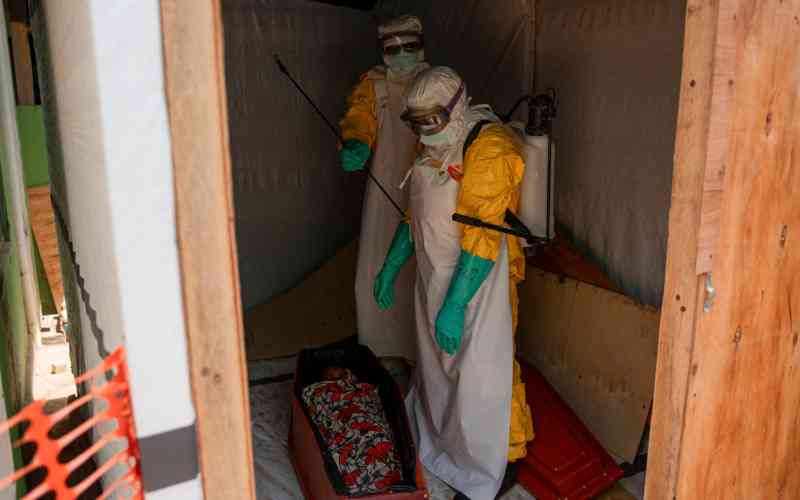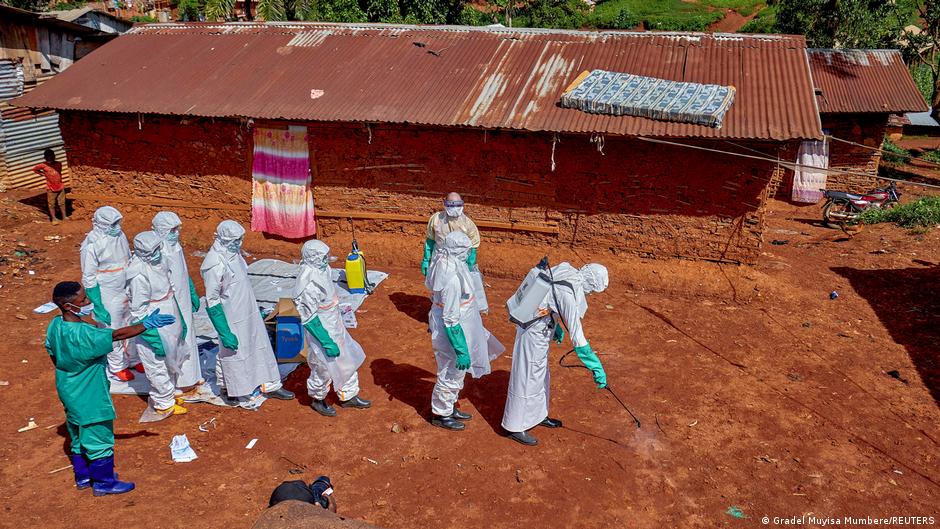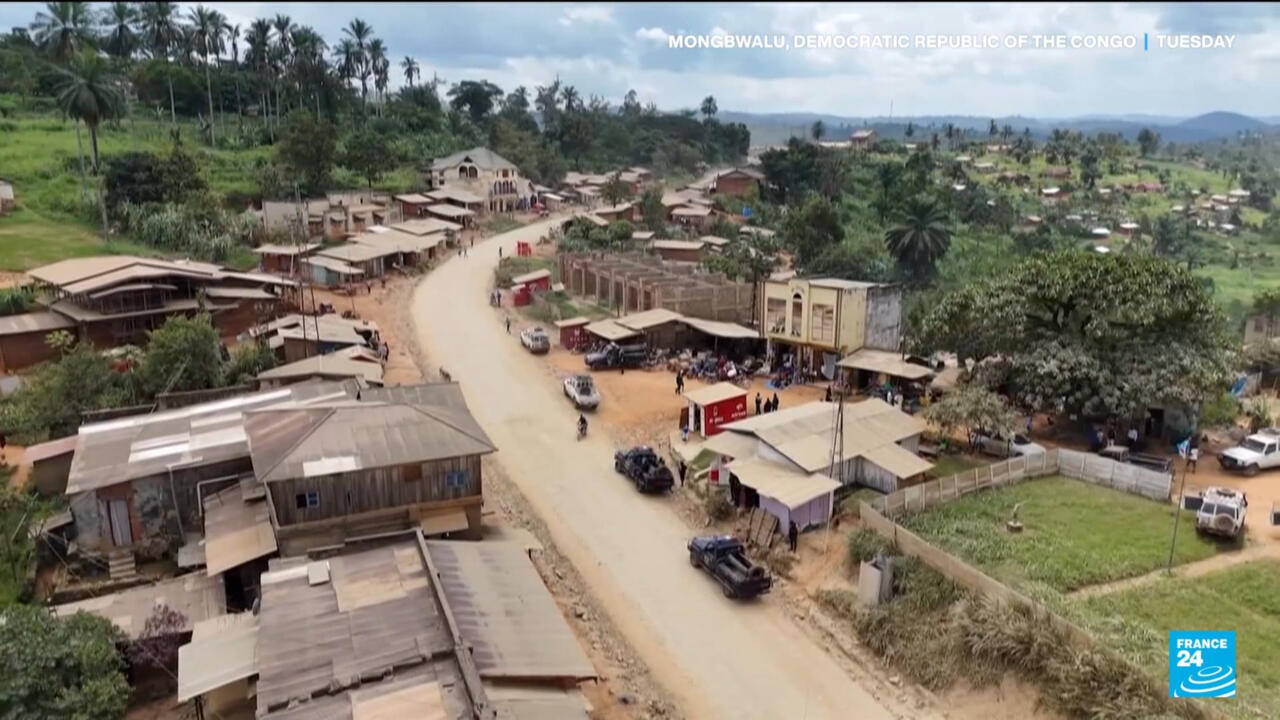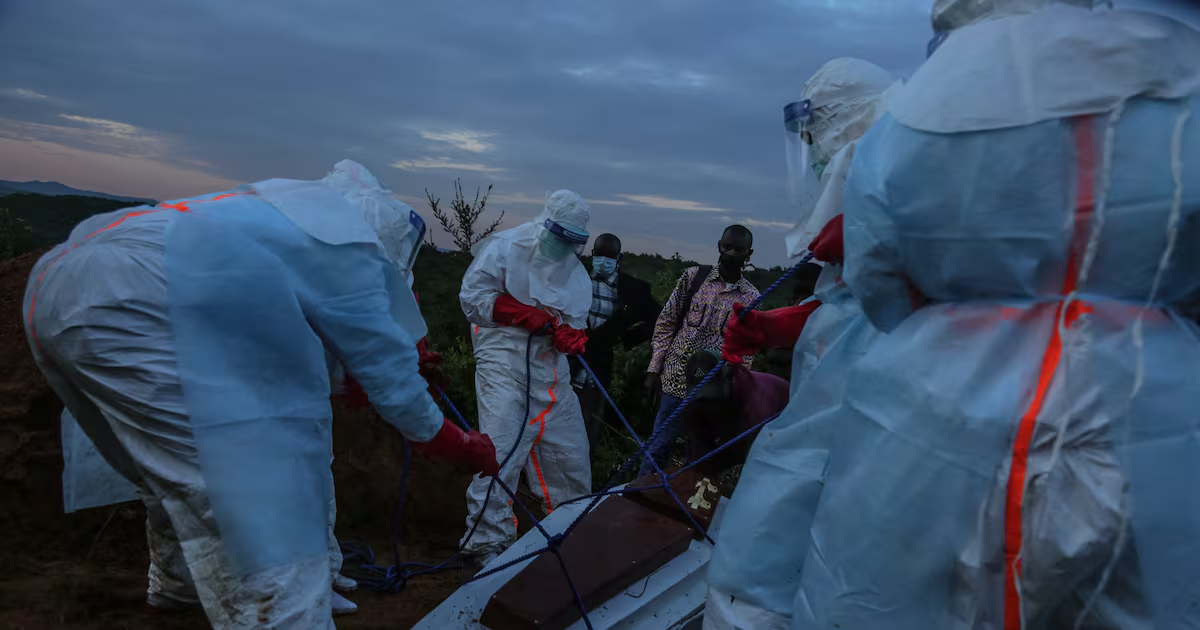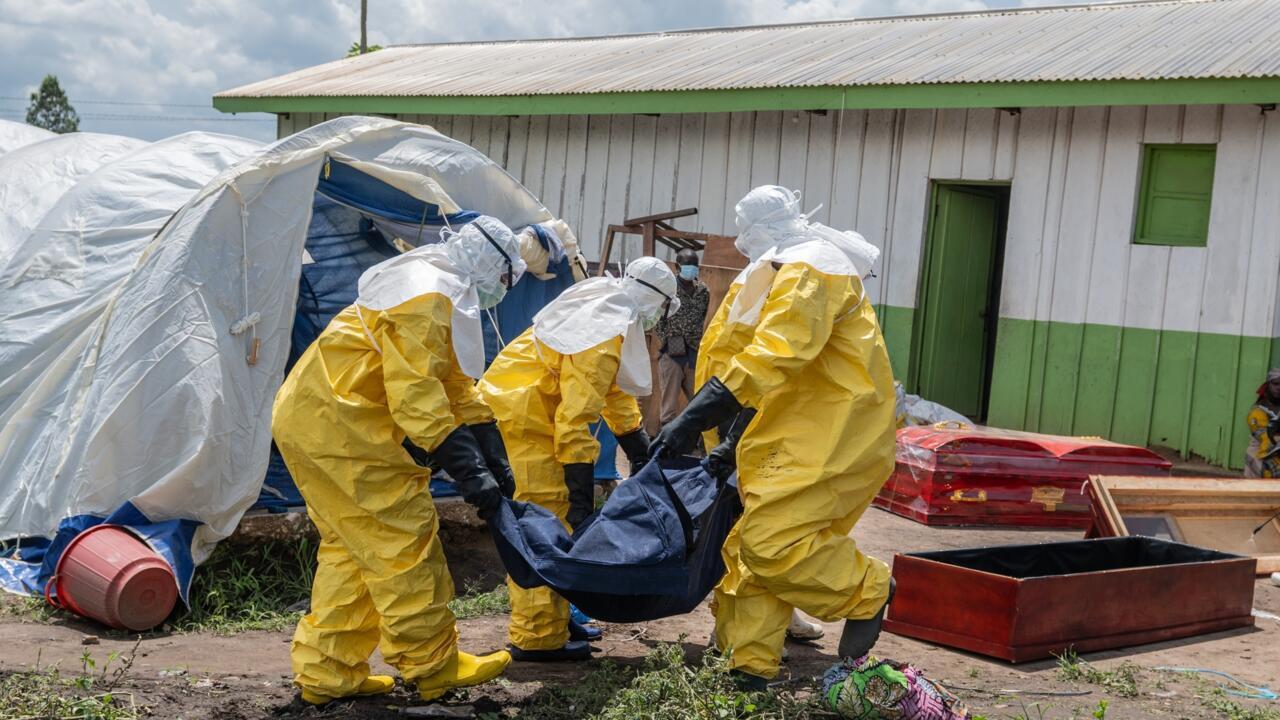
Authorities in the Democratic Republic of Congo have launched an online campaign to tackle growing mistrust surrounding a deadly Ebola outbreak. The World Health Organization (WHO) says misinformation is hampering efforts to contain the haemorrhagic fever, which broke out in the eastern province of Ituri on 15 May.
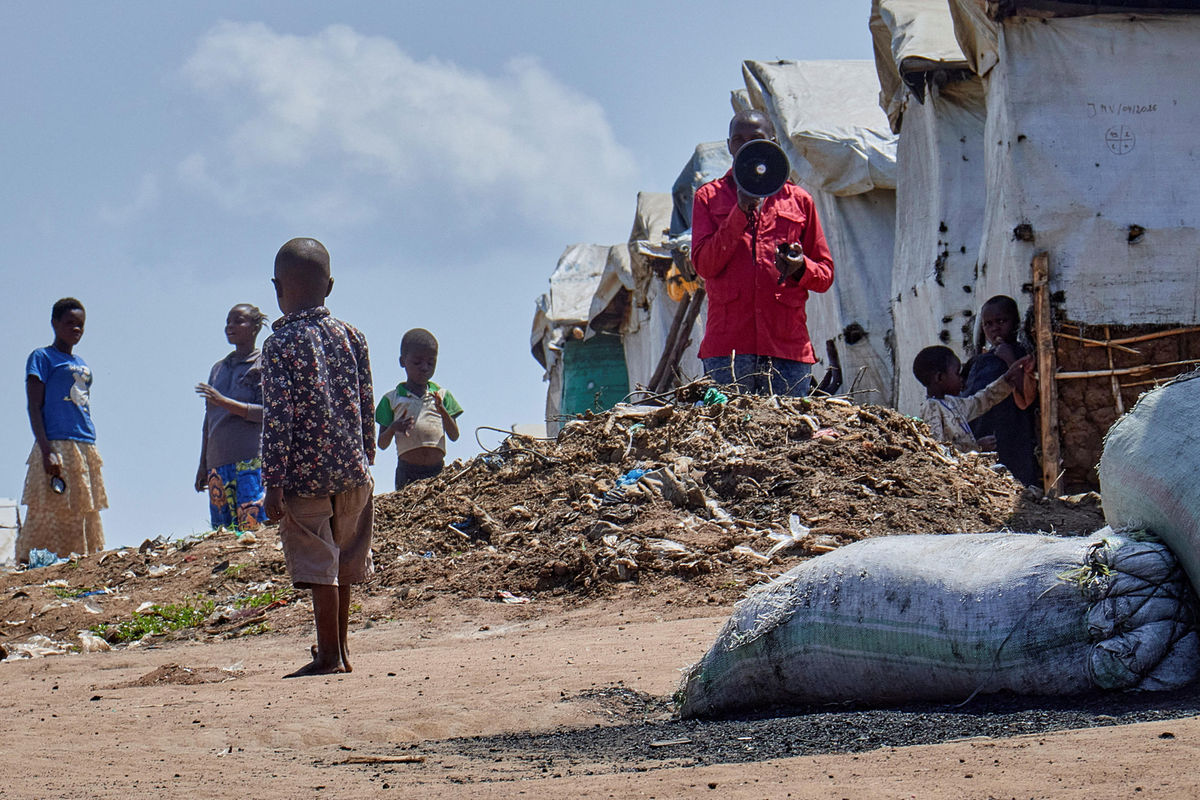
The WHO has declared an international health emergency over the outbreak. Africa CDC said on 12 June that Congo's 17th Ebola outbreak remains far from under control and continues to spread. The outbreak has now caused 676 confirmed infections and 136 confirmed deaths, up from 635 cases and 114 deaths reported earlier. The epicentre is in Ituri province, where poor roads and insecurity linked to armed groups have made access difficult. At the start of the outbreak, only three health zones were affected. Africa CDC says that figure has now risen to 27, and has doubled in the past week alone. Neighbouring Uganda has also recorded 19 cases, including two deaths, in nearly a month, with almost all involving Congolese nationals who crossed the border. ‘We’re sitting on a volcano’ warns EU Commissioner after visit to Ebola-hit DRC Surge in misinformation A wave of misinformation has spread online and in village squares, with some people blaming witchcraft for sudden deaths while others believe Ebola is a hoax designed to attract foreign aid. Ebola, which spreads through close contact and bodily fluids, has killed more than 15,000 people in Africa over the past 50 years. There is no approved vaccine or specific treatment for the Bundibugyo strain behind the current outbreak. Experts say misinformation accompanied earlier Ebola outbreaks but has grown in recent years with the rise of social media. The NGO ActionAid estimates that in Ituri province, nearly one in three people does not believe Ebola is real. The main challenge remains identifying and monitoring people who may have been exposed to the virus. Africa CDC estimates that more than 20,000 contacts may need monitoring, but only 4,955 have been identified so far. Treatment is being delayed because many patients seek care only at a very late stage, said Saani Yakubu, ActionAid's country director. The misinformation also makes it harder to trace contacts because families withhold information and health workers fear visiting homes. To tackle the problem, the government has launched a social media campaign to debunk myths about transmission and encourage people to stay away from dead bodies despite traditional burial rituals. The Congolese Health Ministry has announced a rapid-test centre through the RadiOne platform in Mongwalu, one of the health zones affected by the Bundibugyo strain, to quickly isolate infected people and prevent further transmission. Radio station in DR Congo seeks to stop misinformation amid spread of Ebola Trust crisis False claims range from denying the disease exists to accusing authorities of inventing it for financial gain, epidemiologist Hemes Nkwa told AFP. The problem goes beyond a lack of information and reflects a deeper crisis of trust, she said. "In the DRC, several Ebola outbreaks have taken place in settings shaped by insecurity, political tensions, poverty, and sometimes longstanding distrust of institutions," Nkwa said. Rumours often fill a gap, helping people make sense of fear or regain a sense of control over the narrative, she said. WHO chief Tedros Adhanom Ghebreyesus has warned that "misinformation is almost as dangerous as the virus itself, and spreads just as fast". WHO seeks more aid for Congo as ebola outbreak continues to spread Community response The solution is to rebuild trust by working closely with communities, Yakubu said, including training ambassadors who can "share the information in their local languages". Nkwa said community leaders, survivors and traditional healers, who have "strong social credibility", can also help. "When they become allies, their influence can significantly boost the public health response," she said. The WHO says the public health risk is very high in the Democratic Republic of Congo, high at the regional level and low globally. Among the most recent deaths were two babies from an orphanage in Bunia, in Ituri province. Buswaza was one of the youngest confirmed victims of the outbreak, dying at just two weeks old in May after losing her mother to Ebola. The WHO said Ebola has been detected in amniotic fluid and the placenta, making them a likely source of transmission during Buswaza's birth. Six other babies were identified as suspected Ebola cases at the orphanage, which cares for 69 children. Another baby, an orphan nicknamed Cherie, was less than one year old when she died on 10 June. Children account for nearly one fifth of confirmed Ebola cases since the outbreak began on 15 May, according to preliminary Unicef data. The WHO says children make up a smaller share of cases than other age groups, but the current Bundibugyo strain, which is rare, has been less studied and is less understood in terms of its impact on children. The WHO and the Africa Centres for Disease Control and Protection launched a €445 million plan on Friday to fight the outbreak over the next six months. (with newswires)