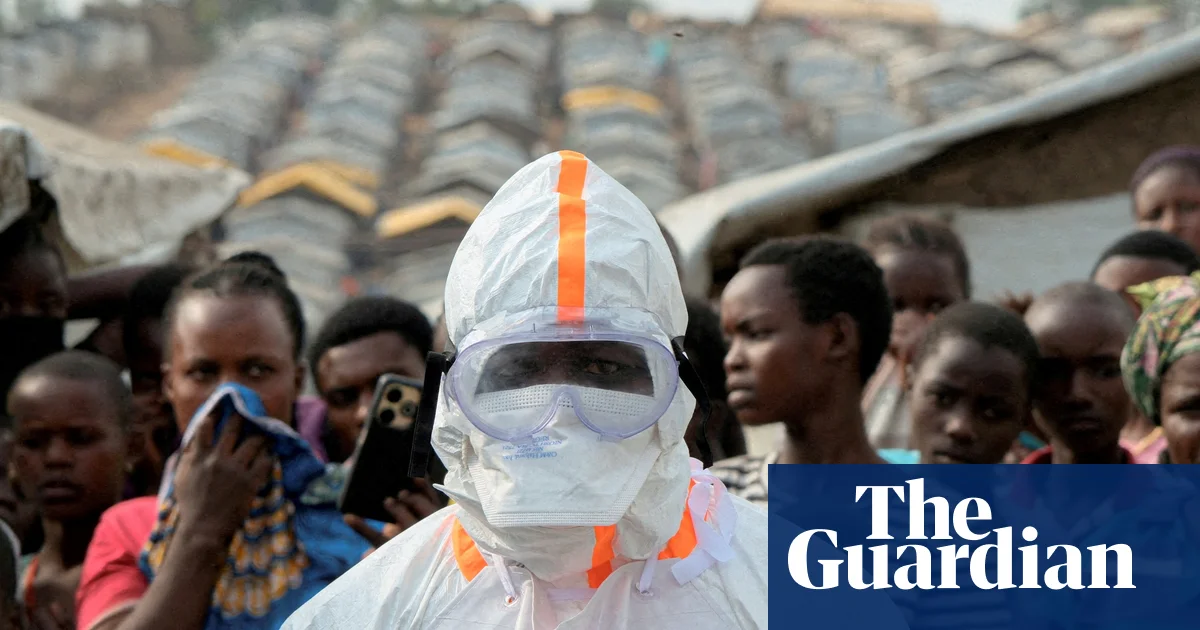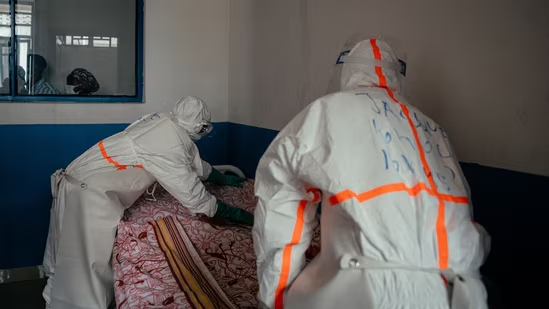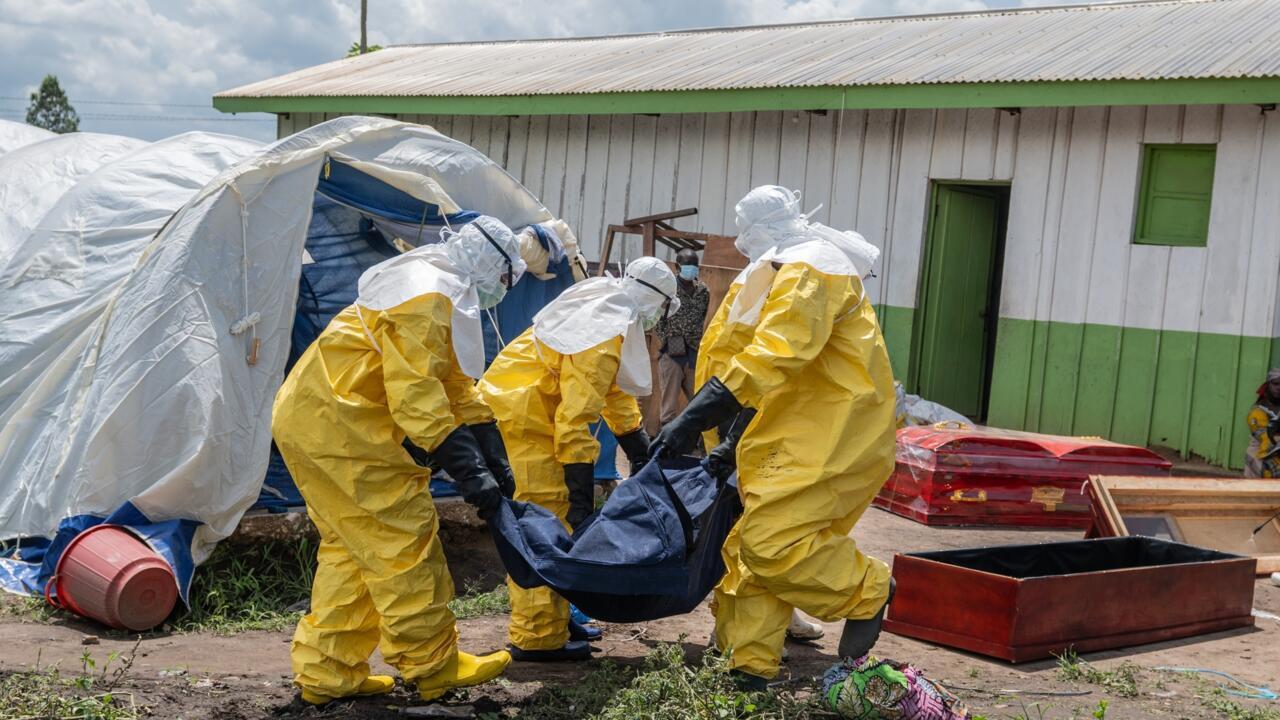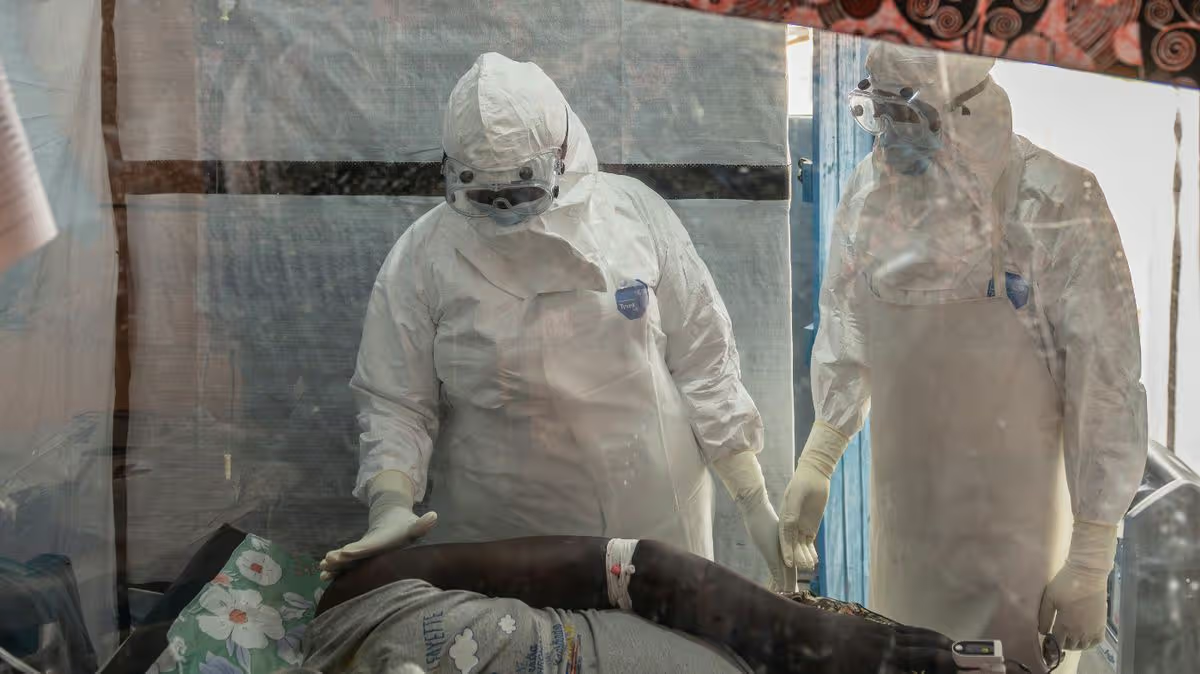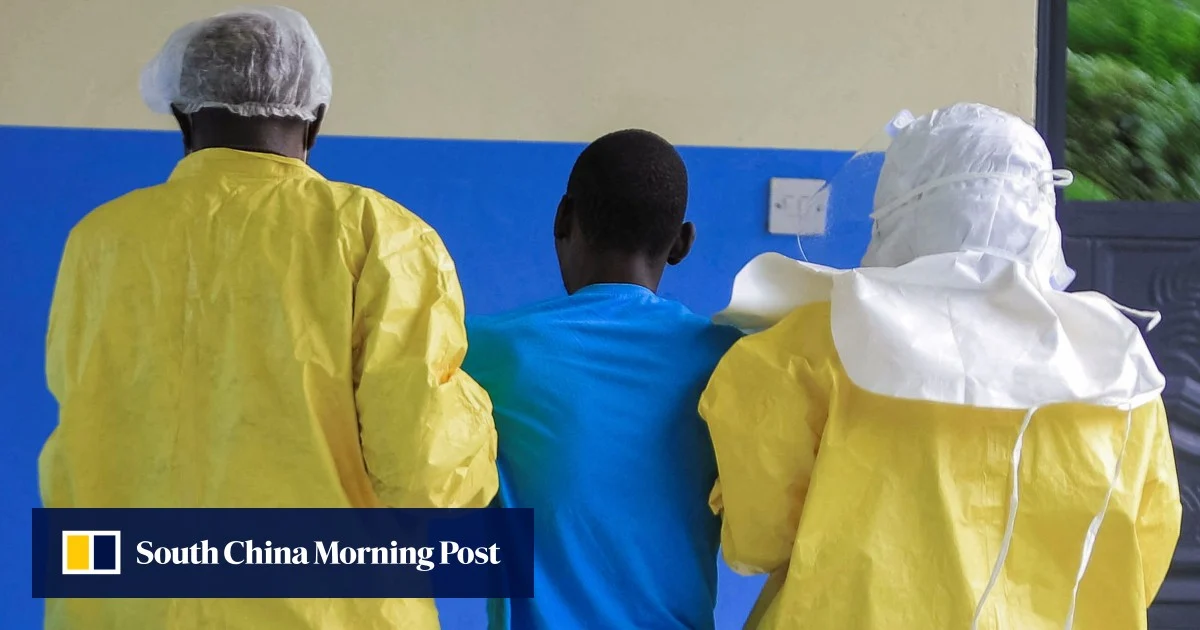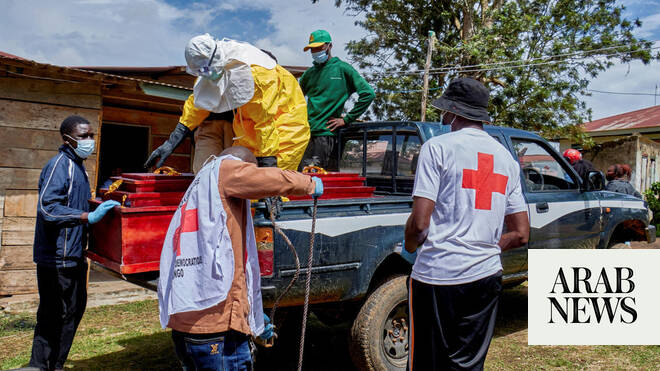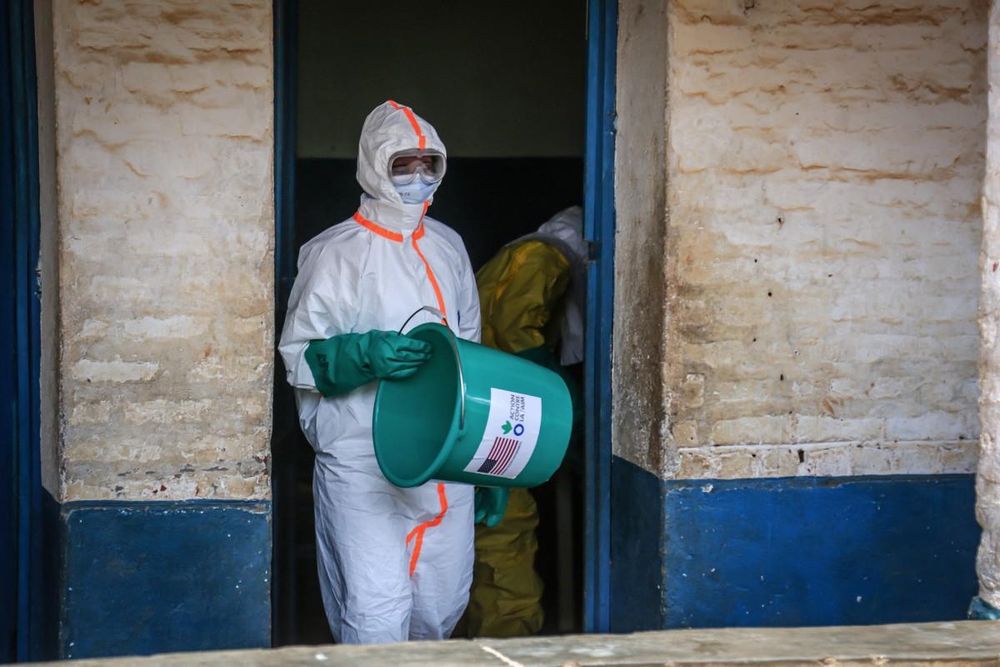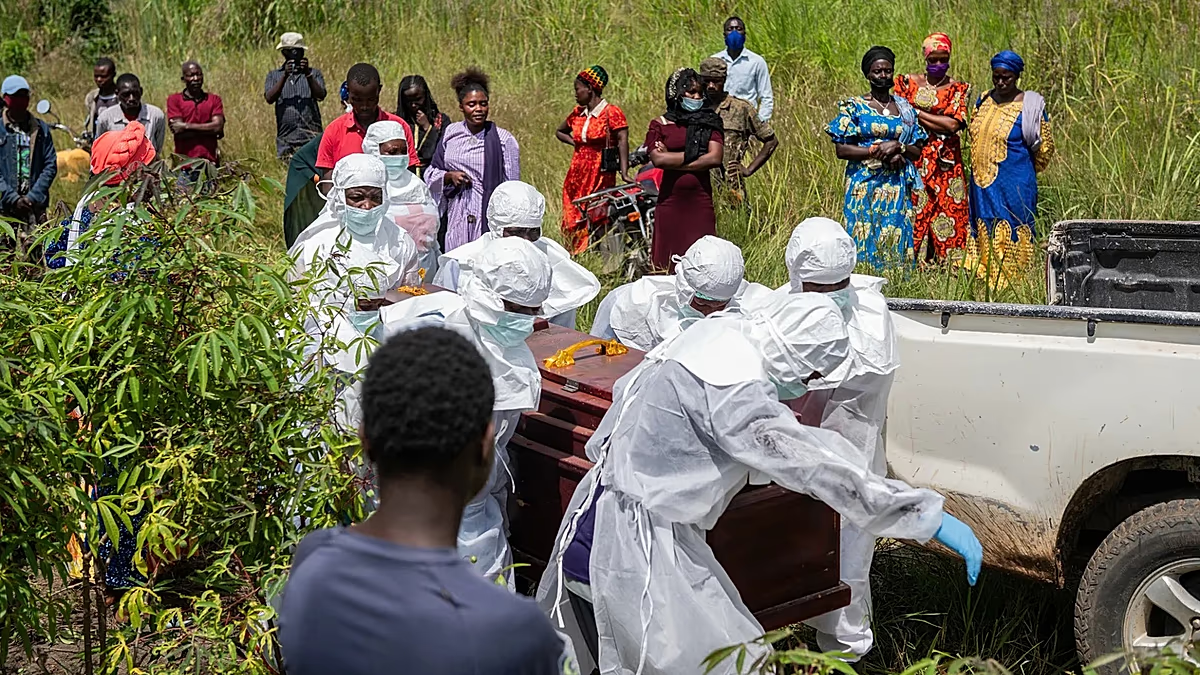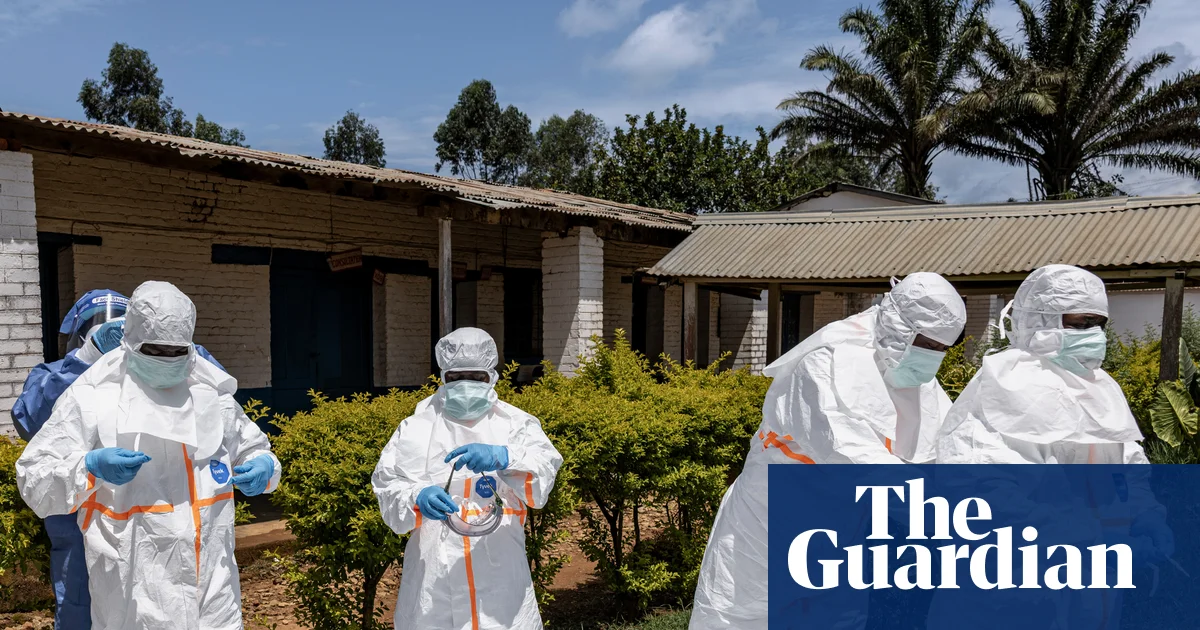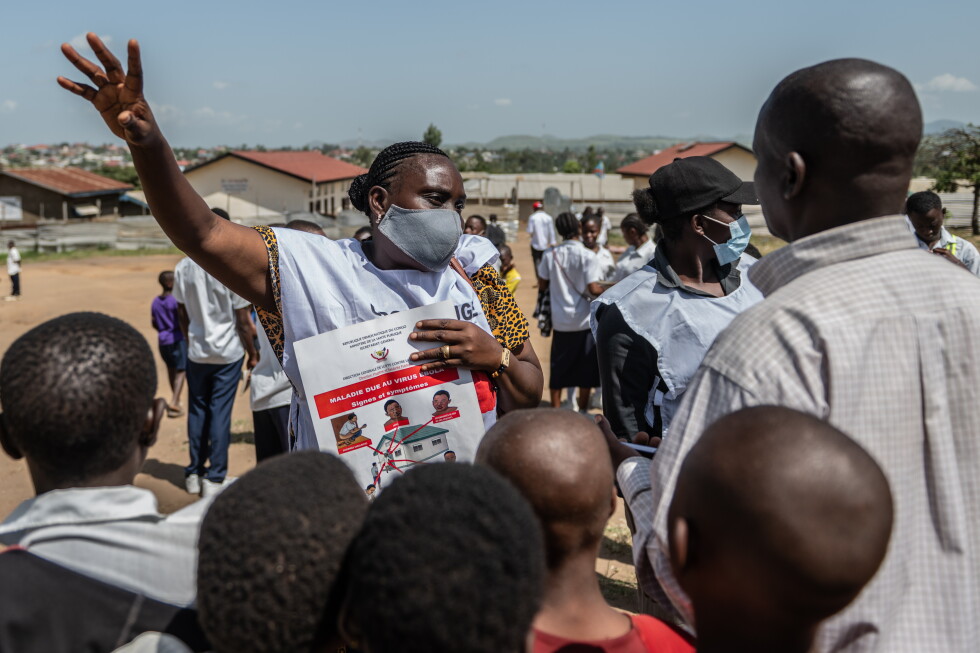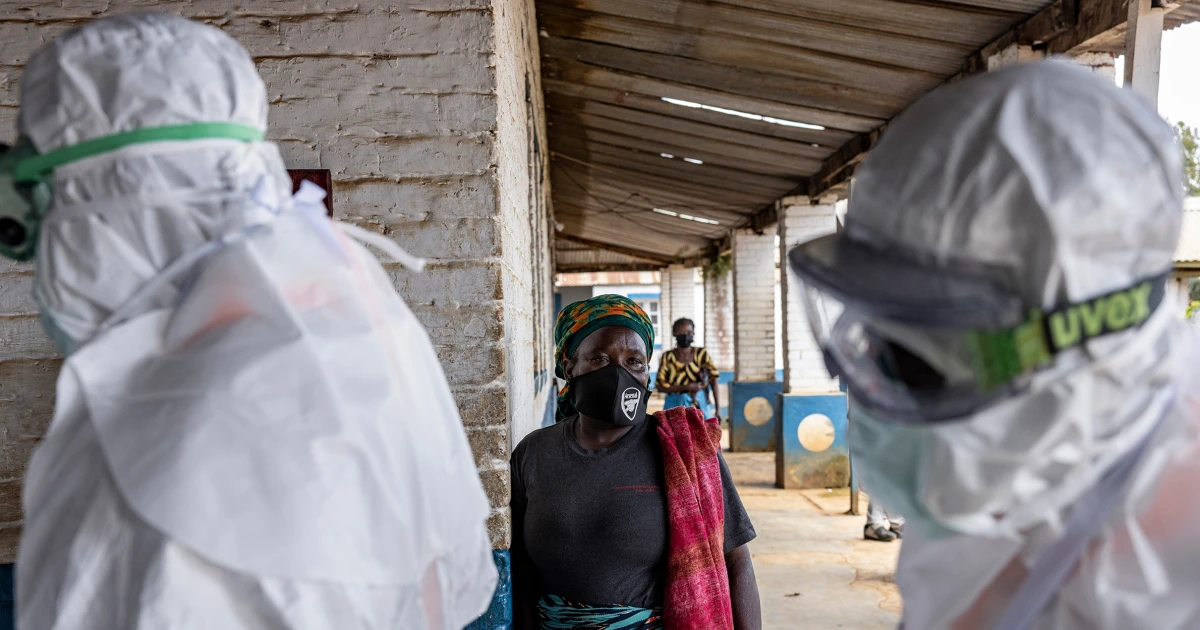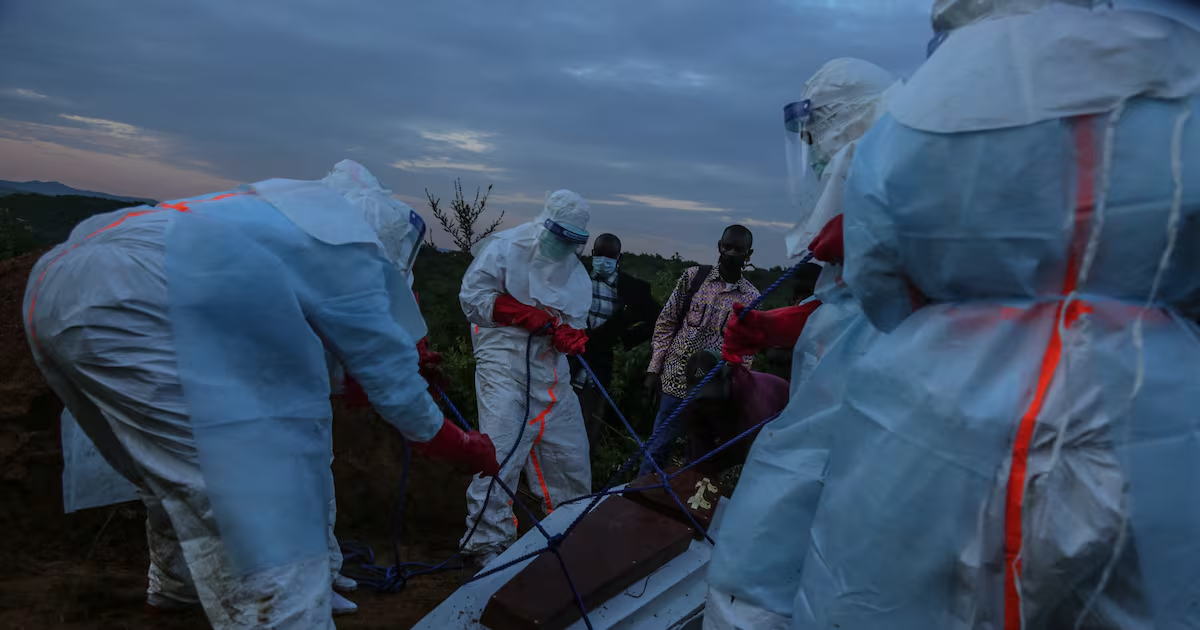
Volunteers are going door-to-door to combat misinformation about Ebola in the area at the centre of the outbreak in the Democratic Republic of the Congo (DRC), the International Federation of Red Cross and Red Crescent Societies (IFRC) said on Friday.The Bundibugyo strain of Ebola, for which there is no approved vaccine or treatment, was declared an emergency of international concern by the World Health Organisation (WHO) on Sunday.The IFRC said it was working with communities in Mongbwalu, at the heart of the outbreak, to explain how people can protect themselves and when to seek care.“Community reactions remain mixed, for some people the outbreak is very real and they are taking information on how to protect themselves,” Gabriela Arenas, the regional operations co-ordinator for the IFRC Africa Region, told reporters via video-link from Nairobi.“For others, there’s still suspicion and misinformation claiming that Ebola is fabricated.”Tensions have surfaced locally. Protesters set fire to tents for Ebola patients after Congolese authorities refused to give them the dead body of a local footballer suspected to have died in the outbreak. They wanted to bury him themselves and his family did not agree that Ebola had killed him. The episode demonstrated why building trust in communities is so important, Arenas said.Bodies of Ebola victims are highly infectious after death, and unsafe burials – where family members handle the body without proper protective equipment – are a leading driver of transmission. “Ebola outbreaks start and end between communities, and this is why the local engagement remains so central to the response,” Arenas said, adding that rumours stem from fear and a lack of trusted information.The WHO regional director for Africa said one case could spread the virus beyond the DRC and Uganda.Ebola is an often-fatal virus that causes fever, body aches, vomiting and diarrhoea. It spreads through direct contact with the bodily fluids of infected people, contaminated materials or people who have died from the disease.Medical staff wearing personal protective equipment (PPE) carry disinfectant at the hospital in Rwampara in DRC. Photograph: Seros Muyisa/AFP via Getty Images The outbreak has resulted in 160 suspected deaths out of 670 suspected cases, and 61 of the cases have been confirmed, according to DRC health ministry data published on Thursday. Two cases have also been confirmed in neighbouring Uganda.“It would be a big mistake to underestimate it, especially with a virus with this strain, Bundibugyo, [for] which we don’t have the vaccine,” Mohamed Yakub Janabi said in an interview at WHO headquarters in Geneva.[ WHO head ‘deeply concerned’ by scale of Ebola outbreak as deaths riseOpens in new window ]“So I would really encourage everyone, let’s help each other, we can bring this thing into control,” he said.He added that the outbreak of Ebola in the DRC has had relatively little global attention compared with this month’s hantavirus outbreak, which affected cruise ship passengers from 23 countries including major powers.“You just need one contact case to put all of us at risk, so my wish and prayer is that we should give [Ebola] the attention it deserves,” he said.Janabi declined to comment on the expected duration and scale of the outbreak. The “hyperdynamic movement of the people” made it hard to gauge the situation, he said, adding that efforts to scale up testing, infection prevention measures and community engagement were under way.The dispute over the victim’s body that led to the burning of Ebola treatment tents pointed to the importance of building trust, he said.“We are trying to fight both frontiers,” he said, referring to the virus itself and misinformation about the illness circulating within the local population.Another challenge was that epidemiologists have yet to find the initial person infected, he added, saying this was important for identifying and isolating the initial web of contacts. – Reuters
Ebola misinformation and community tensions in DRC prompts aid volunteer action
Outbreak is the third-largest on record, with 160 suspected deaths out of 670 suspected cases
628 words~3 min read