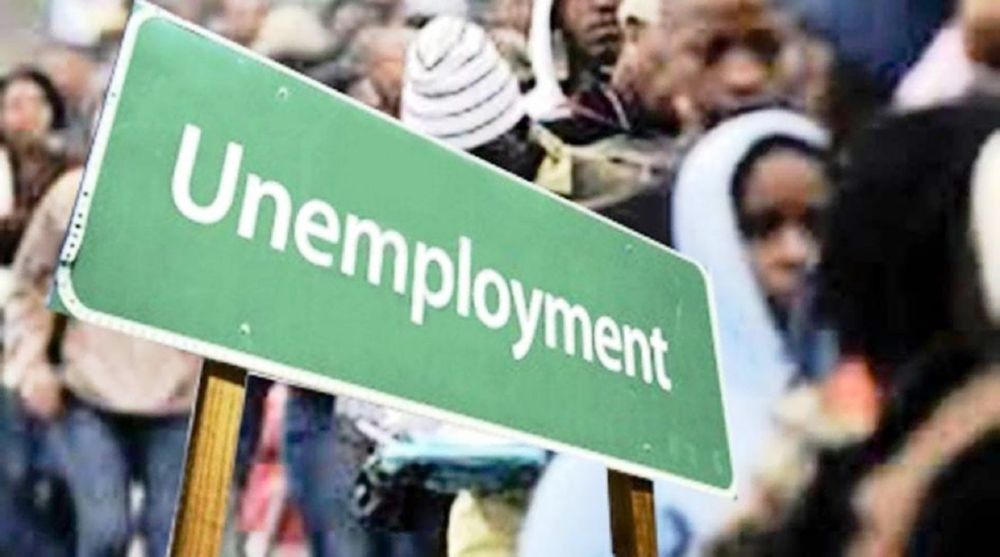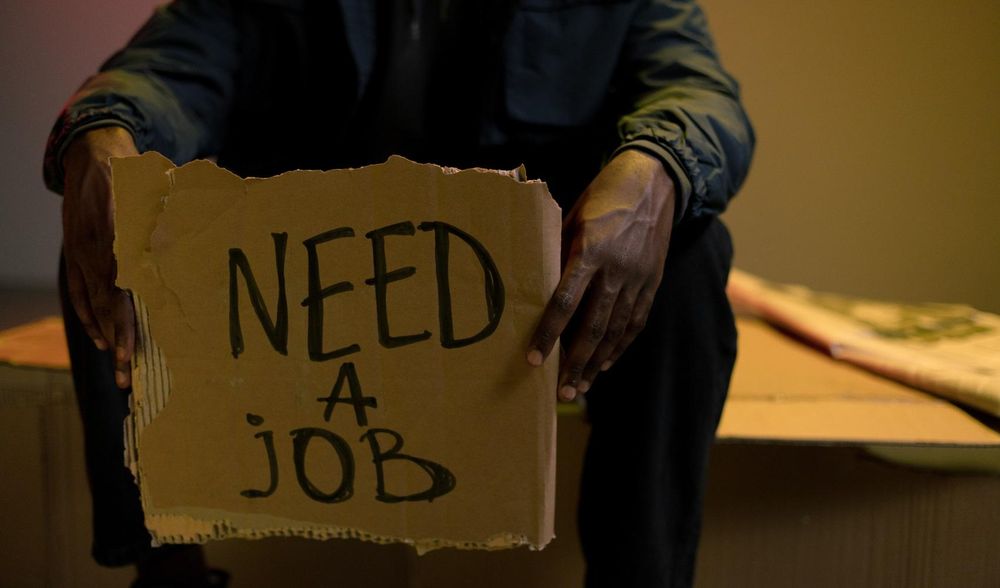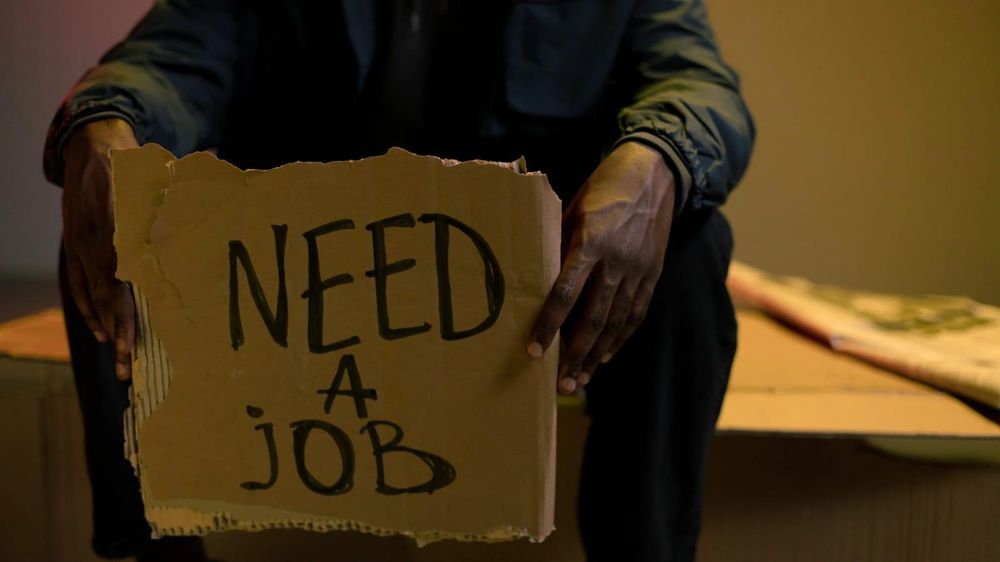
A mall courtyard filled with applicants for a Rocomamas job is our reality. But this crisis begins in classrooms where democracy is already sub-zero, says the writer.
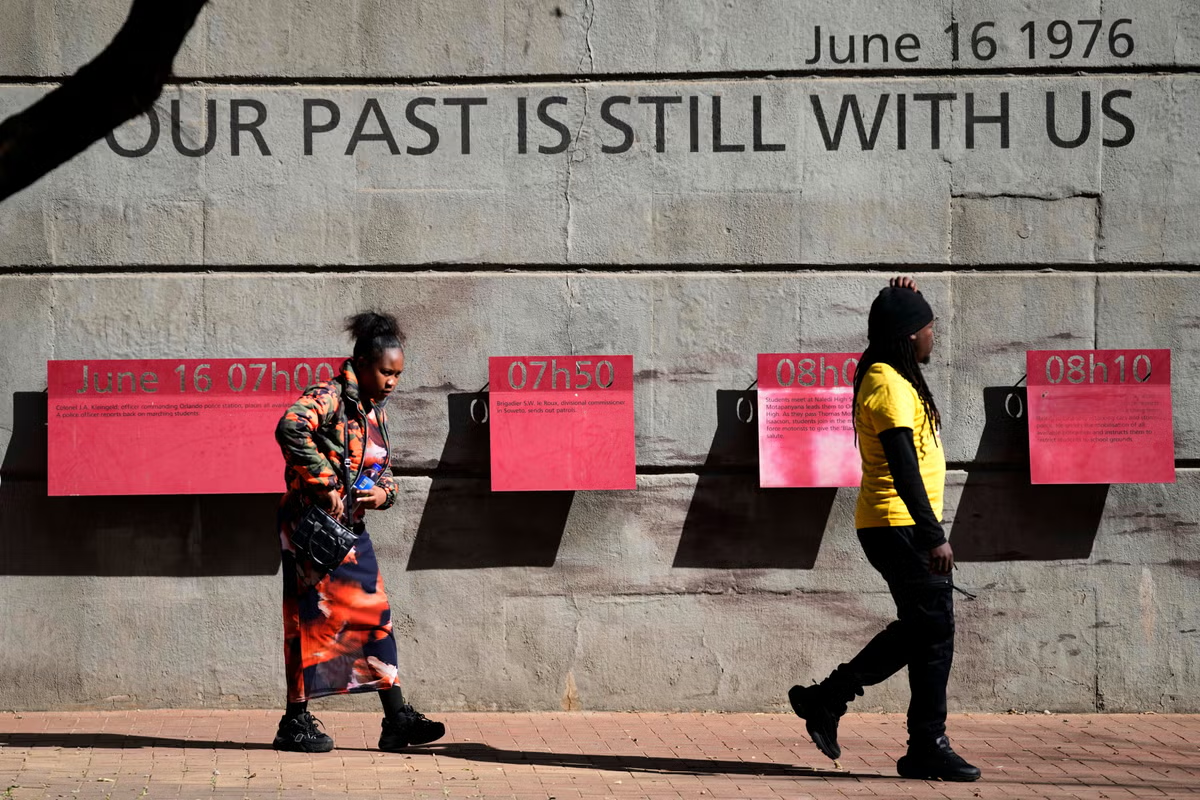
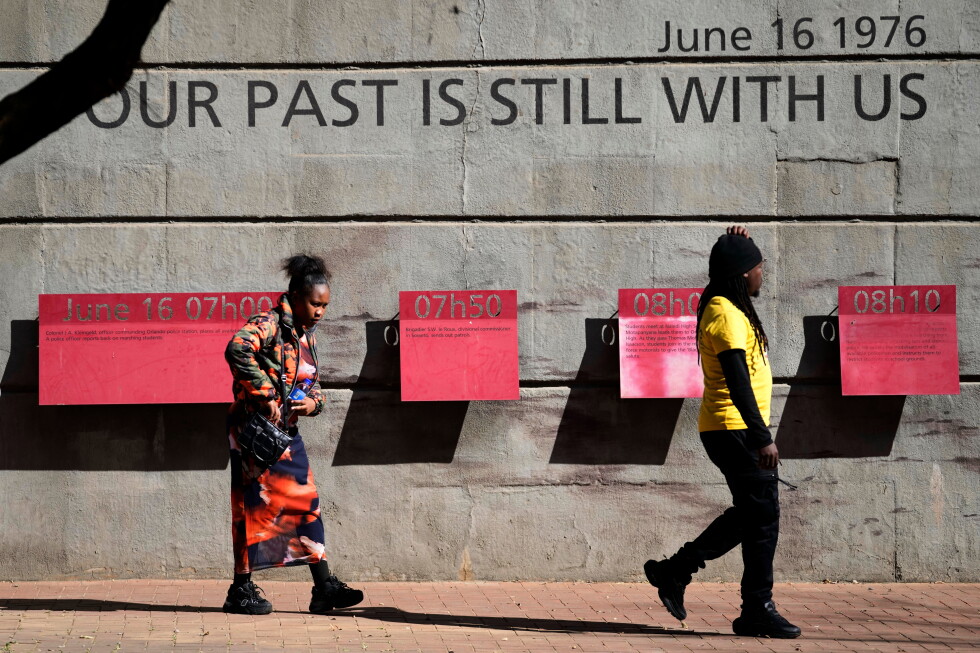
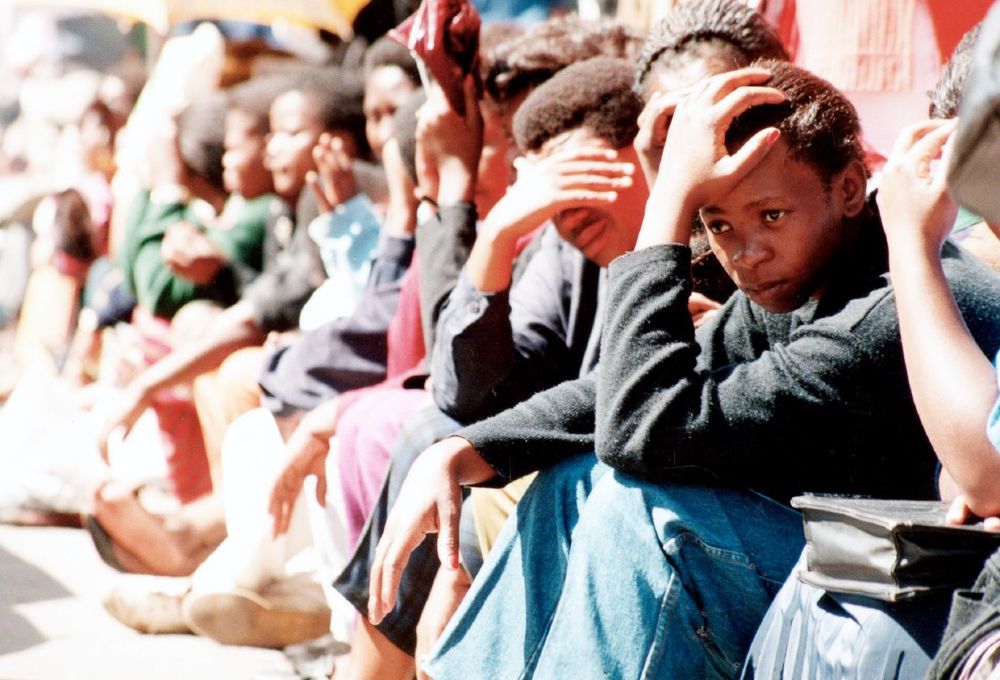
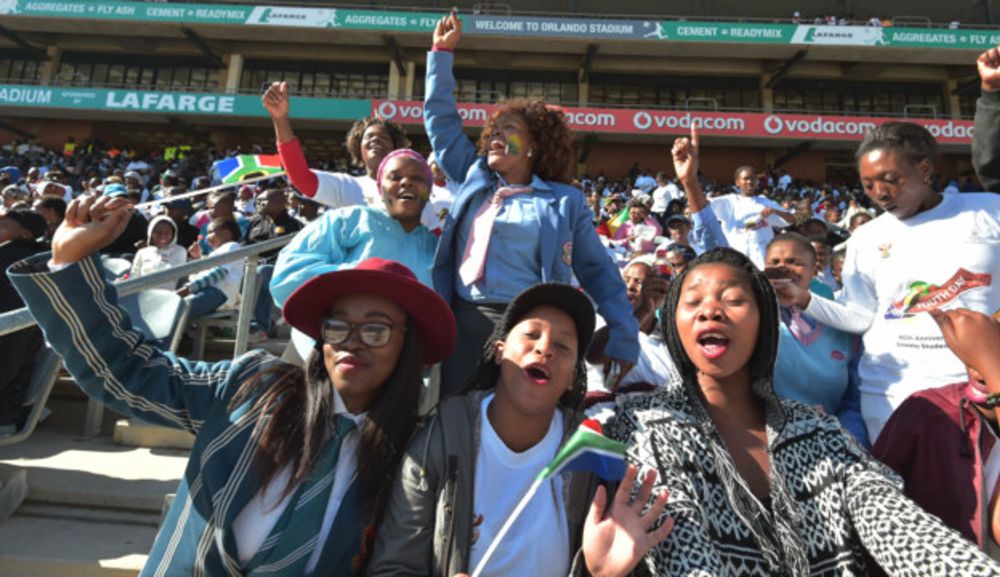
Youth Month arrives at the onset of winter in South Africa, and in 2026 marks 50 years since the Soweto Uprising, an orchestrated killing by the apartheid government. The cold exposes what a country has failed to cover.
In 2024, mental healthcare patients froze to death at the Northern Cape Mental Health Hospital due to failing electricity supply reportedly unresolved since 2022. This, too, was an orchestrated killing, not by bullets in the street, but by institutional neglect. The youth may have been afforded access to institutions they were once barred from, but what does access mean if people can still be killed inside them?
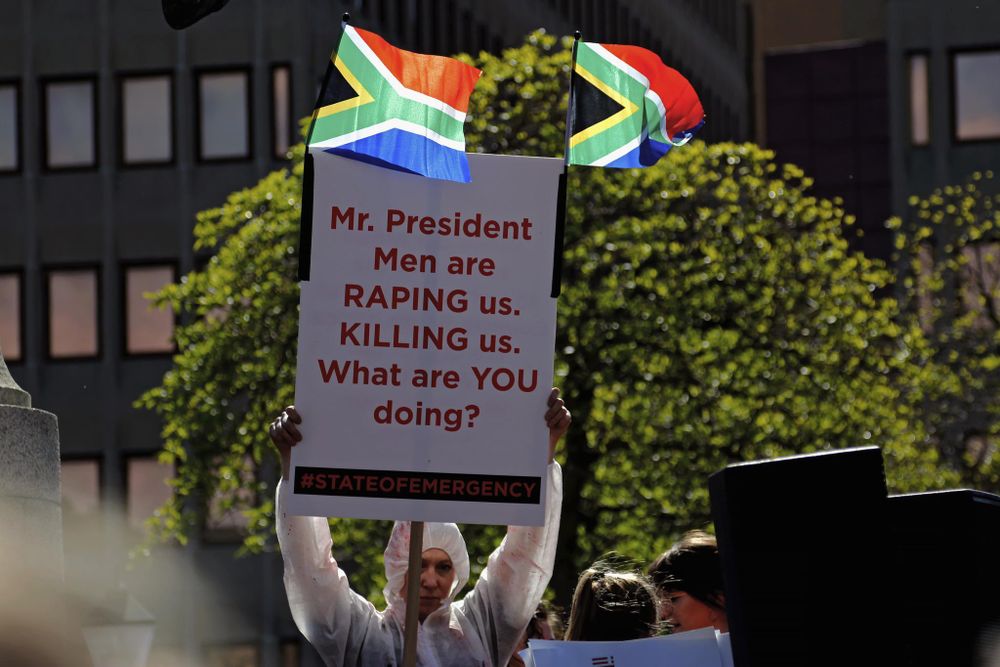
Now, the killings continue through corruption, organised looting, collapsing infrastructure, failed maintenance, broken procurement and vacant posts. The cold has changed form. It is institutional icicles forming over systems that know people are suffering and still fail to move with urgency. The greatest challenge affecting South African youth is not lack of opportunity or budget.
South Africa is classified as an upper-middle-income economy according to the World Bank. That is how R2 billion could be stolen from Tembisa Hospital at the cost of employing healthcare staff. That is how more than R1 million could allegedly be stolen from the Global Fund for HIV, Aids, tuberculosis and malaria at the cost of procuring medicines.