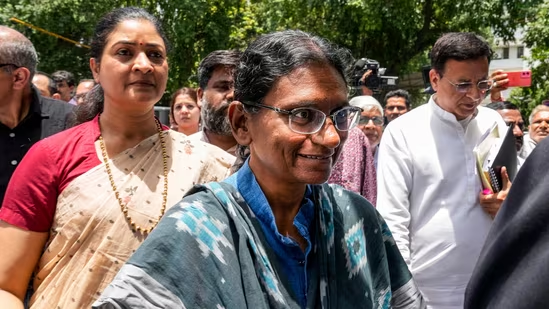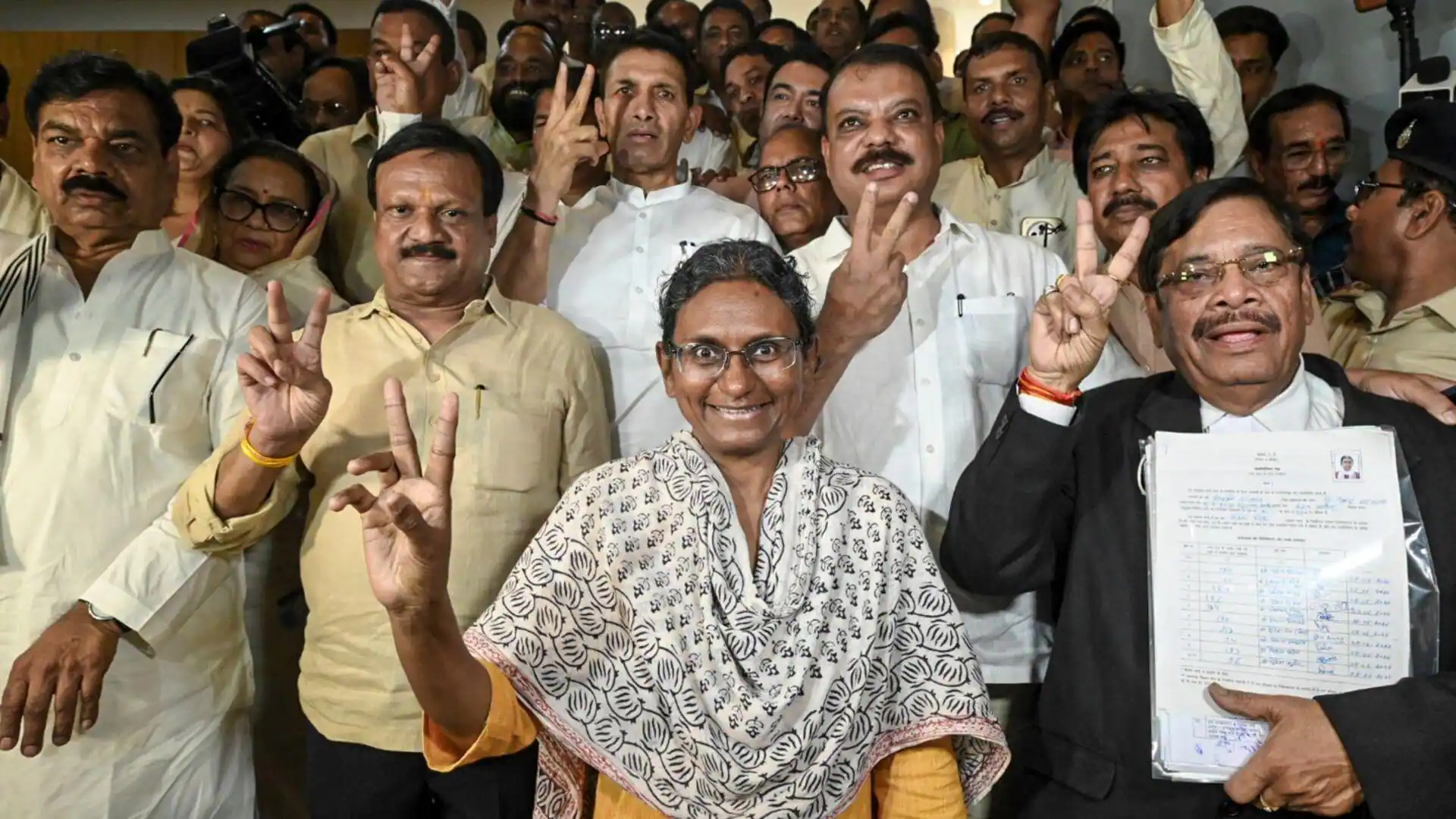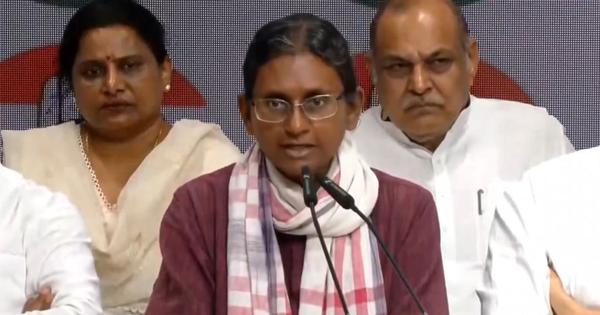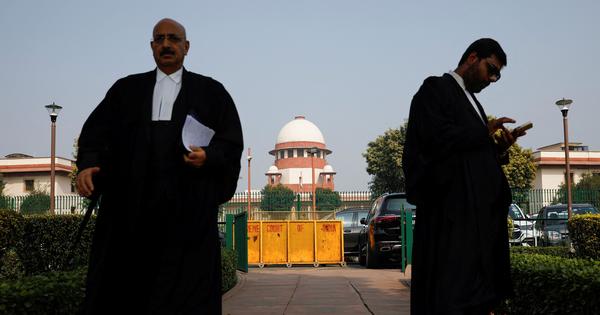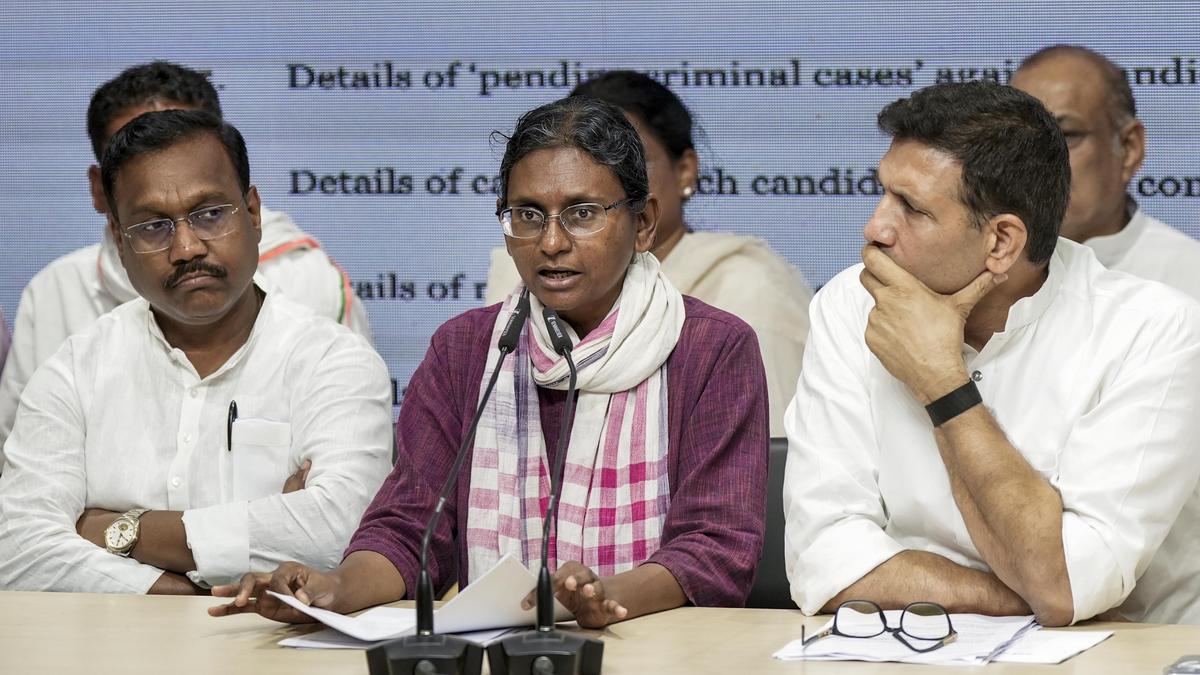
The Supreme Court on Friday indicated that challenges to the rejection of election nomination papers are ordinarily not entertained at the pre-election stage, observing that candidates whose nominations are rejected by a returning officer generally have recourse to remedies available under the election law framework, PTI reported.The observations came while a bench of Justices Prashant Kumar Mishra and Atul S. Chandurkar heard a petition filed by Congress leader Meenakshi Natarajan challenging the rejection of her nomination papers for the Rajya Sabha elections in Madhya Pradesh.According to the report, the bench questioned whether the apex court had ever intervened in a similar matter at the stage of nomination scrutiny. "However erroneous the decision may be, once a nomination is rejected, the remedy ordinarily lies elsewhere. Is there any judgment of this Court where we have interfered at that stage?" the bench asked.Appearing for Natarajan, senior advocate Abhishek Singhvi argued that the rejection of the nomination was legally unsustainable. He contended that election candidates are required to disclose only those criminal cases in which charges relate to offences carrying a minimum punishment of two years or more. In the case cited against Natarajan, Singhvi submitted, only summons had been issued and the matter did not warrant the disclosure that formed the basis of the returning officer's decision.Natarajan's nomination for the Rajya Sabha election was rejected by the returning officer on the grounds of alleged non-disclosure of a criminal case in the affidavit submitted along with her nomination papers under the Representation of the People Act.As per an order issued by Rajya Sabha Election Returning Officer Arvind Sharma, scrutiny of the documents revealed that the affidavit filed in Form 26 was incomplete because it did not mention a court complaint pending against the Congress leader.The controversy arose after BJP candidate Mahesh Kewat lodged a complaint before the returning officer, alleging that Natarajan had failed to disclose a case registered against her in Telangana. Following examination of the complaint and related records, the returning officer concluded that the omission amounted to incomplete disclosure and rejected the nomination.The Supreme Court has now asked the petitioner to place on record any precedent where the court has intervened after the rejection of nomination papers, signalling its reservations about exercising jurisdiction at this stage of the electoral process, PTI reported.
SC points Congress' Meenakshi Natarajan to EC remedy in nomination dispute
The Supreme Court has indicated it generally does not intervene in rejected nomination cases before elections. Candidates usually seek remedies through election law after rejection. The court questioned if it had ever interfered at this nomination scrutiny stage. This stance was taken while hearing a Congress leader's plea against her nomination rejection for Rajya Sabha polls in Madhya Pradesh.
382 words~2 min read