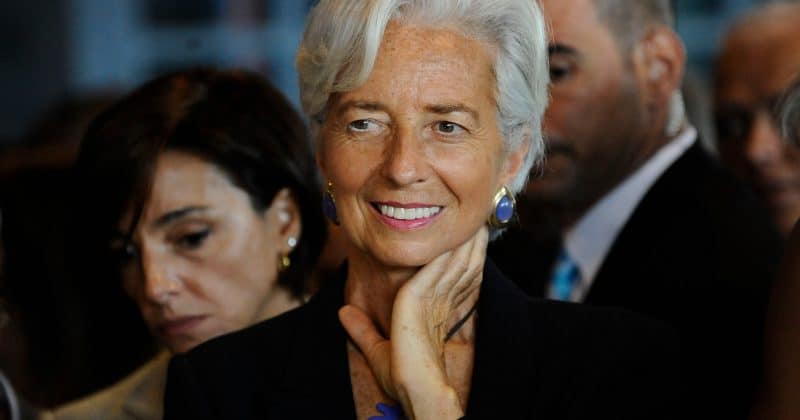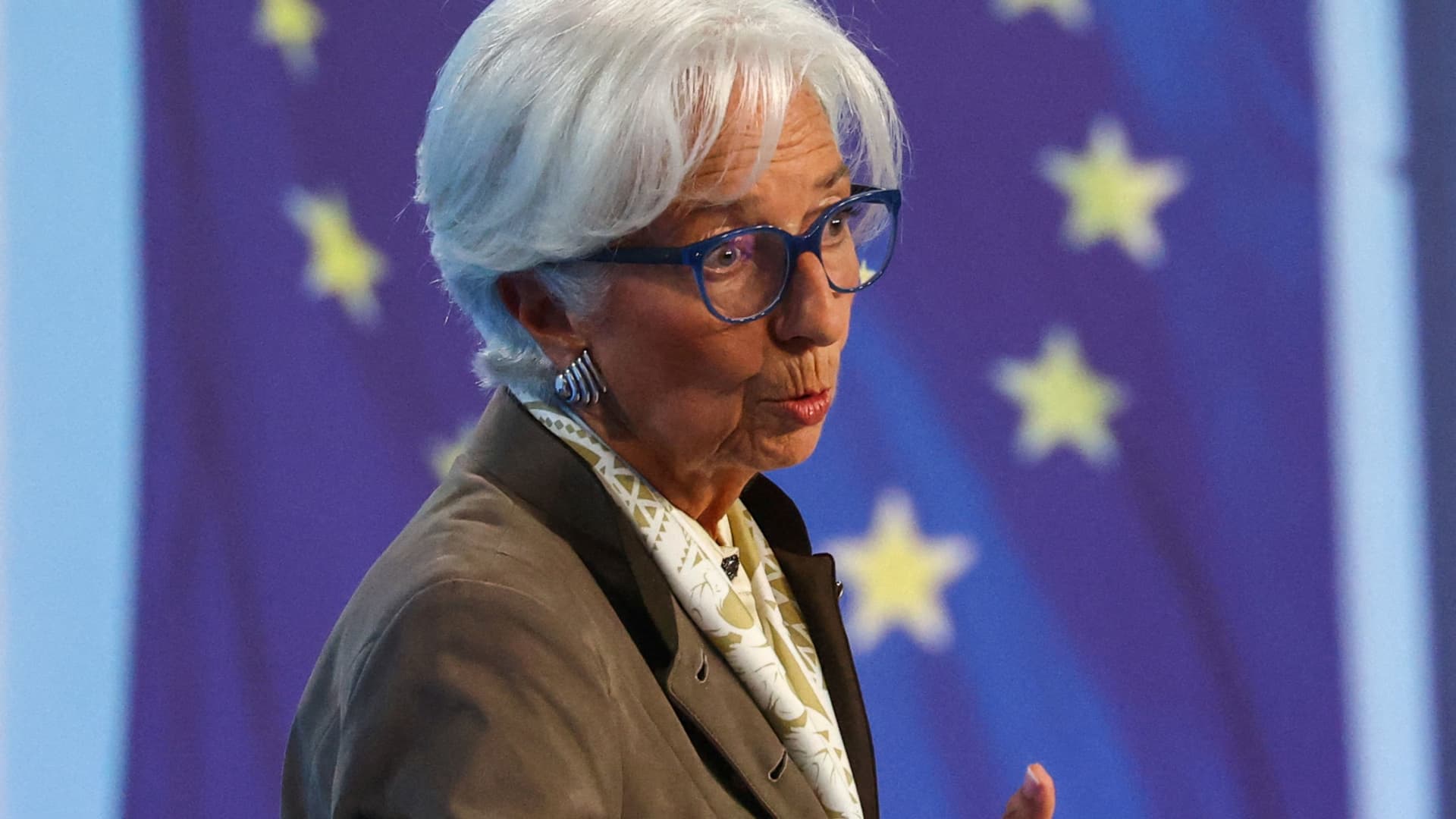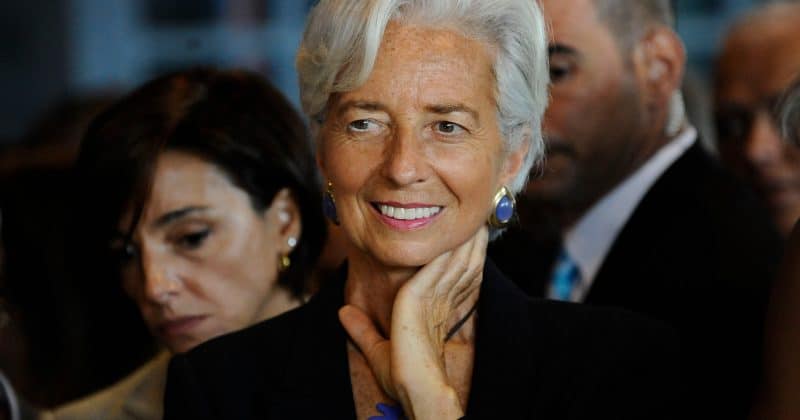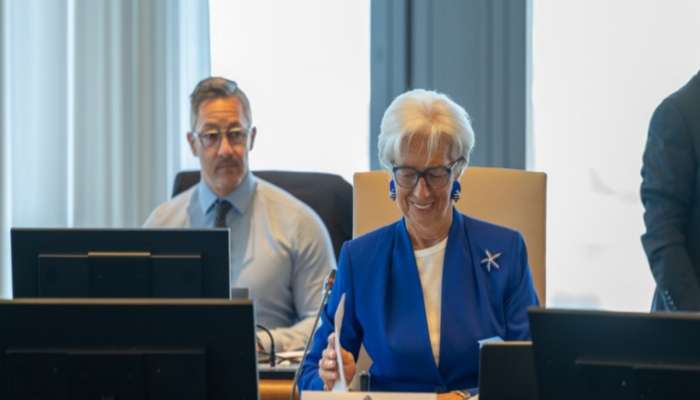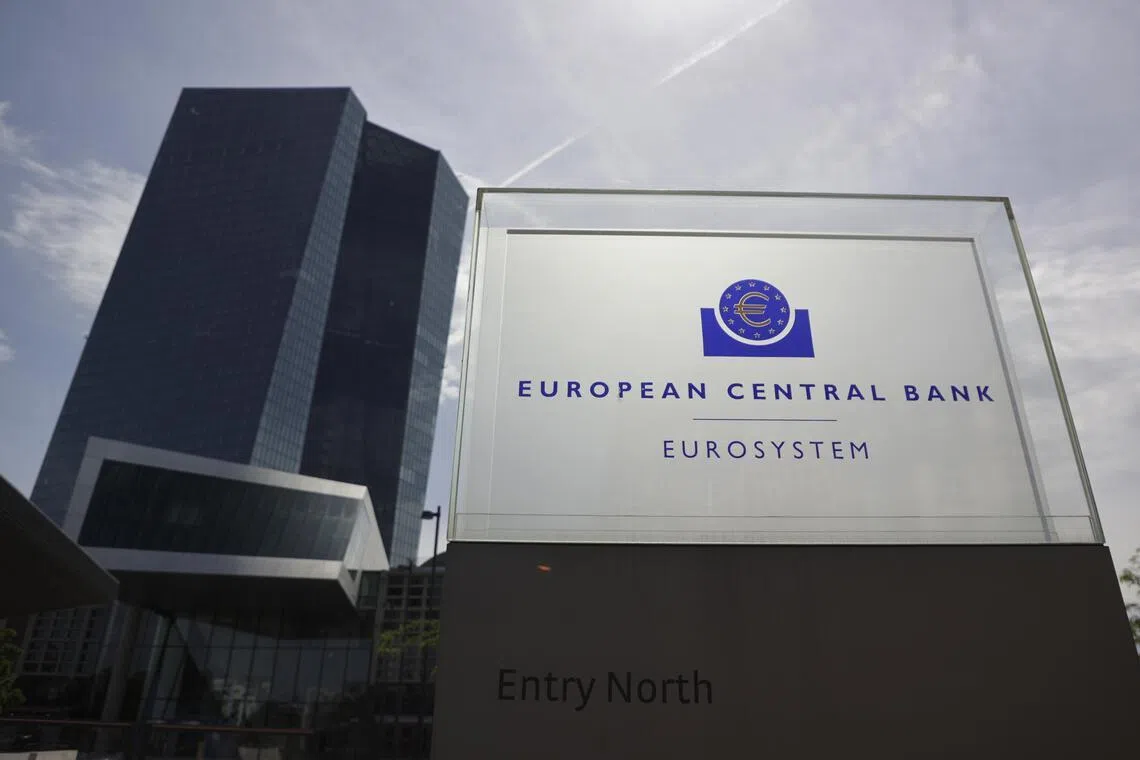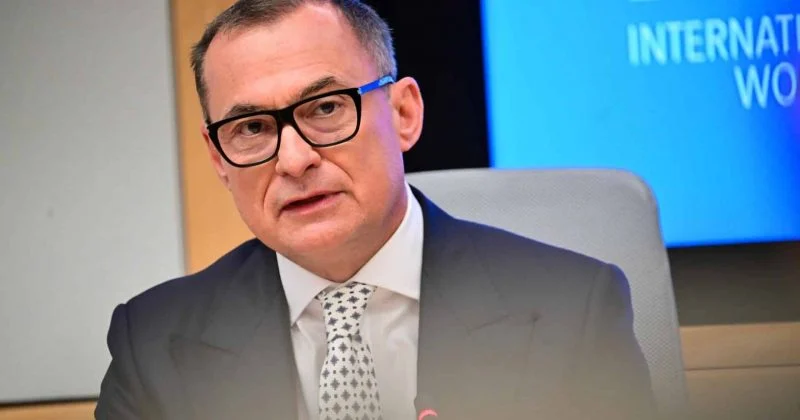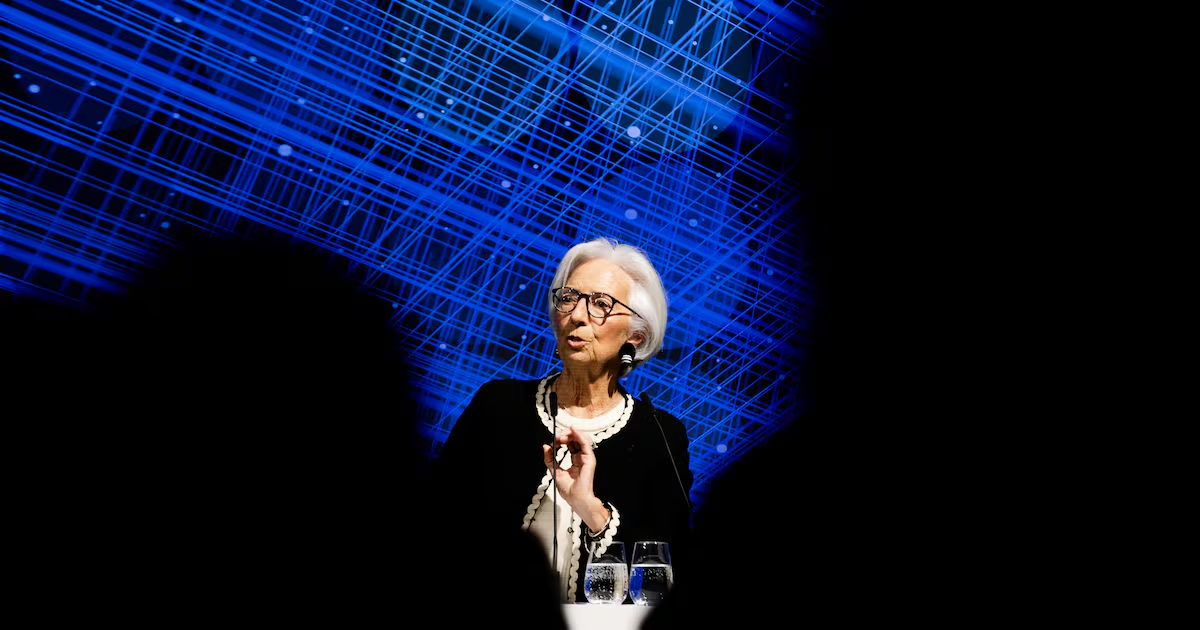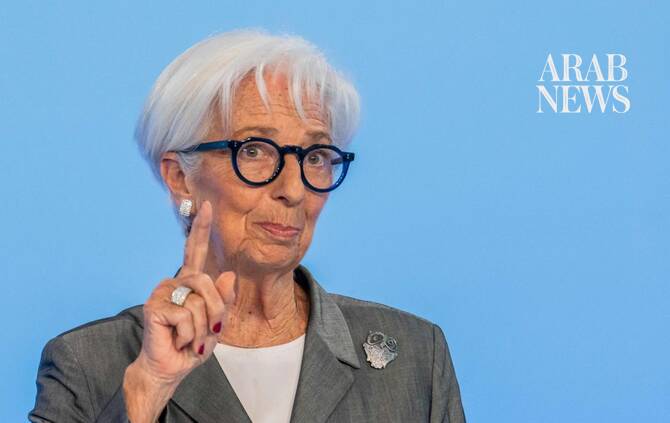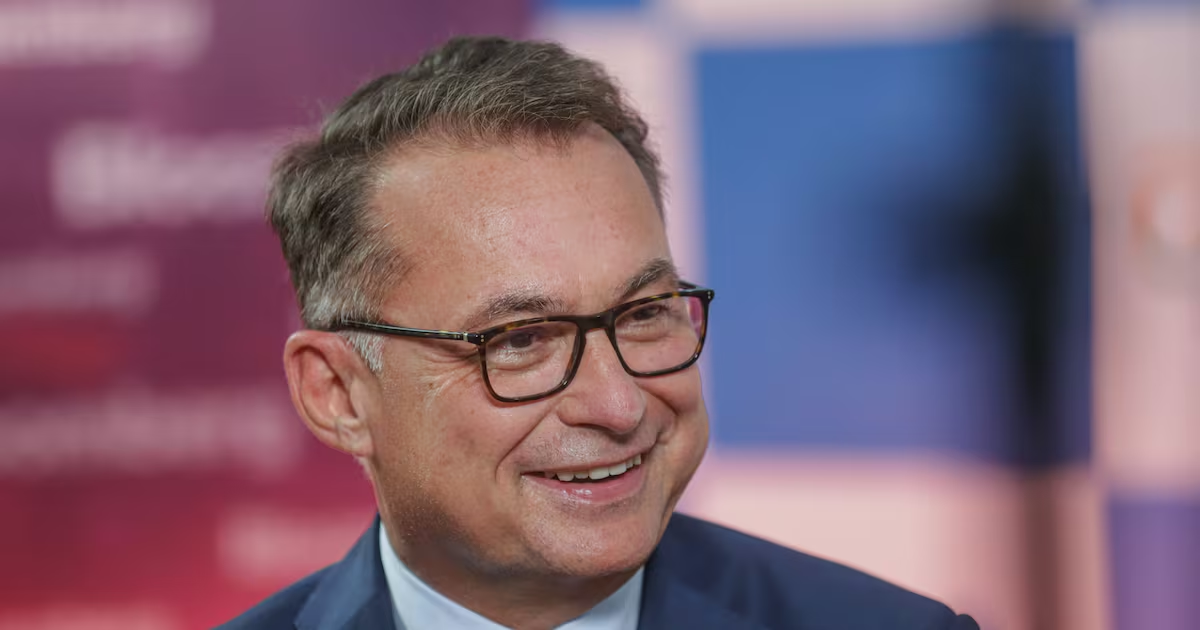
The European Central Bank (ECB) is prepared to raise interest rates for a second straight meeting next month if the shock from the war in the Middle East requires it, according to bank governing council member Joachim Nagel.The fallout from the war is proving too strong to ignore, making Thursday’s increase in the deposit rate necessary even if the situation moderates quickly, the Bundesbank president said. High energy costs are having repercussions for other prices and are affecting core inflation, he said.“The Governing Council will be gathering for its next monetary-policy meeting in July,” Nagel said in emailed comments on Friday. “We are keeping all our options open and are ready to respond once again, should we have to. Our data-dependent and meeting-by-meeting approach to making decisions remains appropriate.”The German official spoke less than a day after the ECB raised borrowing costs for the first time since 2023, becoming the first major central bank to react to the inflation caused by the Iran war.Irish central bank governor Gabriel Makhlouf warned that while the ECB will continue to follow the data, “the incoming hard and soft data shows clear upward price pressures.” “Another concern I have is the potential for tipping points around oil supply that may not be fully reflected in energy price futures,” he wrote in a blog post published on Friday. Pointing to recent increases in inflation across the eurozone, especially in services, “these are not comfortable numbers, and they are moving in the wrong direction,” he added. The consequences of the conflict are becoming clear in Europe, where consumer prices advanced by more than 3 per cent in May and business activity is sinking. ECB president Christine Lagarde warned on Thursday the energy shock is “broadening” through the economy.Markets expect she and her colleagues to deliver two more quarter-point hikes to contain the jump in prices. Another move could come as soon as July if the situation doesn’t improve in the meantime, according to people familiar with the situation.Whatever the timing, further tightening will be required to control prices, the International Monetary Fund said just hours after the ECB hiked.“The policy rate will need to rise to keep the impact of the shock on inflation contained,” IMF staff said. The fund’s outlook assumes a cumulative increase of 50 basis points this year, addressing the danger of both headline and core inflation topping 2 per cent into 2028.Christine Lagarde, president of the European Central Bank. Photograph: Alex Kraus/Bloomberg [ ECB raises interest rates as Ireland’s mortgage holders urged to act nowOpens in new window ]The ECB’s own quarterly forecasts this week indicated quicker gains in consumer prices over the next two years, with economic growth taking a hit as demand sags.Nagel said the price outlook had “worsened further” and the shock is proving to be “strong and persistent.”“That is why we cannot simply ‘look through’ it,” he said. “The interest-rate step would be necessary even if the situation eased quickly.”In a separate interview, Governing Council member Primoz Dolenc said Thursday’s hike enables the ECB to “do the thinking of the broader environment in the next meetings.”“It’s just enough for now to follow our main path,” he told Bloomberg Television.His Estonian counterpart, Ulo Kaasik, was similarly reserved, saying its “extremely difficult” to say when the ECB would next hike borrowing costs.“There’s a lot of uncertainty,” he said. “The reason we raised them this time and didn’t raise interest rates last time, for example, was that there has always been a hope that maybe this conflict would be resolved.”Speaking on Estonia’s Aripaev radio, Kaasik stressed that “if you look at it more realistically, you know that inflation risks are more to the upside.”Austrian Governing Council member Martin Kocher said in a statement the ECB will “continue to act decisively” to meet its 2 per cent medium-term price target.“It will be crucial that the current price shock does not become permanently entrenched in inflation expectations and thus in general price trends,” he said. “The decision yesterday to raise key interest rates contributes to stabilisation.” – Bloomberg[ ECB rate hike: How much more will a mortgage cost in Ireland after today?Opens in new window ]
ECB ready to hike rates again next month if necessary, top official says
Bundesbank president Joachim Nagel says ECB ready to respond further to inflation fears
TL;DRAI
ECB raised rates Thursday and pledged July hikes if inflation sustains, targeting 50-bps cumulative tightening through 2026. CIOs face higher infrastructure costs, tighter M&A budgets, and compressed startup valuations—forcing reassessment of capital allocation and tech vendor pricing.
693 words~3 min read