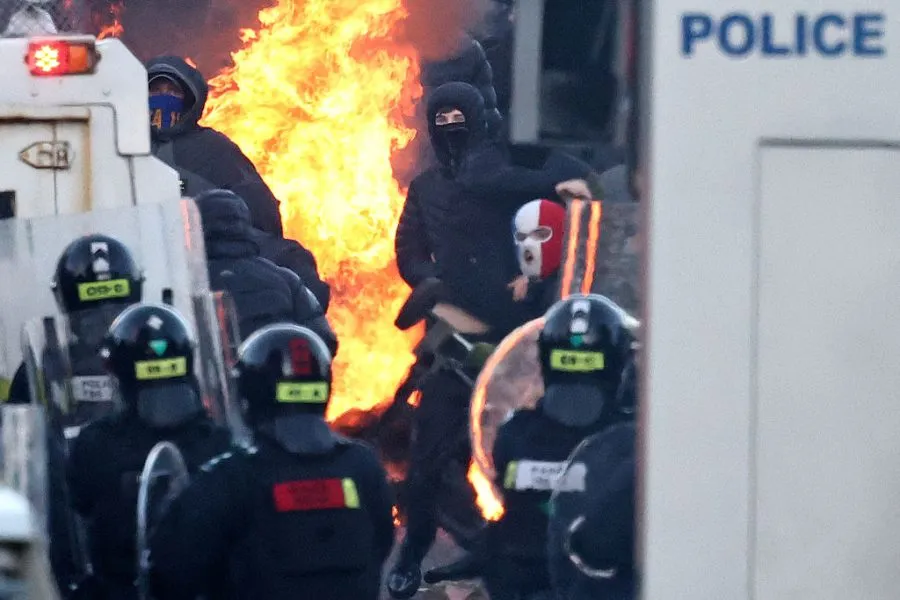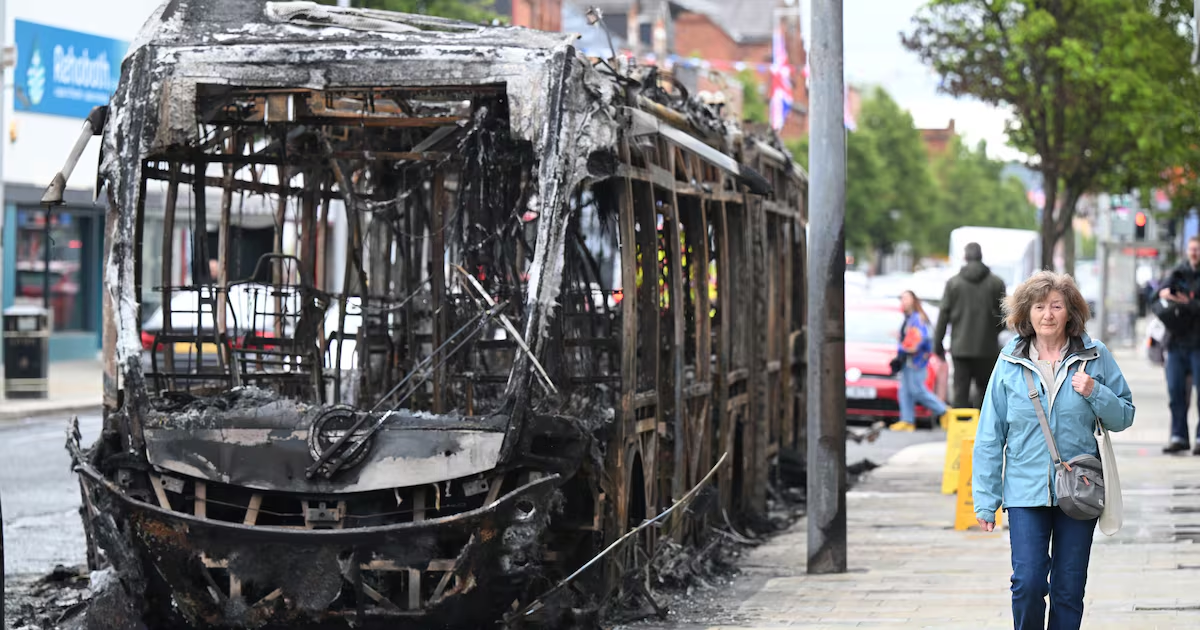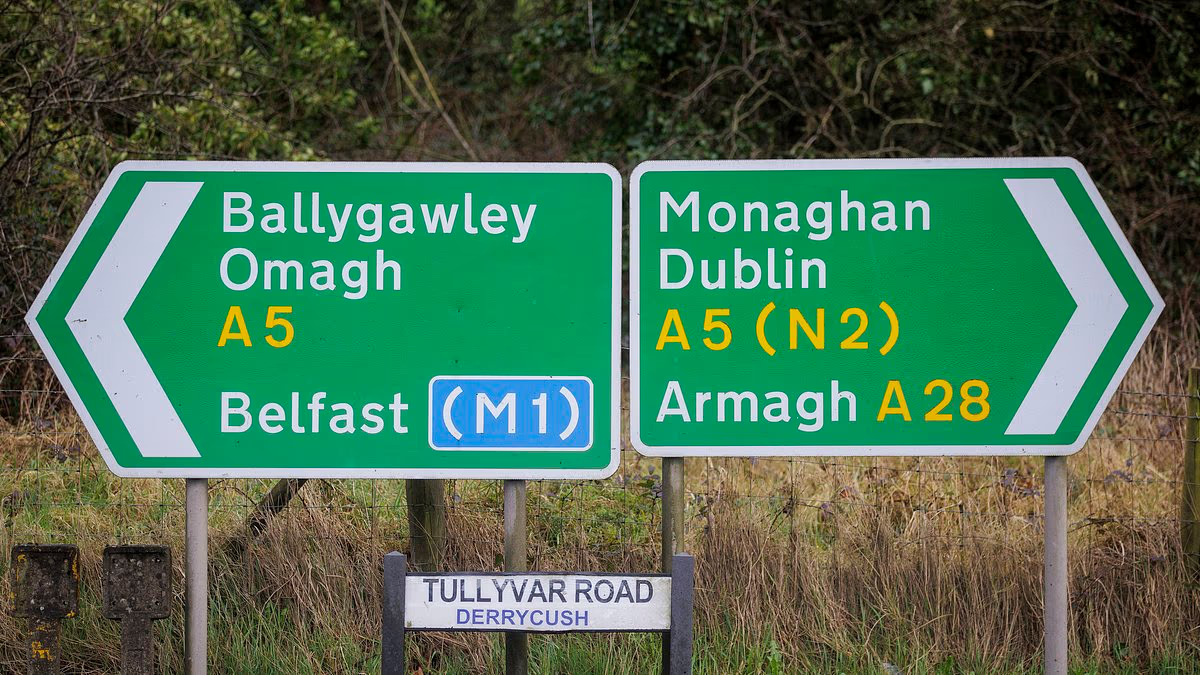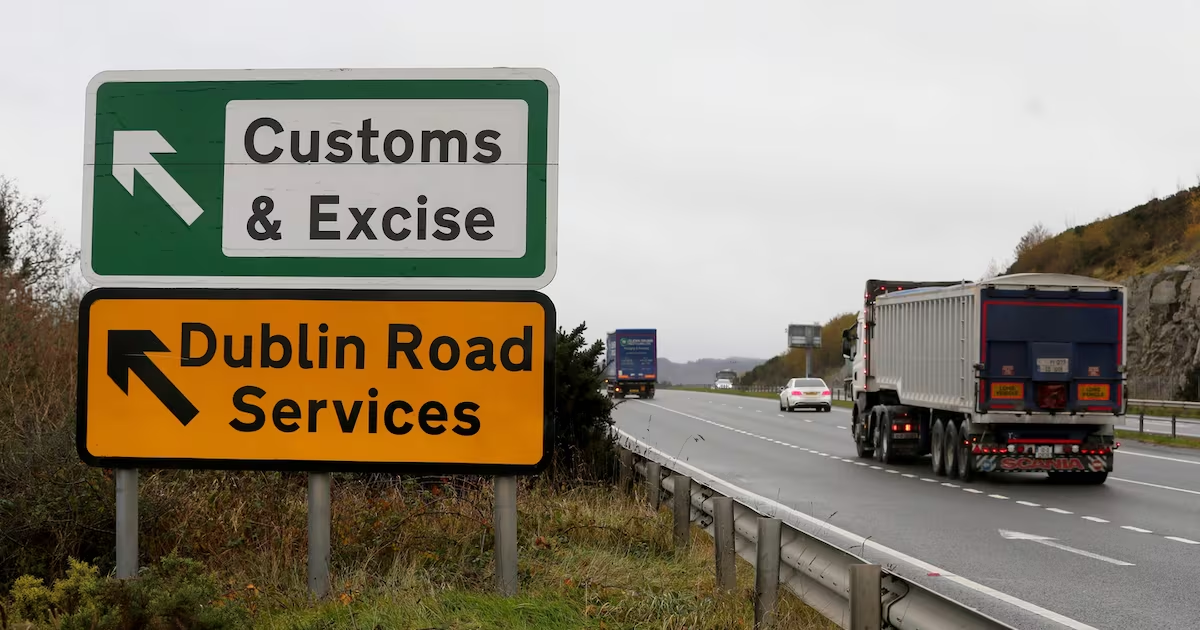
Up to 90 per cent of asylum seekers in the State may have entered via the Border with Northern Ireland in the past three years, figures suggest.Government data shows the Common Travel Area (CTA) is being exploited in both directions but suggests it may be more popular for those seeking asylum in the Republic than in the UK.The UK Home Office revealed overnight that in the past year it had apprehended more than 900 “immigration offenders” abusing the open Border.Data from the Department of Foreign Affairs, however, showed 16,600 people had sought asylum at an airport or port. Significant numbers in that cohort were thought to have travelled from Britain to Ireland via a flight or ferry to Belfast.The Common Travel Area has come under renewed scrutiny this week after a knife attack in Belfast on Monday. The suspect, Hadi Alodid, a 30-year-old Sudanese refugee, has been charged with attempted murder.The attack triggered two nights of violence. It emerged that Alodid had travelled from Sudan to Paris and then Dublin before taking a bus to Belfast where he claimed asylum in 2023. Police reinforcements were sent from Britain to the North on Thursday.Before 2019, the number of people seeking asylum in the State was relatively small, about 5,000, commensurate with the experience of a small country on the farthest outreaches of Europe.That number grew significantly between 2022 and 2024, when it peaked at 18,500. Just 10 per cent of people applied for asylum at an airport or port, while 90 per cent made a first-time application in person at the International Protection Office in Dublin.In 2025 and 2026 to date, the proportion of asylum seekers applying at the office in person were 88 per cent and 90 per cent respectively.[ Belfast unrest likened to the ‘worst of the Troubles’ before quieter Thursday nightOpens in new window ]Without physical checks on Border, neither the UK nor Irish governments can verify the precise numbers of people crossing it illegally, but in 2024 the then justice minister, Helen McEntee, said publicly that 80 per cent were coming over Border.Last year, the Department of Foreign Affairs said: “The department’s assessment, based on the experience of staff and others working in the field, and based on the material gathered at interviews, is that in a significant proportion of cases, those applying for the first time for international protection have entered over the land Border.”The Government said on Thursday it shared the “deep concern” over the violence in Belfast and was working closely with the British government over Common Travel Area abuses.It was also expecting to revive a post-Brexit returns agreement that has so far seen only one asylum seeker returned to the Republic from the UK. The deal agreed in 2020 was delayed after the High Court in Dublin ruled that the UK’s policy on sending asylum seekers to Rwanda meant it was not a legally defined “safe country”.“Arrangements for re-operationalising the agreement, on foot of the redesignation of the UK as a safe third country, will be put in place in consultation with the UK,” the Department of Foreign Affairs said.The Northern Ireland Secretary, Hilary Benn, spoke to Minister for Justice Jim O’Callaghan on Wednesday and McEntee, the Minister for Foreign Affairs, on Tuesday. The Ministers were also in touch with their Stormont counterparts to ensure all sides continued to co-ordinate a response.A call between Benn, O’Callaghan and Northern Ireland Minister for Justice Naomi Long discussed “the importance of cross-Border co-operation in protecting the CTA for both Ireland and the UK”.Northern Ireland Deputy First Minister Emma Little-Pengelly said there were “questions to be asked” about immigration policy across the two islands and about the checks taking place in Dublin.Critics have called the Common Travel Area a “back door to Britain”, and the DUP leader Gavin Robinson has called for the Border to be closed.[ Senior Government figures defend Common Travel Area following Belfast knife attackOpens in new window ]Katy Hayward, a professor of political sociology at Queen’s University Belfast, said any issue relating to borders and border controls were bound to be contentious in Northern Ireland. But, she added: “It has taken on a particular and dangerous intensity post-Brexit. Unionist political leaders face the challenge of wanting to show empathy with that furious sentiment at the same time as working with and in the institutions that have to try to manage it.” Taoiseach Micheál Martin said on Thursday the Common Travel Area was positive for Irish and British people but that it constantly needed to be managed as people would “endeavour to abuse it”. – Guardian
Up to 90% of asylum seekers may have crossed Border from North, data shows
UK Home Office reveals it apprehended more than 900 ‘immigration offenders’ abusing the open Border in the past year
762 words~3 min read