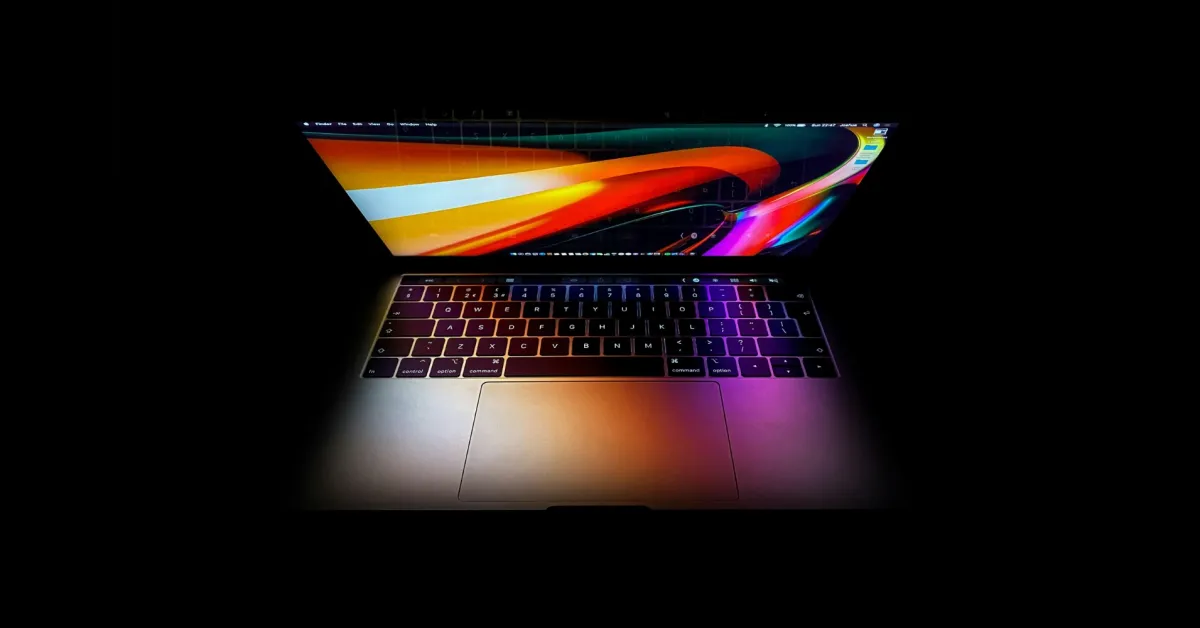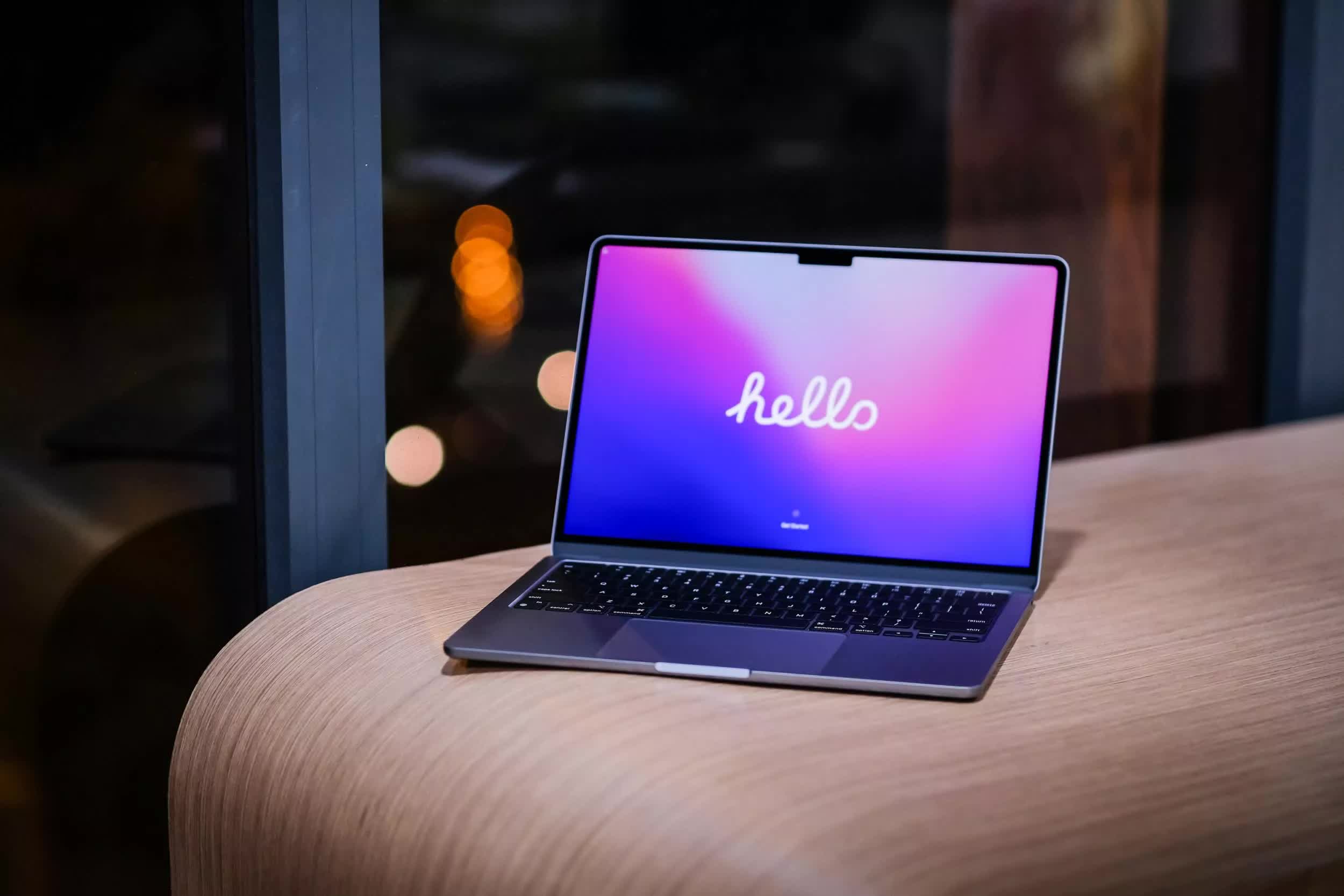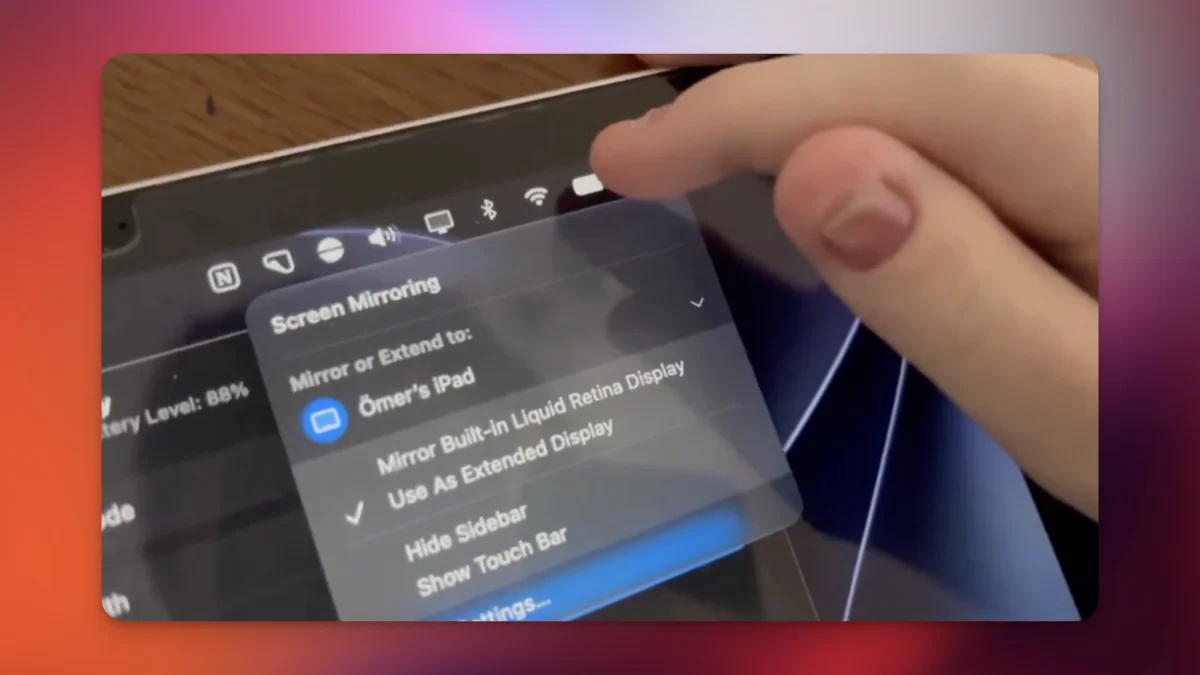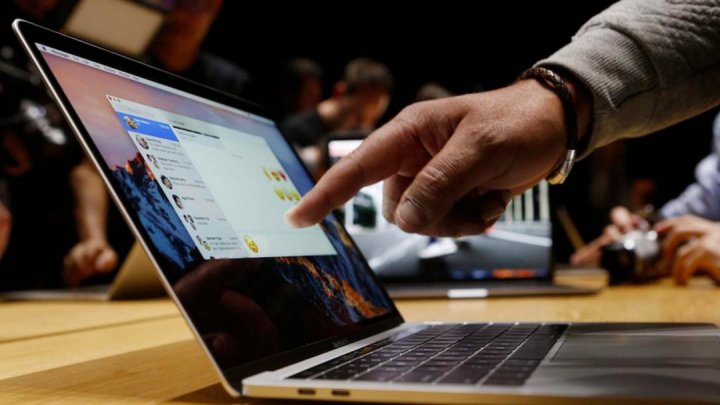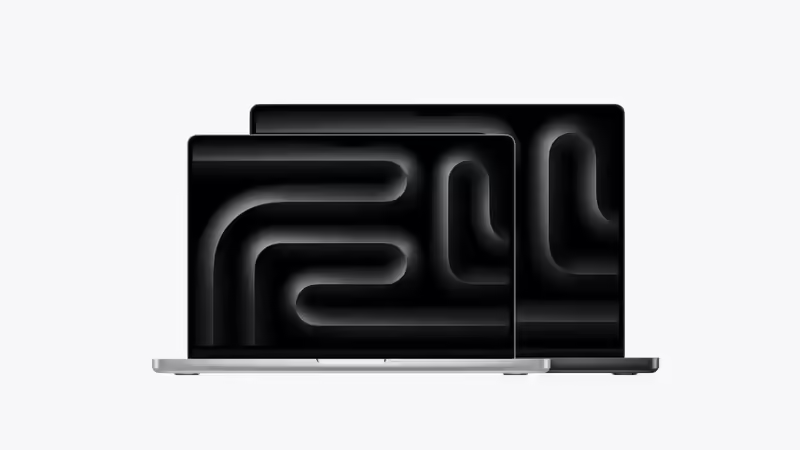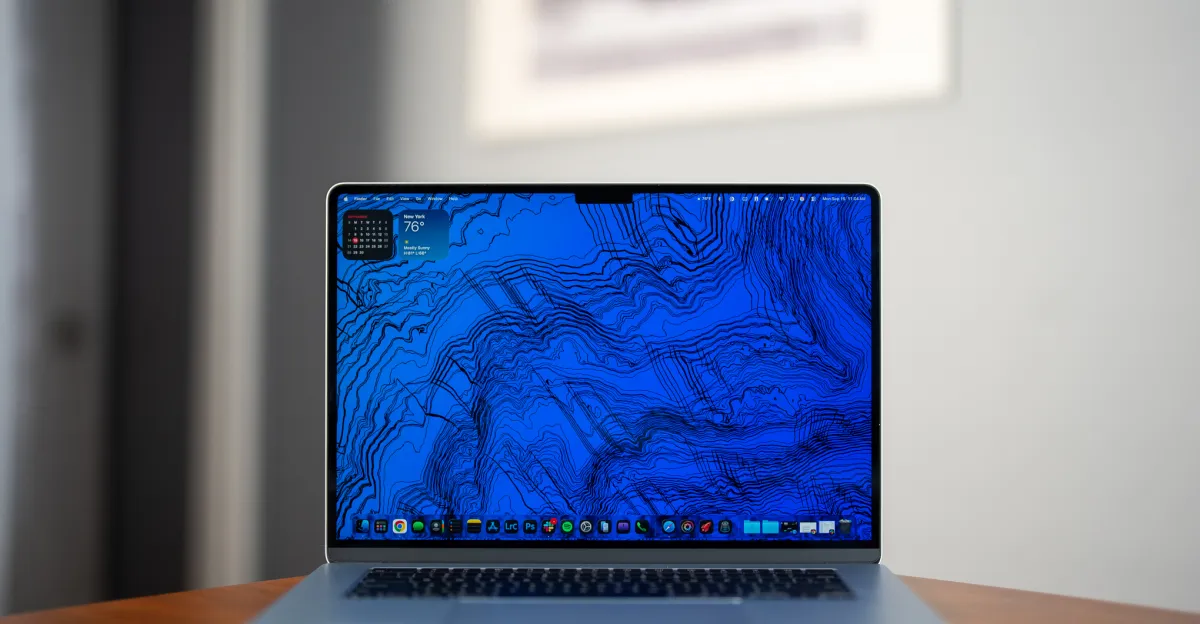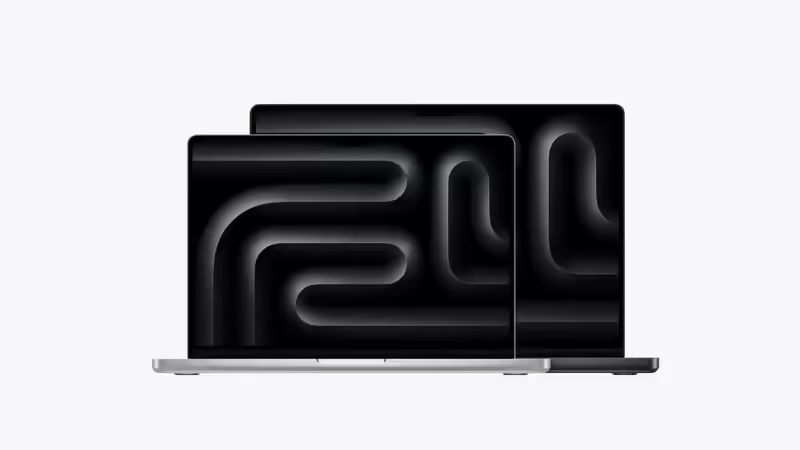
Photo credit: apple.comApple’s long-rumored touchscreen MacBook may finally be on the horizon. According to multiple recent reports and a fresh claim from supply-chain leaker Instant Digital, a touch-enabled MacBook is now “100% confirmed,” adding significant weight to speculation that Apple is preparing its first-ever touchscreen laptop. Industry analysts including Ming-Chi Kuo and Bloomberg’s Mark Gurman have previously indicated that Apple is developing an OLED-equipped MacBook with touch functionality, potentially arriving in late 2026 or early 2027. Reports suggest Samsung Display is preparing OLED panels for the upcoming device, while macOS Golden Gate contains several signs of future touch support.The new model could debut as either a touchscreen MacBook Pro or a premium “MacBook Ultra,” with expected screen sizes around 14-inch and 16-inch variants. Pricing is likely to start above current MacBook Pro models, potentially beginning around $1,999 (roughly Rs 1.7 lakh) and extending beyond $3,000 for high-end configurations.Key takeawaysA supply-chain leaker claims Apple’s touchscreen MacBook is “100% confirmed.”The device is expected to feature an OLED display.Launch is tipped for late 2026 or early 2027.macOS Golden Gate reportedly contains hints of touch support.Samsung Display is believed to be preparing touch-enabled OLED panels.Apple may position the device as a MacBook Pro or a new MacBook Ultra.The touchscreen Mac could further blur the line between Mac and iPad.Touchscreen macBook rumours gain fresh momentumThe latest wave of reports suggests Apple is closer than ever to launching a touchscreen MacBook. Chinese leaker Instant Digital recently stated that a touch-enabled MacBook screen is “100% confirmed,” a claim that aligns with earlier reports from respected analysts and supply-chain sources. For years, Apple executives publicly argued that touchscreen laptops were not ideal for productivity, preferring the Mac and iPad to remain distinct product categories. However, market demand and advances in display technology appear to be changing that stance. Reports indicate that Apple has been testing OLED touch panels and refining macOS to support touch-based interactions.While Apple has not officially confirmed the project, the growing number of leaks, supply-chain reports and software clues suggest that the company may finally be ready to introduce a touchscreen Mac after more than a decade of speculation.OLED displays could be the real game-changerThe arrival of OLED technology may be the key reason Apple is finally embracing touchscreens on the Mac. OLED panels offer deeper blacks, higher contrast ratios, improved colour accuracy and better power efficiency compared to traditional LCD displays. These advantages can significantly enhance the MacBook experience, especially for creative professionals who rely on accurate visuals for photo editing, video production and graphic design. Reports indicate that Samsung Display could begin supplying touch-enabled OLED panels for upcoming MacBooks, making the transition technically feasible.OLED also allows thinner and lighter designs, which aligns with Apple’s long-term product strategy. By introducing touch and OLED simultaneously, Apple can market the new MacBook as a major leap forward rather than a simple feature addition, helping justify premium pricing while differentiating the device from previous MacBook generations.macOS is quietly evolving for touch interactionRecent versions of macOS appear to include subtle changes that could pave the way for touchscreen support. Reports surrounding macOS Golden Gate suggest Apple has been experimenting with touch-friendly interface elements, gesture support and improved scaling options. While the operating system still prioritises keyboard, mouse and trackpad input, several features indicate preparation for direct screen interaction.FeatureHow It Supports Touch InteractionLarger UI ElementsEasier selection using fingersImproved Gesture RecognitionSupports swipe and multi-touch actionsDynamic Interface ScalingBetter adaptation across screen sizesSidecar Touch EnhancementsTouch-based control between iPad and MacRefined Window ControlsEasier access through direct touchEnhanced Accessibility ToolsImproved support for alternative input methodsTouch-Friendly System AppsPotential optimisation for direct interactionThese developments suggest Apple is carefully laying the software groundwork before introducing touchscreen hardware. Rather than redesigning macOS entirely, the company appears focused on integrating touch as an optional productivity tool that complements existing input methods.Apple pencil support could unlock new possibilitiesOne of the biggest questions surrounding a touchscreen MacBook is whether Apple will also bring Apple Pencil compatibility to the platform. Such support could transform the Mac into a more versatile tool for artists, designers, students and professionals. Apple Pencil integration would enable precise sketching, annotation, document markup and creative workflows without requiring a separate iPad. While no major leak has explicitly confirmed Pencil support, industry observers believe it would be a logical extension of touchscreen functionality.Apple already has extensive experience with stylus technology through the iPad lineup, and combining that expertise with macOS could create new productivity opportunities. If implemented correctly, Pencil support could help differentiate the touchscreen MacBook from Windows competitors while expanding the appeal of the Mac ecosystem for creators seeking a single device for both traditional computing and digital drawing.Will apple finally blur the line between mac and iPad?The touchscreen MacBook inevitably raises questions about the future relationship between the Mac and iPad. Apple has repeatedly insisted that the two product lines serve different purposes, yet recent developments suggest increasing overlap. Features such as Universal Control, Sidecar and shared app frameworks have already brought the platforms closer together. A touchscreen Mac would further narrow the gap, potentially offering users the flexibility of direct touch interaction without sacrificing the desktop-class capabilities of macOS. However, experts do not expect Apple to merge the operating systems completely.Instead, the company is likely to maintain distinct experiences while borrowing the best features from each platform. This strategy would allow Apple to preserve the unique strengths of both devices while giving customers greater flexibility in how they work, create and consume content across the ecosystem.Why a touchscreen macBook could matter for indian usersFor Indian consumers, a touchscreen MacBook could have significant appeal across education, business and creative industries. Students may benefit from note-taking, annotation and interactive learning experiences, while professionals could use touch input for presentations, collaboration and productivity tasks. Content creators, a rapidly growing segment in India, may find value in combining macOS software capabilities with direct touch interaction and potential stylus support.The device could also attract users who currently prefer premium Windows laptops because of their touchscreen functionality. However, pricing will be a crucial factor. If Apple positions the touchscreen MacBook as a premium OLED flagship, it could carry a starting price well above Rs 1.5 lakh, limiting mass-market adoption. Nevertheless, for professionals, developers and creators seeking a high-end productivity machine, a touchscreen MacBook could represent one of Apple’s most significant Mac innovations in years.FAQs1. Has Apple officially confirmed a touchscreen MacBook?No. Apple has not officially announced a touchscreen MacBook. Current reports are based on supply-chain leaks, analyst predictions and software clues.2. When could the touchscreen MacBook launch?Most reports point to a launch window between late 2026 and early 2027.3. Will the touchscreen MacBook feature OLED technology?Multiple reports suggest Apple plans to pair touchscreen functionality with OLED displays.4. Could Apple Pencil work on the touchscreen MacBook?There is no confirmation yet, but many analysts believe Pencil support would be a logical addition.5. Will a touchscreen Mac replace the iPad?Unlikely. Apple is expected to keep the Mac and iPad as separate product categories while allowing greater feature overlap.end of article
Touchscreen macBook ‘100% confirmed’: Apple’s biggest Mac upgrade yet could arrive soon
Apple’s long-rumored touchscreen MacBook may finally be on the horizon. According to multiple recent reports and a fresh claim from supply-chain leaker Instant Digital, a touch-enabled MacBook is now “100% confirmed,” adding significant weight to speculation that Apple is preparing its first-ever touchscreen laptop. Industry analysts including Ming-Chi Kuo and Bloomberg’s Mark Gurman have previously indicated that Apple is developing an OLED-equipped MacBook with touch functionality, potentially arriving in late 2026 or early 2027.
1,165 words~5 min read