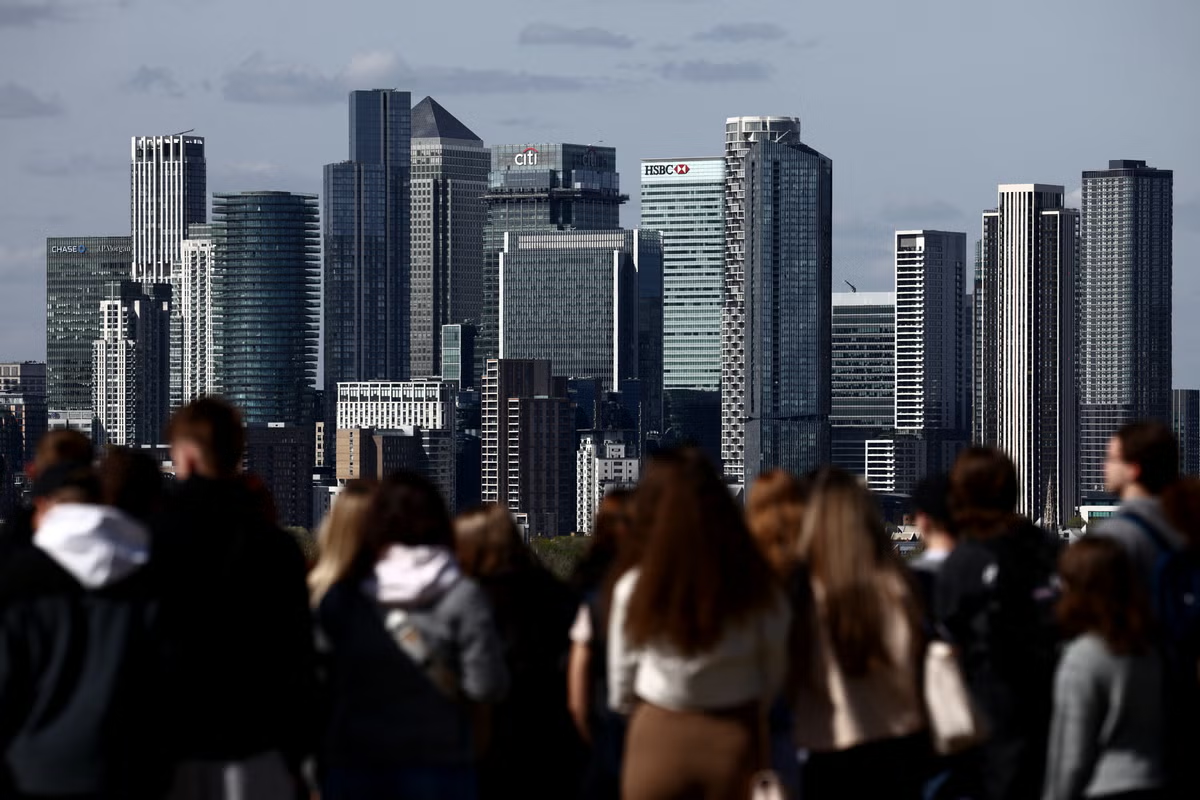
The UK economy shrank by 0.1% in April, snapping a run of positive monthly growth as the energy price fallout from the Iran conflict finally hit the numbers. Official figures from the Office for National Statistics confirm what markets had been bracing for: the war’s disruption to global energy supplies is now showing up in hard economic data.
The contraction follows GDP growth of 0.3% in March and 0.5% in February. Higher energy prices, driven by disrupted flows through the Strait of Hormuz, are the primary culprit.
The energy math isn’t pretty
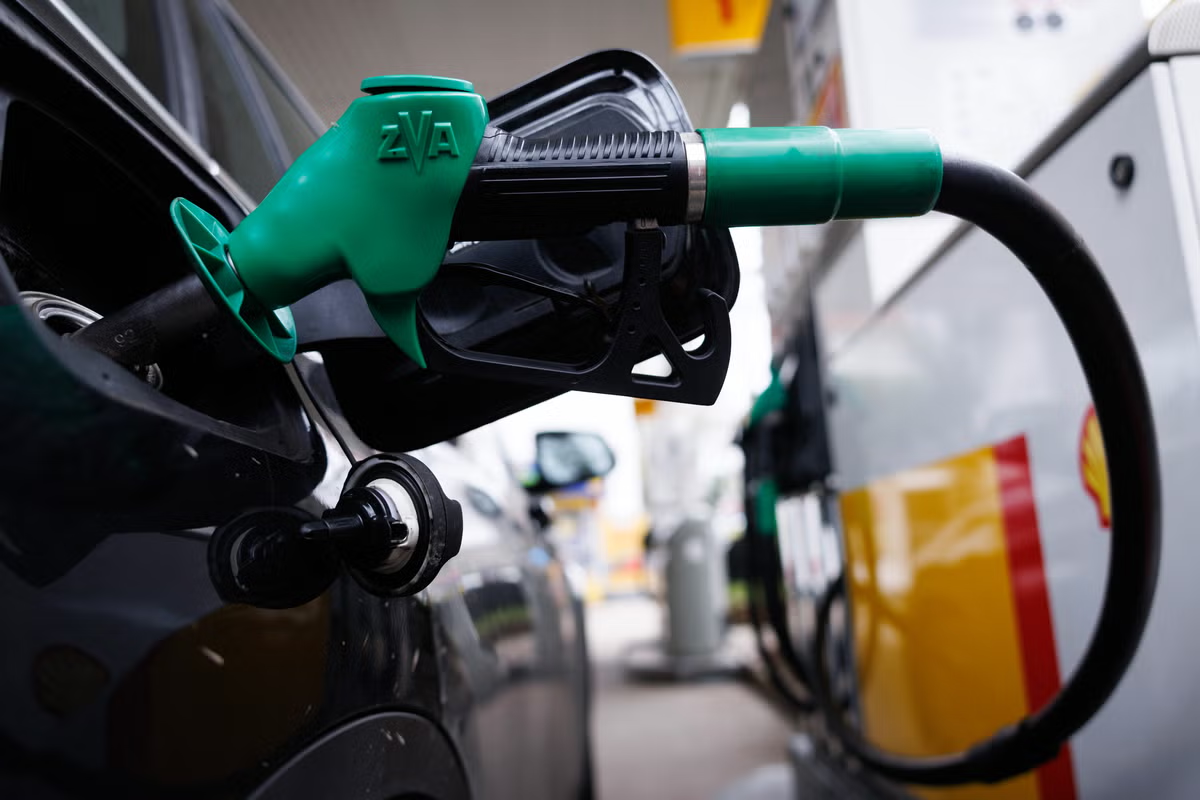
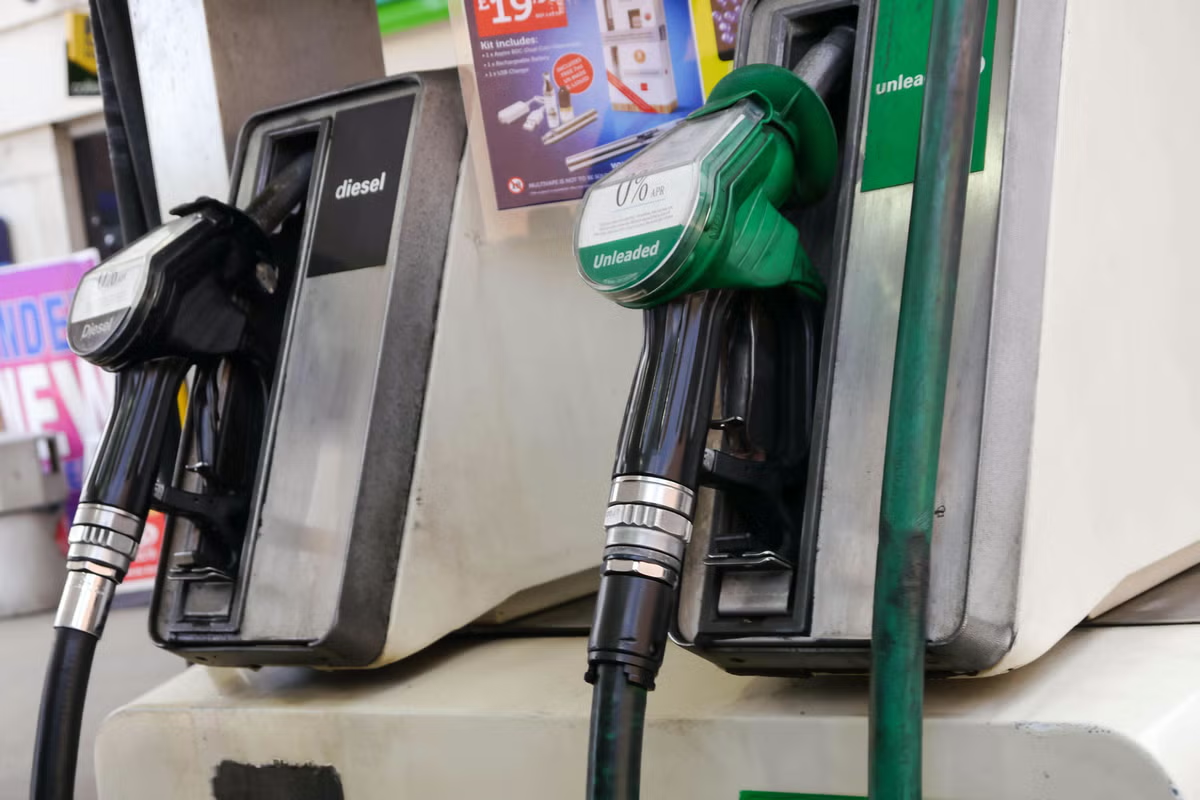
Oil prices surged roughly 55% in the aftermath of the conflict’s escalation, which began in late February. Household energy costs have climbed sharply, squeezing disposable income and dampening consumer spending. The International Monetary Fund responded by slashing its 2026 UK GDP growth forecast from 1.3% to 0.8%, the steepest downgrade among G7 nations.
Inflation expectations are rising in tandem, with some projections suggesting price growth could breach 5%. That creates an uncomfortable dilemma for the Bank of England. Rate cuts that might otherwise cushion an economic slowdown become much harder to justify when inflation is accelerating.