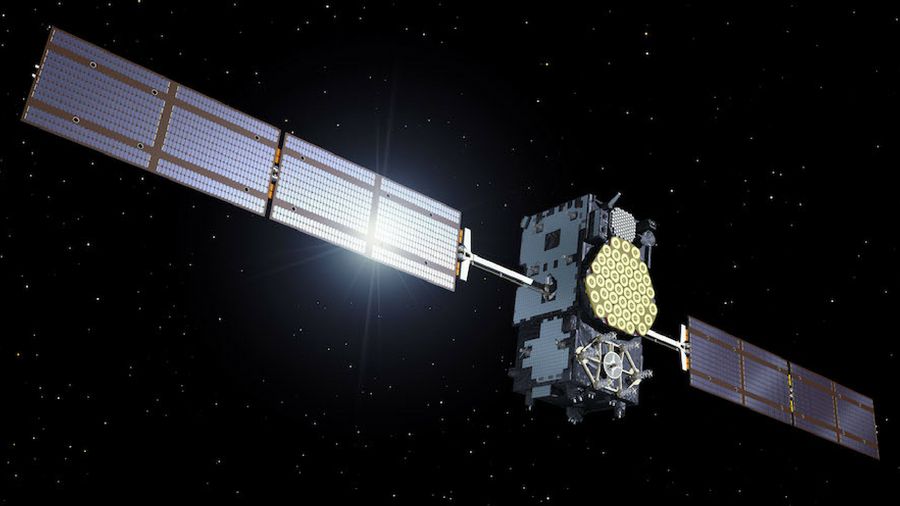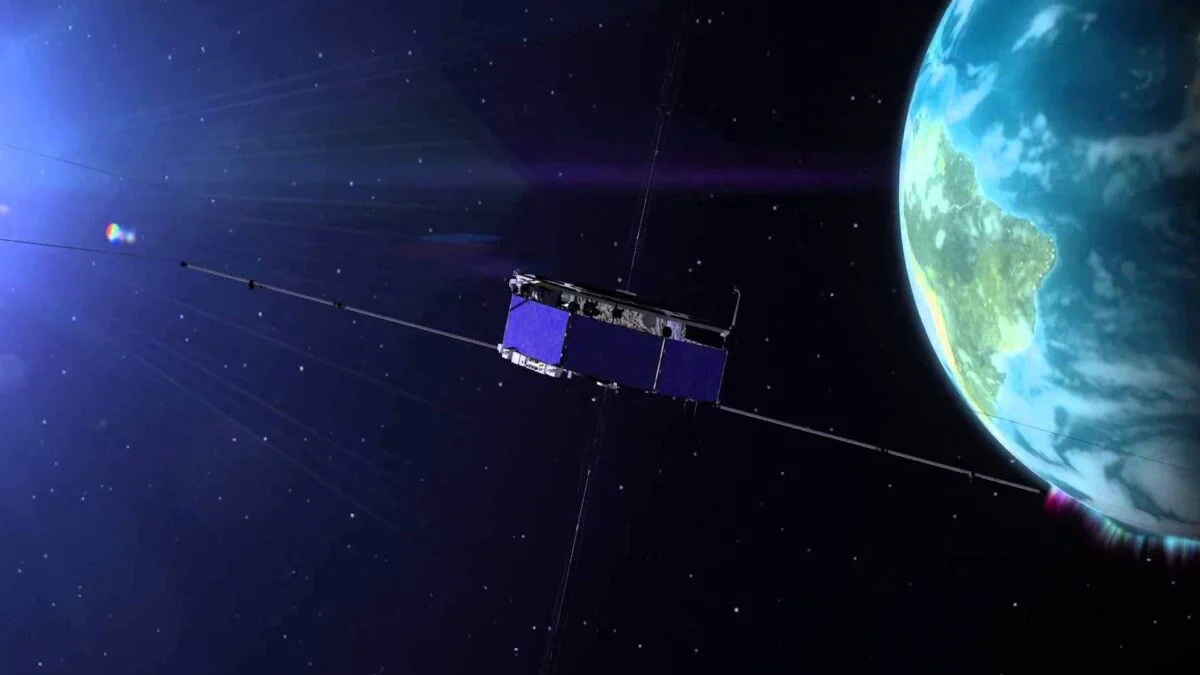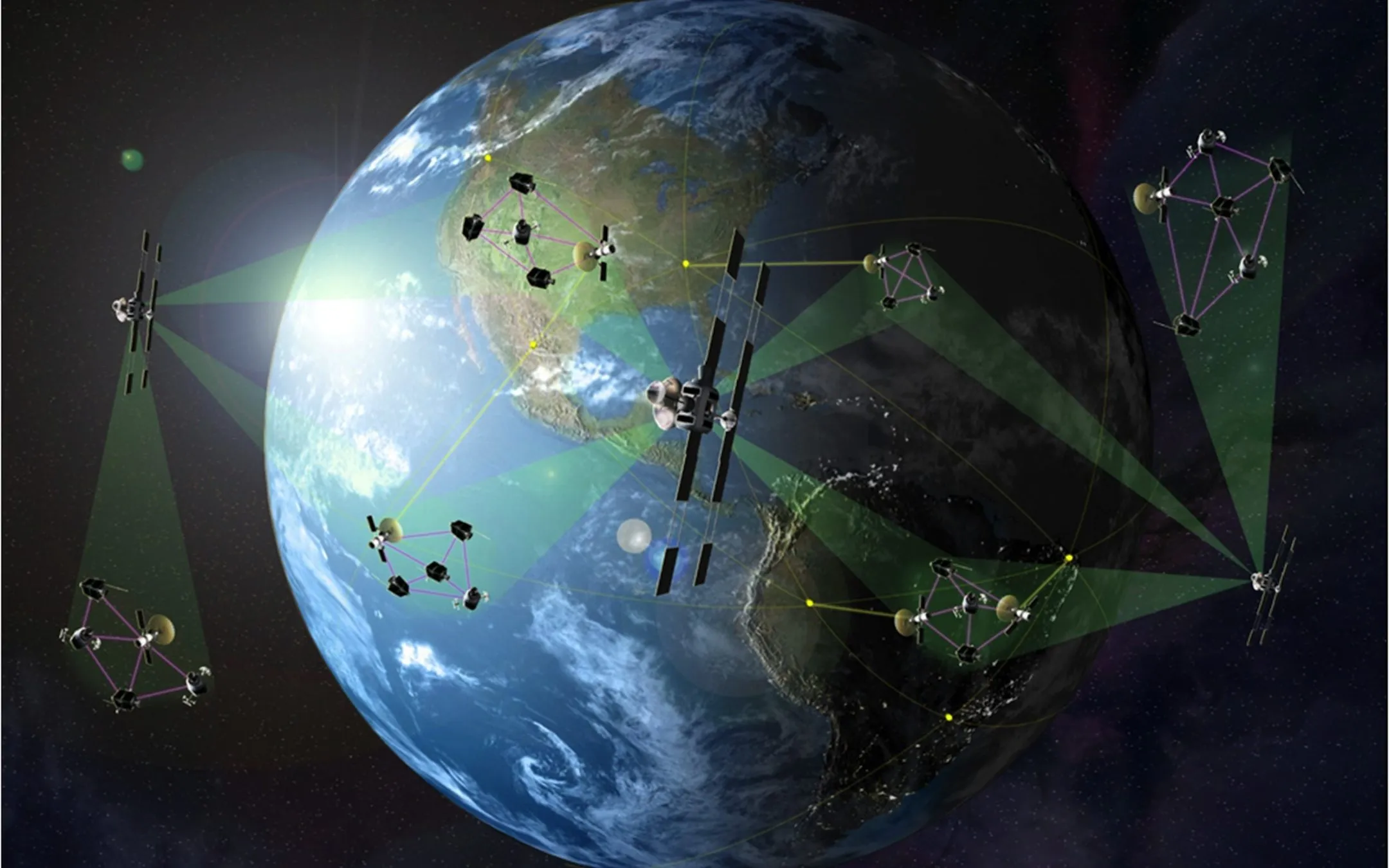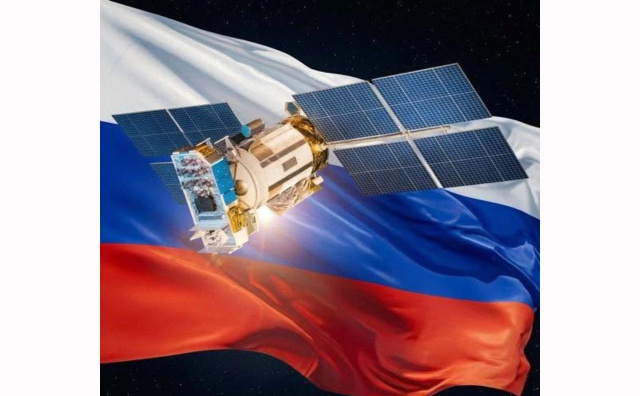
A new scientific study suggests that a series of unexplained GPS disruptions recorded across Europe over several years may be linked to Russian military satellites operating in space. The findings, produced by researchers from the University of Texas at Austin and Stanford University, indicate that the source of the interference may not be ground-based at all, but instead located in orbit.
The analysis focuses on short but intense bursts of radio interference that were detected simultaneously by navigation monitoring stations in multiple countries, including Norway, Spain, Poland, and the Netherlands, with occasional signals also recorded in Greenland and Canada. These disturbances affected the L1 frequency band, which is the primary channel used by the global GPS system and widely relied upon in civilian navigation.
Researchers reviewed data spanning from 2019 to 2026 and identified at least 75 separate days featuring similar interference patterns. The consistency across different locations led them to investigate whether a coordinated orbital source could be responsible.
After cross-referencing orbital trajectories, the team concluded that satellites belonging to Russia’s Unified Space System (EKS), designed for early warning of ballistic missile launches, are the most plausible origin. Particular attention was given to the satellite Cosmos 2546, whose orbital position coincided with one of the most clearly documented interference events earlier this year.