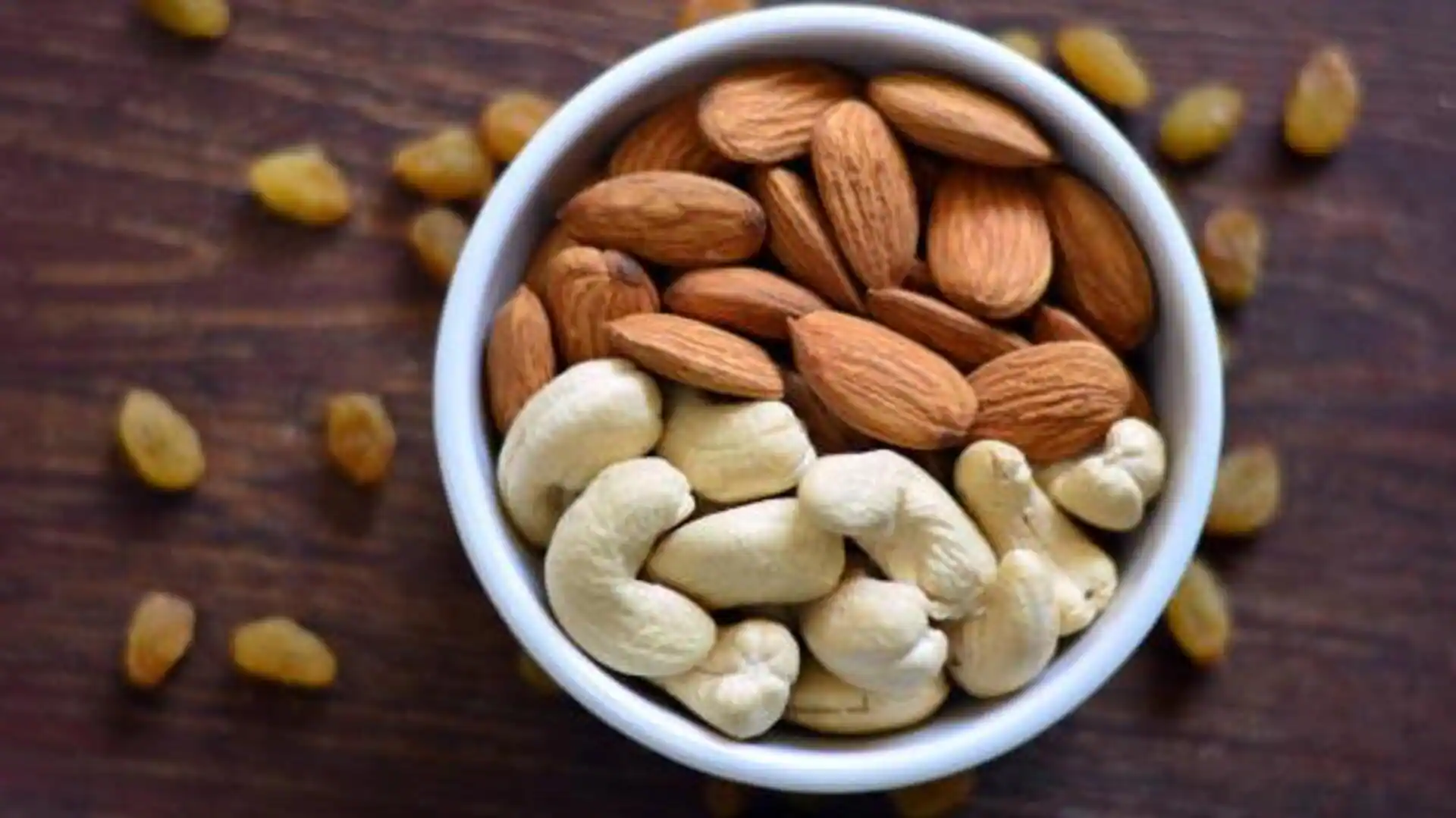
The presence of minerals in oilseeds, such as Brazil nuts (Bertholletia excelsa) and cashews (Anacardium occidentale), does not guarantee that the body will use them. A study conducted at the Diadema campus of the Federal University of São Paulo (UNIFESP) in Brazil and published in the journal Química Nova evaluated the bioavailability of these nutrients. Bioavailability is defined as the fraction of the mineral actually released during simulated gastrointestinal digestion and potentially available for absorption.
"The line of research I've been developing focuses on evaluating the actual nutritional value of the minerals present in the diet. In this context, we study foods of great economic importance in Brazil. Our group not only determines the total quantity [concentration] of elements present in foods, but also uses assays that simulate gastric and intestinal digestion processes on those samples," explains Angerson Nogueira do Nascimento, a chemist, associate professor at UNIFESP and coordinator of the study. It was conducted in partnership with the group led by Professor Dário Santos Junior.
The researchers focused their investigation on two widely consumed oilseeds in Brazil. Their goal was to analyze the behavior of essential minerals during simulated human digestion while taking into account the action of gastric and intestinal juices, as well as the characteristics of the digestive tract.