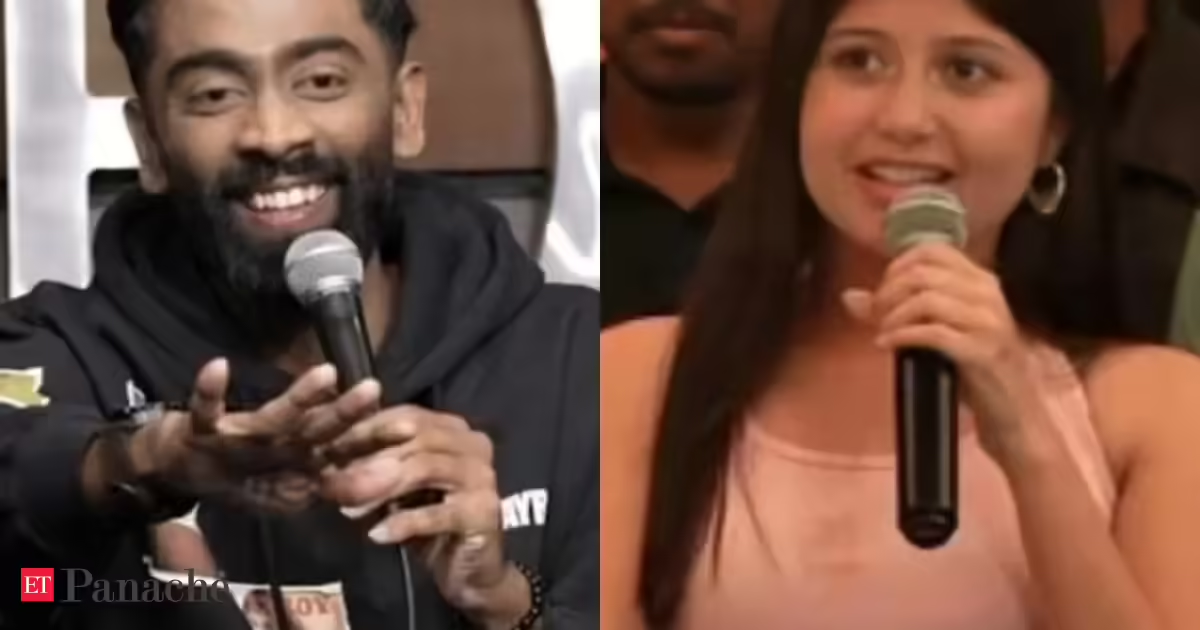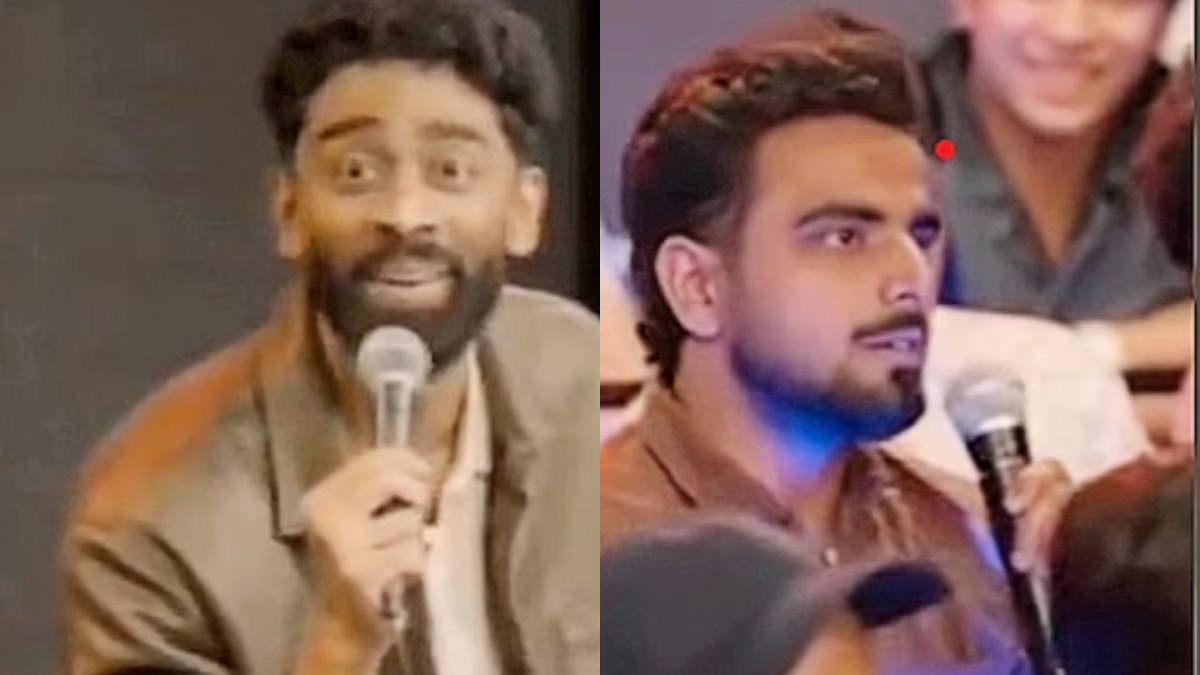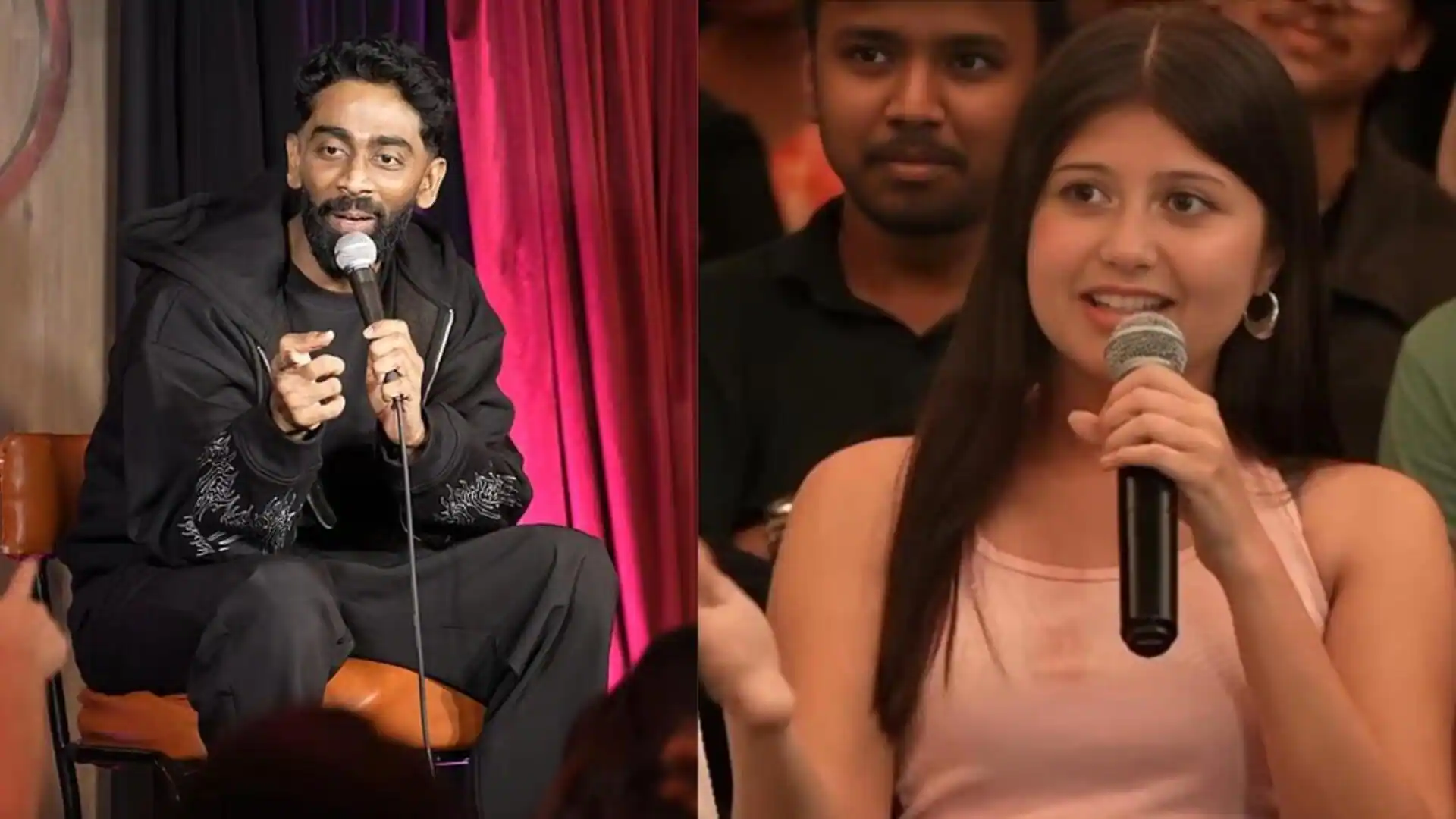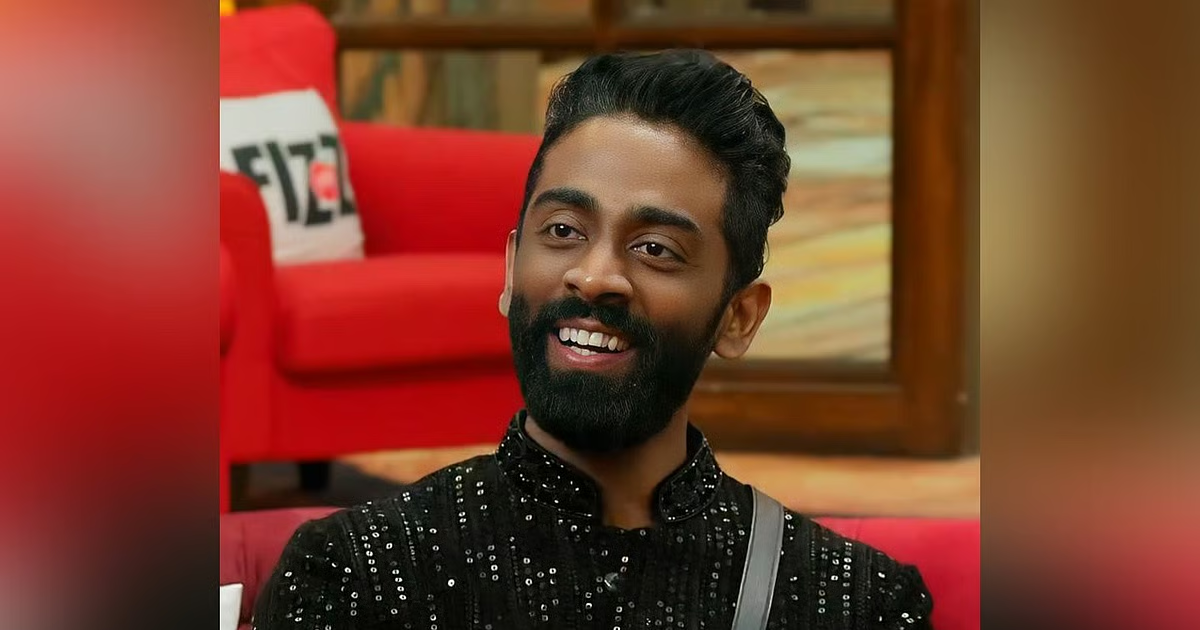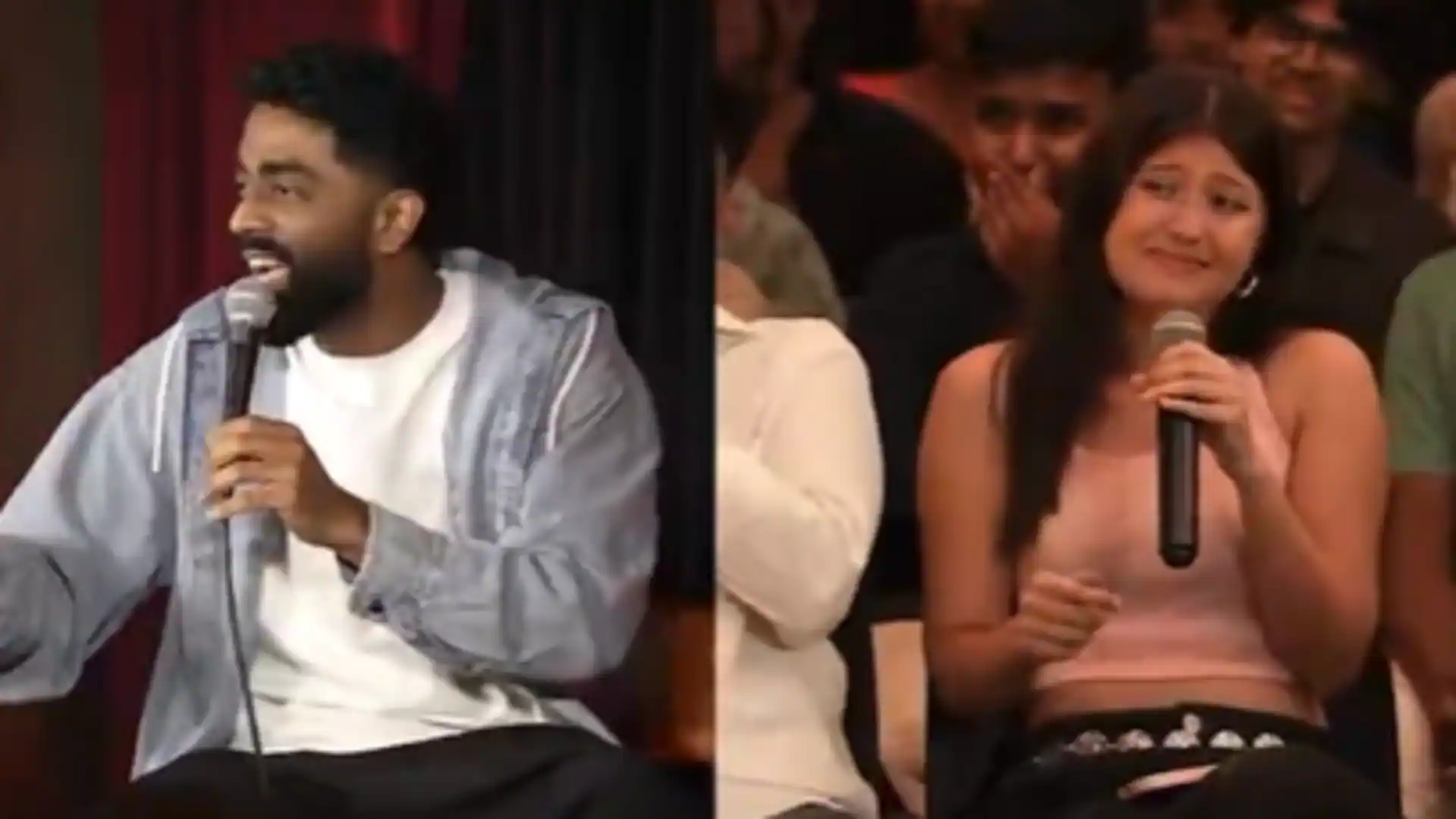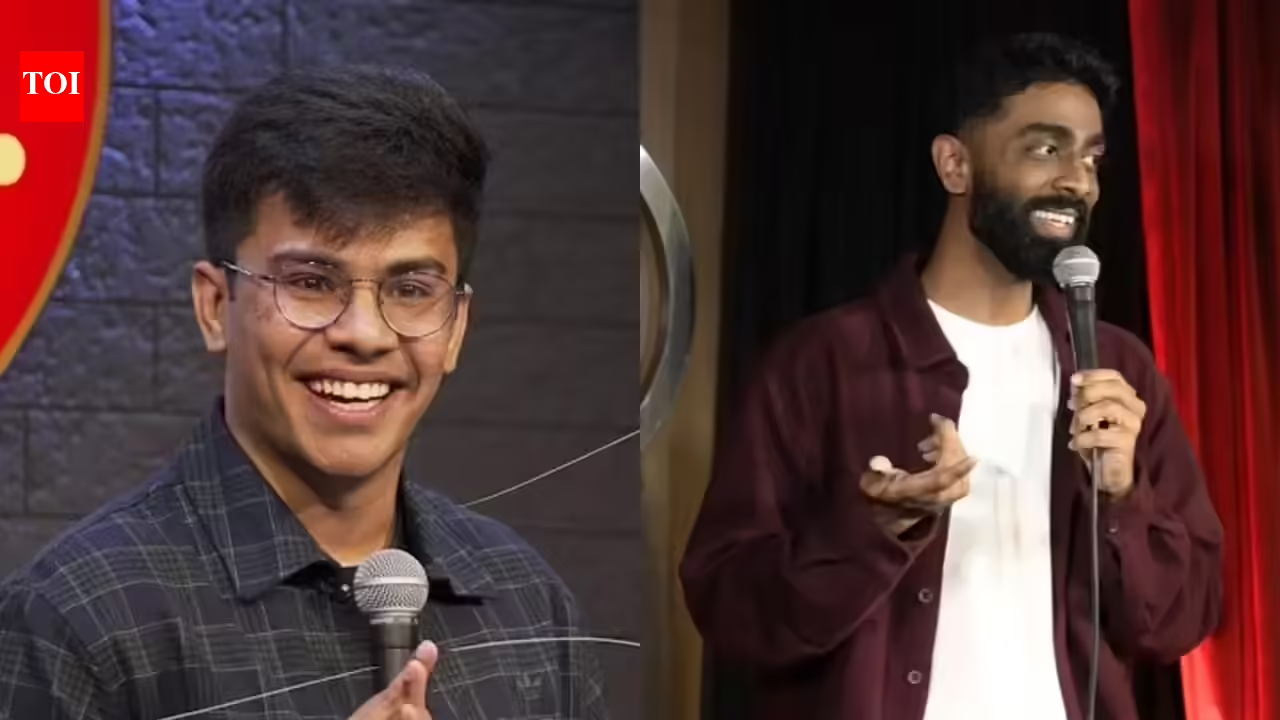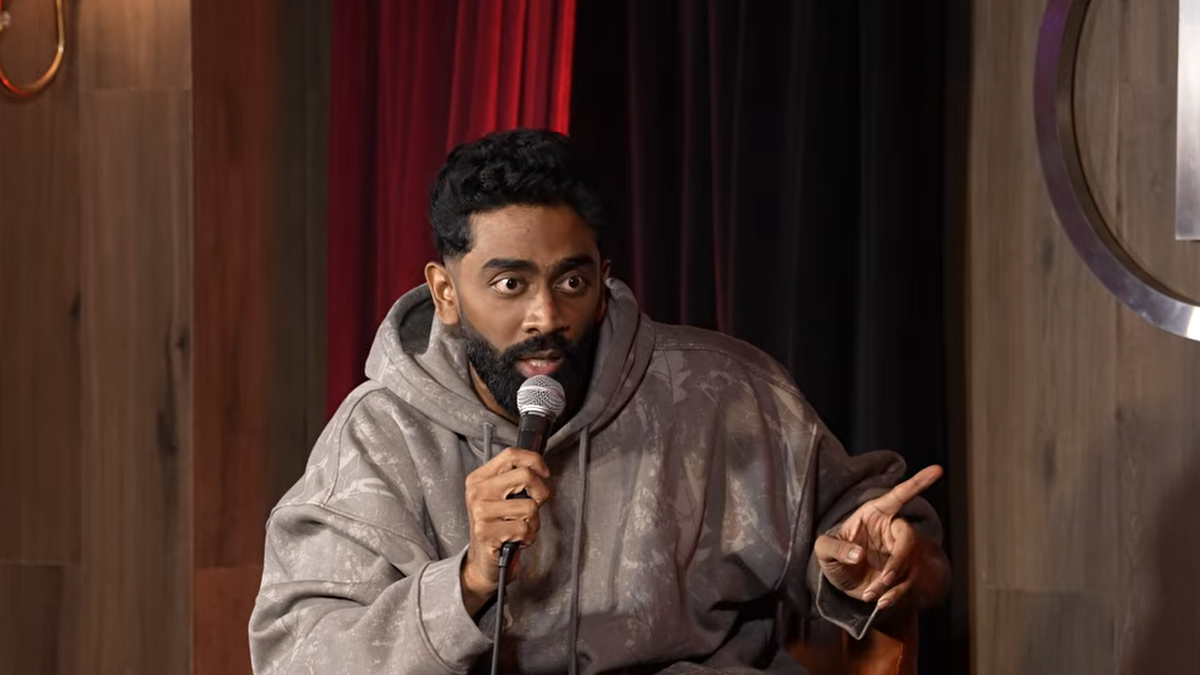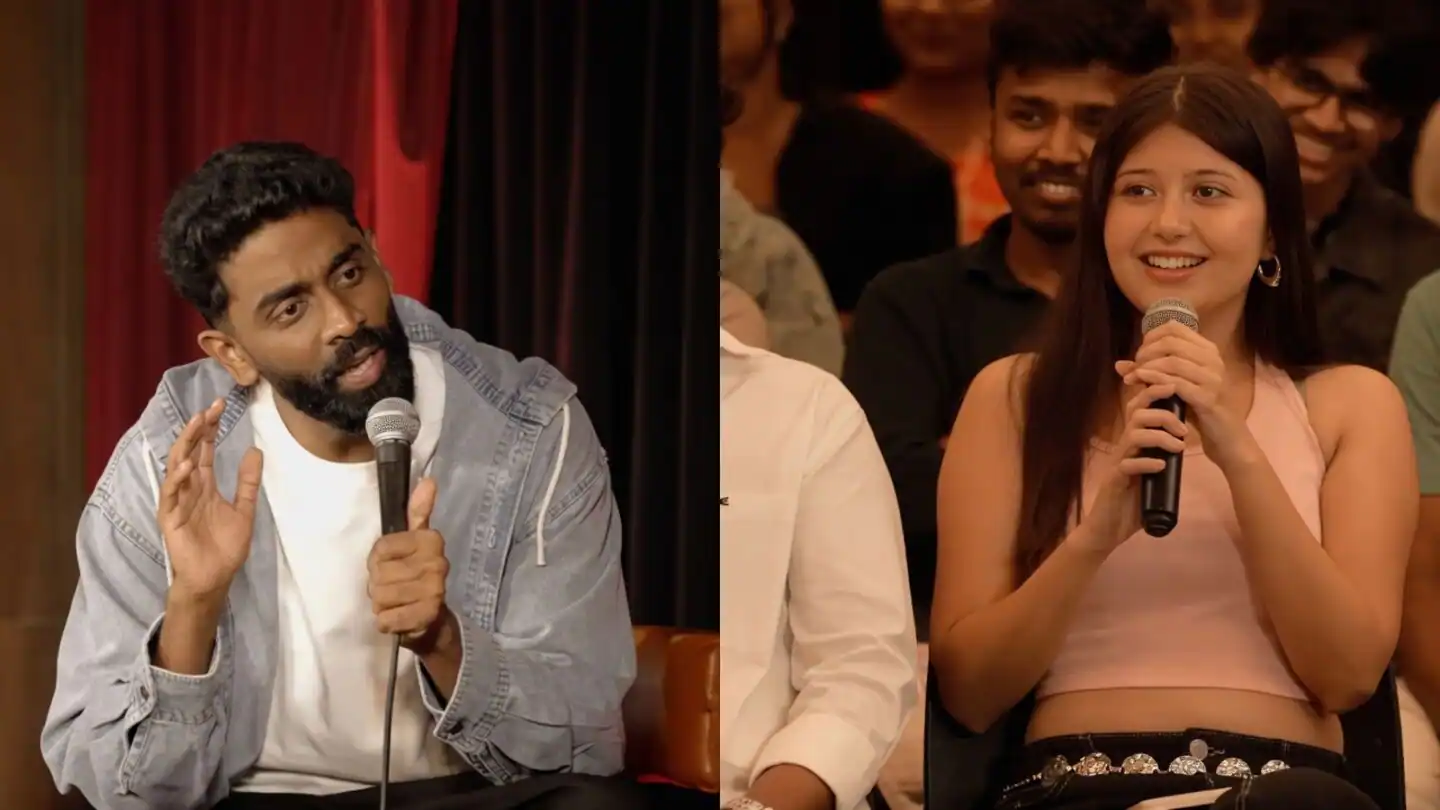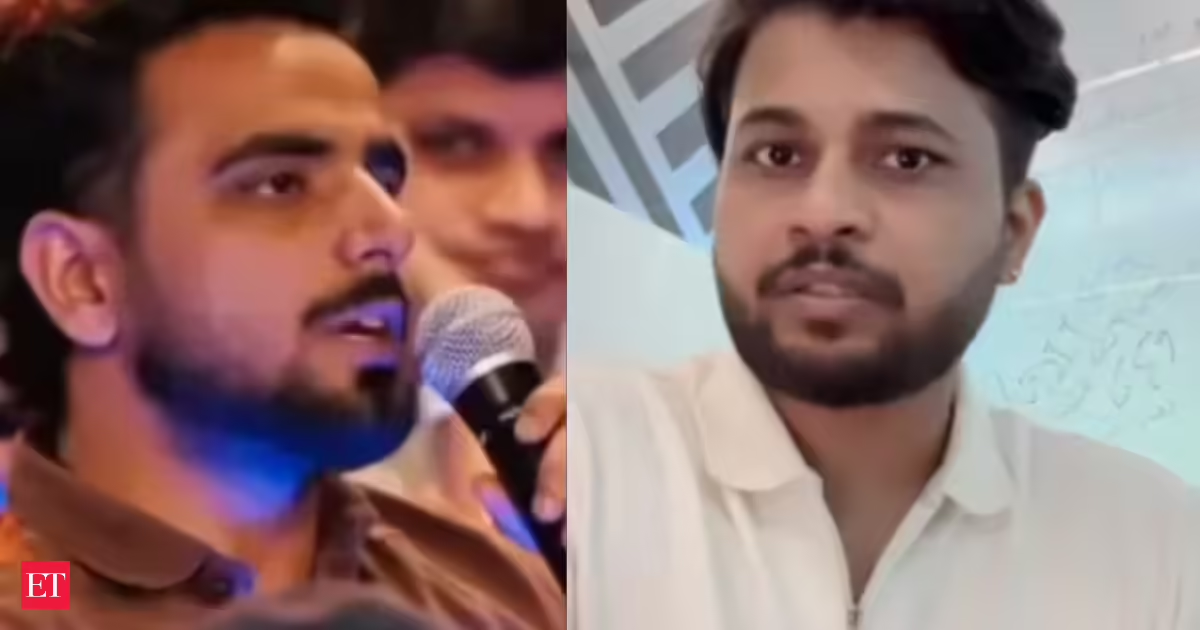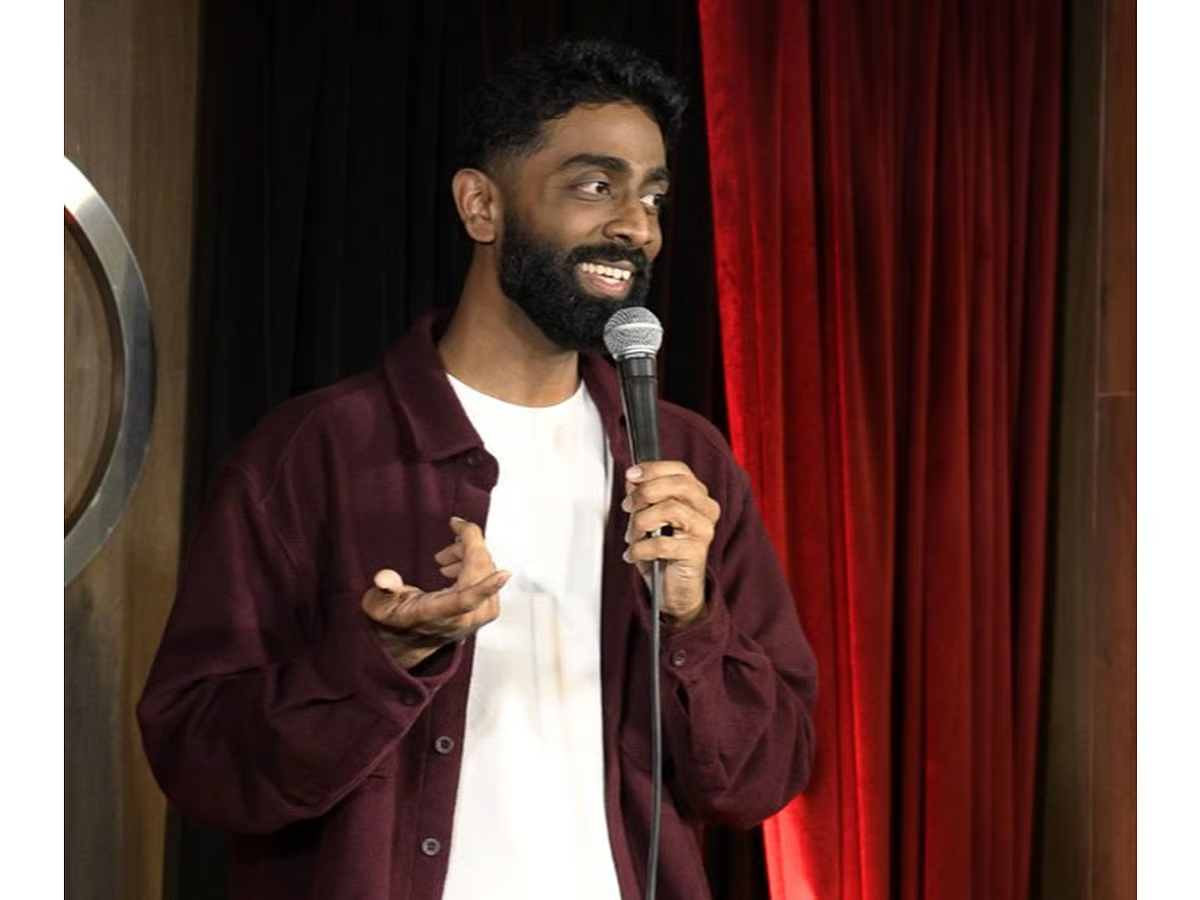
Just days after the viral ₹370 biryani controversy, comedian Pranit More’s crowdwork shows have landed in the spotlight again. The latest row involves Mumbai-based medical student Sejal Pawar, who faced criticism after joking about the genital size of male cadavers during an audience interaction. Amid the backlash, Pawar issued an apology on Instagram, saying she took responsibility for her words. Her account was later made private.The National Commission for Women on Thursday summoned comedian Pranit More and Himanshu Jangra, asking them to appear before the panel on June 22The episode has also sparked comparisons with the fallout from the earlier biryani clip. In that interaction, audience member Himanshu Jangra claimed that after spending ₹370 on biryani during a date, he expected a physical relationship in return. The remarks were widely criticised as misogynistic and sparked a debate around consent. Jangra lost his job, also apologised, while several users pointed out that Pawar appeared to be gaining followers despite the criticism.The backlash soon extended to More himself, with critics arguing that he should have challenged the comments instead of laughing along. The comedian later apologised and has since deactivated his Instagram account.The debate has drawn reactions from across the internet. Influencer Dolly Singh urged comedians to be more accountable both on stage and online, while content creator Kusha Kapila called the viral clip “content designed to get a reaction” rather than comedy. Actor Ranvir Shorey, meanwhile, defended comedians’ right to experiment, arguing that “a society that disrespects comedy loses.”Cadavers are not punchlines: Doctors angry“While the norm in dissection labs is to treat cadavers with the utmost respect, these remarks can be seen as the medical equivalent of ‘locker room talk’ and deserve similar criticism when shared so casually in a public forum for laugh. This is especially concerning because body donation for medical education remains a sensitive and often socially uncomfortable subject. Comments like these can reignite concerns about privacy and dignity, potentially making families less willing to donate bodies for medical training. More broadly, they risk trivialising a profession that continues to depend heavily on public trust and faith in the white coat,”says Dr Saumya Pandey, consultant radiologist, Faridabad.“In India, cadaver dissection is governed by the Human Anatomy Act and NMC guidelines. A body donated to science, or obtained through legal channels, must be treated with the same dignity as a living patient. There is no ethical space for mockery, ridicule or entertainment at the expense of a deceased person. That body was once someone’s father, husband, son or brother. Medical students are taught from day one that the cadaver is their first silent teacher. Many institutions begin dissections with a prayer, hold memorial services for donors and ensure remains are treated with dignity. The dissection hall is not a comedy stage; it is a sacred educational space.Measuring anatomical structures, including genitalia, is a standard scientific practice and part of anatomy education worldwide. Mocking such observations publicly does not make someone bold or progressive; it reflects a lack of sensitivity. Dignity in medicine is not optional—it is foundational. The moment we begin laughing at the dead, we risk losing a part of our humanity towards the living,” says Dr Geeta Jain, Head of Gynaecology and IVF and Co-founder, Maccure Hospital.“Anatomy is the first subject taught to MBBS students, and for many, the dissection hall is their first introduction to the realities of medicine. It is not an easy experience. The smell of preservatives, the environment and the emotional impact of working with a cadaver take time to adjust to. I still remember my first year of medical school nearly 25 years ago, when our teachers first focused on helping us become comfortable in the dissection hall before teaching us anatomy itself.For generations of doctors, cadavers have been our first teachers. They play a crucial role in shaping not only competent clinicians but also ethical and responsible professionals. Respect for the body donor is central to that learning process. Any comment that undermines this principle is unacceptable and goes against the values that medical education seeks to instil,” says Dr Vaishali Sharma, senior gynaecologist and IVF specialist, VS Healthcare."As doctors and surgeons, we use human cadavers and remains for education and research with dignity, respect, and only for the purposes for which consent has been given. If a body is donated for anatomical education, it must be used solely for that purpose. The recent controversy has raised concerns about the sanctity of human life, human remains, and the dignity of the human body. It is important that we approach the matter with maturity and respect and allow it to rest.At the same time, the medical and scientific community must remain extremely vigilant in how we handle human bodies and body parts, especially those entrusted to us for education and research. Upholding the highest standards of care, ethics, and respect is essential," says Dr. (Major) Rajesh Bhardwaj, Consultant - Med First ENT Center.
One stage, two controversies, one big question
Who gets cancelled, who gets a pass? In less than a week, two viral crowdwork clips have sparked a wider debate
821 words~4 min read