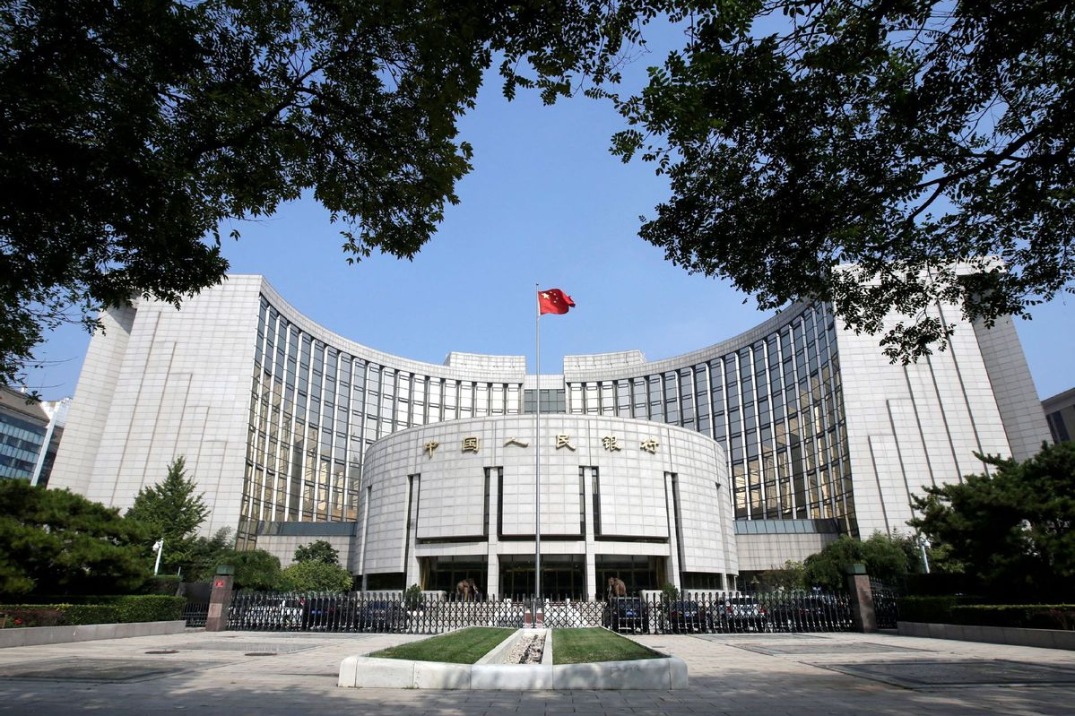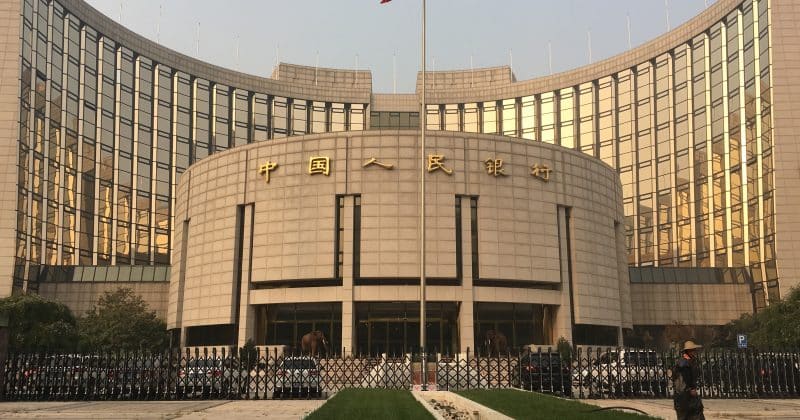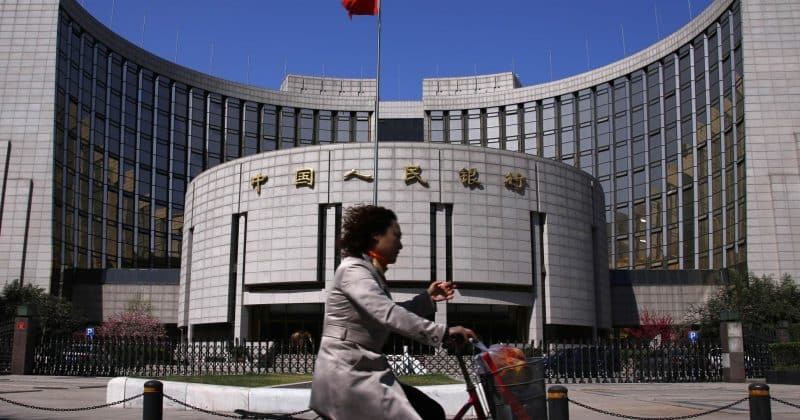
China has ordered its major state-owned banks to limit how much they lend in the interbank market, a move that amounts to Beijing tightening the spigot on one of the most critical plumbing systems in the world’s second-largest economy.
The directive, reported by Bloomberg, represents the kind of behind-the-scenes administrative steering that Chinese regulators have long favored over splashy public announcements.
What interbank lending actually does
Interbank lending is the mechanism through which banks lend money to each other, usually on very short time horizons. It keeps the financial system liquid, ensures smaller banks can meet their obligations, and generally functions as the circulatory system of China’s banking sector.
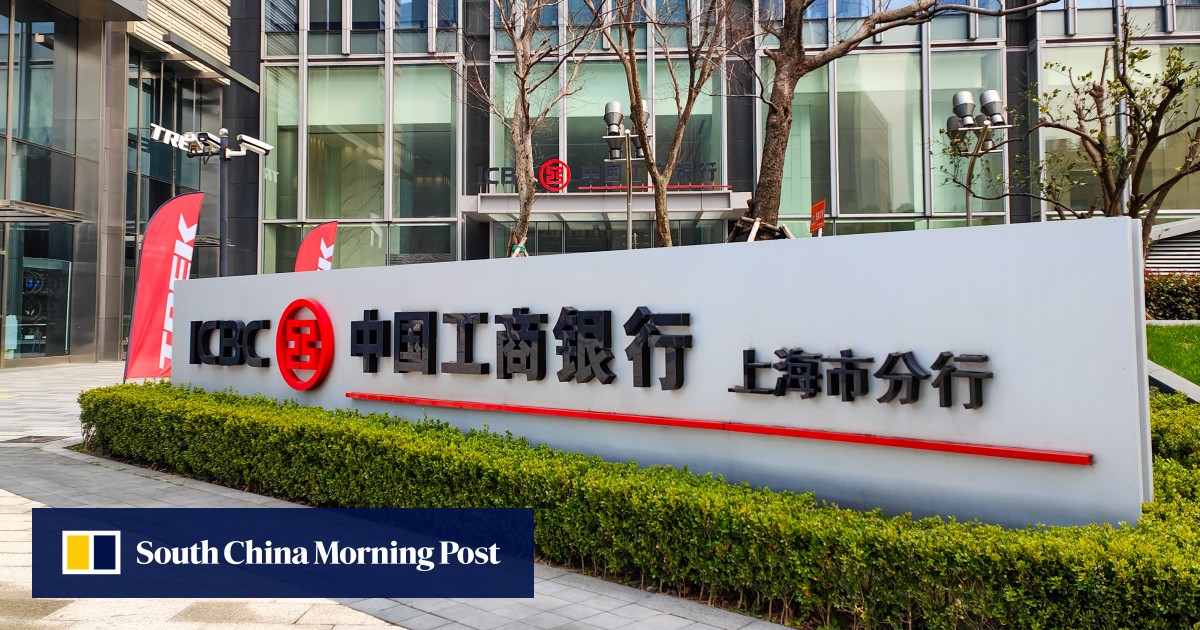
China’s biggest state-owned banks, including the Industrial and Commercial Bank of China, China Construction Bank, and Bank of China, are the dominant suppliers of liquidity in this market. When they step back, smaller banks and non-bank financial institutions feel it immediately.