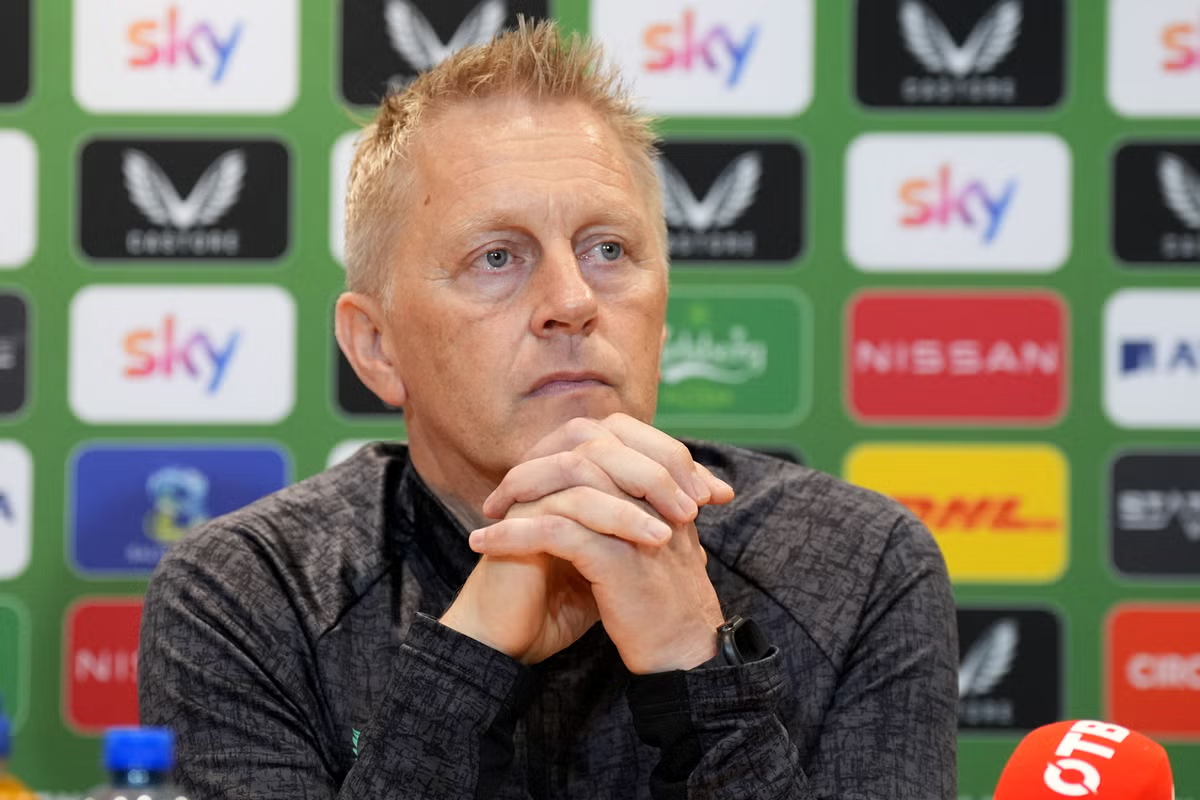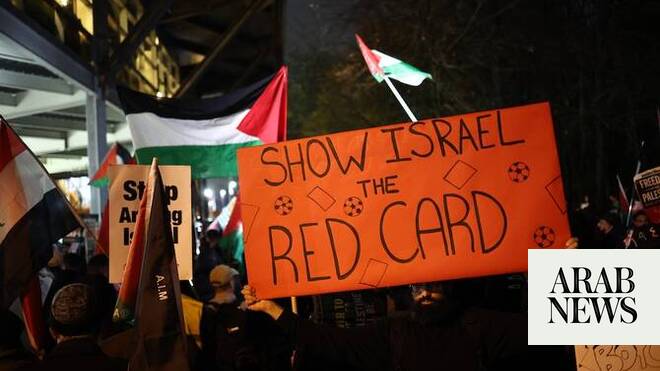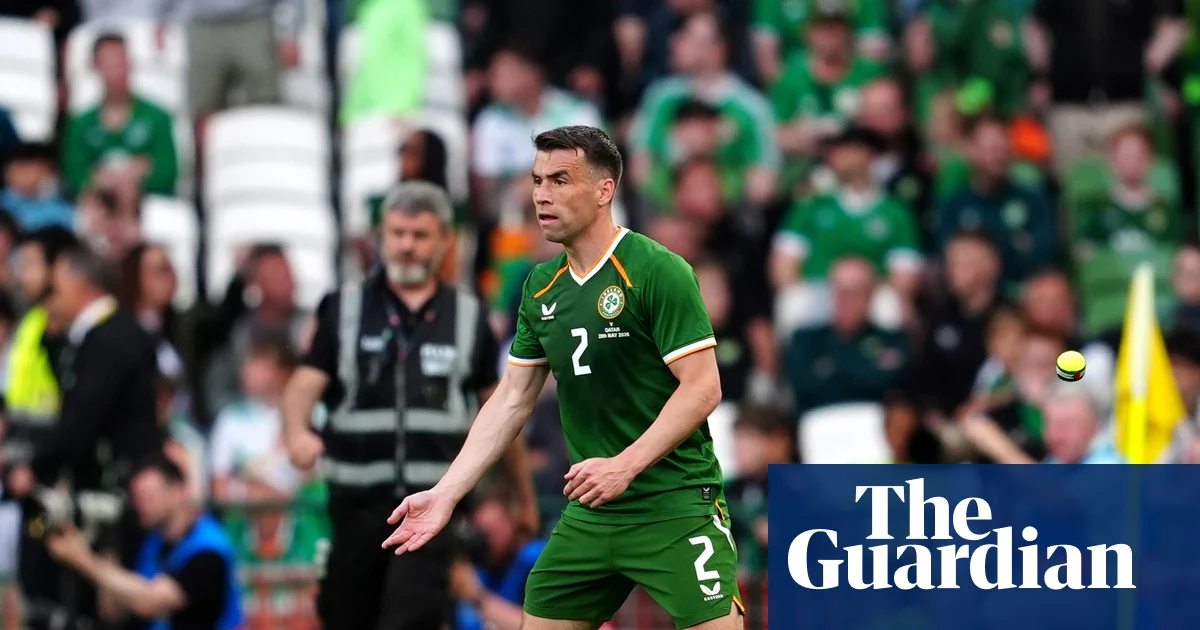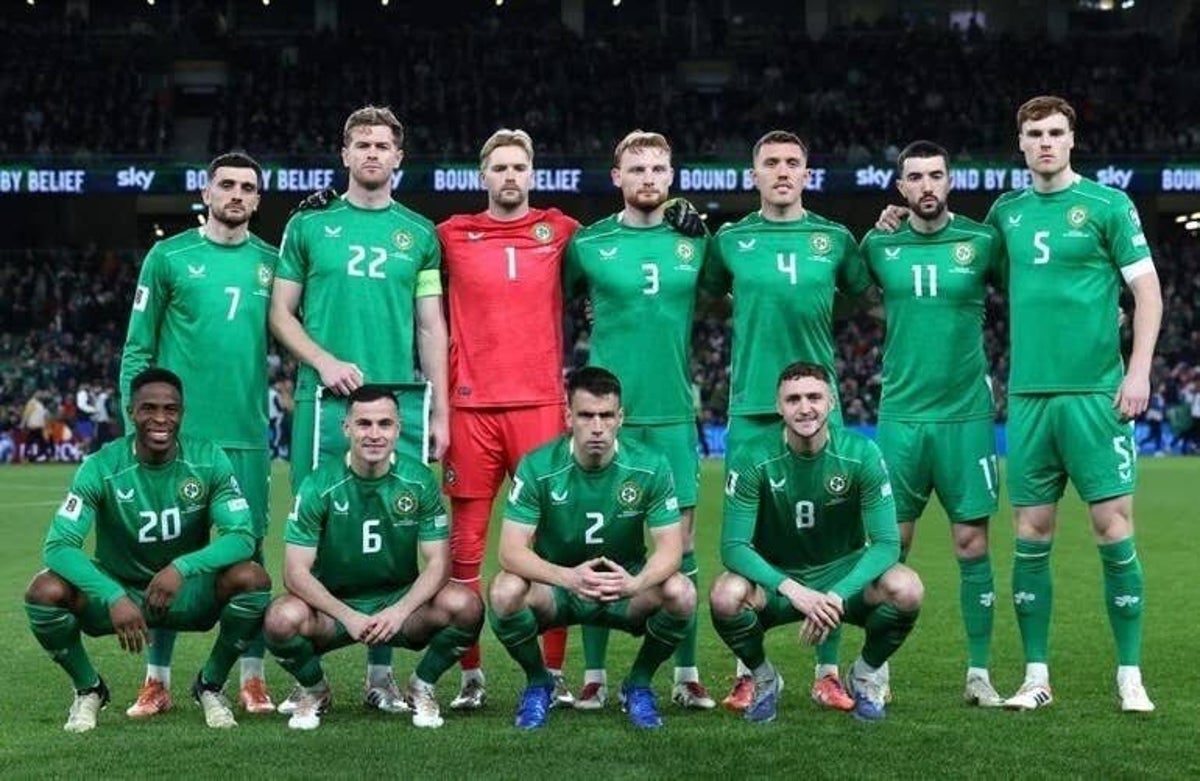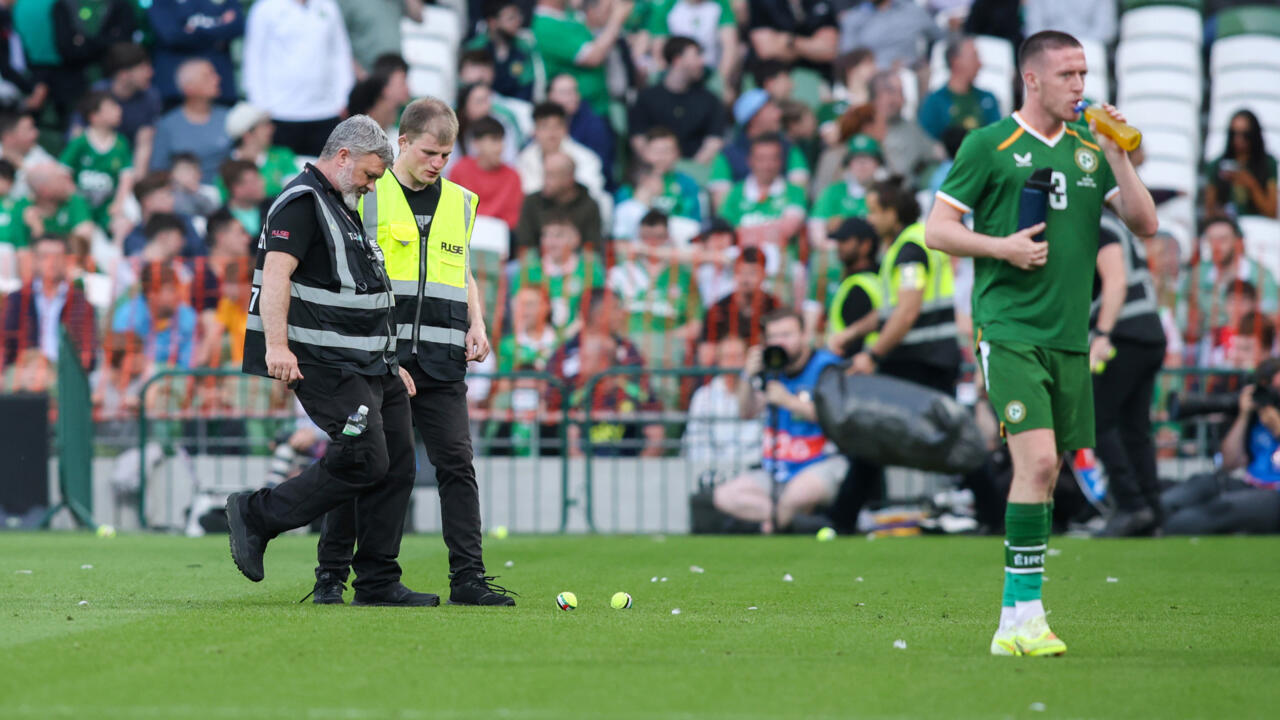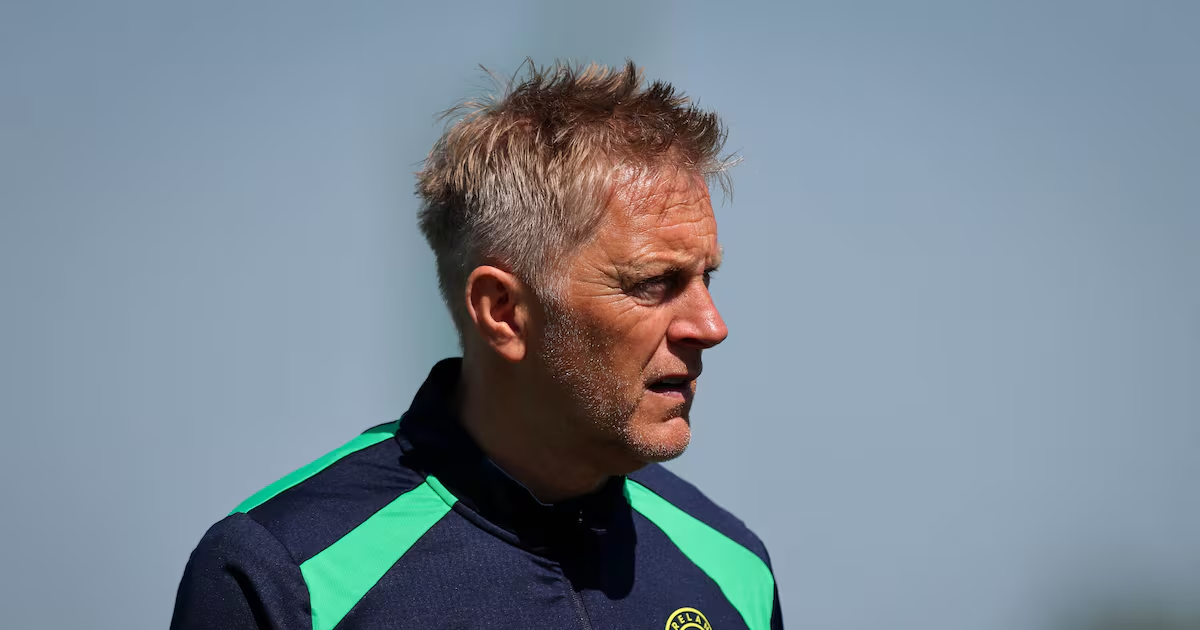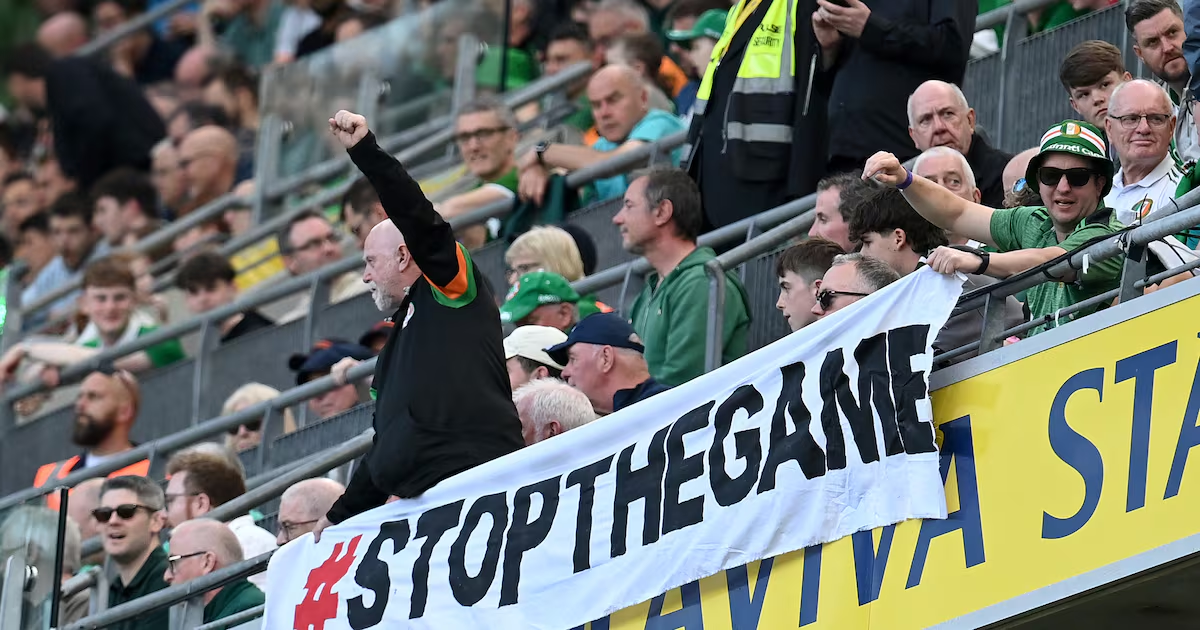
It is hardly surprising that most international soccer team managers get irked or discomfited when politics enters the press conference room. Acknowledging the gravity and controversies associated with war and the breaking of international law while declaring helplessness is unlikely to satisfy many. Heimir Hallgrímsson, manager of the Republic of Ireland soccer team, has offered a variety of responses to the dilemma of playing Israel in the Nations League: “We are obviously focusing on the football side of things . . . it’s unfair for the players to be in this position and us to be in this position . . . We will respect the decision taken by the higher footballing authorities . . . I think the best answer for us is just to win this game . . . My opinion basically has no value in this.”Oh for the days of a decade ago, he must be thinking, when he co-managed Iceland at Euro 2016 and they reached the quarter-finals by beating England, against all odds. Hallgrímsson embraced the resultant, raucous joy; the sound, wrote renowned football writer Amy Lawrence, “of a small nation spreading its wings”.But must a small nation in competition only spread its sporting wings? The notion that sport and politics do not mix is risible; boycotts, sportswashing, money, power, and both national and international politics have always run through all sports. It is no easy task to persuade people to take a stand at the expense of their spectating pleasure. In Ireland, high-profile disputes about the Springboks, the all-white South African rugby team, increased the profile of the apartheid question in 1965 and 1970, though not all were engaged. In 1970, journalist Bernard Share recalled that after protesting the Springboks’ presence in Ireland, he went to a pub where “an entire lounge bar [was] glued to the television commentary”. Nonetheless, in the region of 8,000 protested, led by Kader Asmal of the Irish Anti-Apartheid Movement. In 1979, the Irish government drew up an order denying the South African Barbarians rugby team entry to Ireland owing to the apartheid regime, with the Department of Foreign Affairs maintaining this was about “our fundamental attitude” to apartheid’s “degrading system”. While the government maintained it valued the independence of sporting organisations, it stated it would involve itself in “the most exceptional circumstances”.But the Irish Rugby Football Union (IRFU) continued to do its own thing; rugby historian Liam O’Callaghan cites the pious declaration from IRFU president Robert Ganly in 1981: “The IRFU knows no politics.” There was outrage that year when the Irish rugby team toured South Africa; RTÉ refused to cover the matches; Aer Lingus staff would not carry the team as passengers, motions opposing the tour were tabled in the Dáil and Seanad and again, the government intervened, with Taoiseach Charles Haughey telling the IRFU “the tour should be cancelled”. It went ahead, the IRFU maintaining it had to honour “its mandate of responsibility”.In June 2005, about 400 people took part in a protest when Israel played Ireland in a soccer World Cup qualifier at Lansdowne Road. As was reported that year in The Irish Times, the appeals to fans to stay away “were widely ignored as punters walked past protesters on their way to the stadium”.But attitudes have transformed: according to the results of a survey of 1,723 supporters conducted by the Irish Football Supporters Partnership, 75.6 per cent of them oppose the upcoming games against Israel. Such depth of feeling would suggest playing the games at a “neutral venue” will hardly placate opposition.In May last year, Tánaiste Simon Harris, who was minister for foreign affairs at the time, issued a statement to the Dáil about Gaza. By this point, the Israeli invasion had killed 52,000 people. “What is happening goes against our humanity,” said Harris. “It goes against the strongly held values of the people of Ireland . . . We are using all the tools at our disposal – political, legal, diplomatic and humanitarian – in response to this dreadful conflict.” Israeli government policy in Gaza and the West Bank, he further maintained, “is illegal”, adding: “It is unconscionable. It is inhuman.”Where are the tools at the Government’s disposal now? They seem to have disappeared behind the assertion that sports governing bodies, including the Football Association of Ireland (FAI), “are independent autonomous bodies responsible for the governance of their sports, including the organisation of sporting fixtures, whether in domestic or international competitions”. Last year, well before Ireland were drawn against Israel, the FAI’s general assembly voted overwhelmingly to forward a motion to Uefa, calling for Israel to be excluded from all club and international competitions. The FAI subsequently maintained it had “no choice” but to fulfil the fixture in Dublin. No choice? Choices are available; for managers, players, supporters and governments. It is just that some choices are costlier than others, especially those that give real meaning to “our fundamental attitude”.
Diarmaid Ferriter: ‘Neutral venue’ won’t placate the three in four fans opposed to Ireland playing Israel
Ireland v Israel shows the notion that sport and politics do not mix is risible
818 words~4 min read