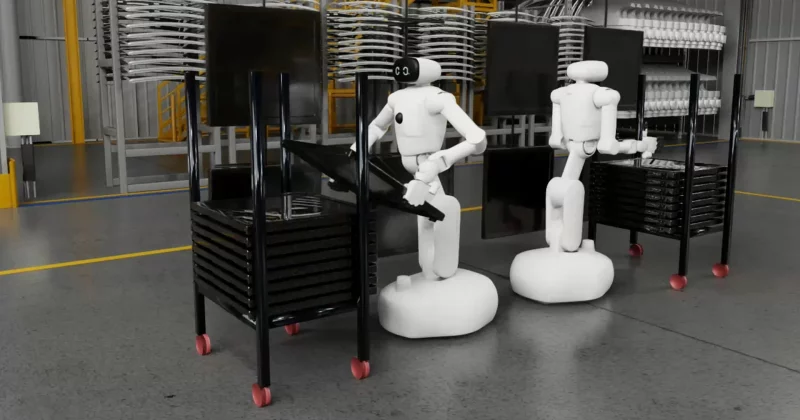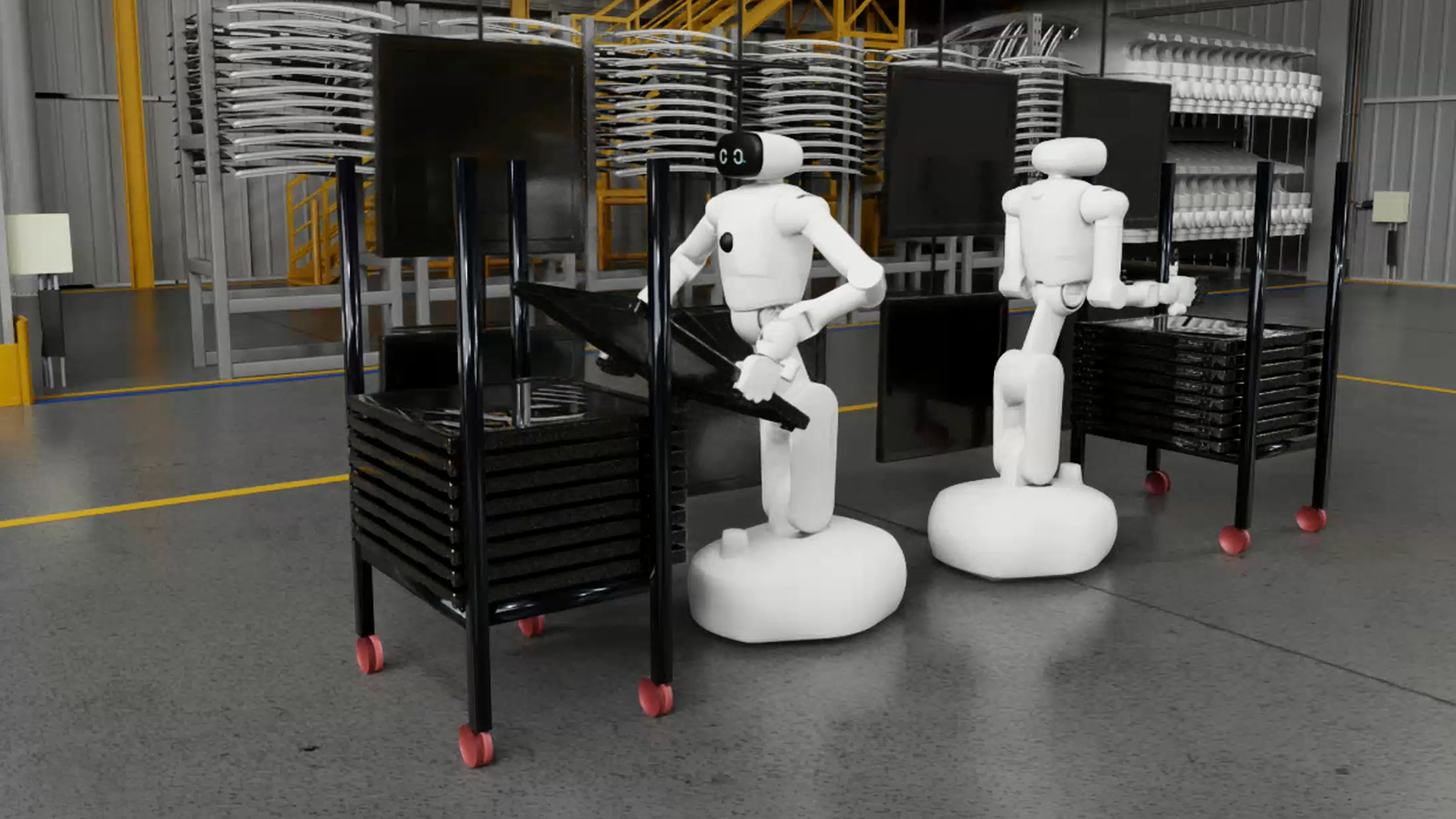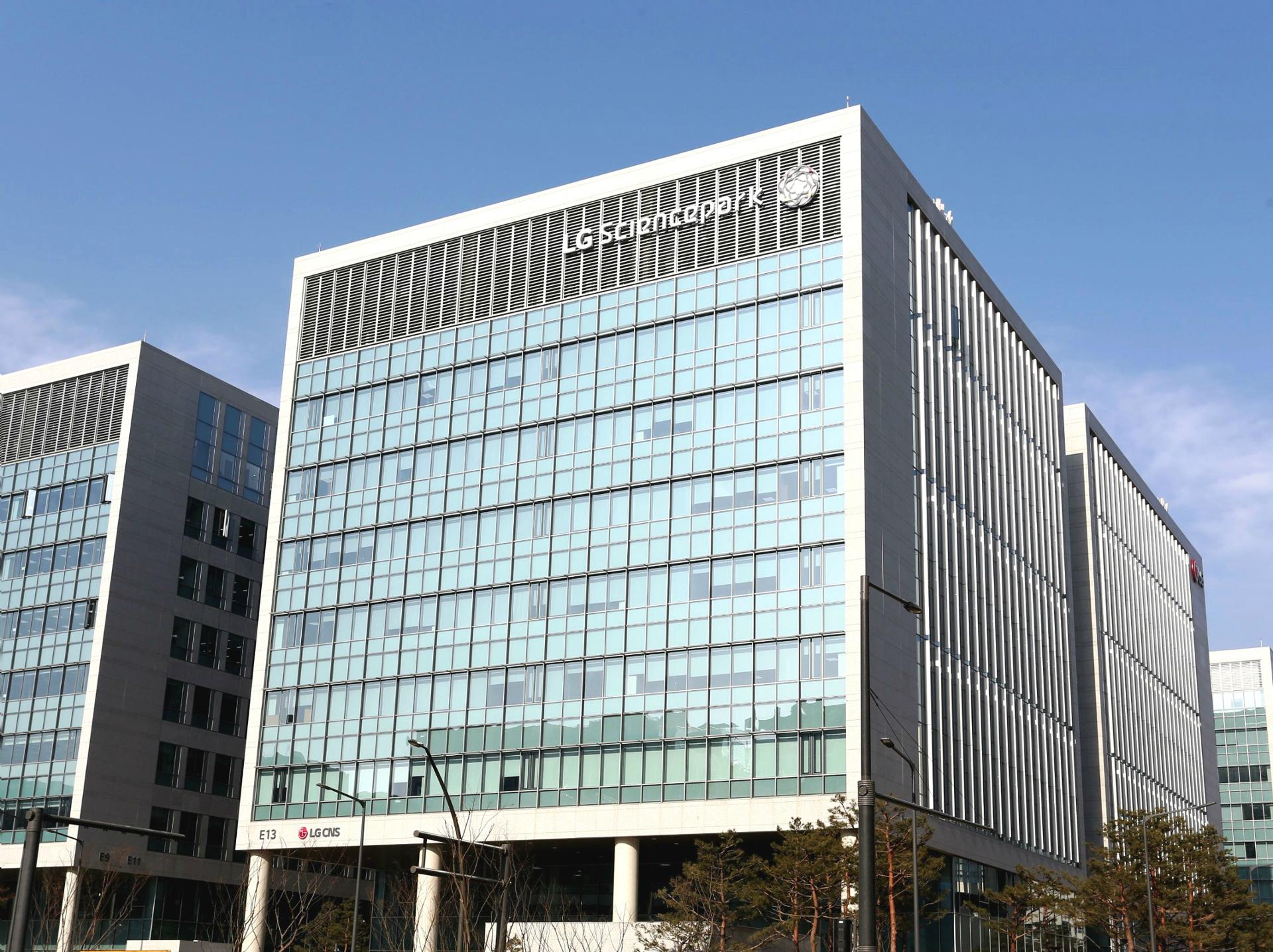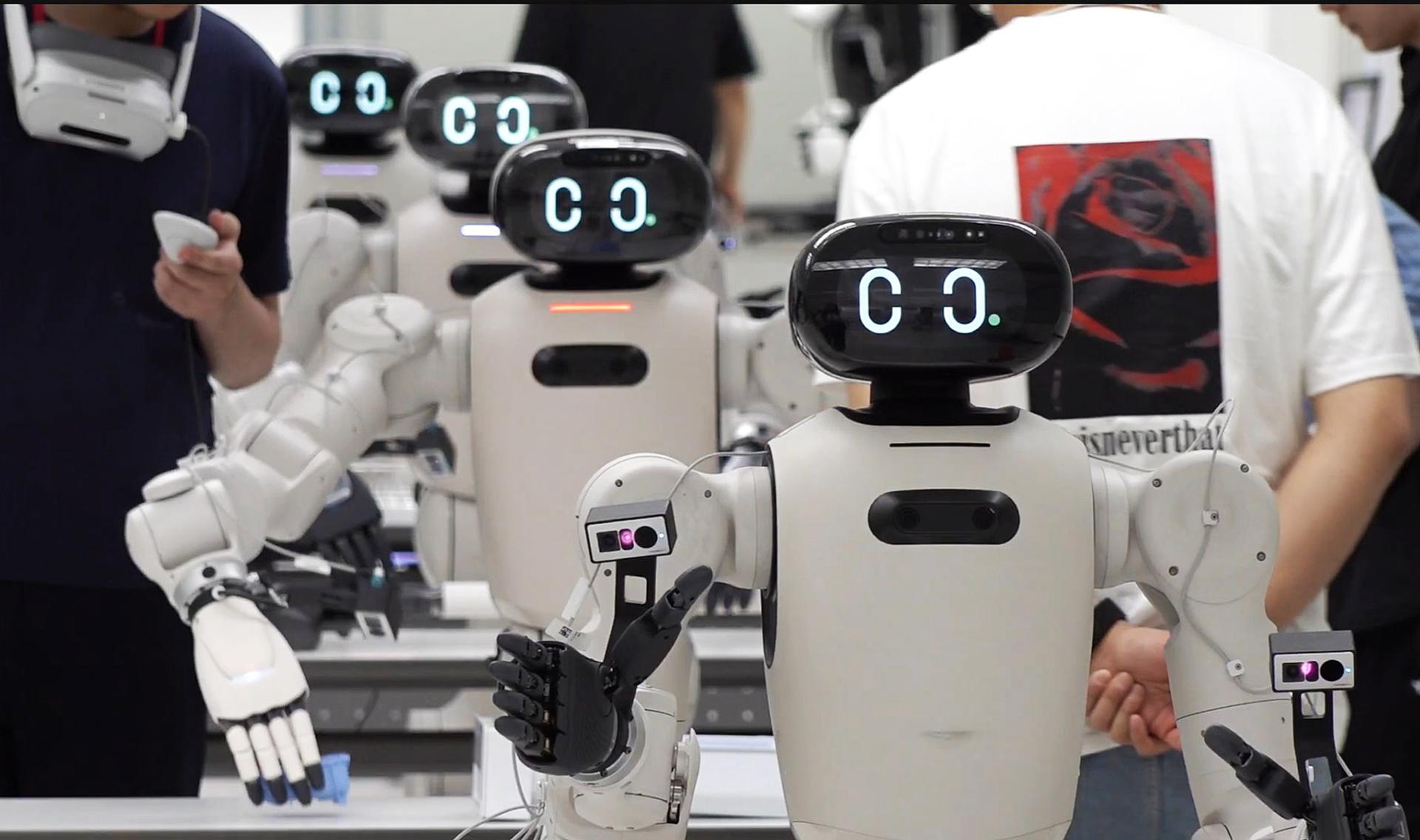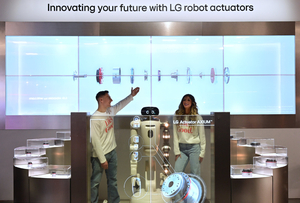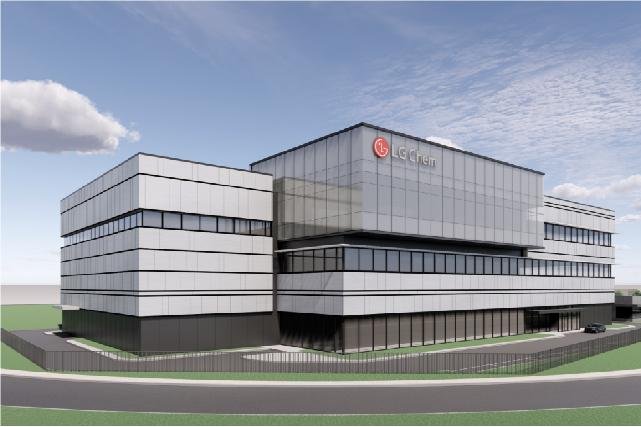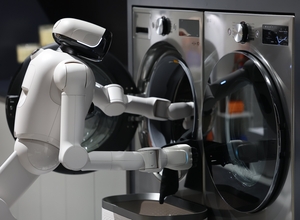
The appliance-maker plans to run hundreds of its CLOiD robots through mock homes and factory lines LG Electronics' home robot CLOiD loads laundry into a washing machine at its booth at CES 2026 in Las Vegas, January. (LG Electronics) LG Electronics is converting its R&D campus in southern Seoul's Yangjae district into the country's first "data factory" for humanoid robots, industry sources said Friday.At the facility, hundreds of its CLOiD machines will repeat everyday tasks to generate the real-world data that has become the hardest thing to get in the race to build capable robots.The reason this matters is that data, not hardware, is increasingly the stall point for humanoid development. Generative AI like GPT learns from text and images already on the internet, but a robot cannot scrape the experience of gripping a cup or opening a door. It has to perform the motion and record what happens, over and over.LG, known abroad mainly as an appliance-maker, is betting that the home and factory data it can produce at scale will sharpen its robots' intelligence faster than rivals can.The facility covers about 33,000 square meters across four floors. LG plans to deploy 100 units of CLOiD, its prototype home humanoid, as early as July to begin operations, and industry sources say it wants to raise that number to 300 by year-end. Inside, the robots will work through a home fitted with appliances and a running production line, collecting data tied to the kinds of spaces they are eventually meant to operate in.CEO Lyu Jae-cheol is said to visit the site weekly. LG Electronics' home robot CLOiD folds a towel at the company's booth at the Las Vegas Convention Center in January ahead of CES 2026. (LG Electronics) An LG Electronics official confirmed to The Korea Herald that the broad plan is accurate, while noting that "the investment figure and a specific start date have not yet been finalized." Korean media have reported the company will inject more than 400 billion won ($263 million) into the project through 2030.The data feeds what the industry calls a robot foundation model, the system that lets a robot read its surroundings and decide how to act on its own. That capability was missing when CLOiD debuted at the CES tech show in January, and some observers found its movements too slow.Ryu has said the fix was "large-scale training," which is exactly what the data factory is built to supply before the robot reaches the market. LG is targeting a commercial home robot by 2028.Until now, LG's robot ambitions have run through hardware. The company has spent decades on the motors behind its appliances, and it will start mass-producing actuators, the parts that move a robot's joints, in the first half of 2026. The data factory is LG reaching past that hardware into the harder part: the software brain that tells the body what to do.
LG to build Korea's first humanoid 'data factory' to train robots
LG Electronics is converting its R&D campus in southern Seoul's Yangjae district into the country's first "data factory" for humanoid robots, industry sources s
TL;DRAI
LG opens humanoid data factory in Seoul with 100 CLOiD robots by July, scaling to 300 year-end to collect training data. Foundation models, not hardware, are bottleneck; LG's $263M investment signals data collection determines robot viability, targeting 2028 launch.
483 words~2 min read