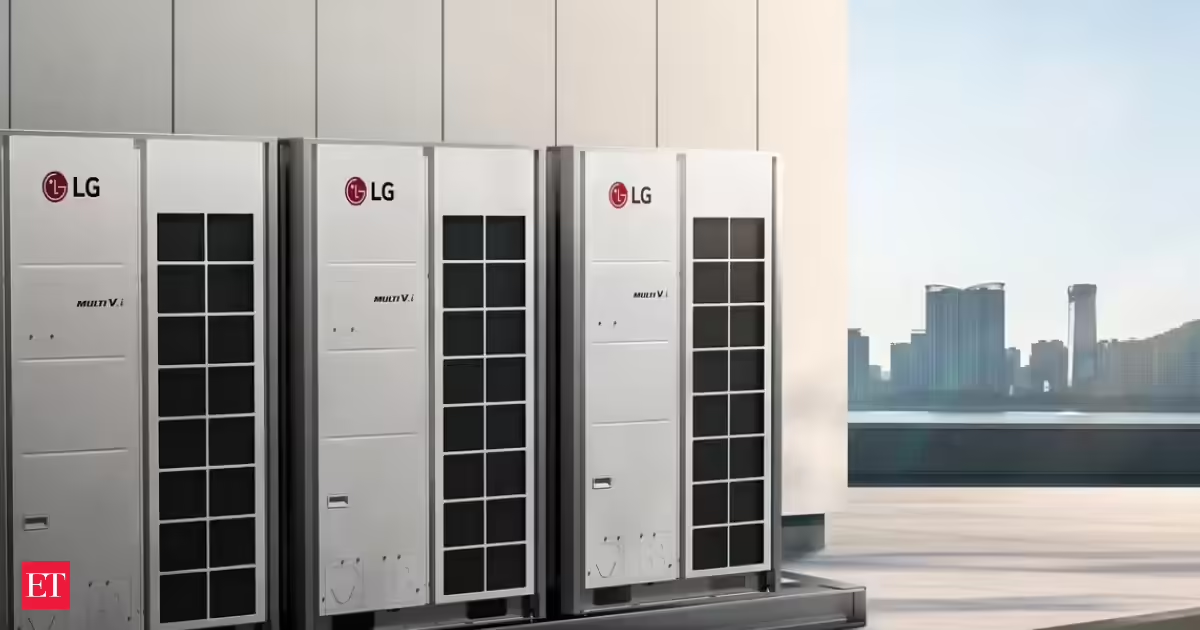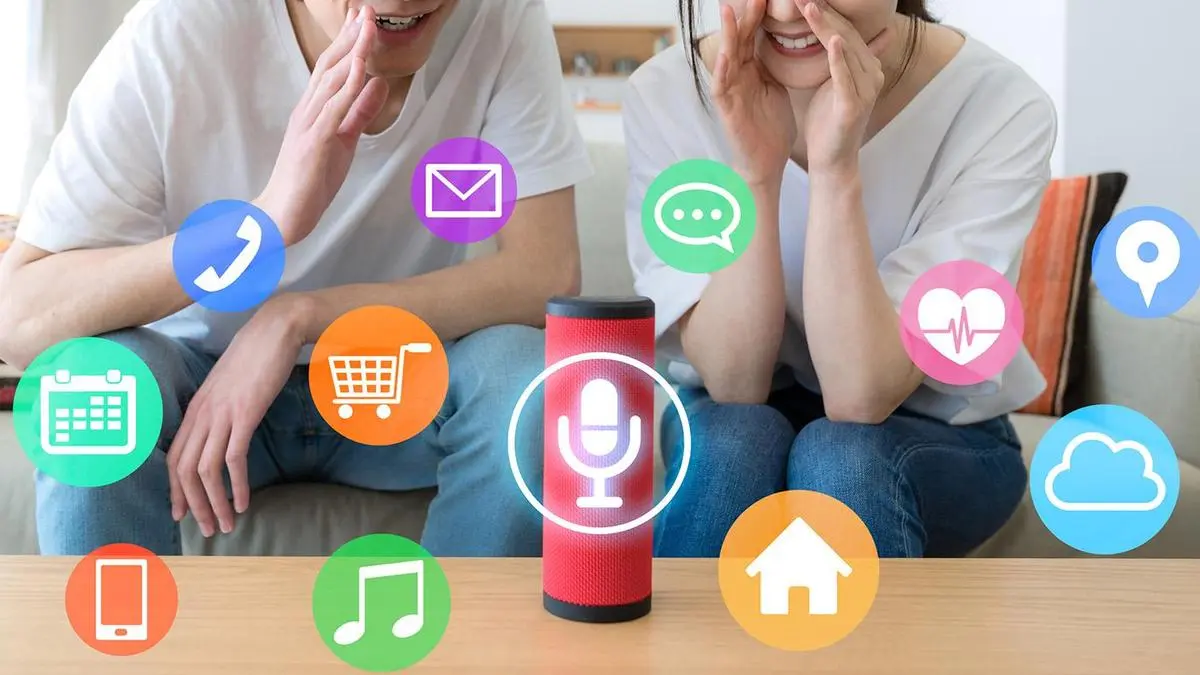
Seoul, South Korea: LG Electronics unveiled its vision for an AI-powered "Zero Labor Home", where intelligent appliances, connected platforms and autonomous robots work together to anticipate household needs and automate everyday chores, underscoring the company's ambition to move beyond appliances and become a provider of AI-driven living solutions.The Korean electronics giant said the future home will be built around an evolving AI ecosystem that goes beyond connecting devices to understanding user behaviour, learning household routines and proactively taking action to simplify daily life.At the centre of this vision is what LG calls the "ThinQ AI Universe"—a hyper-connected platform powered by three core pillars: AI-powered appliances, ThinQ AI orchestration and autonomous home robots."By combining decades of hardware expertise with Affectionate Intelligence, we are moving beyond basic appliances to deliver holistic, user-centric life solutions focused entirely on ultimate everyday convenience, solving real-life problems and providing an elevated experience that lets premium urban living flow effortlessly," said Baek Seung-tae, President of LG Home Appliance Solution Company.The announcement comes at a time when consumers globally are increasingly seeking intelligent and connected products that offer convenience, energy efficiency and personalised experiences.For India, one of LG's fastest-growing markets, the AI Home roadmap aligns closely with changing consumer preferences. The company sees rising incomes, rapid urbanisation and a wave of home upgrades driving demand for premium appliances equipped with advanced software and AI-enabled features."India is entering a transformative phase of home appliance premiumisation, catalysed by rising household incomes, rapid urbanisation and a clear consumer desire to modernise living spaces," said Young Min Hwang, Director, Home Solutions, LG Electronics India."Today's Indian consumer is moving well beyond basic functionality. They are actively seeking intelligent, connected solutions that bring us closer to the ultimate vision of a 'Zero Labor Home' ecosystem," he added.LG's AI Home ecosystem is designed to function as an integrated system rather than a collection of connected gadgets.LG ThinQ Homey The first pillar comprises AI-powered appliances that can learn usage patterns, optimise performance and provide personalised care. Refrigerators, for example, can adjust cooling cycles based on household habits, while washing machines can analyse load characteristics and automatically determine the most suitable wash settings.The second pillar is ThinQ AI orchestration, which acts as the intelligence layer connecting devices, services and living spaces. Powered by generative AI, the platform is designed to understand conversational commands, interpret context and coordinate actions across multiple appliances.The third pillar involves autonomous home robots. LG showcased CLOiD, its home-focused AI robot first unveiled at CES 2026, as an example of how intelligence can extend beyond software into physical household assistance. The robot is designed to navigate homes independently, interact with connected appliances and perform routine tasks.Also Read: Why India is the centrepiece of LG's billion-dollar bet on the Global SouthLG also outlined the evolution of its ThinQ platform. Initially launched as a smartphone-based remote-control system, the platform has expanded through over-the-air software updates and predictive maintenance capabilities. In its latest phase, ThinQ integrates with Homey, Athom's open smart-home ecosystem, allowing interoperability with more than 50,000 devices across hundreds of brands.LG ThinQ App While the company's long-term vision includes autonomous robots and highly orchestrated living environments, several of the building blocks are already available in India. Products such as AI Wash 2.0-enabled washing machines and ThinQ-connected appliances are currently available in the market, offering personalised controls, remote monitoring and diagnostic capabilities.The company believes India could play a significant role in the broader adoption of AI-powered home technologies.India, alongside Saudi Arabia and Brazil, sits at the centre of LG's long-term growth strategy. According to LG Electronics CEO Lyu Jae-cheol, the company aims to double combined revenue from the three markets by 2030 as it deepens its focus on high-growth economies across the Global South."Our combined revenue from these regions reached KRW 6.2 trillion in 2025, delivering growth of more than 20% compared with 2023 and outpacing the company's overall global growth by more than double," Lyu said.He described the expansion as a strategic effort to build a more balanced regional portfolio beyond LG's traditional strongholds in Korea, North America and Europe.To support the next phase of growth, LG said its manufacturing facilities in Greater Noida and Pune are being aligned with the company's global AI roadmap. The localisation effort is expected to support the rollout of AI-centric refrigerators, washing machines, air conditioners and cooking appliances tailored to Indian consumers.As Indian households increasingly upgrade from basic appliances to connected and premium products, LG believes the country will be among the key markets shaping the future of the AI-powered home.
A home that washes, cools and thinks for you: Inside LG's 'Zero Labor Home' vision for India
LG Electronics is building a future home powered by artificial intelligence. Intelligent appliances, connected platforms, and robots will work together to automate chores. This "Zero Labor Home" vision aims for ultimate convenience. India is a key market for these advanced AI-driven living solutions. LG's manufacturing facilities are aligning with this global AI roadmap.
752 words~3 min read