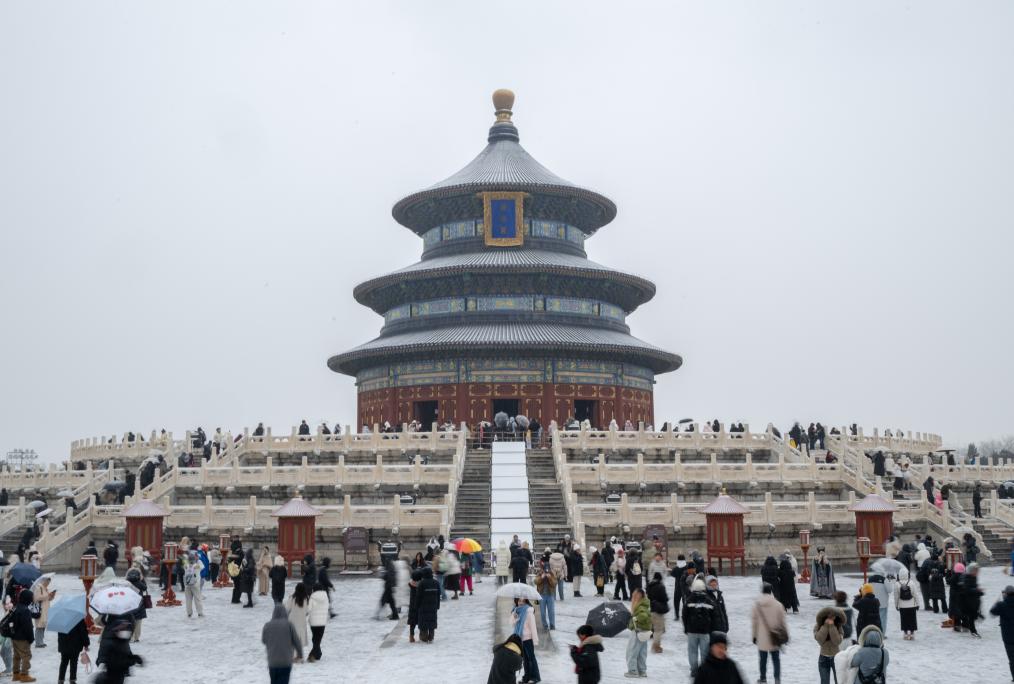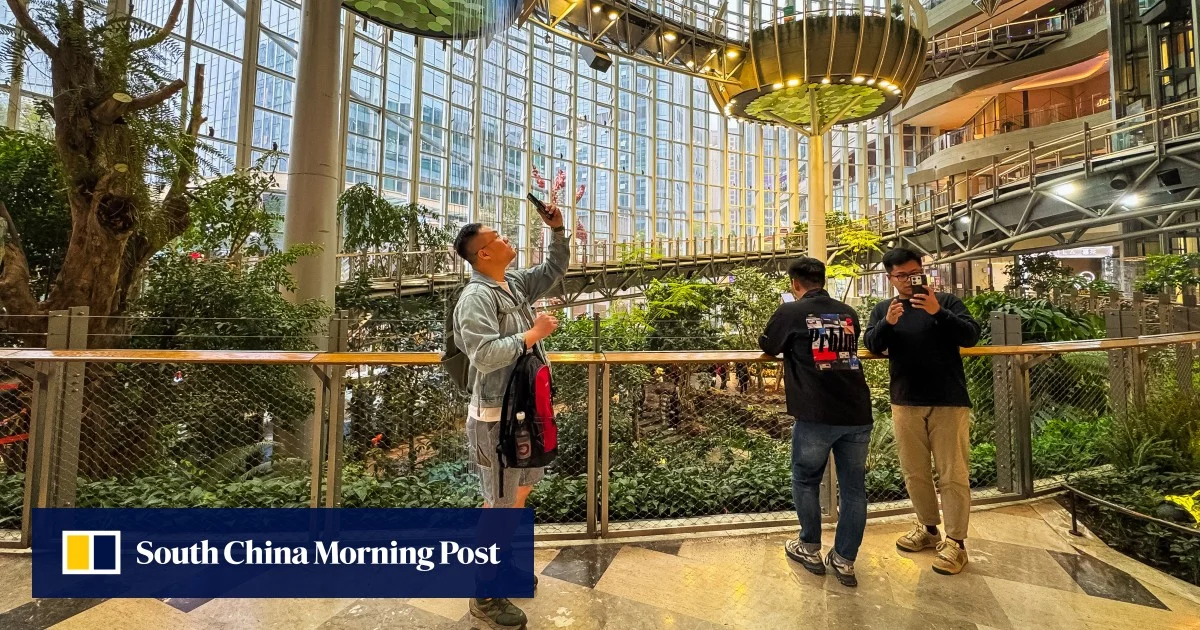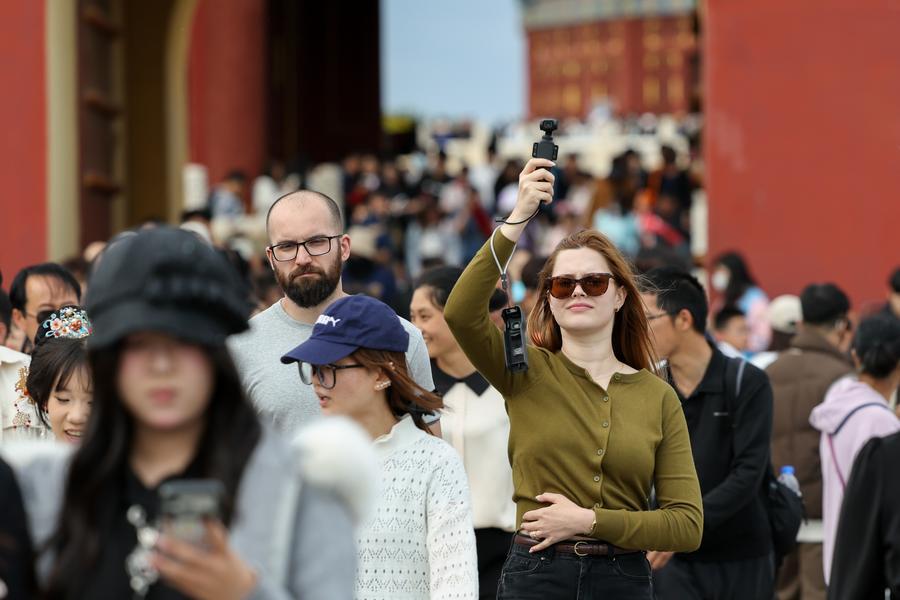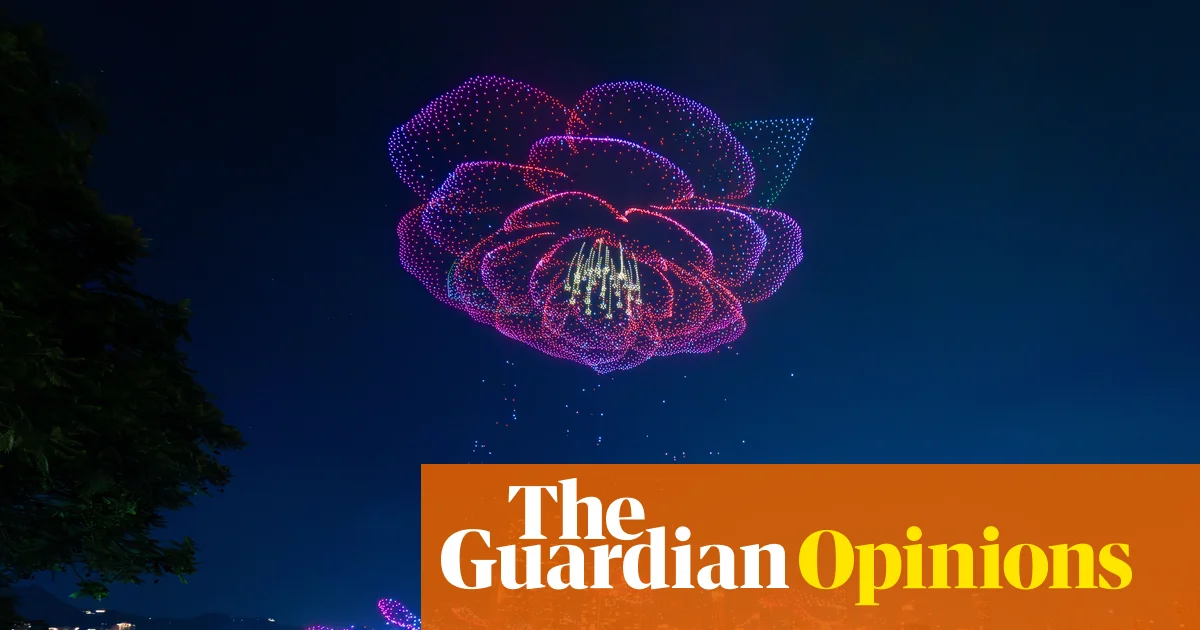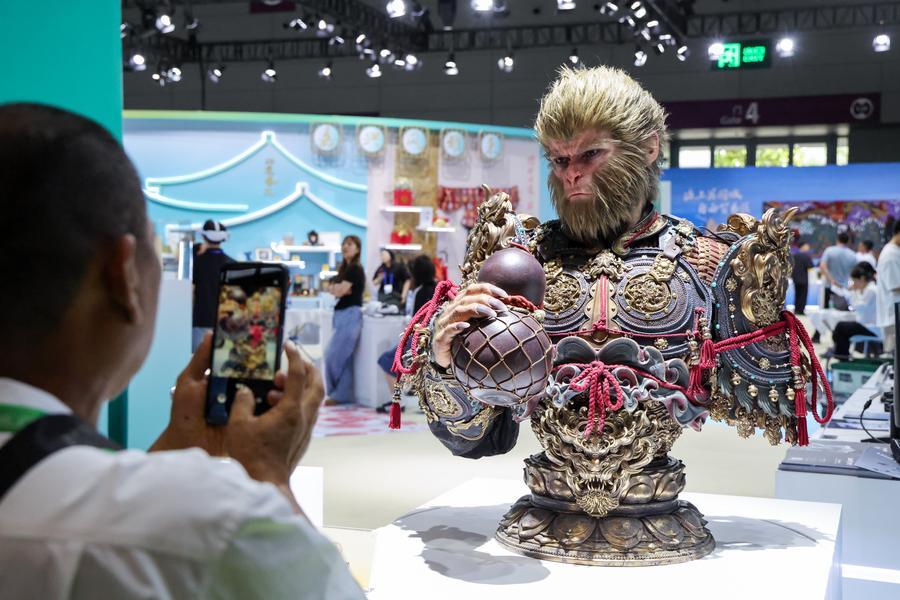
Iyobosa Uwugiaren, who recently returned from China after a three-month seminar, writes on how the Great Wall, the National Museum of China, the Temple of Heaven, and the rise of Chongqing reveal China’s culture, traditions, arts, and urban development.
Long before the day fully begins, Beijing is already awake. In public parks, elderly residents move gracefully through tai chi routines, commuters flood subway stations, and the morning sun illuminates ancient rooftops that have stood watch over the capital for centuries.
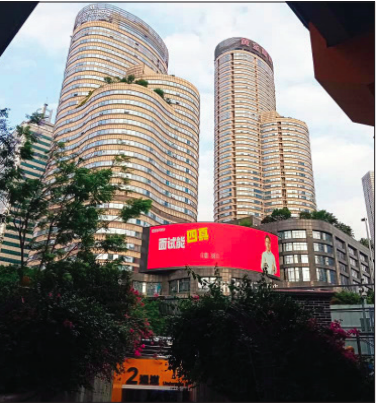
Thousands of kilometres away, in the mountainous metropolis of Chongqing, ferryboats glide across the confluence of the Yangtze and Jialing rivers, while high-speed trains emerge from tunnels carved into steep hillsides.
Beijing is often described as the political and cultural heart of China, while Chongqing is celebrated as a symbol of modern innovation and urban transformation.
Together, the two cities tell the story of a nation that treasures its past while boldly shaping its future. They are cities of memory and green dreams—places where heritage and development exist side by side. Through Beijing’s iconic landmarks—the Great Wall of China, the National Museum of China, and the Temple of Heaven—and through Chongqing’s remarkable urban landscape, China’s culture, traditions, arts, and vision for sustainable development come sharply into focus.