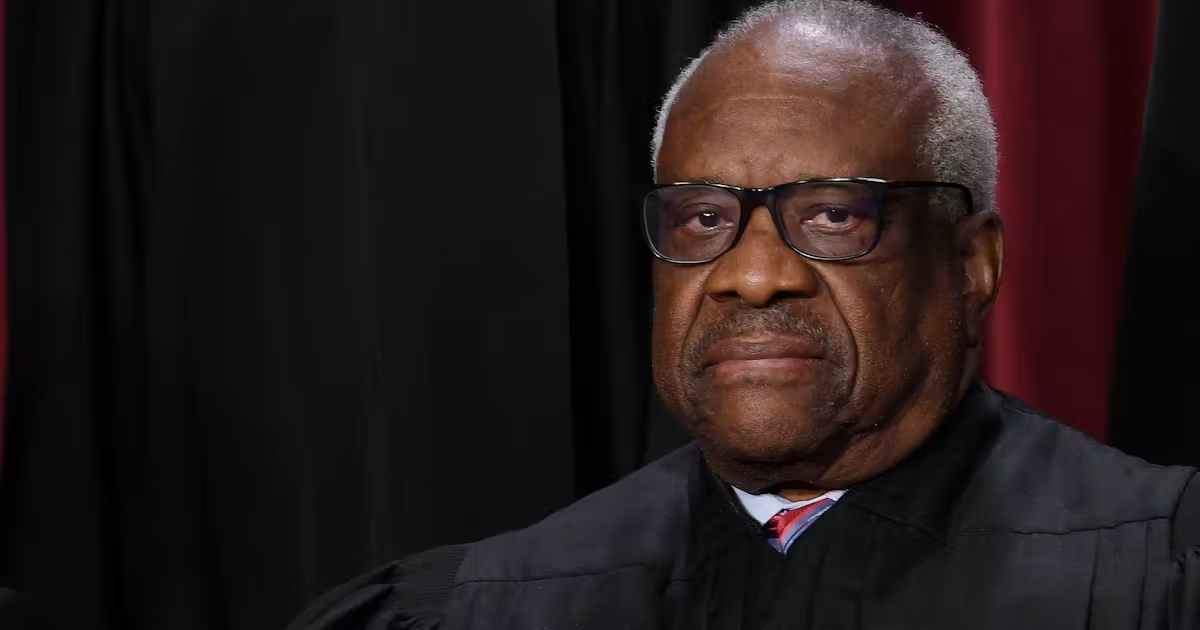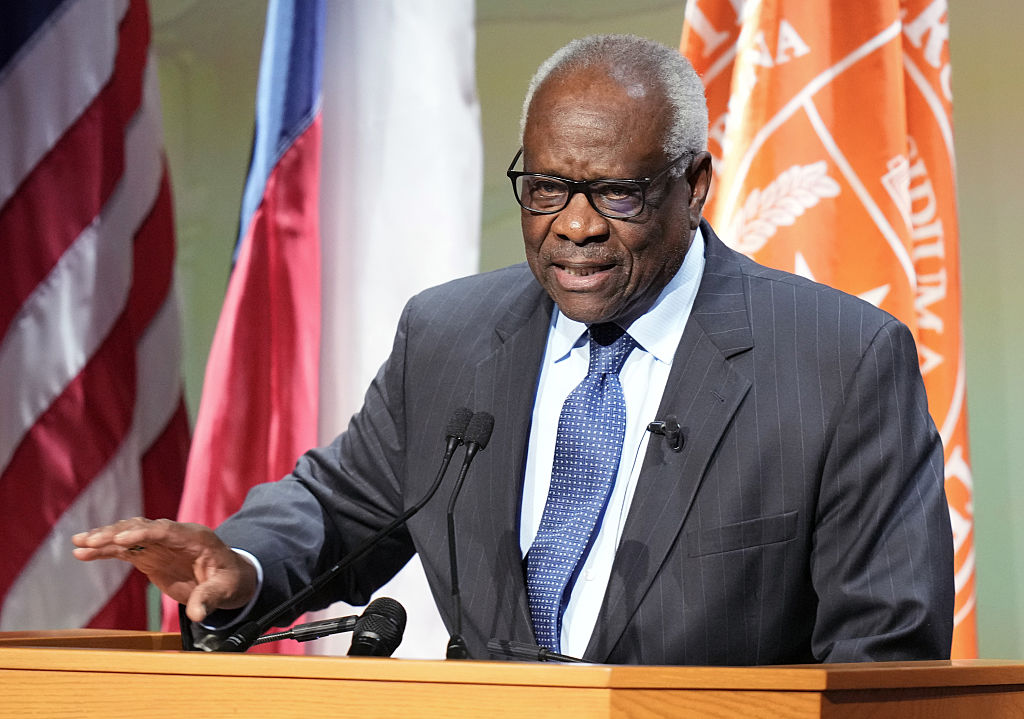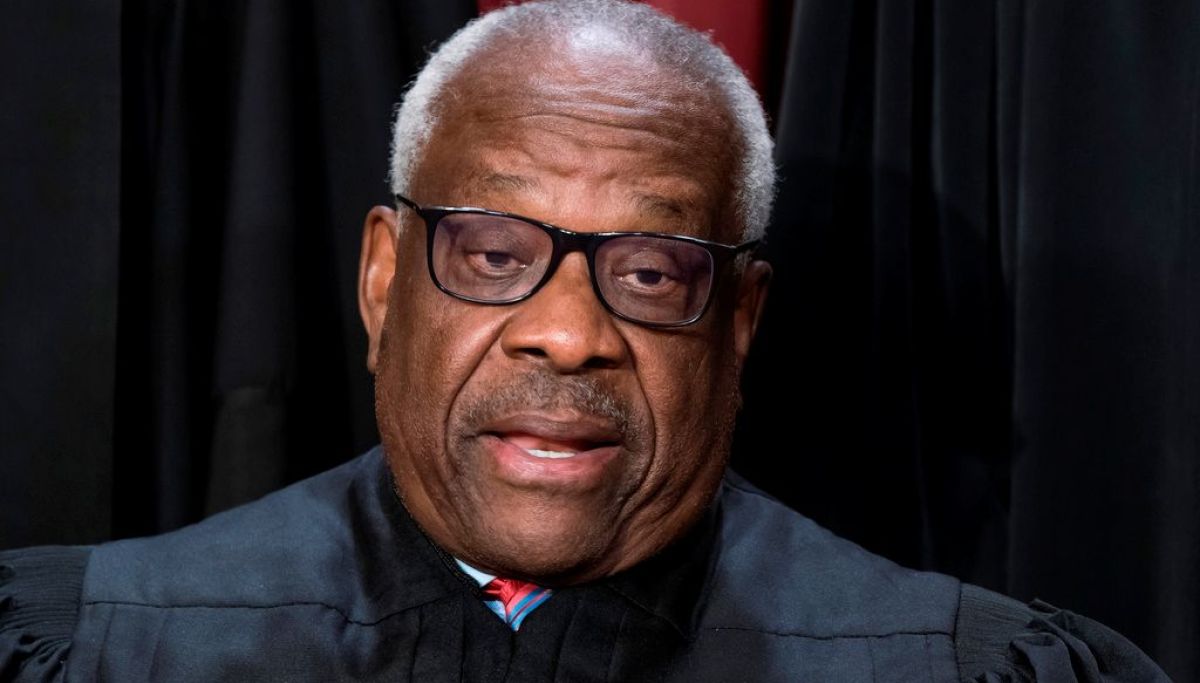
Justice Clarence Thomas urged his colleagues on the Supreme Court to “reexamine” a legal doctrine that prevents someone from taking a contrary position in a lawsuit from one they took in a previous lawsuit, questioning its foundation in law.Thomas took aim at judicial estoppel in a separate concurring opinion published Thursday in the case Keathley v. Buddy Ayers Construction, Inc., which was a unanimous ruling in a bankruptcy case. Judicial estoppel is the principle that defenders have argued protects “the integrity of the judicial process,” and the majority opinion, penned by Justice Ketanji Brown Jackson, found the U.S. Court of Appeals for the 5th Circuit took the wrong approach when applying it. Jackson wrote that “to determine whether an omission was inadvertent or mistaken for purposes of judicial estoppel, courts should look to the totality of the circumstances surrounding the omission,” and that the appeals court’s “less holistic formulation was erroneous.”Thomas joined Jackson’s opinion in full but also took aim at the entire judicial doctrine in his six-page concurring opinion, which was joined by Justice Neil Gorsuch.
“Judicial estoppel generally prevents a party from asserting a position in one lawsuit that contradicts its position in a previous proceeding. Lower federal courts have applied this doctrine broadly without clear authority to do so, and with only limited support from this Court’s precedents. In a future case, we should reexamine it,” Thomas wrote.