Jurisprudence
June 02, 20262:19 PM
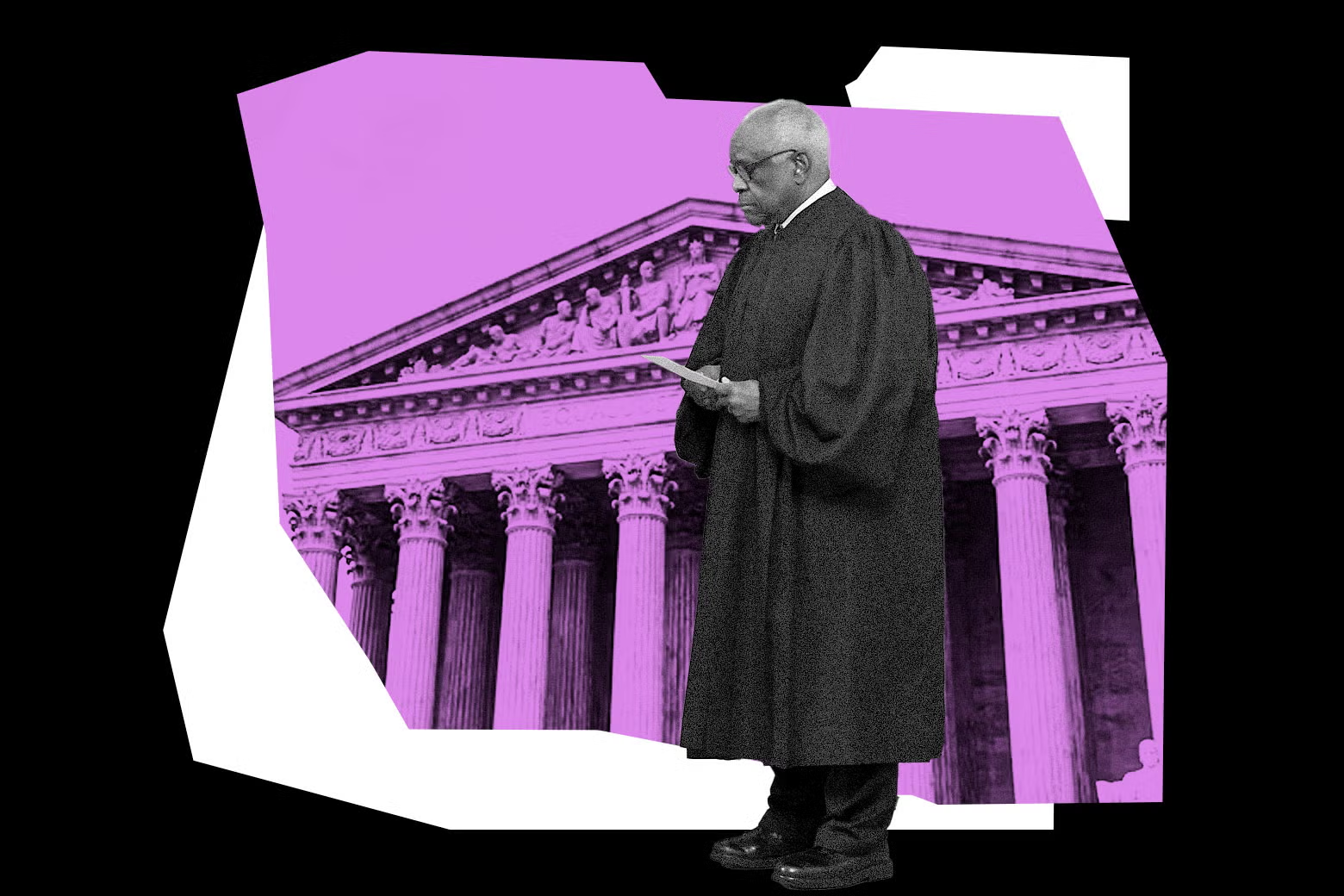
Photo illustration by Slate. Photos by Anna Moneymaker/Getty Images and Anna Sullivan/Unsplash.
This is part of Opinionpalooza, Slate’s coverage of the major decisions from the Supreme Court. The best way to support our work—and unlock exclusive legal analysis—is by joining Slate Plus. (If you are already a member, consider a donation or merch!)
On Monday, the Supreme Court issued an unsigned opinion about a criminal defendant’s right to a fair trial and an honest prosecution. The case concerned an appellate court decision that had determined a man’s guilt based on new facts that had never gone before the jury; the Supreme Court reversed this holding, ruling that the defendant’s rights were violated. Justice Clarence Thomas, joined by Justice Samuel Alito, would have allowed the man, Gary Whitton, to be found guilty and be subject to execution, despite the procedural error in the court below. And although the start of their dissenting opinion is fairly consistent with Thomas’ and Alito’s harsh jurisprudence on criminal matters, the justices then do something strange. In this criminal-law case, they dig into a pile of past civil cases concerning completely unrelated legal issues for which the court has recently denied certiorari, then try to argue that SCOTUS goes out of its way to protect murderers while allowing rights to be taken from “law-abiding citizens.” As this term has shown, what we actually have is a court that frequently lets lawlessness reign when the government does something wrong but fights tooth and nail to deny fair process for the people it views as criminals.