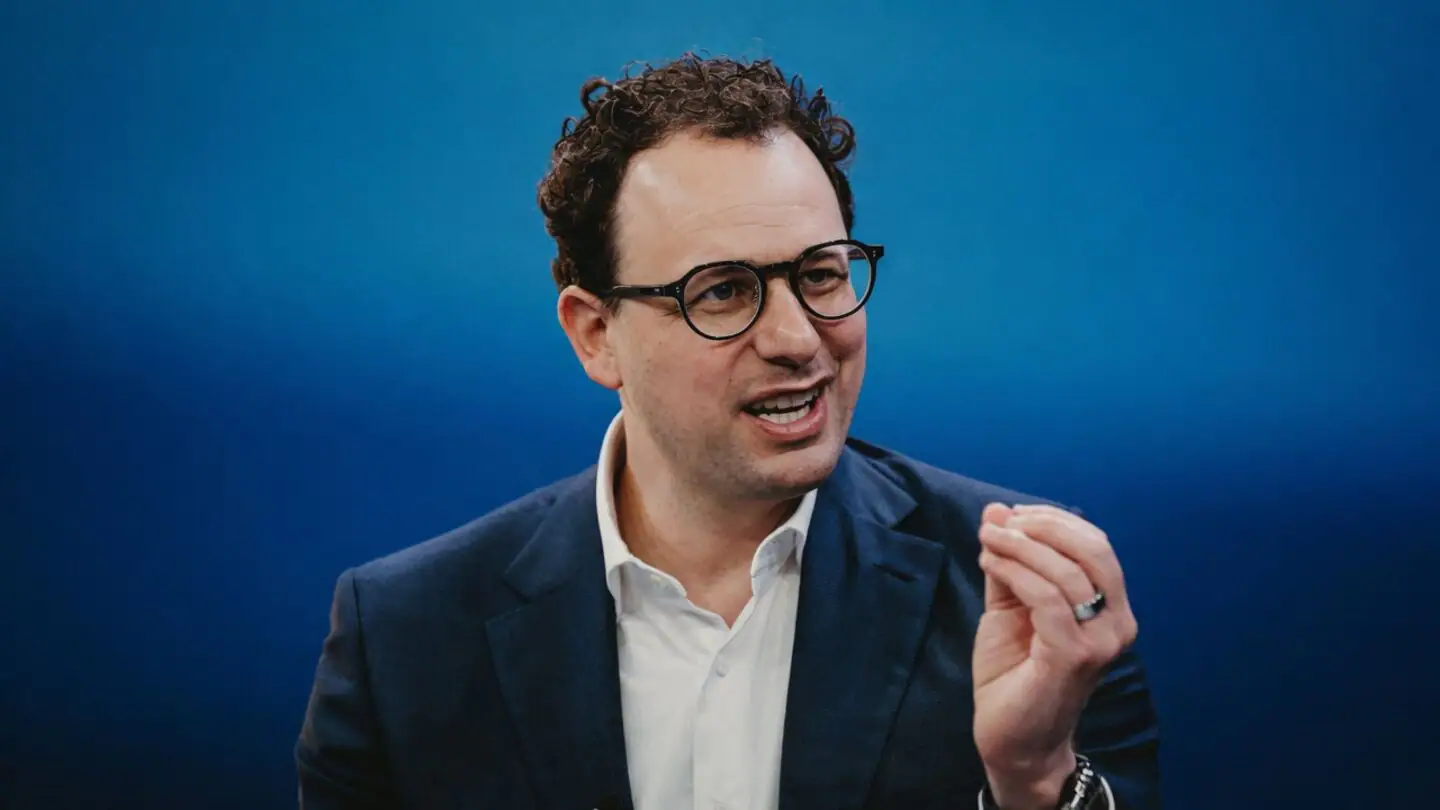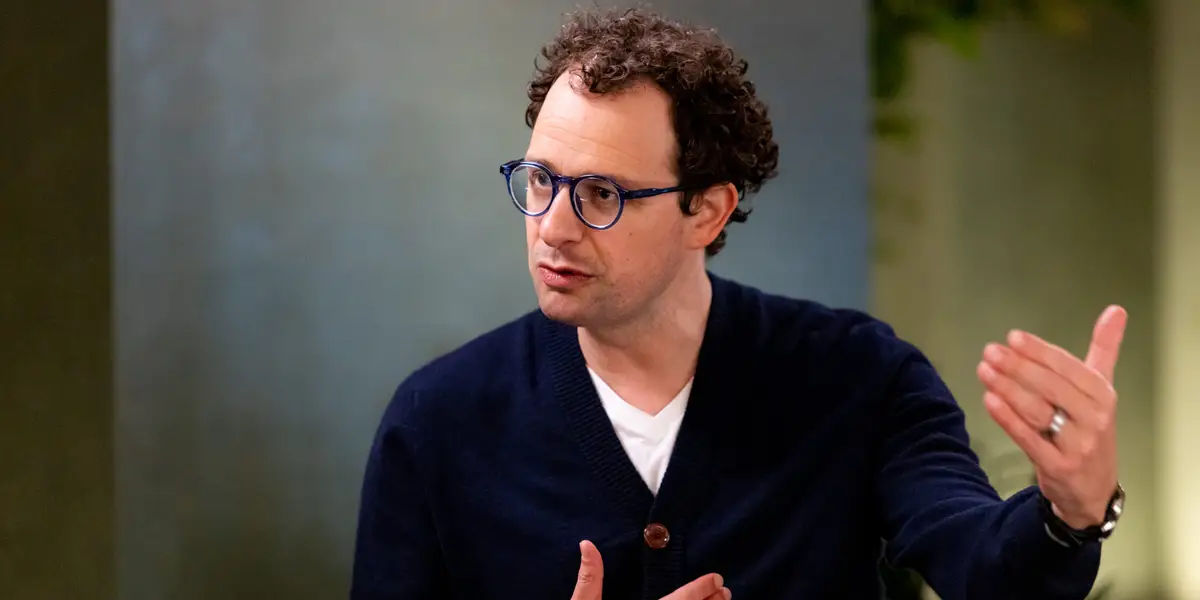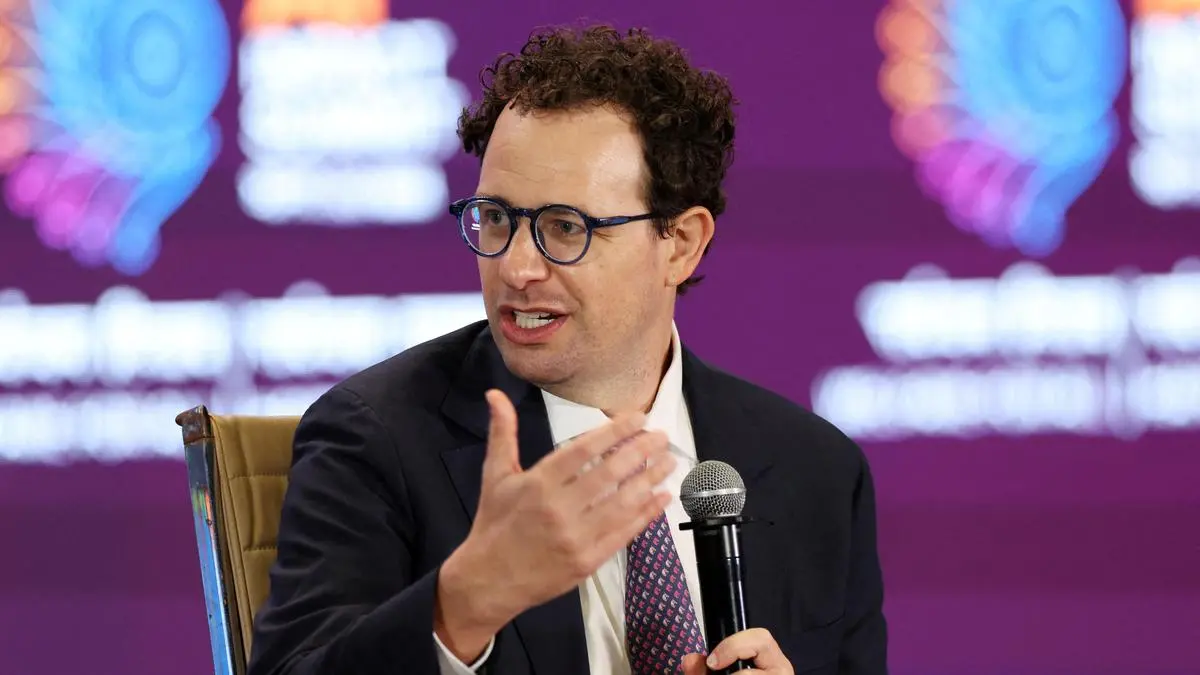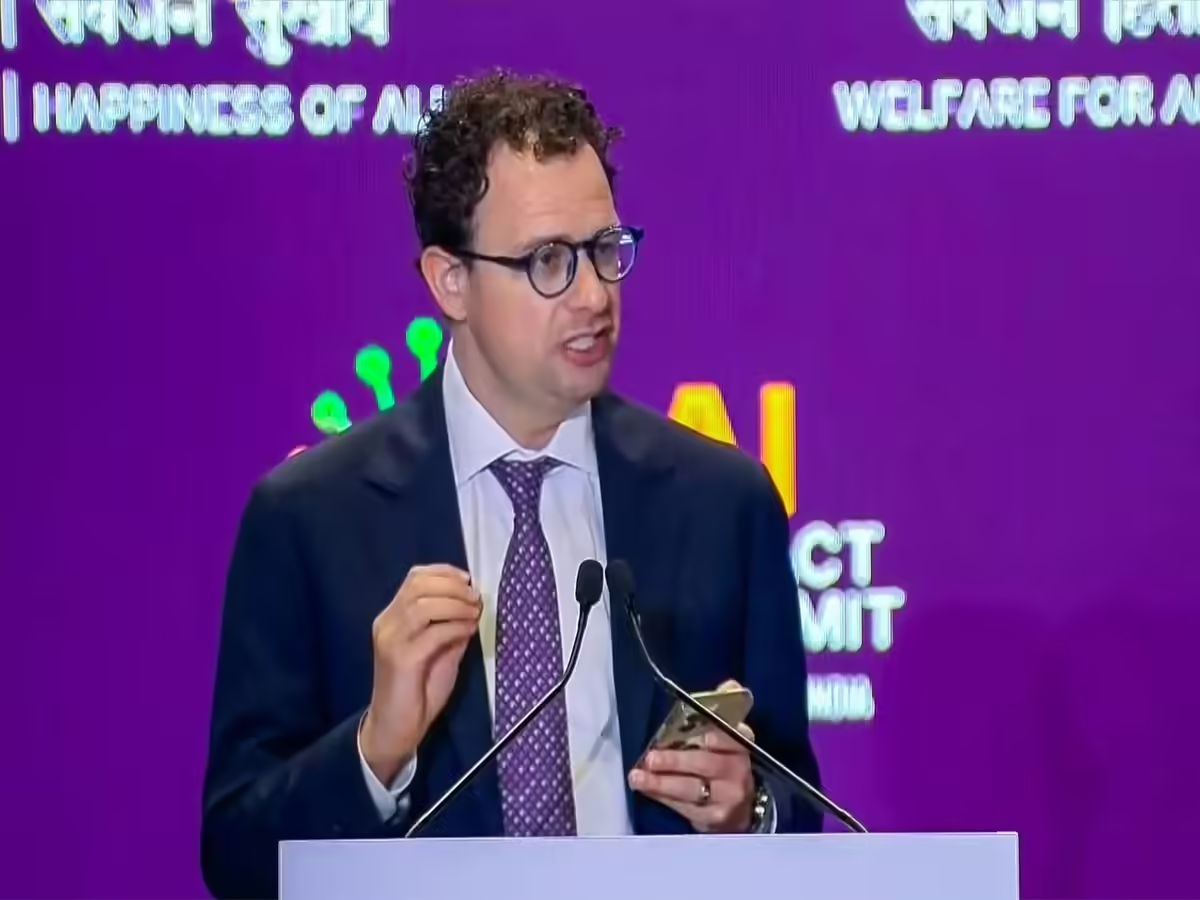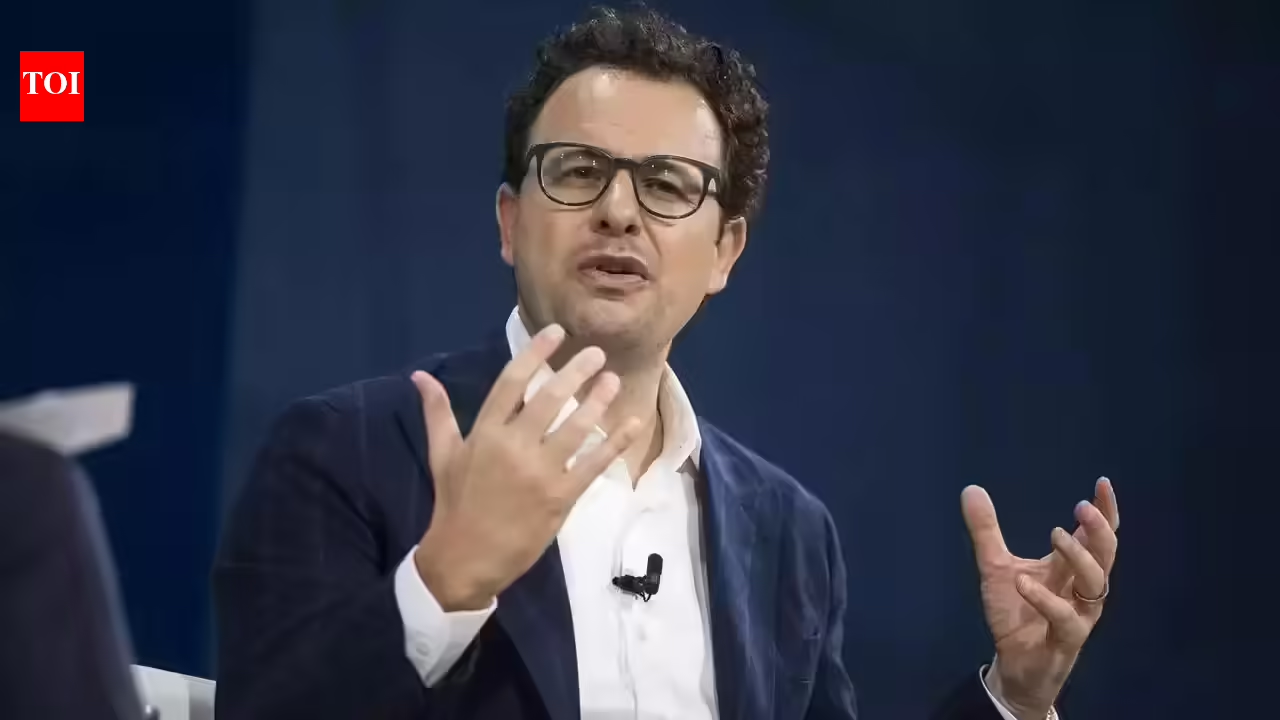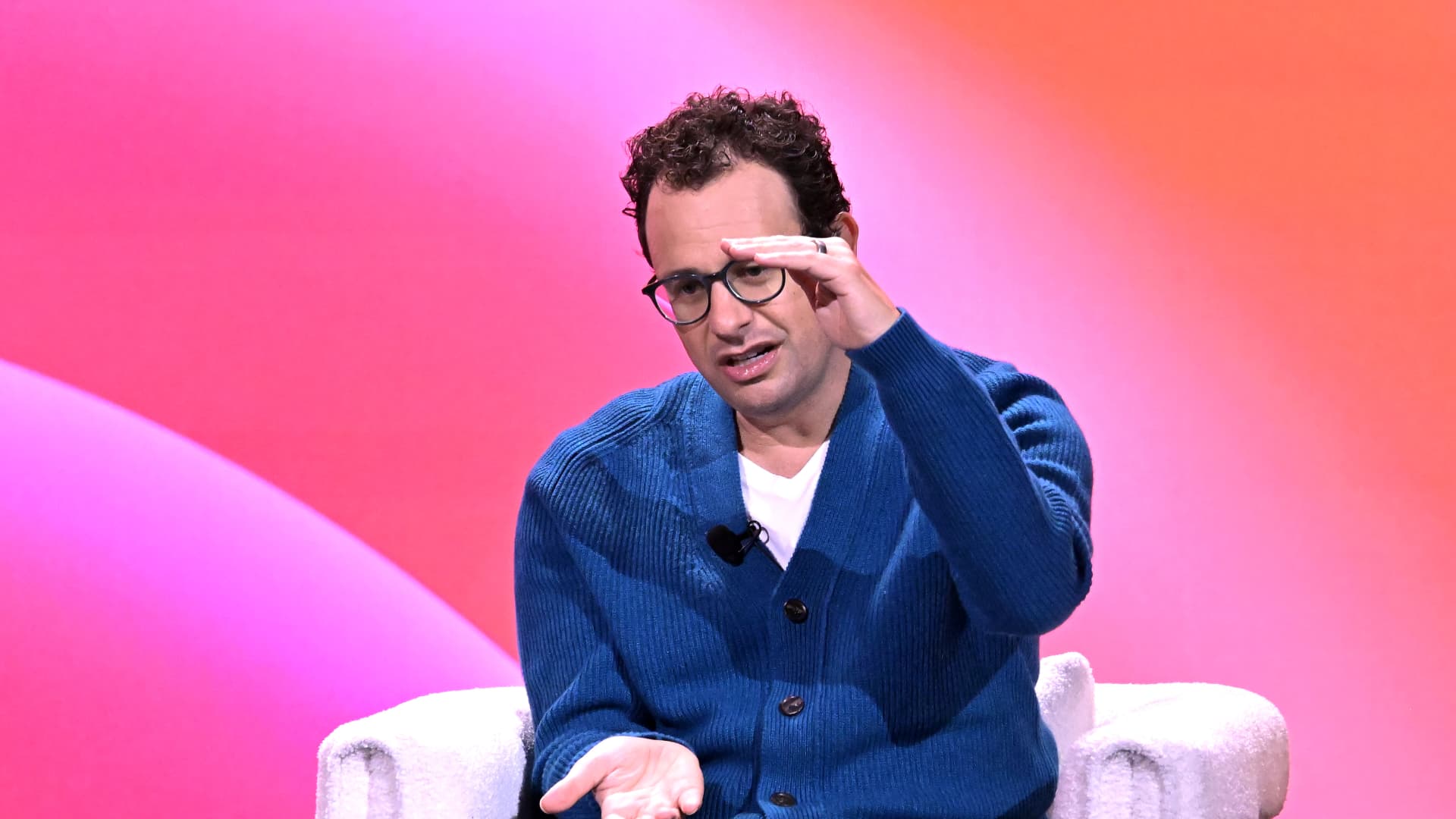
Dario Amodei, CEO and co-founder of Anthropic, sat down with Bloomberg to deliver a warning that cuts against the usual AI optimism cycle. The gist: AI has already automated roughly 90% of many job functions. But Amodei argues the real danger lives in what happens when AI learns to handle the remaining 10%.
The last 10% problem
Automating 90% of a job doesn’t eliminate the job. It just makes the person doing the remaining 10% about ten times more productive. The trouble starts when AI closes that final gap.
Amodei framed the pace of AI cognitive improvement as something resembling “Moore’s Law for intelligence”: AI’s cognitive capabilities could be doubling every few months. That’s not a comfortable timeline for anyone betting their career on being the irreplaceable human in the loop.
The distinction Amodei draws is between short-term effects and long-term consequences. Right now, companies are seeing genuine productivity gains from AI tools. But the long-term trajectory points toward full task automation that doesn’t just augment workers but replaces the need for them entirely in certain roles. Earlier projections indicated that AI technologies could eliminate up to half of entry-level white-collar jobs within a span of 1-5 years.