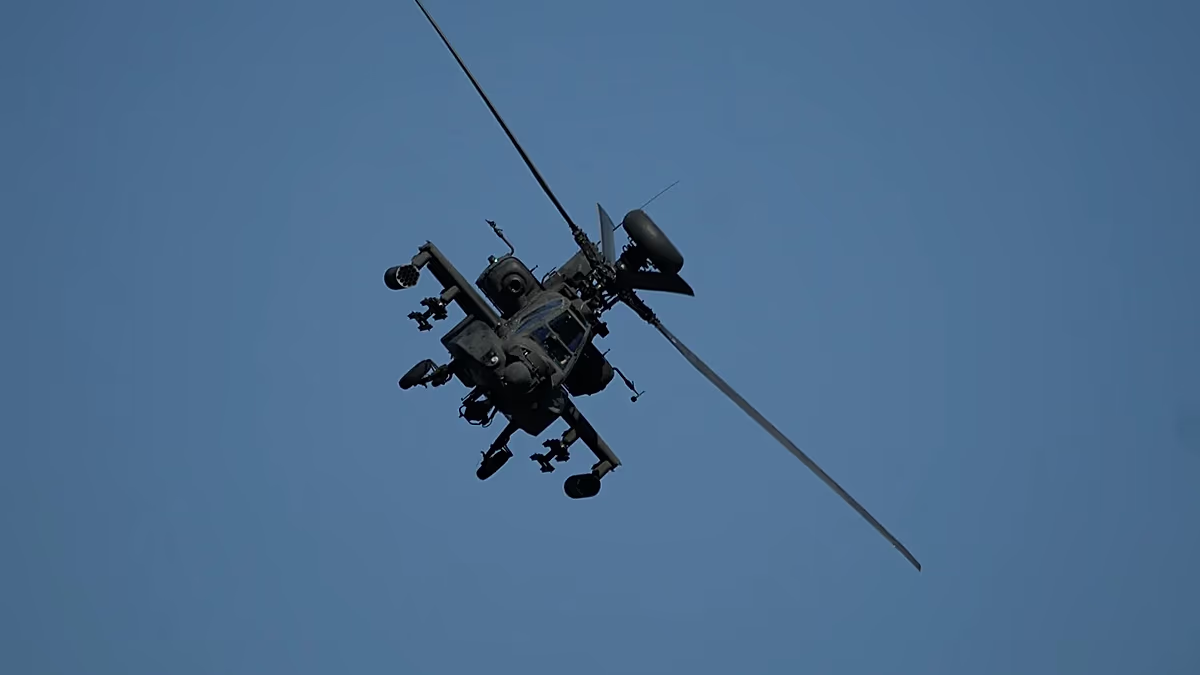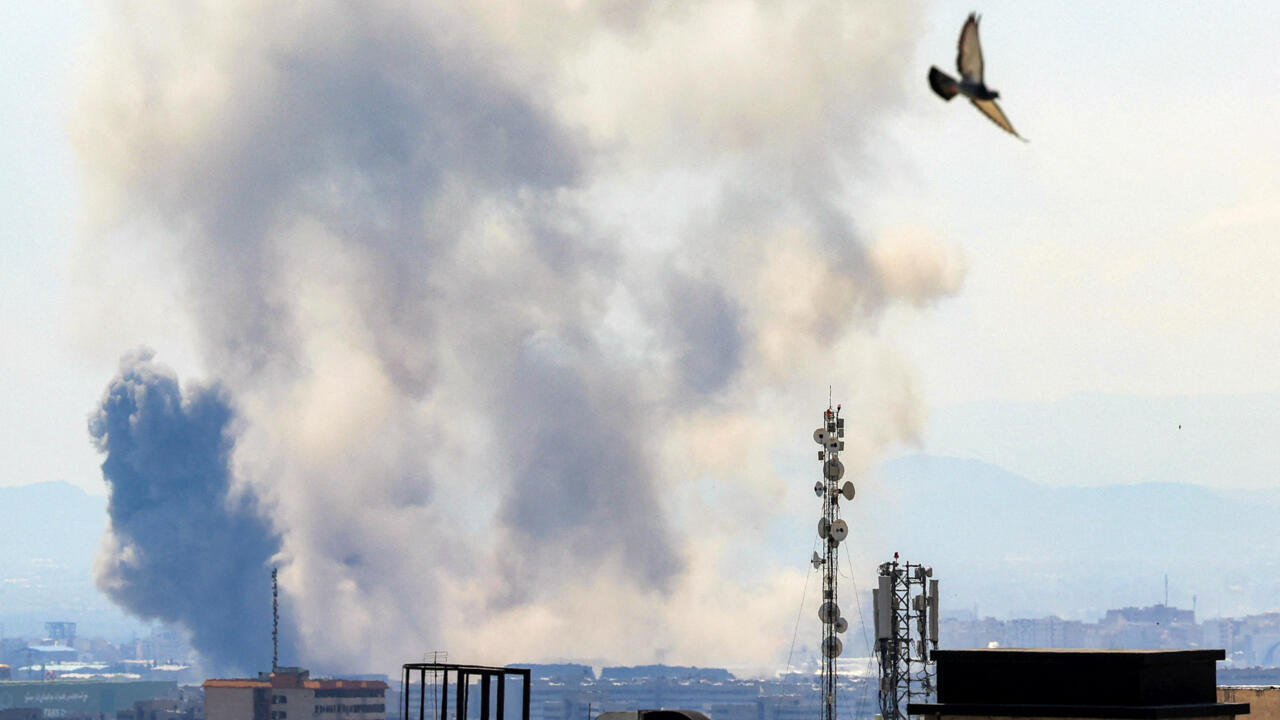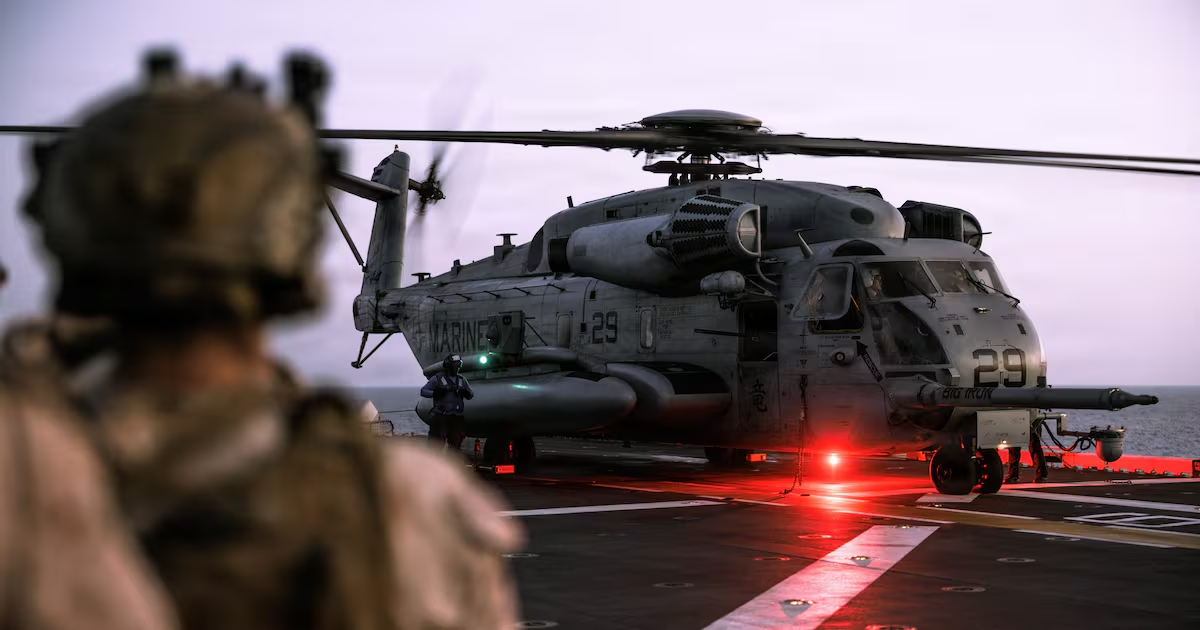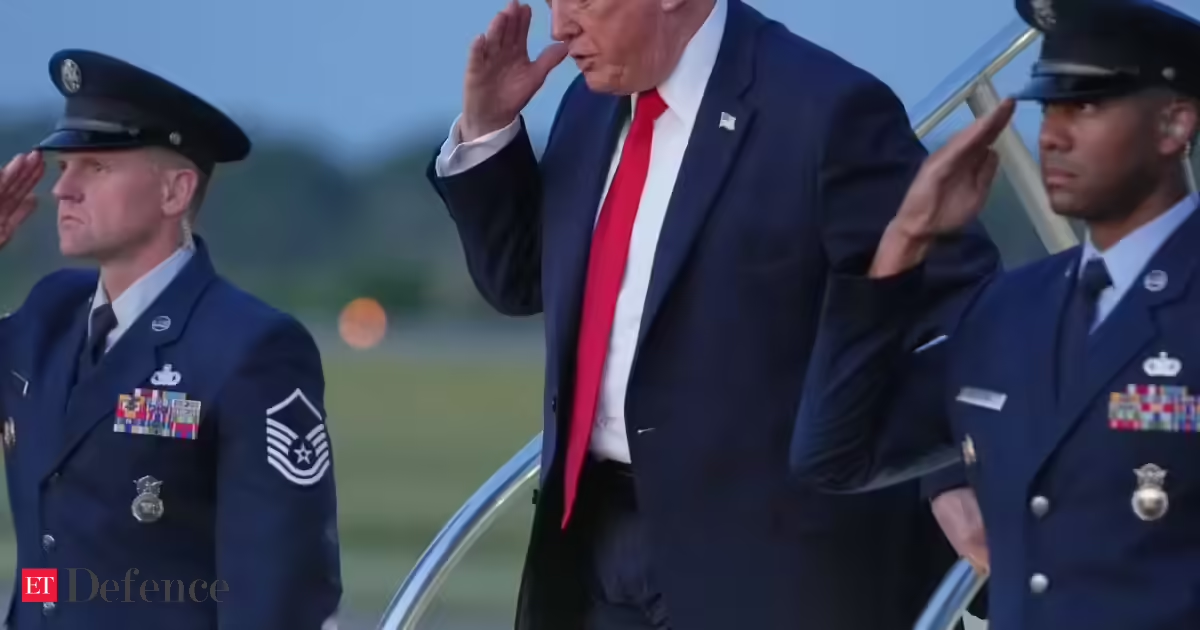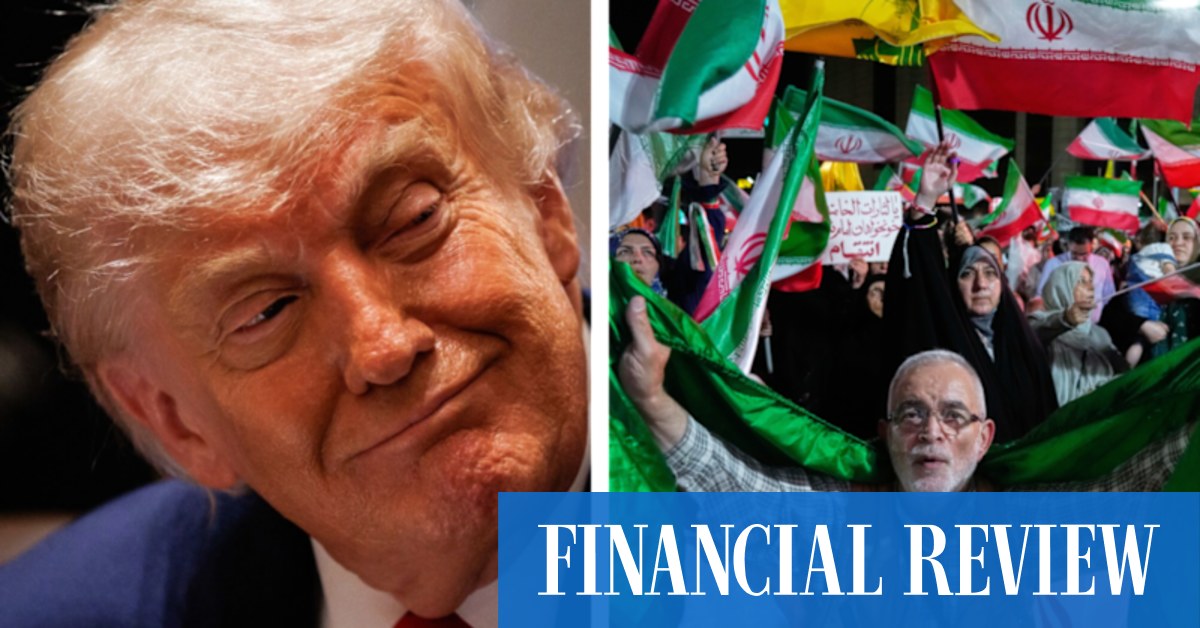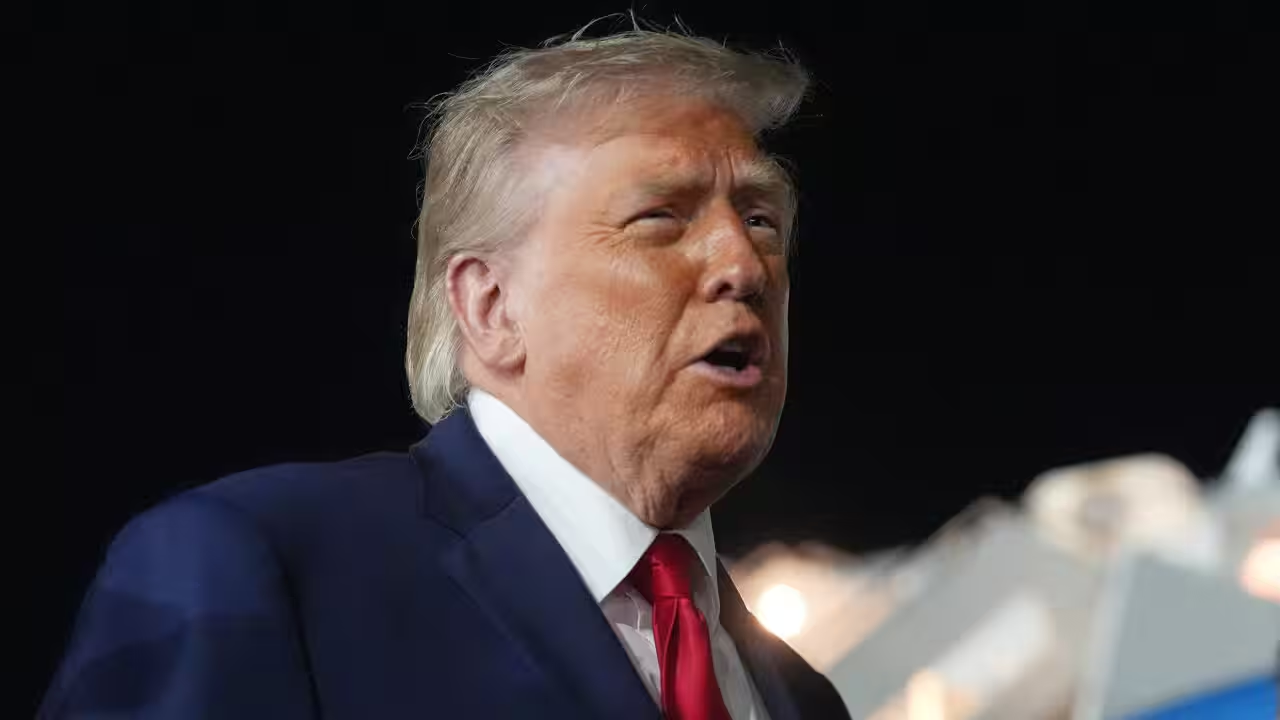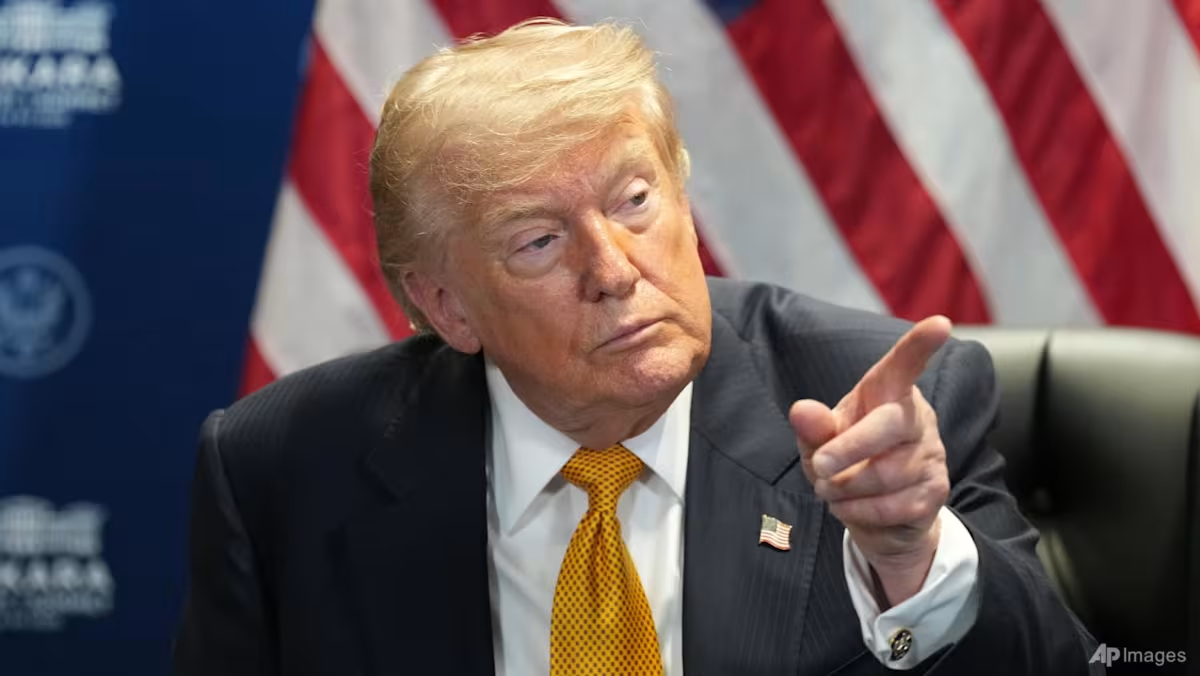
LONDON: The United States military launched strikes against Iran on Tuesday (Jun 9) in response to the downing of a US Army helicopter near the Strait of Hormuz a day earlier. These strikes, which the US military called “a proportional response to unjustified Iranian aggression”, came after President Donald Trump claimed he was in the “final throes of what will be a very, very good deal” to end the war.Iran swiftly carried out retaliatory attacks of its own. The powerful Islamic Revolutionary Guard Corps branch of Iran’s armed forces says it has struck US bases in Bahrain and Jordan. And it has warned of “even more severe attacks” if the US repeats its strikes.This episode took place days after Israel and Iran had briefly returned to direct conflict. Triggered by Israeli operations against Hezbollah in Lebanon, where a ceasefire was supposedly in effect, both sides launched various rounds of tit-for-tat strikes before announcing they would halt hostilities.At first glance, these incidents appear contradictory. Diplomacy is supposed to be the alternative to war and ceasefires are supposed to reduce violence. Yet with the US, Israel and Iran once again exchanging attacks, and as military operations continue in Lebanon despite ceasefire arrangements, diplomacy and conflict increasingly seem to be unfolding simultaneously.
Commentary: US and Iran’s exchange of strikes shows how far diplomacy has changed
The old distinction between war and peace is becoming blurred in the Middle East, say these academics.
851 words~4 min read