Serving tech enthusiasts for over 25 years.
TechSpot means tech analysis and advice you can trust.
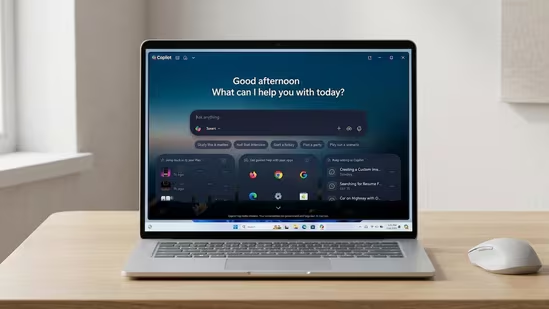
The big picture: Microsoft is easing one of the strict lines it previously drew around Copilot+ PCs, allowing more Windows 11 machines to run local AI workloads with the right GPU. An update shows that systems equipped with Nvidia RTX 30-series GPUs or newer, with at least 6GB of VRAM, can now support Windows' local language model APIs. On paper, it's a small, developer-only tweak, but it suggests Microsoft may be rethinking how tightly it ties on-device AI to Copilot+ branding.
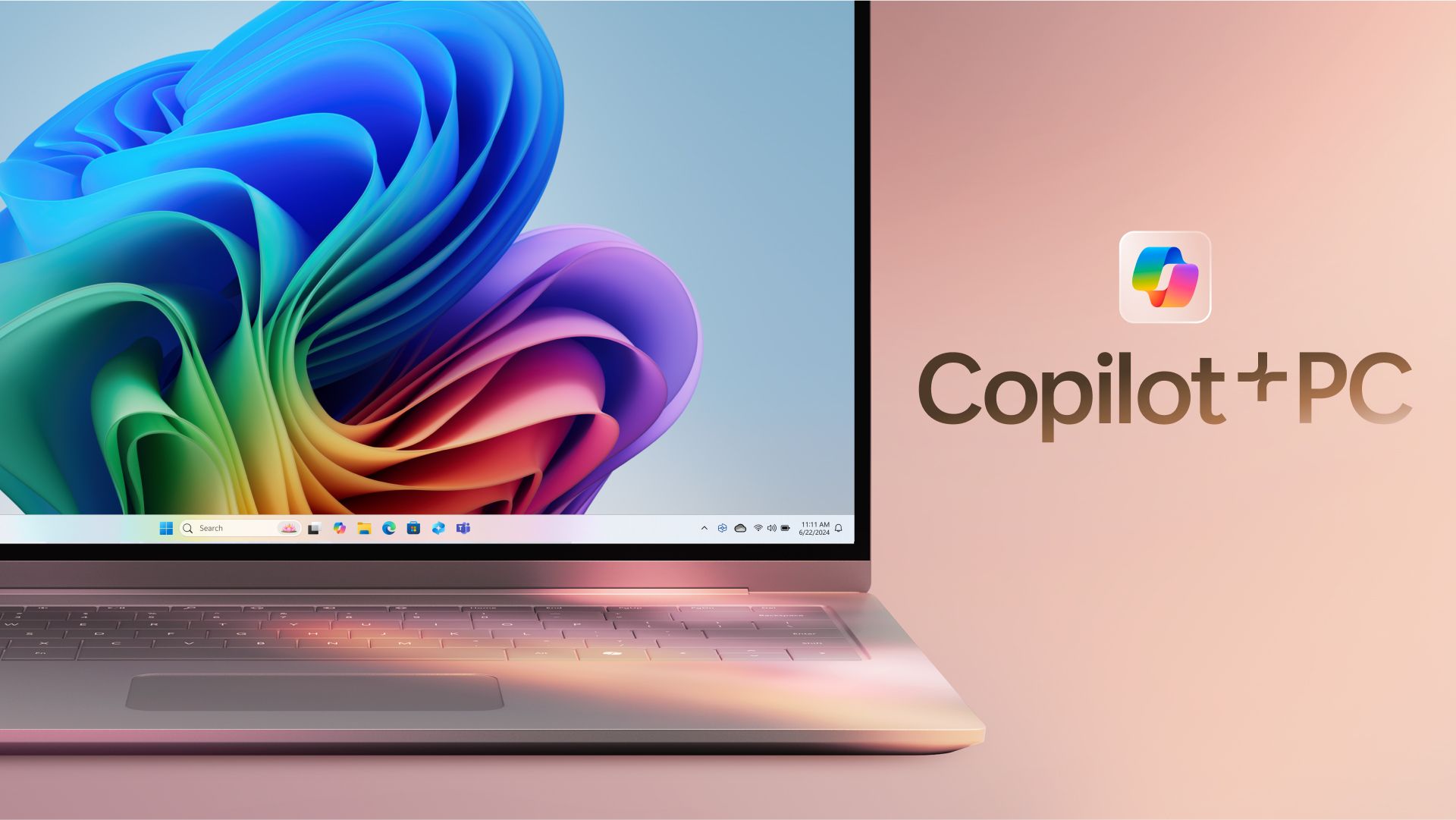
When Copilot+ PCs launched on June 18, 2024, the messaging was clear: dedicated AI hardware was essential. These machines were defined in part by their neural processing units, along with baseline specs such as 16GB of RAM and solid-state storage. The NPU requirement, in particular, was positioned as the key to unlocking local AI features in Windows.
But NPUs are not the only chips capable of handling AI workloads. GPUs, especially modern ones, are built for heavy parallel processing and have long been used to run machine learning models. In practical terms, they can offer more raw throughput for many AI workloads than today's NPUs, though typically at a higher power cost.