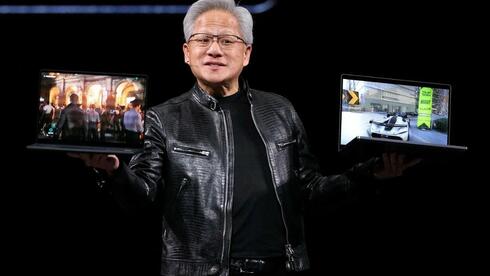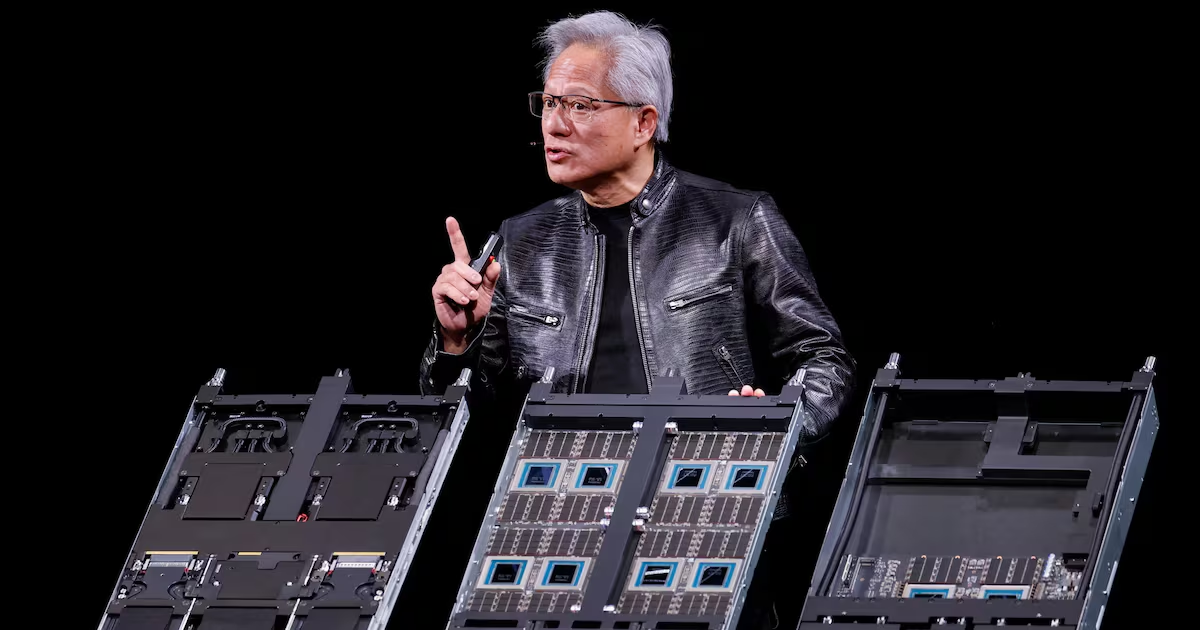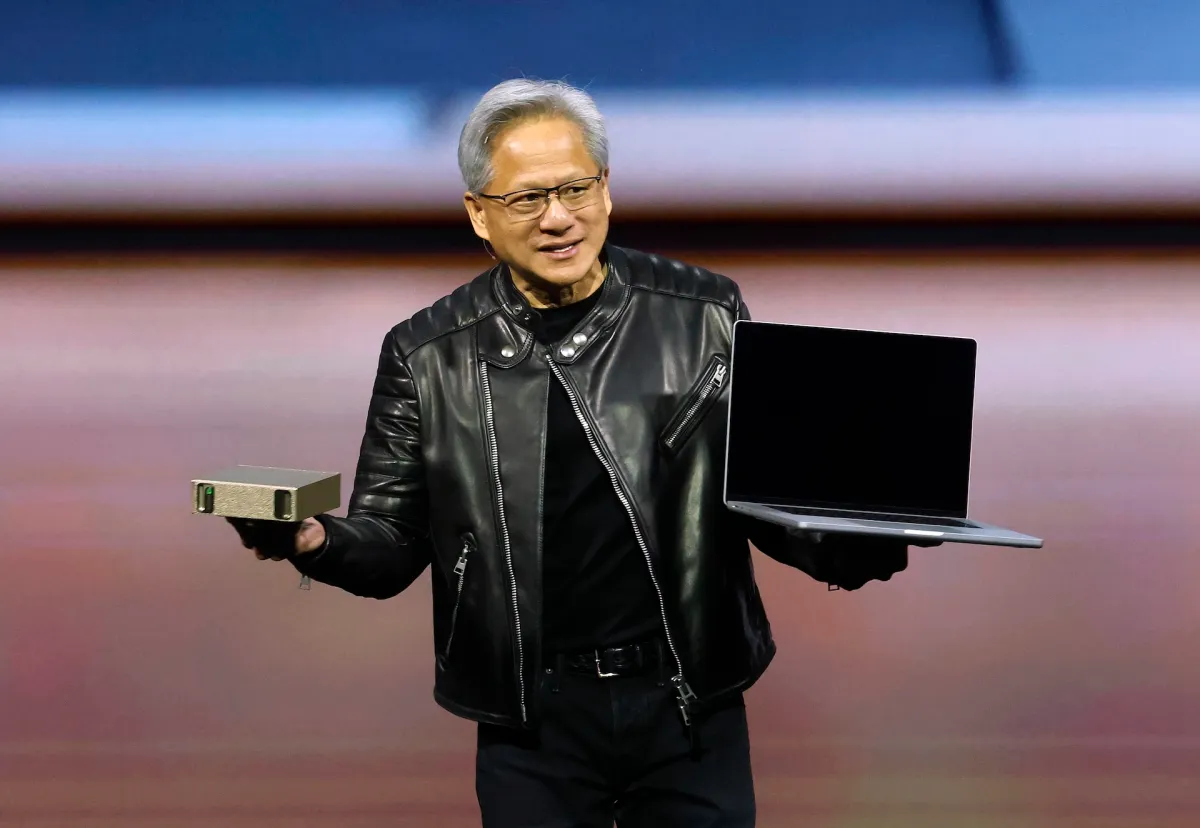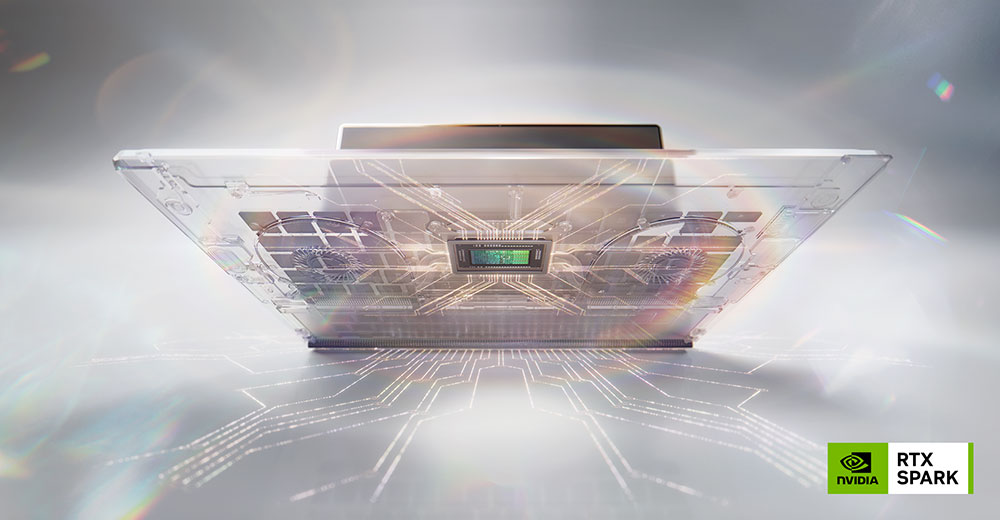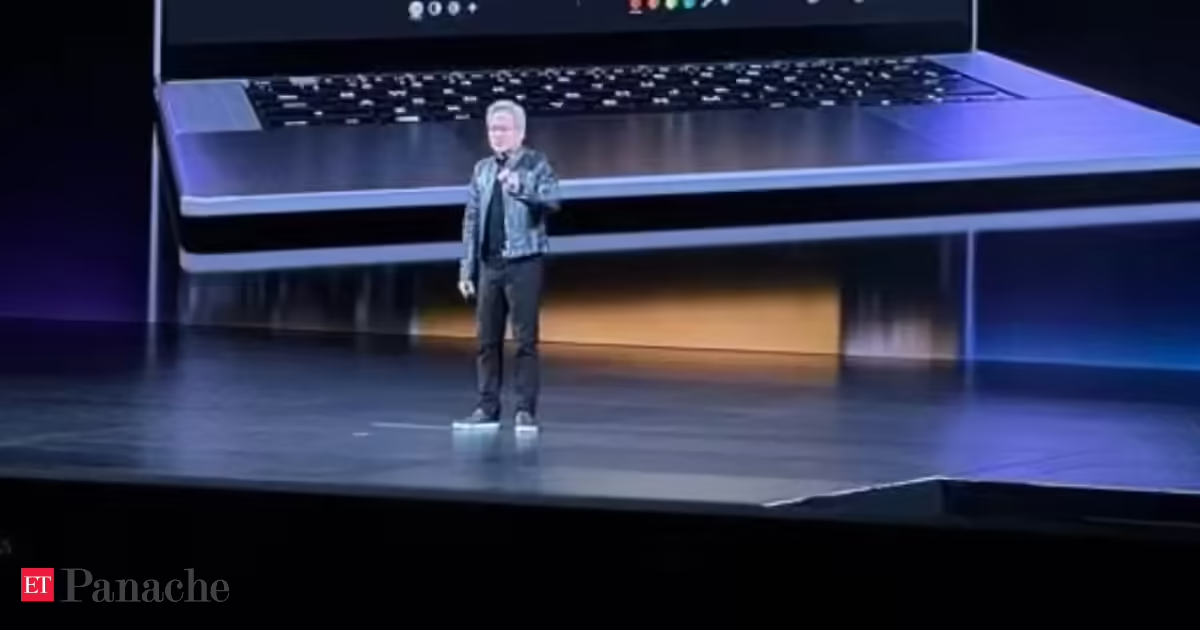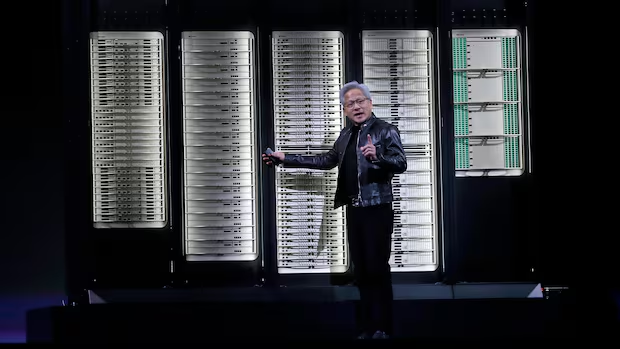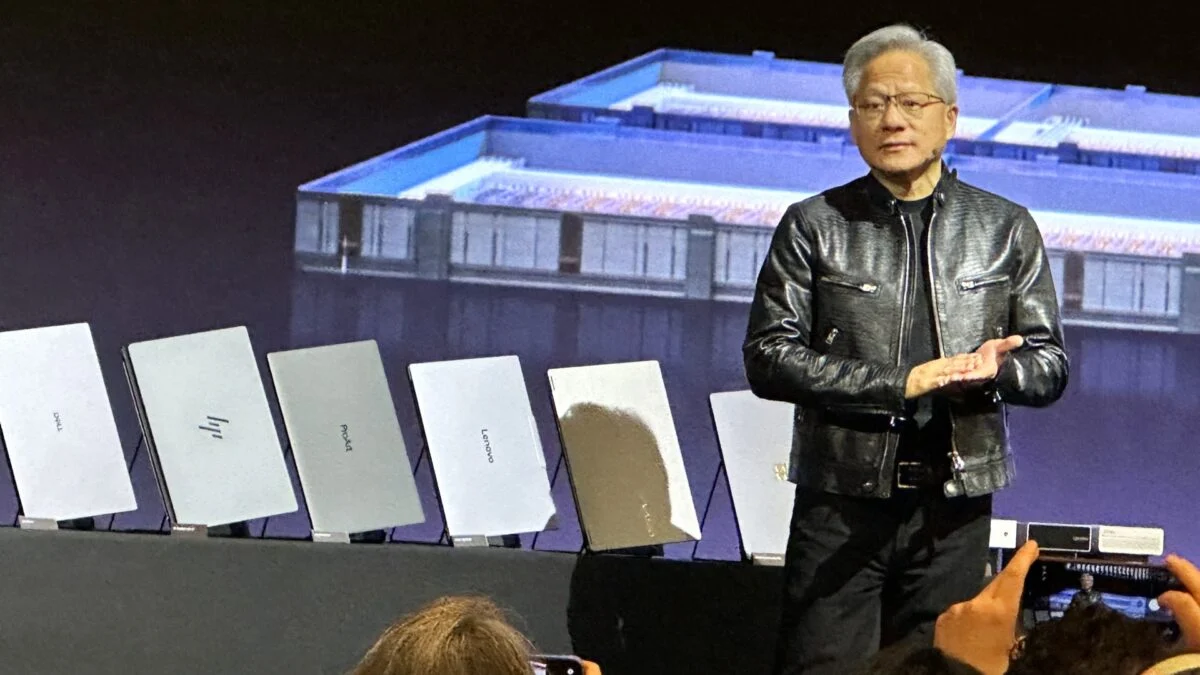
Two years ago, Qualcomm and Microsoft stood onstage and announced that the next generation of PCs, called Copilot+, would change everything about personal computing. It didn’t. Fast-forward to 2026. Nvidia and Microsoft have now announced a similar line of ARM-based RTX Spark PCs in another attempt to push the agentic lifestyle. You’ll once again be forced to reckon with it, with or without these expensive laptops in tow.
Consider the following: for years, Qualcomm has pushed and pushed for software compatibility across most major apps. It worked with Microsoft to enhance the emulation of the standard Intel and AMD-owned x86 architecture. Now, Nvidia is taking all the credit. Of course, Qualcomm is trying to spin the narrative. In a Q&A with reporters, Qualcomm’s SVP of compute and gaming, Kedar Kondap, bore the brunt of numerous questions about RTX Spark. He said the new PCs were “a good endorsement of the fact that there is an ecosystem that’s growing outside of x86… We led the way in driving that ecosystem, and I think this is positive tailwinds.” Kondap pushed back when I asked about Nvidia CEO Jensen Huang’s proclamations that RTX Spark was the agent-ready ARM PC, saying, “The last I tracked with my team, we were aware of 50 claws that were available… and a lot of these claws run very effectively on Snapdragon.” But the fact remains that Snapdragon doesn’t have an ultra-premium offering or the GPU capabilities that get people excited. RTX Spark systems may actually be good for gaming—something Qualcomm’s never achieved. You control how much processing power you want to give AI agents… for now. © Kyle Barr / Gizmodo Enter Microsoft’s new Surface Ultra. This expensive laptop is the culmination of a long journey for Microsoft. You may remember Windows’ first disastrous attempt to bring ARM to PCs in 2012. Work has been ongoing since then. Snapdragon X’s 2024 debut was preceded by nearly four years of grinding to force Windows and mainstream app compatibility. Brett Ostrum, Microsoft’s VP for Surface devices, told Gizmodo in an interview that Microsoft had been working alongside Nvidia for nearly two years on the project, previously dubbed N1X, that is now RTX Spark.