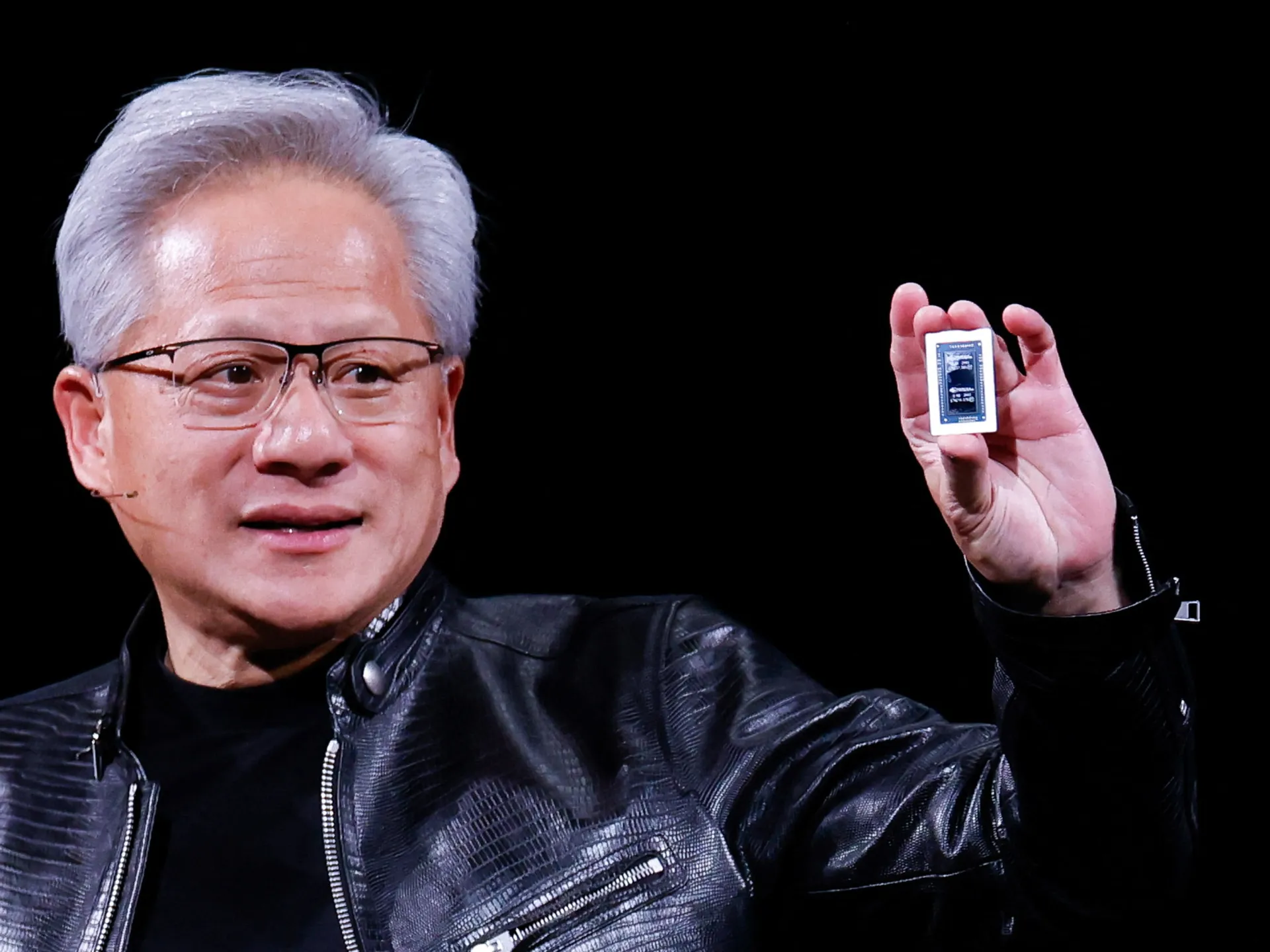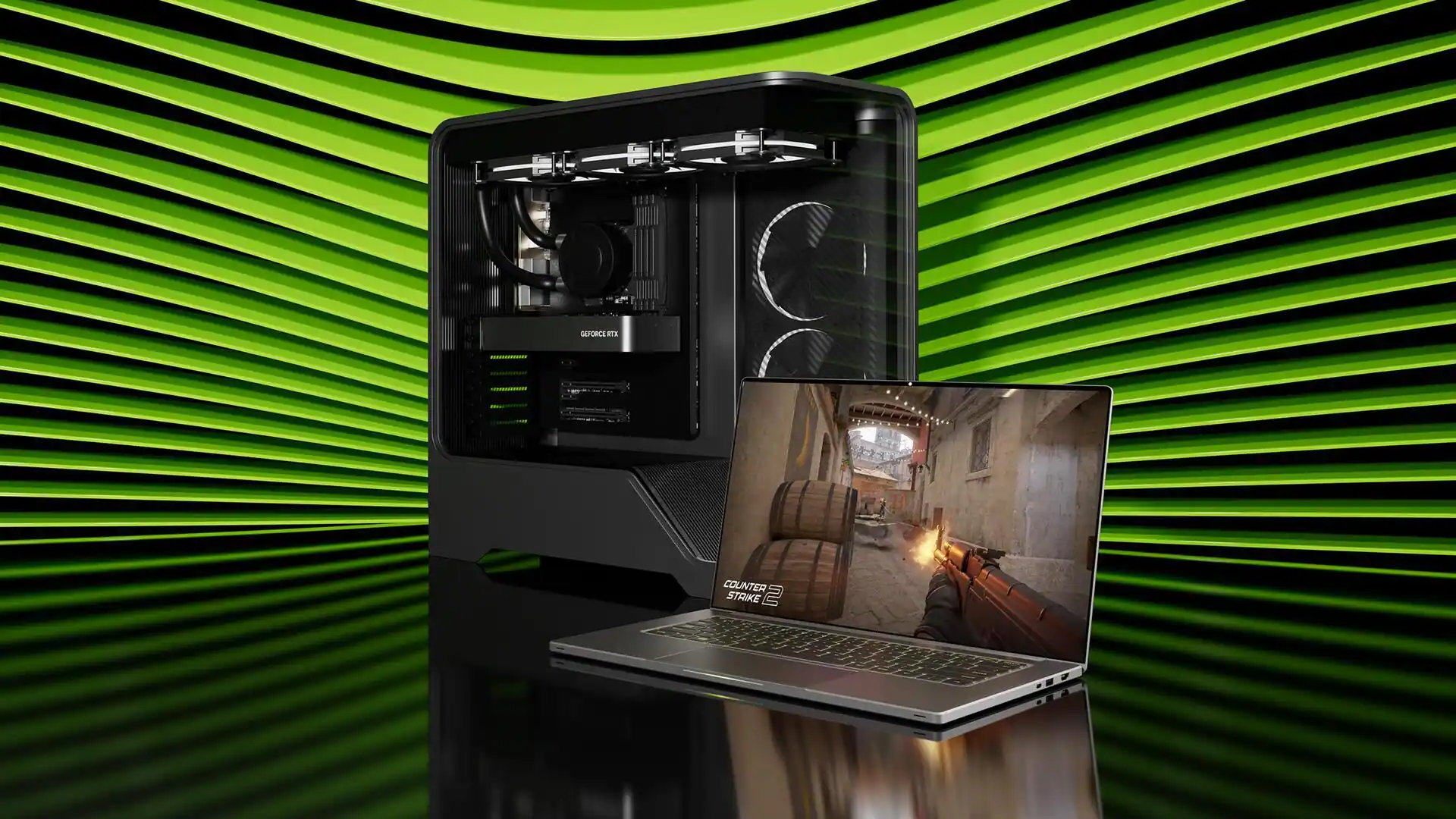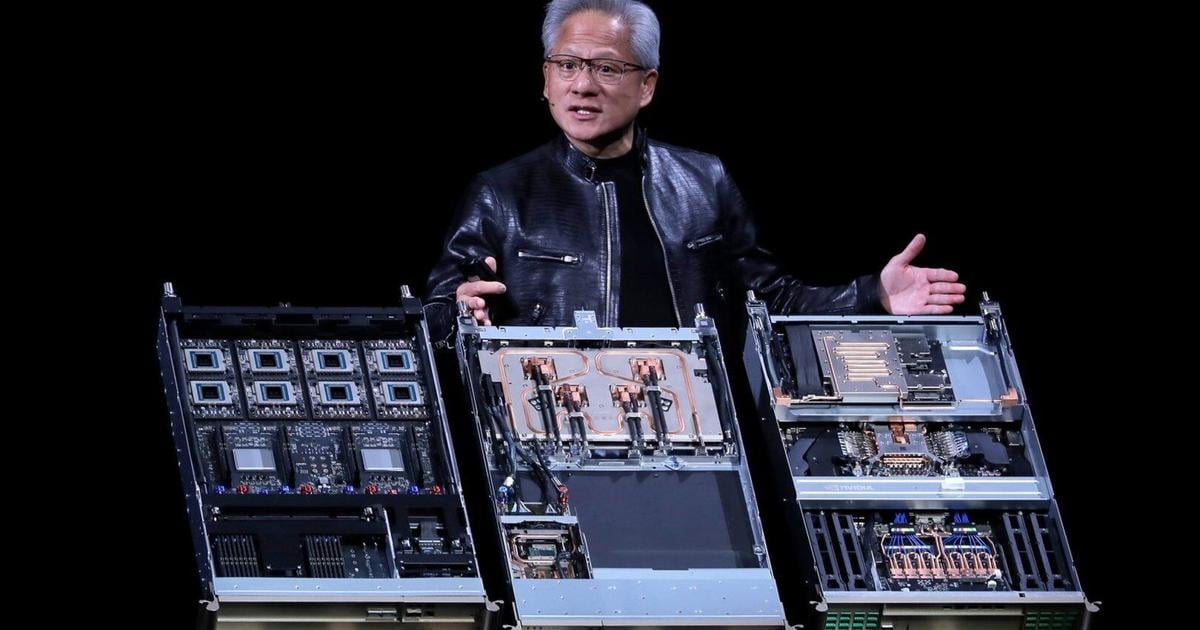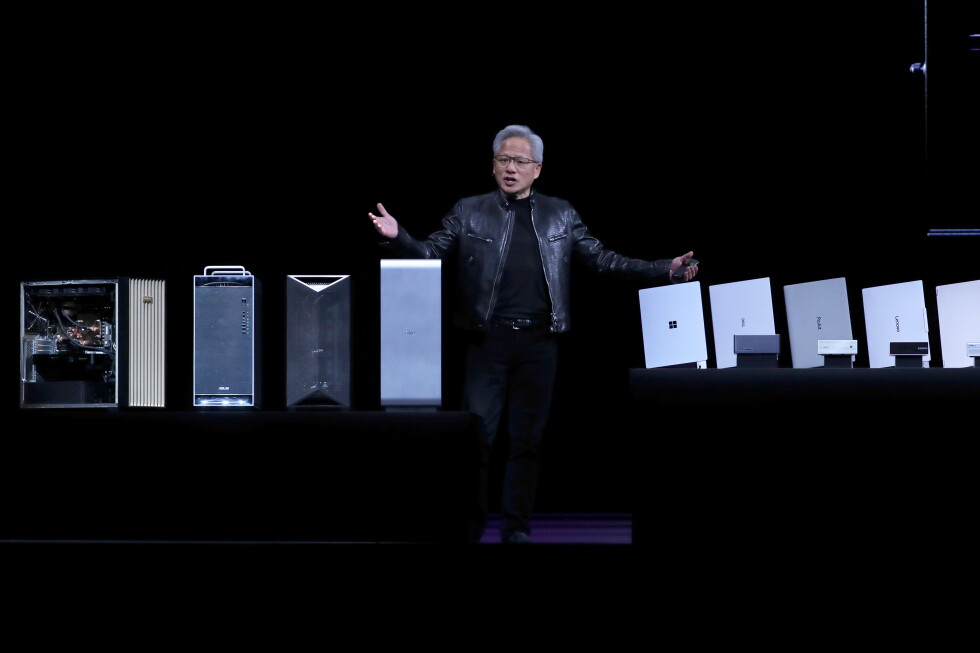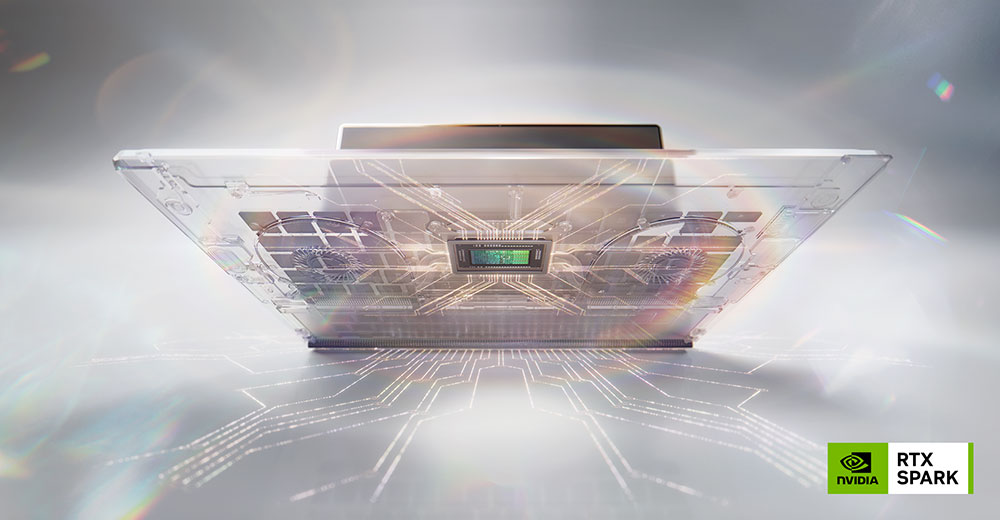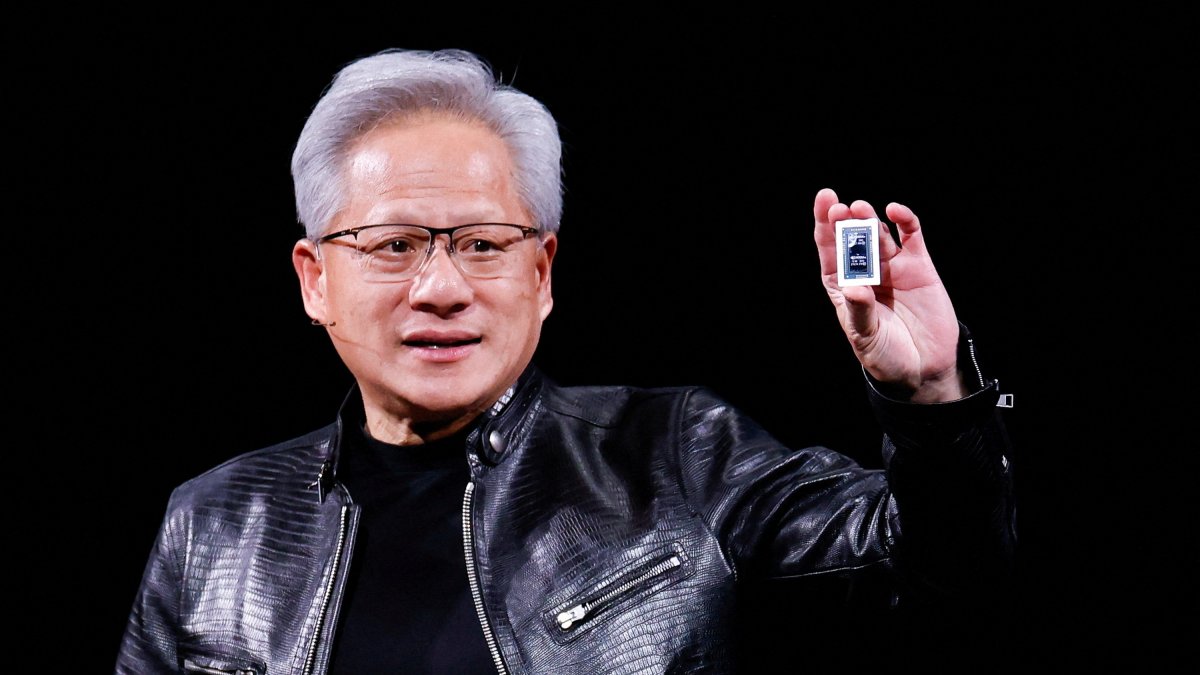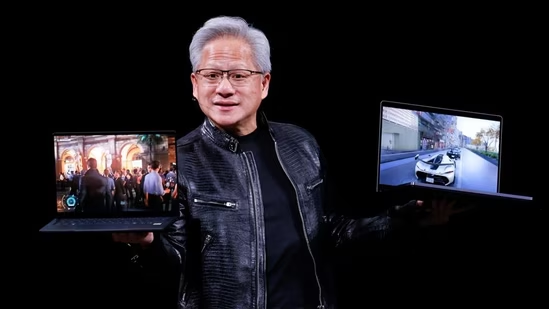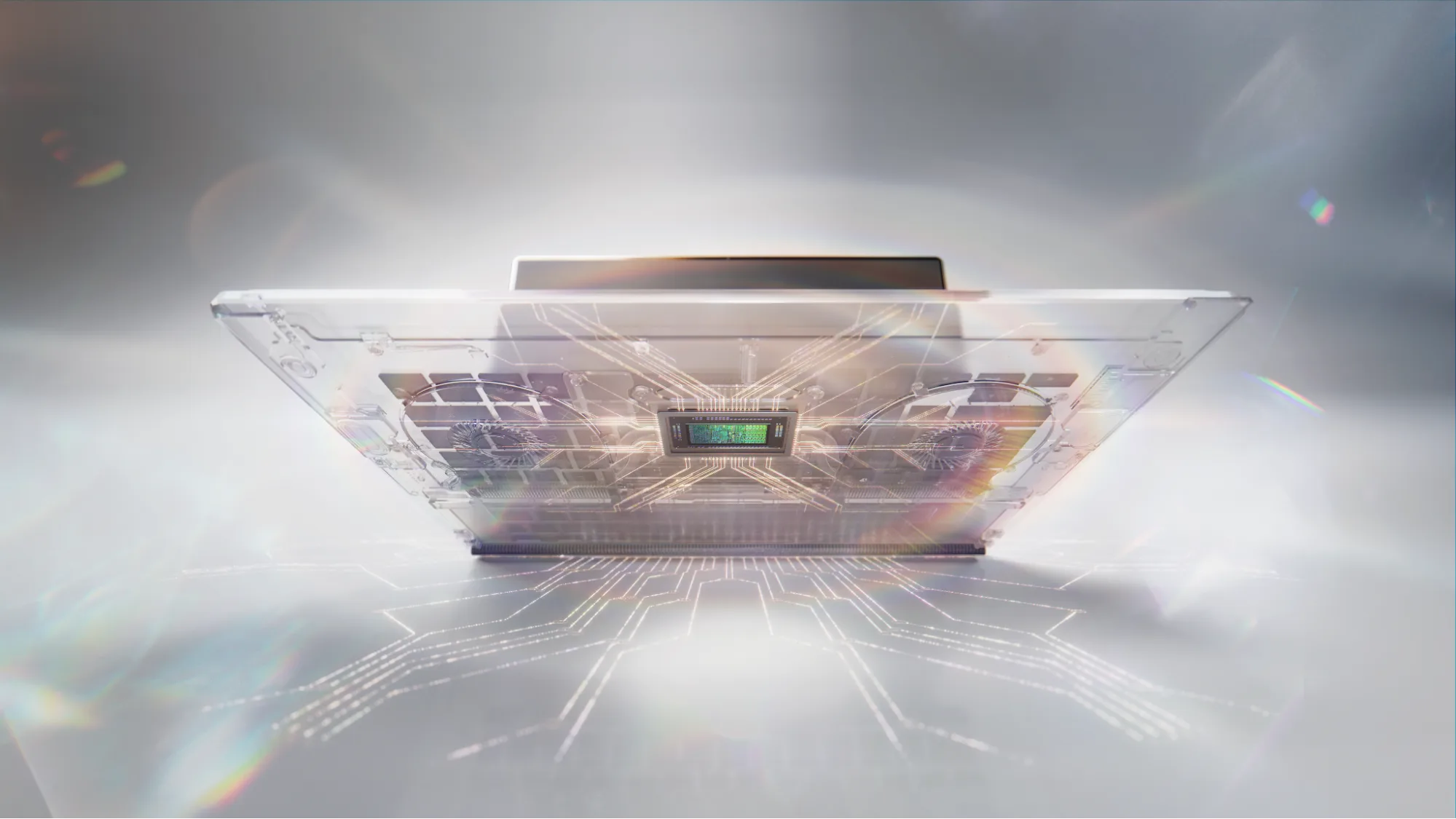
NVIDIA and Microsoft are making a case for what could be the next major shift in personal computing: PCs designed not just to run applications, but to act as AI-powered assistants capable of carrying out tasks on behalf of users.At NVIDIA's GTC Taipei conference, the company unveiled RTX Spark, a new AI-focused computing platform that will power a new generation of Windows laptops and desktops from manufacturers including ASUS, Dell, HP, Lenovo, Microsoft Surface and MSI.The announcement comes as the technology industry increasingly moves beyond chatbots toward AI agents, software systems capable of reasoning, planning and executing multi-step tasks. While cloud-based AI services have dominated the conversation so far, NVIDIA and Microsoft are now pushing for a future where many of these capabilities run directly on users' devices."With RTX Spark and Microsoft Windows, you ask and the PC does the work," NVIDIA CEO Jensen Huang said while unveiling the platform.A PC Built Around AIAt the heart of RTX Spark is a new superchip that combines NVIDIA's Blackwell graphics architecture with a custom Arm-based CPU developed in collaboration with MediaTek.NVIDIA claims the platform can deliver up to one petaflop of AI computing performance while supporting as much as 128GB of unified memory, specifications aimed at handling increasingly large AI models locally.The company says users will be able to run large language models with up to 120 billion parameters, process context windows reaching one million tokens, generate AI video, edit ultra-high-resolution content and execute complex AI workflows without relying entirely on cloud infrastructure.The hardware is also designed to retain traditional PC capabilities. NVIDIA says systems powered by RTX Spark will support AAA gaming at over 100 frames per second at 1440p resolution while also handling professional creative workloads.The Push for On-Device AgentsPerhaps the more significant announcement was not the hardware itself, but the software framework NVIDIA and Microsoft are building around it.The two companies are introducing a new Windows-native environment for AI agents, complete with security controls designed to govern what agents can access and how they interact with user data.A new runtime called OpenShell will allow users to define boundaries for AI agents, determine what information can be shared externally and route sensitive requests to local AI models instead of cloud services. The move addresses one of the biggest challenges facing agent-based computing today: trust.While AI agents are becoming increasingly capable, many users remain reluctant to grant them broad access to files, applications and personal information. NVIDIA and Microsoft are betting that running these systems locally, with stronger controls, could accelerate adoption.Microsoft CEO Satya Nadella described the initiative as part of the company's broader ambition to bring what he called "unmetered intelligence" to homes and workplaces.Adobe and Other Developers Join InThe ecosystem around RTX Spark is already beginning to take shape. Adobe said it is redesigning key components of Photoshop and Premiere Pro to take advantage of the new platform, with the goal of delivering significantly faster AI-assisted editing and content creation workflows.According to NVIDIA, creative applications will gain direct access to the platform's unified memory architecture and AI acceleration capabilities, enabling faster rendering, editing and generative AI features.Beyond Adobe, more than 100 software developers and gaming companies are supporting the platform, including Blackmagic Design, Blender, CapCut, ComfyUI, NetEase, Remedy Entertainment and Xbox. For developers working with AI models, NVIDIA is positioning RTX Spark as a portable workstation capable of running advanced local AI workloads that previously required desktop-class hardware or cloud infrastructure.A New Category of Windows PCsThe first RTX Spark-powered devices are expected to arrive later this year. Manufacturers are preparing a range of products, from ultra-thin laptops aimed at creators and developers to compact desktop systems designed for AI workloads and gaming.The larger ambition, however, goes beyond a hardware refresh cycle.For decades, personal computers have largely operated through applications launched and controlled directly by users. NVIDIA and Microsoft are proposing a different model, one where software agents become intermediaries between users and their devices.Whether consumers embrace that shift remains to be seen. But as AI increasingly moves from answering questions to performing actions, NVIDIA's latest announcement suggests the PC industry believes the next computing platform may not be defined by apps, but by agents.
NVIDIA and Microsoft bet on AI agents to reinvent the personal computer
NVIDIA and Microsoft are set to launch new Windows PCs powered by AI. These devices will act as intelligent assistants, performing tasks for users. This technology aims to bring advanced AI capabilities directly to personal computers. Manufacturers like ASUS, Dell, and HP will offer these new AI-focused machines later this year.
695 words~3 min read