A new report by the International Campaign to Abolish Nuclear Weapons (ICAN) highlights a sharp rise in global nuclear spending, with the United States leading by a significant margin. According to the watchdog, U.S. nuclear weapons expenditure reached an estimated $69.2 billion in 2025, a nearly 25% increase from the previous year and more than the combined spending of all other nuclear-armed states. The report, cited by RT, comes amid rising geopolitical tensions and renewed concerns over a global arms race involving Russia, China, and NATO members. At the same time, discussions within NATO reportedly include the possibility of expanding nuclear deployments in Eastern Europe, further intensifying strategic competition. Critics argue the data underscores growing contradictions in Washington’s messaging on nuclear restraint, even as military modernization accelerates.
US' hypocrisy exposed: Trump preaches nuclear restraint while Washington quietly expands arsenal
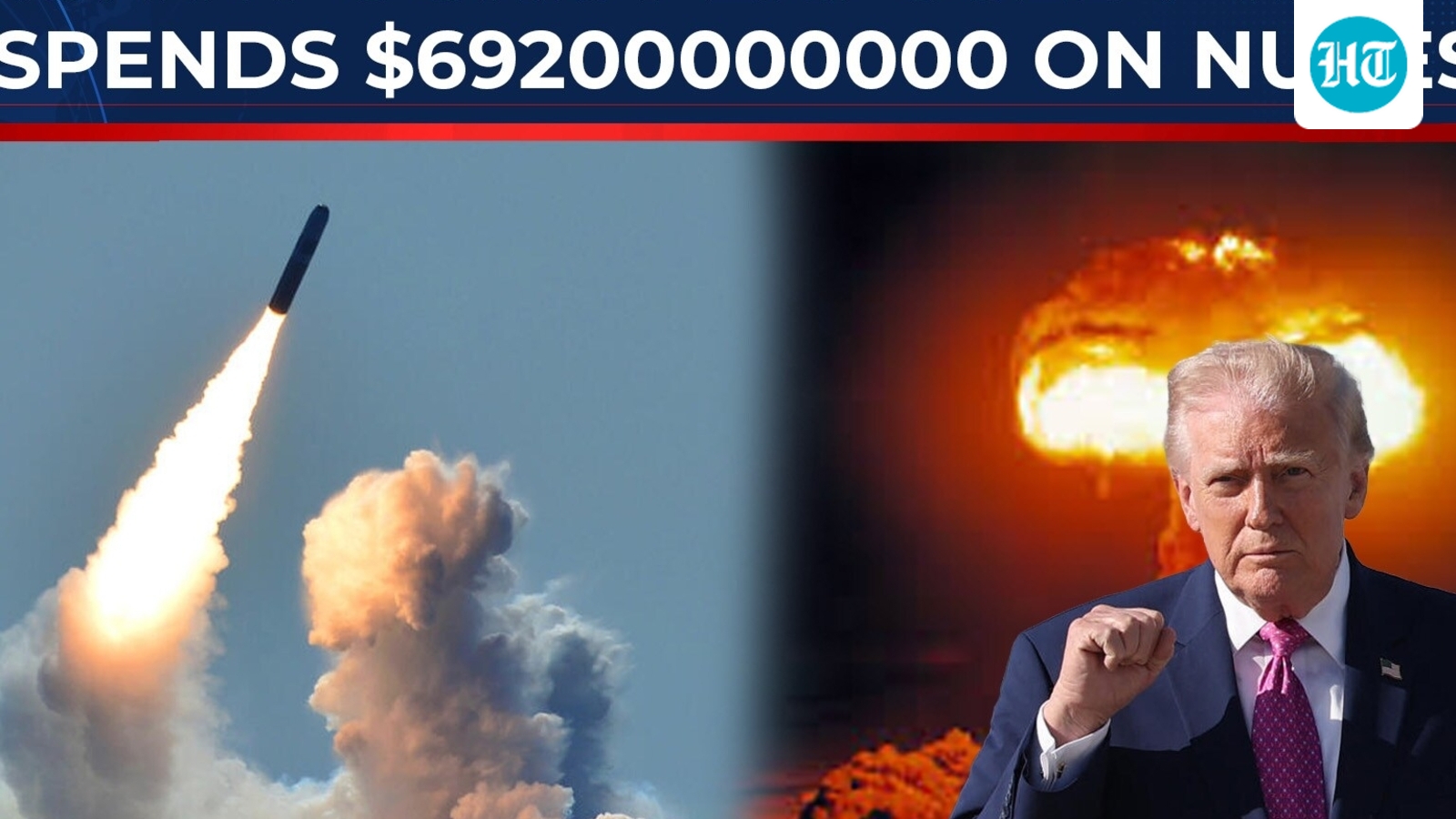
A new report by the International Campaign to Abolish Nuclear Weapons (ICAN) highlights a sharp rise in global nuclear spending, with the United States leading by a significant margin. According to the watchdog, U.S. nuclear weapons expenditure reached an estimated $69.2 billion in 2025, a nearly 25% increase from the previous year and more than the combined spending of all other nuclear-armed states. The report, cited by RT, comes amid rising geopolitical tensions and renewed concerns over a global arms race involving Russia, China, and NATO members. At the same time, discussions within NATO reportedly include the possibility of expanding nuclear deployments in Eastern Europe, further intensifying strategic competition. Critics argue the data underscores growing contradictions in Washington’s messaging on nuclear restraint, even as military modernization accelerates.
US nuclear spending hit $69.2B in 2025, up 25%, exceeding all rival nuclear states combined. Escalating geopolitical competition intensifies tech export controls and supply-chain governance, reshaping multinational infrastructure decisions.