June 11, 2026
2 min read
Add topic to email alerts
Receive an email when new articles are posted on
Please provide your email address to receive an email when new articles are posted on .
Imagine a scenario: A physician discusses a potential treatment with a patient in the office but does not recommend it. The physician’s ambient listening technology hallucinates a recommendation for that treatment and documents this in the electronic health record. The patient reads the note, undergoes the treatment and suffers a serious adverse reaction. The patient sues. Who is responsible?
June 11, 2026
2 min read
Add topic to email alerts
Receive an email when new articles are posted on
Please provide your email address to receive an email when new articles are posted on .
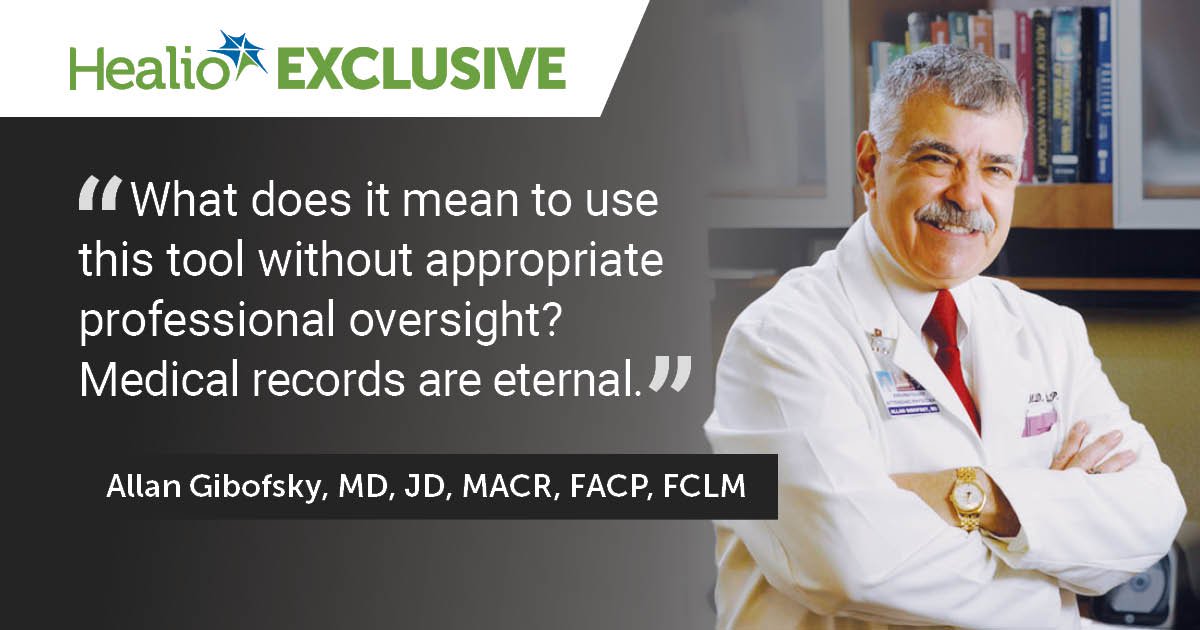
As the presence of ambient AI scribes to record clinical encounters in the exam room grows increasingly common, experts continue…
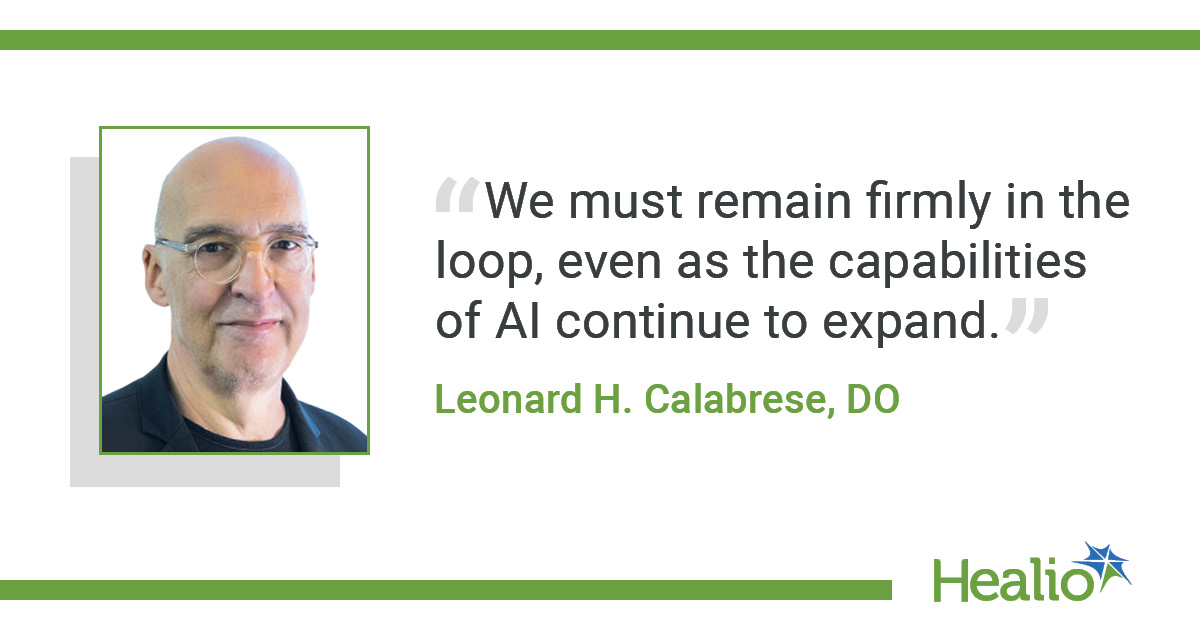
This month, I had the privilege of participating in a Healio Exclusive with Allan Gibofsky, MD, JD, MACR, FACP, FCLM; Kenneth G.…
Last month, I discussed the role of generative AI in the patient encounter and made the case that, when used thoughtfully, it can…

Ambient AI is transforming clinical documentation. But what happens when patients can audit the record, not the source?

As adoption of AI ambient scribe technology rapidly grows, the healthcare industry's standard method for evaluating clinical AI…

AI notetakers are helpful and save time, say doctors, who say the auditor general missed a crucial quality-control step in her…