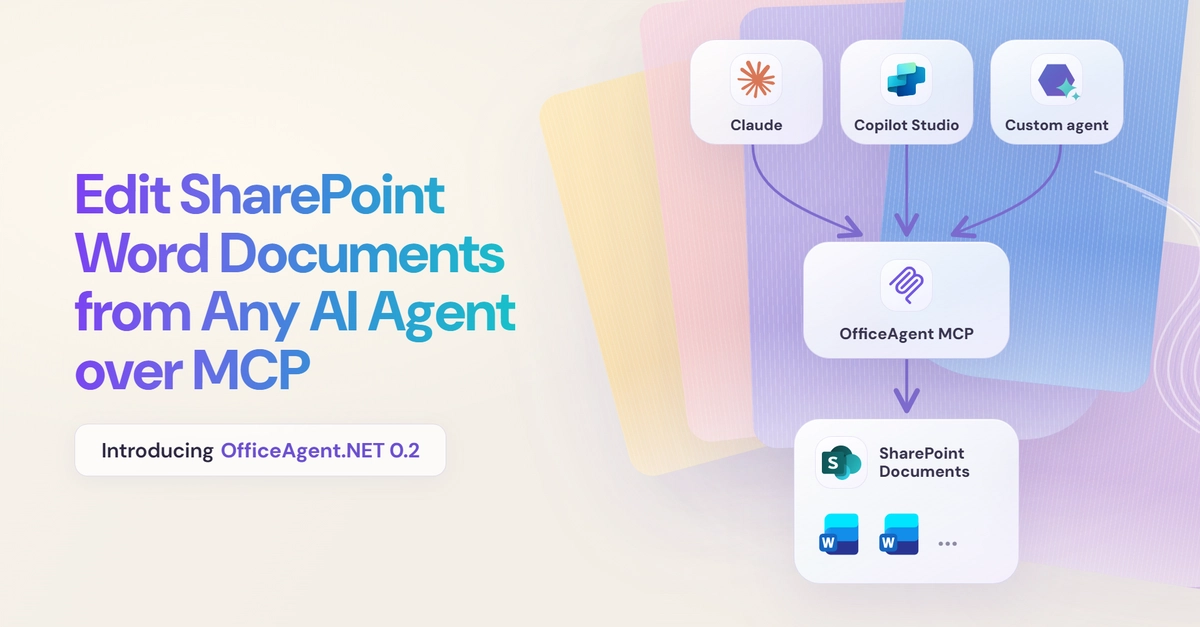
A few weeks ago I wrote about why AI agents struggle with Word documents. The short version: agents produce text, Markdown, JSON, and HTML, but a .docx is an OOXML package, and most of what makes it a Word document lives in XML parts outside the visible text. Something has to translate the agent's output into a valid Word file, and the Word file back into something the agent can reason about. I called this the agent-document layer, and announced an open-source project to build it for .NET.
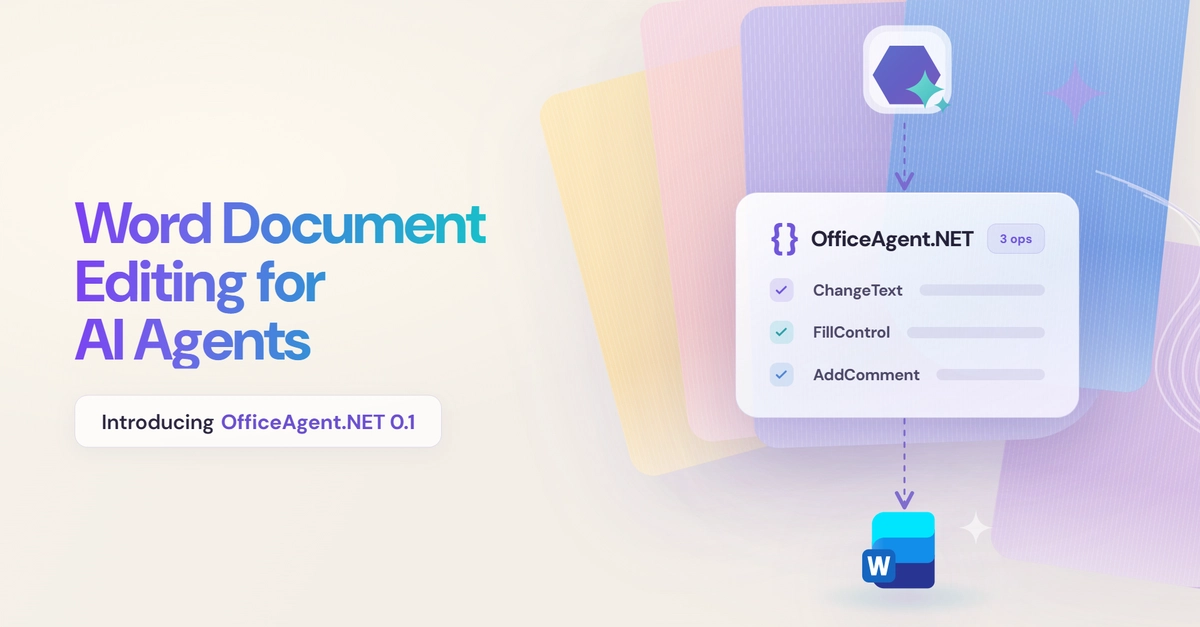
Today the first version is available. OfficeAgent.NET 0.1 is an open-source (MIT) .NET library that lets an AI agent describe Word document changes as a typed plan, while the library handles the Open XML details.
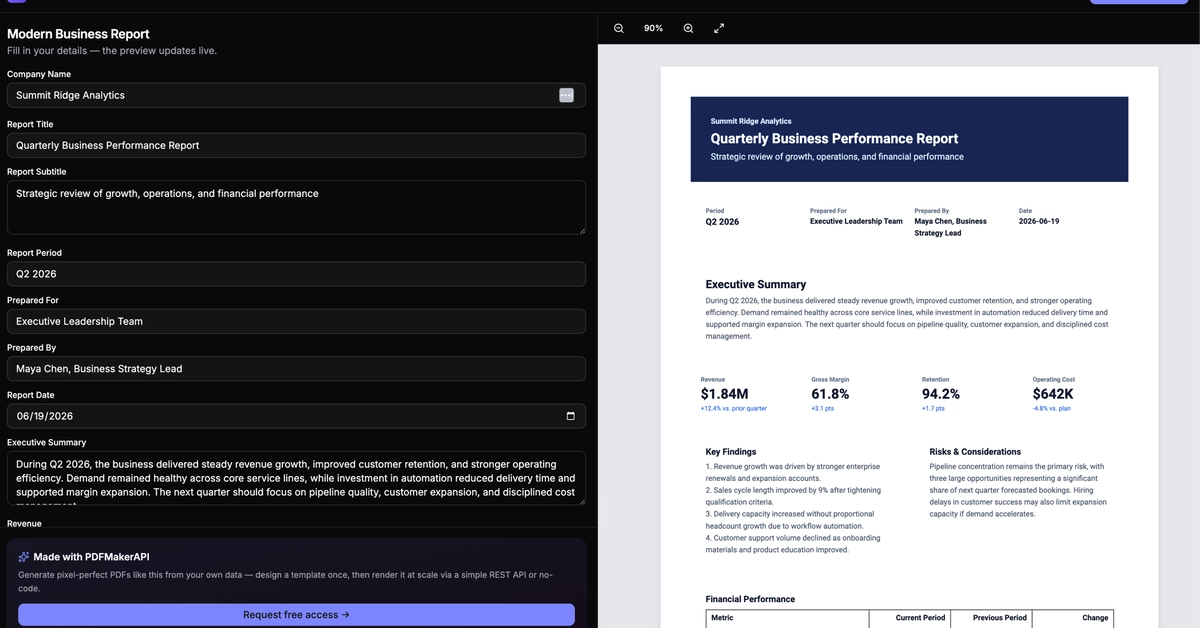
If your agents generate proposals, contracts, reports, or review packs, this layer is the missing piece of document automation between the model and the final .docx. This article is a first look at what the release contains and how it works.
The core idea: the agent never writes document bytes
The design decision behind OfficeAgent.NET is simple: the language model never produces .docx content directly.