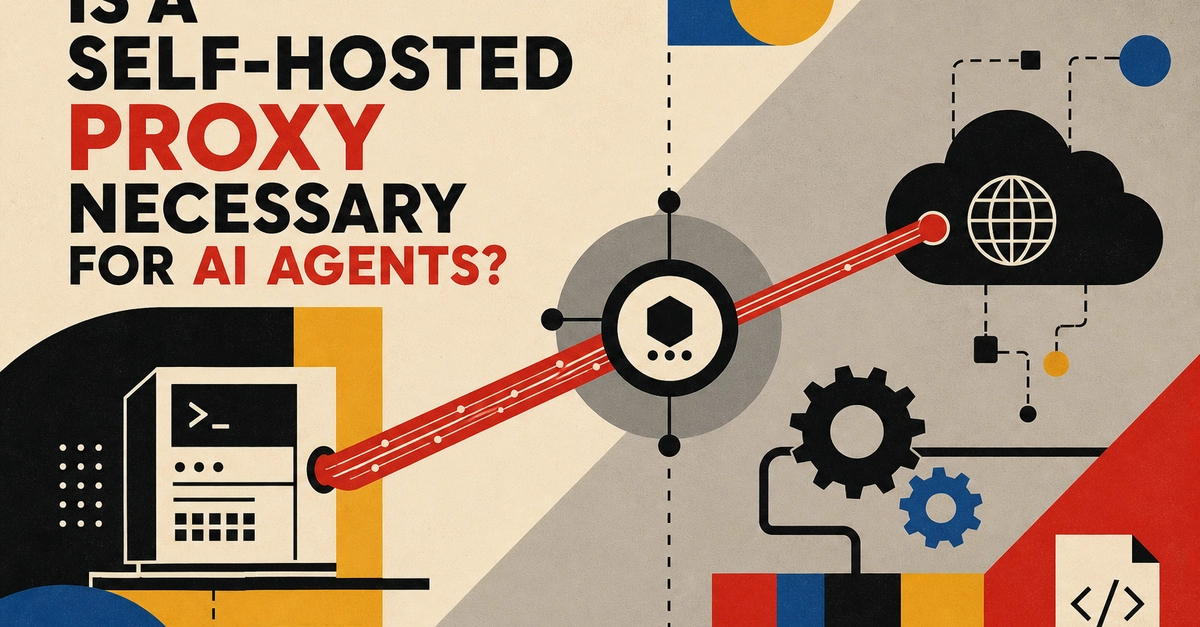
Agentic workflows are breaking because they treat network calls as infinite resources. When you deploy an agent that loops through thousands of steps, relying on a public cloud endpoint introduces a variable that no amount of logic can compensate for: latency and sovereignty. Cloud-only architectures force your agent into a reactive state. It must wait for external validation before executing local logic, creating a bottleneck that degrades performance the moment network jitter spikes or rate limits tighten.
We've seen teams ship robust agents only to watch them stutter during peak hours. The issue isn't the model; it's the transport layer. Sending proprietary context to public endpoints also creates compliance friction. You are handing over sensitive data for filtering, logging, and potential training by a third party you don't control. For enterprise workflows or high-stakes internal tools, this is unacceptable.
The Latency and Sovereignty Problem with Cloud-Only Architectures
Public APIs introduce variable network latency that breaks tight decision loops required for real-time agent coordination. In a cloud-native setup, the agent waits for every response to return from a remote server before proceeding. If the API has a 50ms delay, or worse, if it throttles your request after hitting rate limits, your entire workflow stalls.