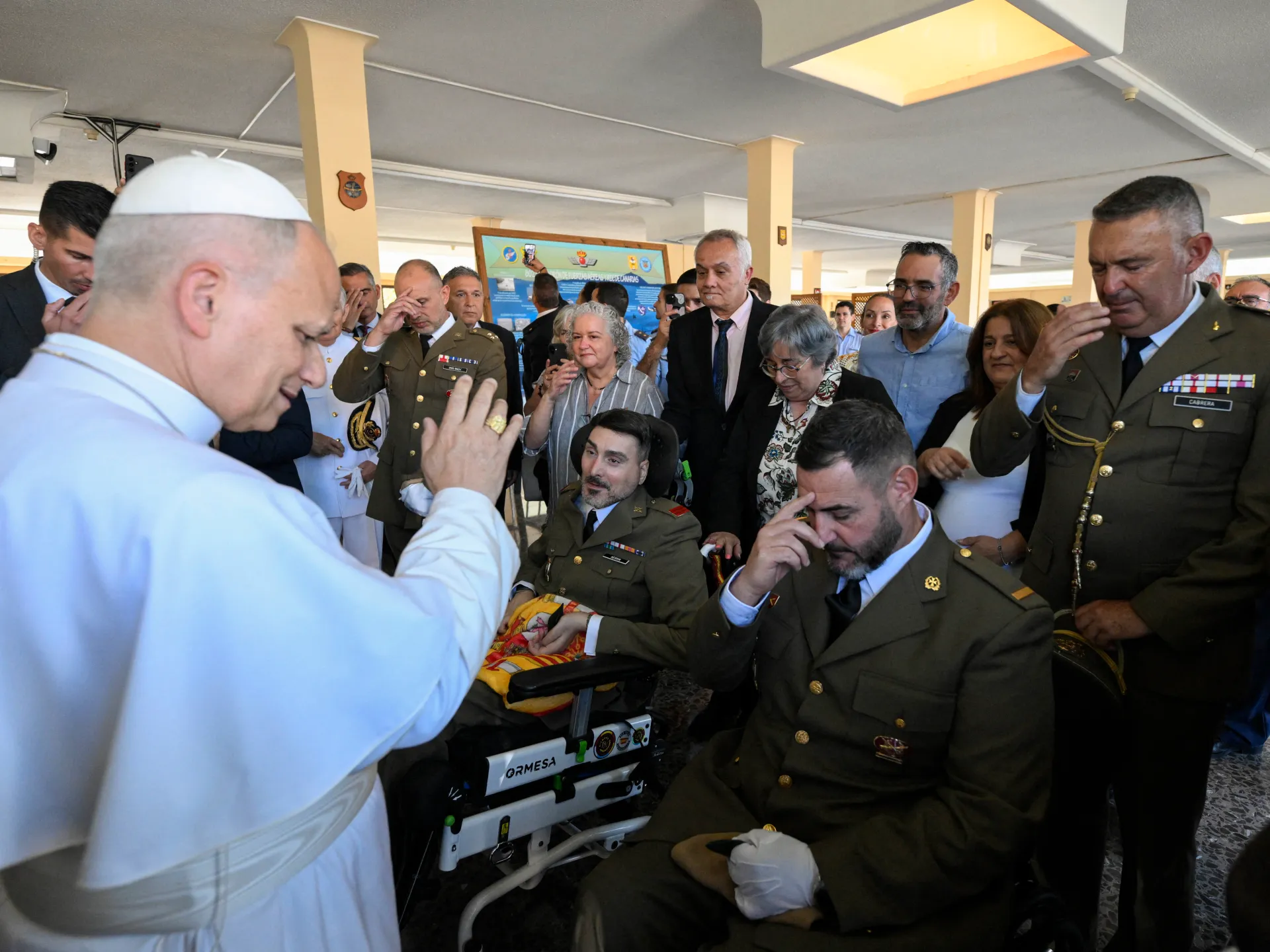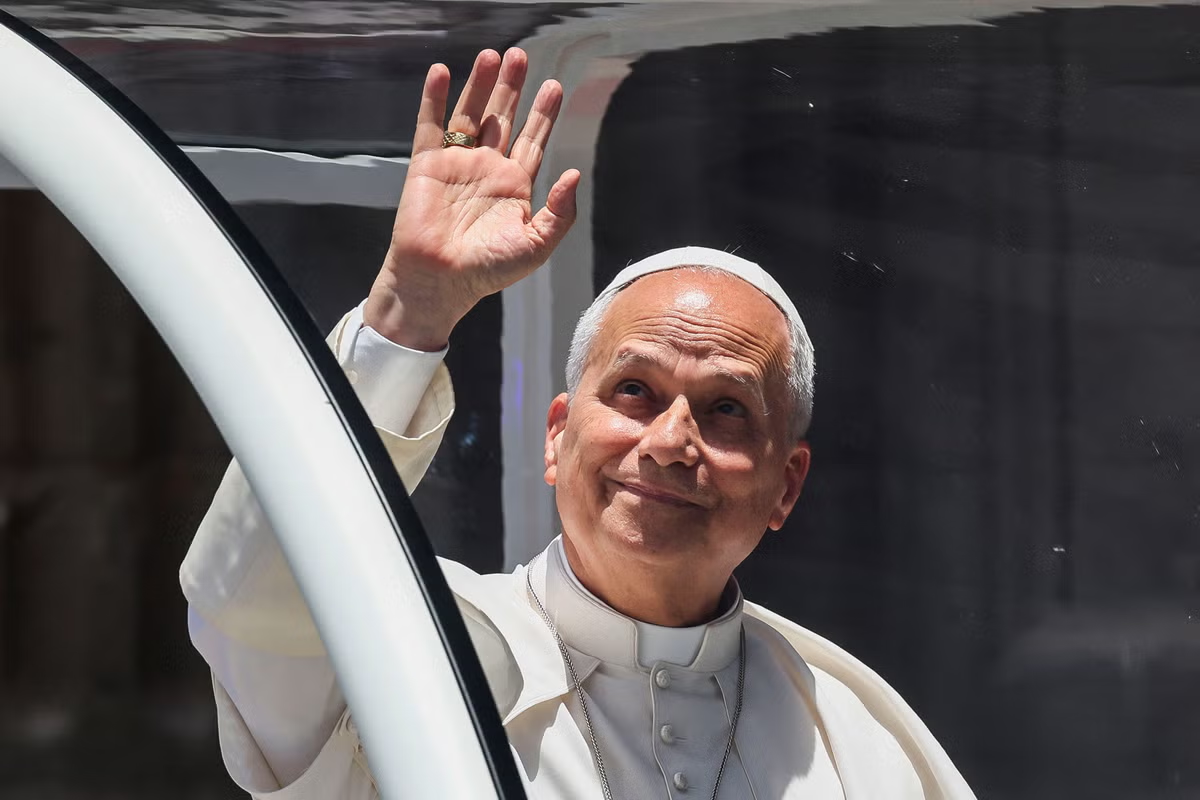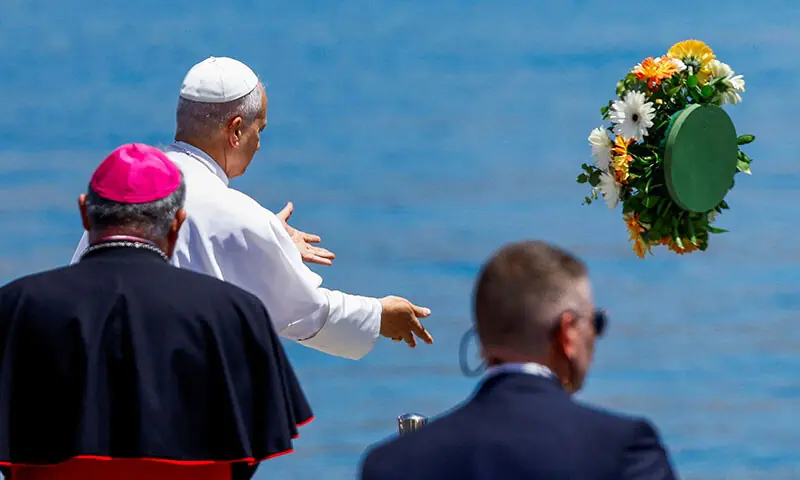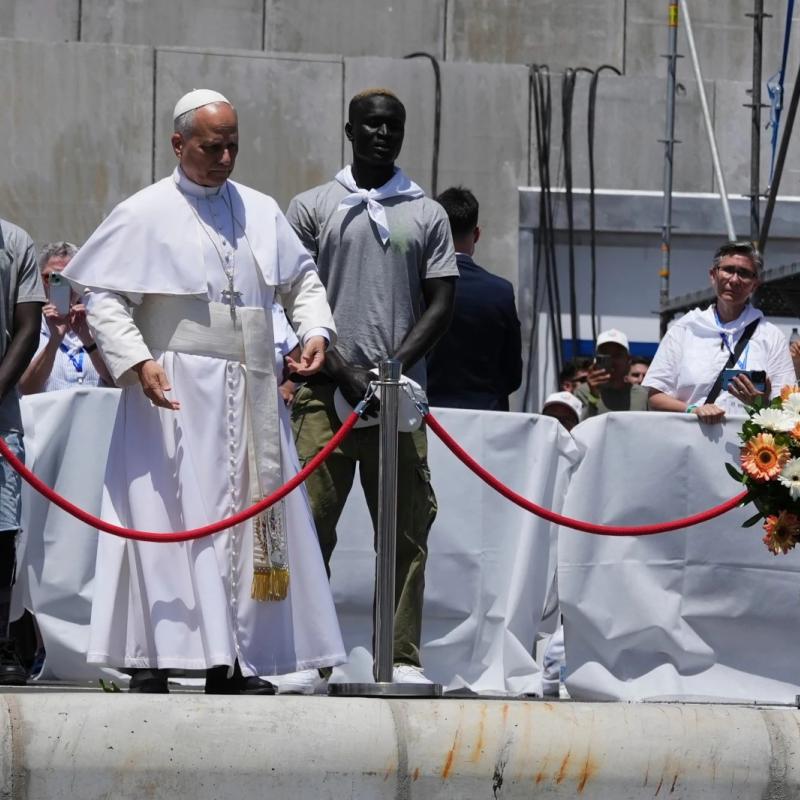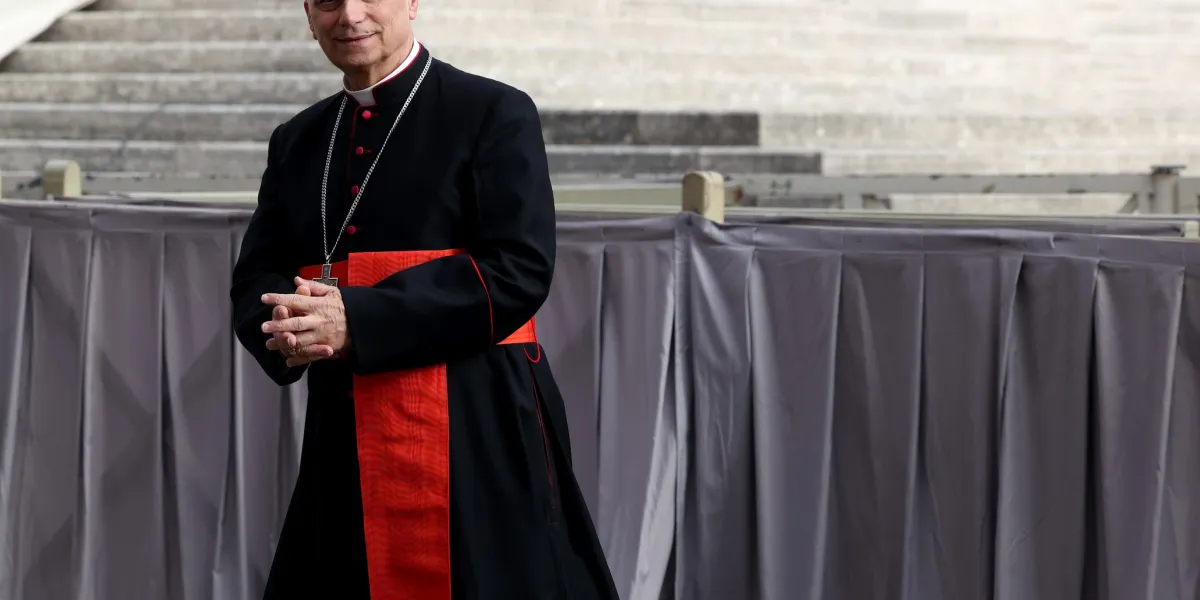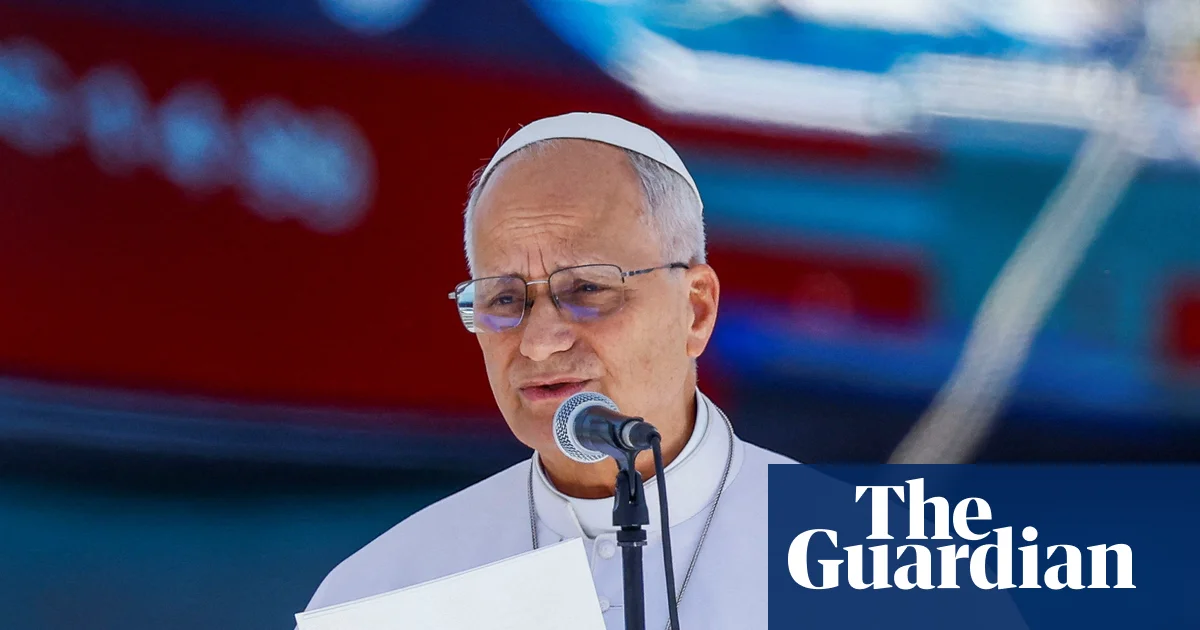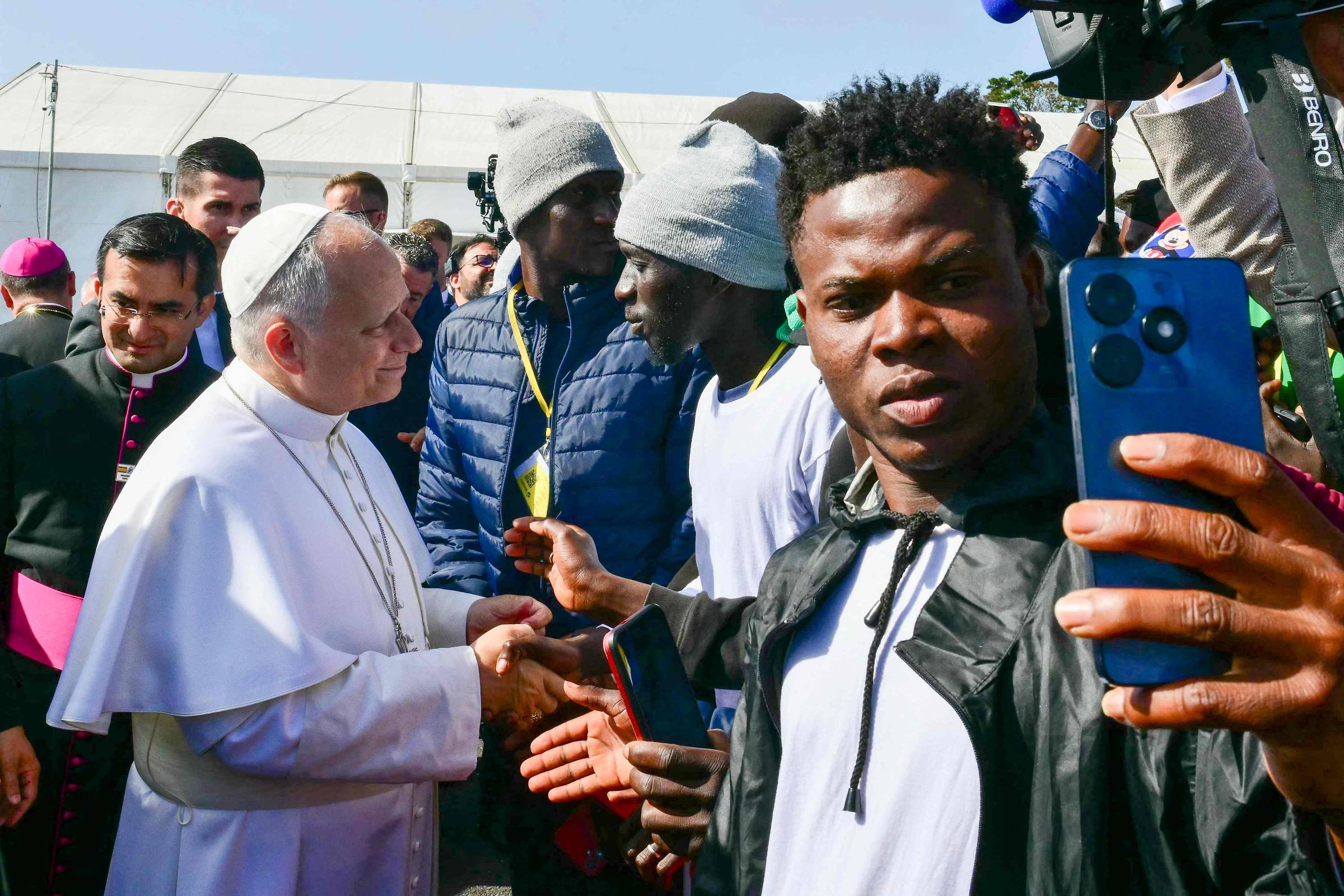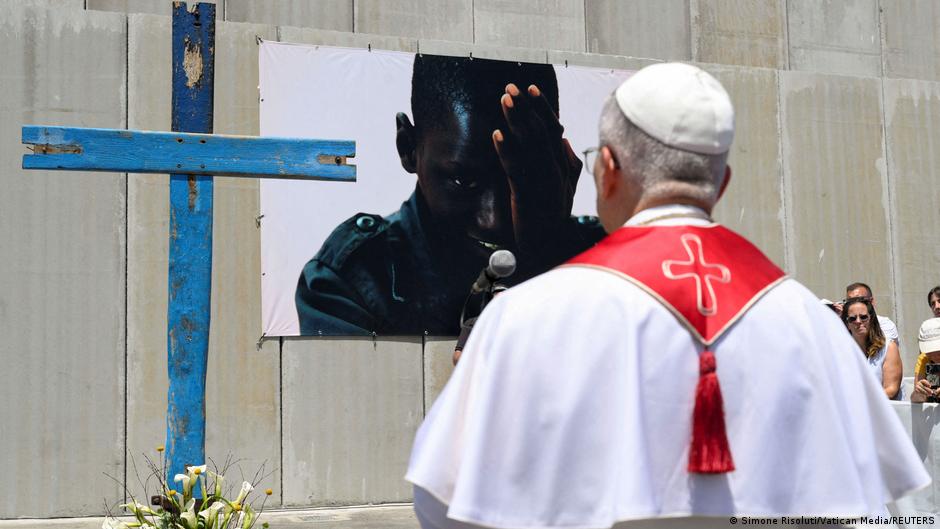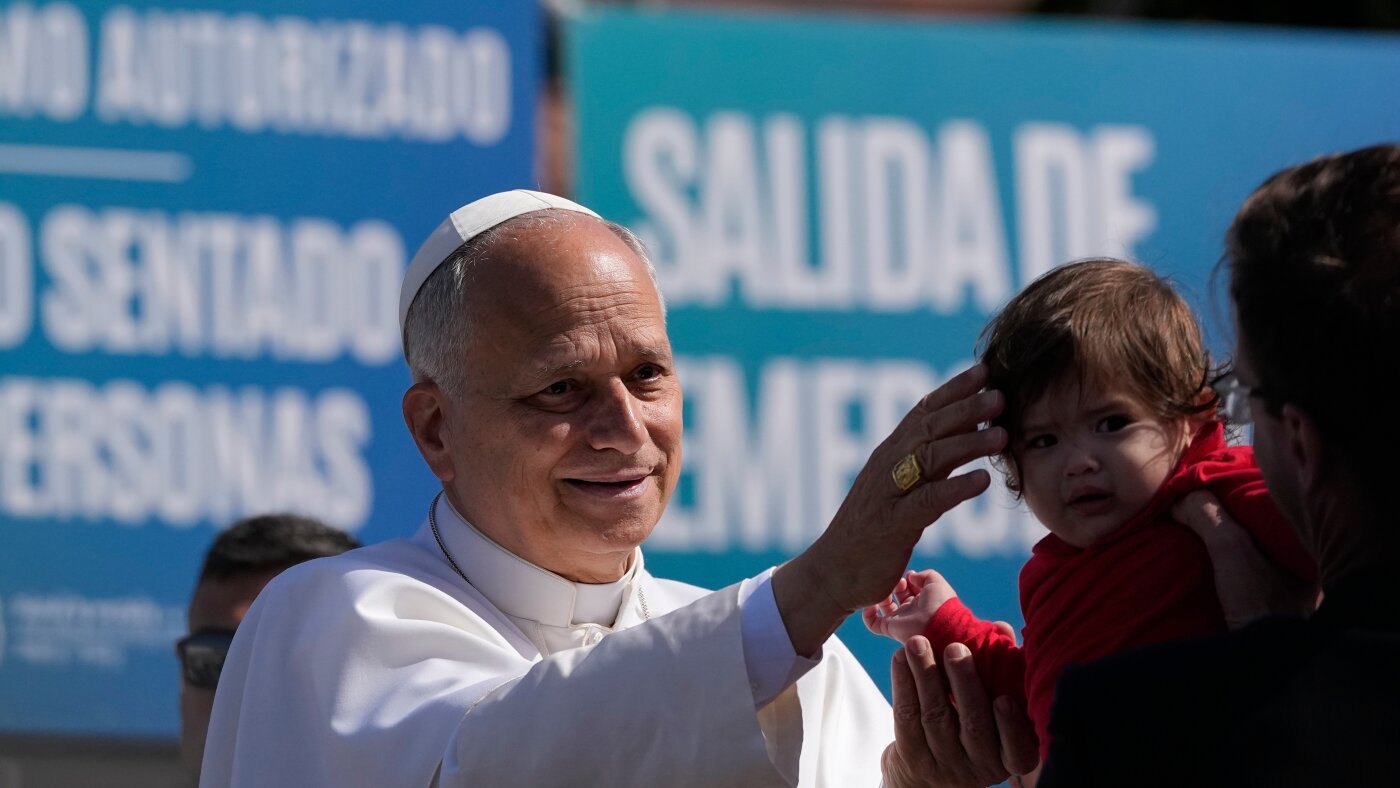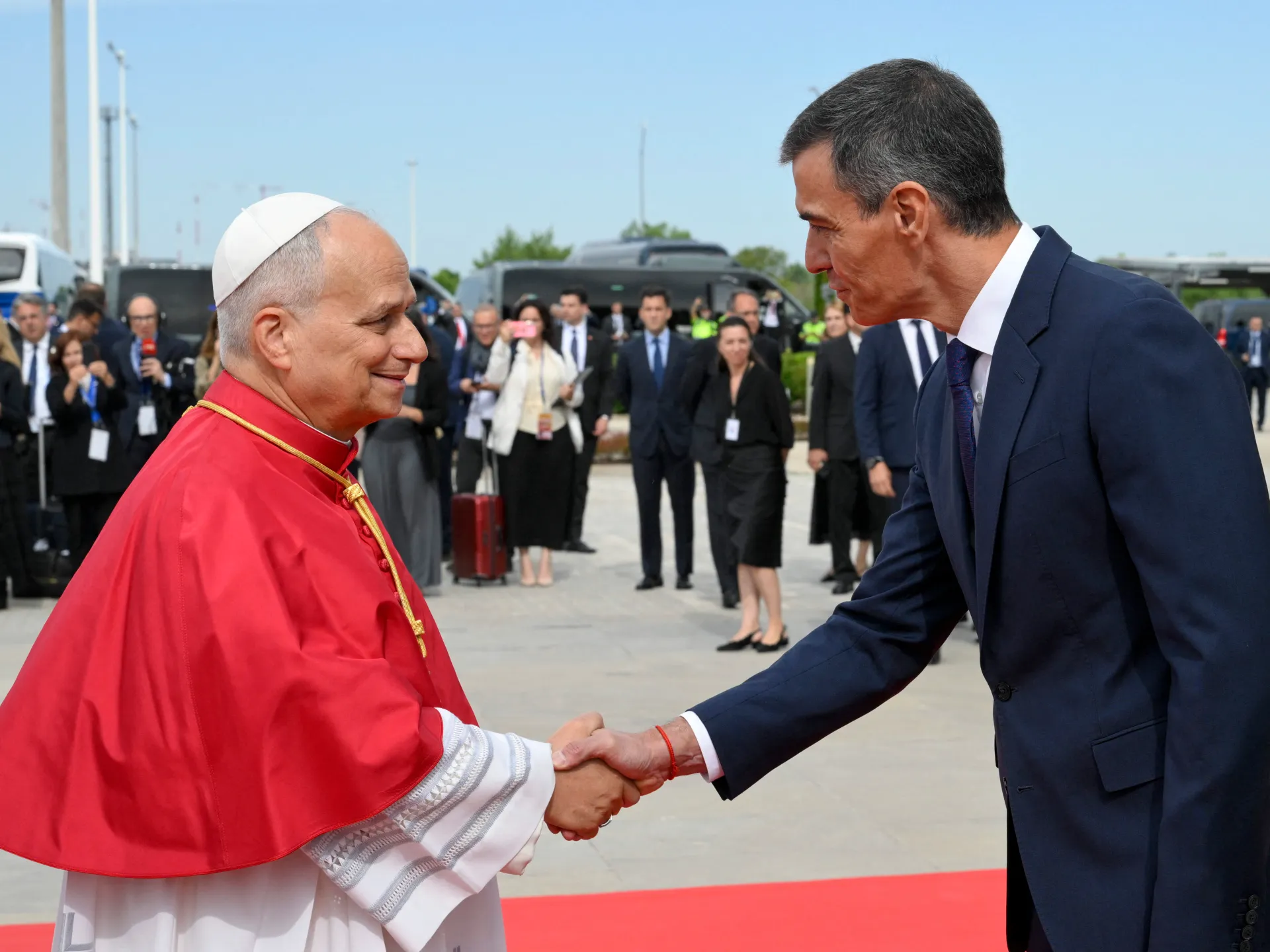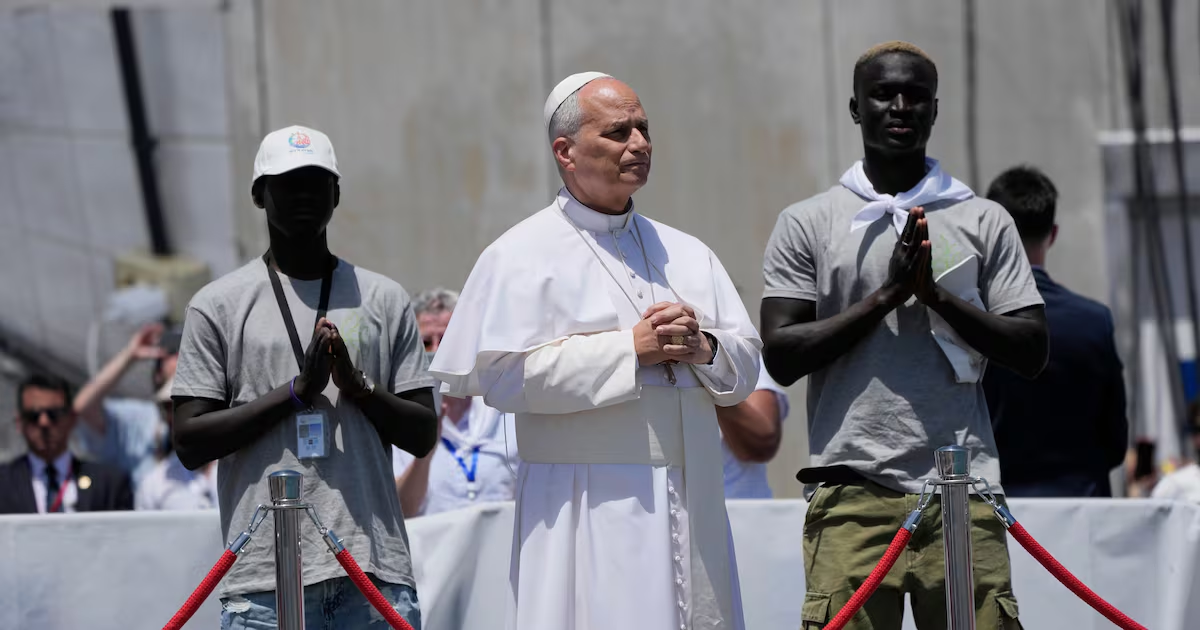
Pope Leo appealed to world leaders on Thursday to treat migrants more humanely, warning in a visit to Spain’s Canary Islands, one of Europe’s migration focal points, that history would condemn those who allowed people fleeing war or poverty to suffer.In what he called an “appeal to the conscience” of politicians in Europe and the international community, the first US pope said that “human dignity has no passport and does not lose its value when crossing a border”.“We cannot grow accustomed to counting the dead,” said the pope at Gran Canaria’s port of Arguineguín, dubbed the “Dock of Shame” by relief organisations after some 1,000 migrants were stranded in squalid conditions there in the early months of the Covid-19 pandemic.“May history not accuse us of turning the pain of those who suffer into a common sight along our shores,” he urged thousands gathered near a memorial to migrants lost at sea. “Sooner or later, it will be known whether we protected life or whether we yielded to indifference.”Leo, who has adopted a more forceful tone against the direction of global leadership in recent months, recently drew the ire of US president Donald Trump after sharply criticising his hardline, anti-immigrant policies.Pope Leo XIV throws a wreath in to the sea to commemorate migrants who died trying to reach the Canary Islands. Photograph: Stefano Rellandini/AFP via Getty Images The pope is visiting the archipelago off the western coast of Africa as the centrepiece of a weeklong tour of Spain, where he will meet some 1,000 migrants on Friday.The islands are a destination for migrants taking a deadly journey through Atlantic waters, often in improvised and overcrowded small crafts.In Thursday’s meeting at the port with NGOs and charity organisations helping migrants, the pope heard from volunteers and others, including a rescue boat captain who said that in 18 years he and colleagues had saved some 20,000 migrants.“It’s a number that makes me sick and that you cannot forget,” said the captain, Tito Villarmea. “I wish we didn’t have to save anyone.”The pope also listened to testimony read on behalf of a Nigerian woman who recounted her experience of being trafficked and sexually abused while trying to enter Europe to pursue a better life. “I lived in conditions I would not wish on anyone,” she said.Leo told the woman that she was a blessing from God and deserved happiness.“Dear migrants, before saying anything else to you, I want to bow before your dignity,” the pope said. “You are not just numbers or files. You are people who have left behind families and homes. You have dreams that no one has the right to despise.”Located more than 1,000km from Spain, the Canaries received a record 46,843 irregular migrants in 2024, compared with fewer than 1,000 in 2015, according to official data.More than 3,000 people died in 2025 trying to reach the islands, according to the NGO Caminando Fronteras.Leo told the Spanish parliament on Monday that a lack of help for the world’s migrants was challenging “the ethical foundation of the international order”.[ Pope Leo tells Spanish parliament migrants must be respectedOpens in new window ]On Thursday, he called for “legal and safe pathways” for immigration, international co-operation to fight human trafficking, and funding to rescue migrants in distress at sea.The world must do more to eradicate poverty, wars and corruption that forces migrants to flee their homes, he said.“It is not enough to manage arrivals, distribute statistics, reinforce borders or lament deaths after they have occurred,” said Leo.Juan Carlos Lorenzo, co-ordinator of the Spanish Commission for Refugees in the Canary Islands, said that Leo’s visit was a “significant milestone”.“It will serve as a strong affirmation of the defence of human rights, respect and the dignity that all people deserve, regardless of their origin,” said Lorenzo.In contrast to most of Europe, Spain has adopted a more open stance on migrants, introducing a programme to grant residency to more than half a million undocumented people.The initiative, however, has drawn criticism from far-right leaders and the country is struggling with the slow pace of granting legal status to thousands in limbo. – Reuters
Pope Leo appeals to world leaders for more humane treatment of migrants
Pontiff makes ‘appeal to the conscience’ of politicians during visit to Spain’s Canary Islands
TL;DRAI
Pope Leo called for humane migrant treatment at the Canary Islands—46K arrivals in 2024, 3K+ deaths in 2025—warning indifference will be historically condemned. For tech organizations managing global teams, this reflects regulatory pressure on labor mobility and DEI governance—affecting hiring and corporate compliance strategy.
685 words~3 min read