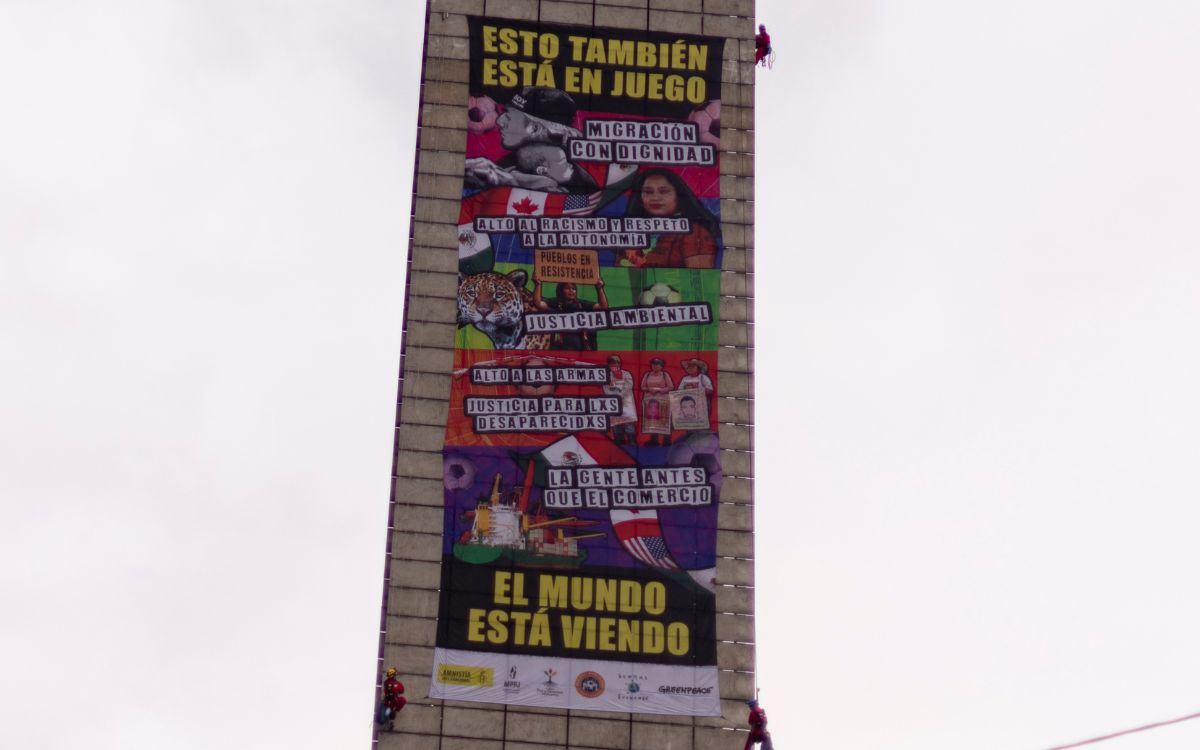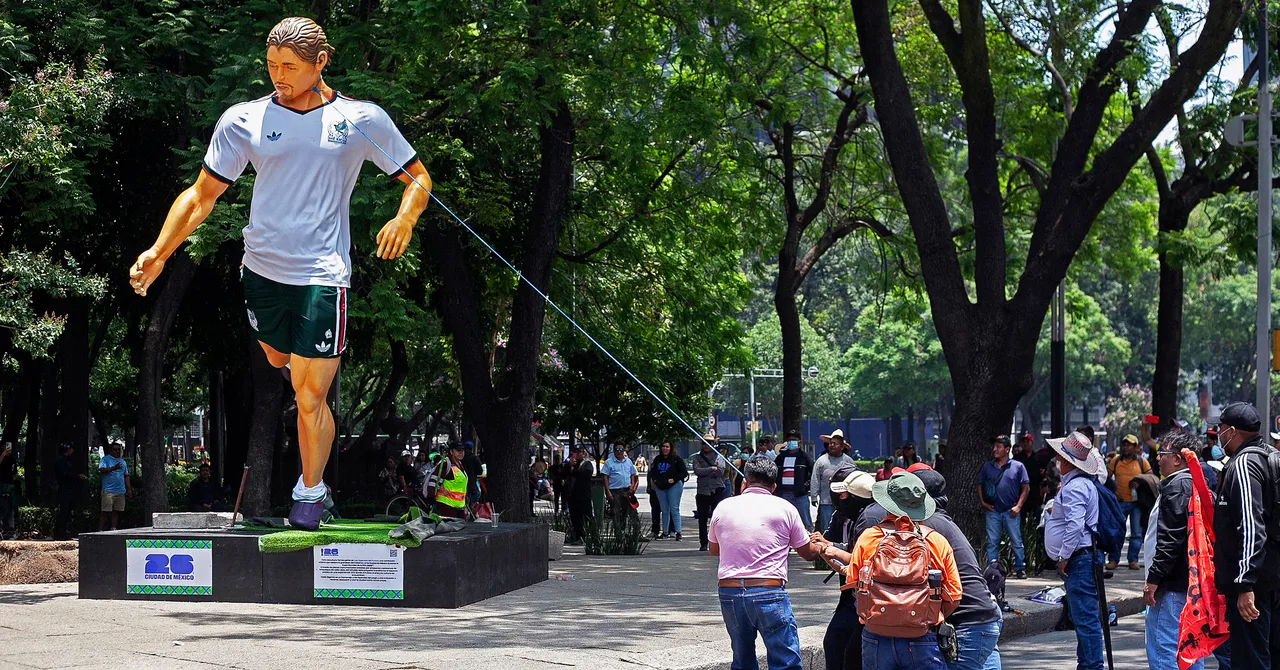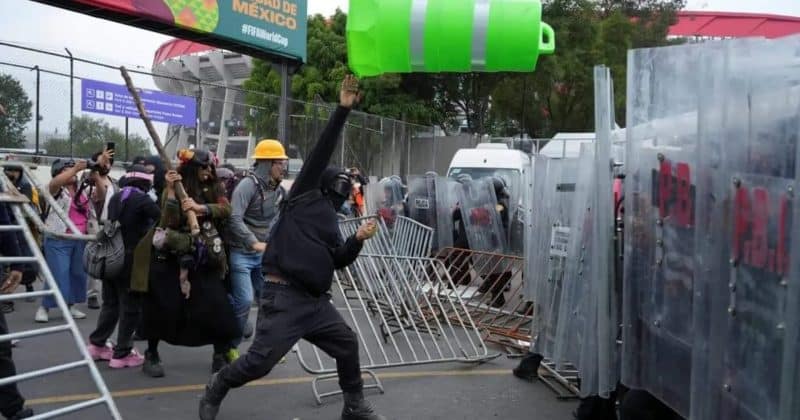
When a country hosts the World Cup, the world sees the stadiums, the flags, the goals. What it doesn’t always see are the people displaced, detained, or disappeared in the process of making all that spectacle possible.
A network of Mexican civil society organizations is trying to change that. The Red Nacional de Organismos Civiles de Derechos Humanos, known as Red TDT, has established a dedicated human rights observatory to track potential abuses tied to the 2026 FIFA World Cup. The observatory launched around June 6, with presentations held in Guadalajara on June 10-11.
What the observatory actually does
The observatory is designed to monitor threats facing populations that tend to get squeezed when a mega-event rolls into town: LGBT+ communities, migrants, homeless individuals, and street vendors.
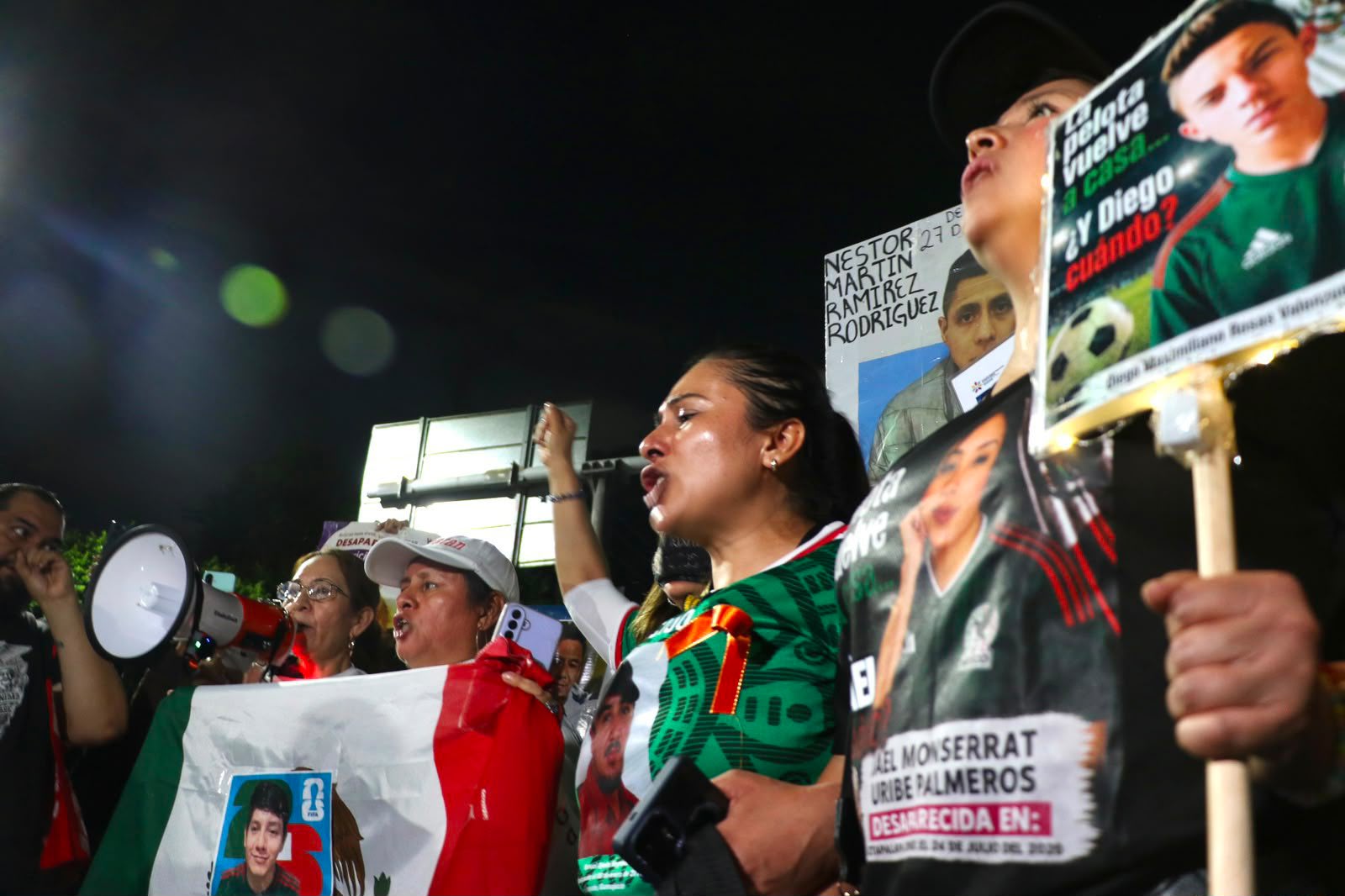
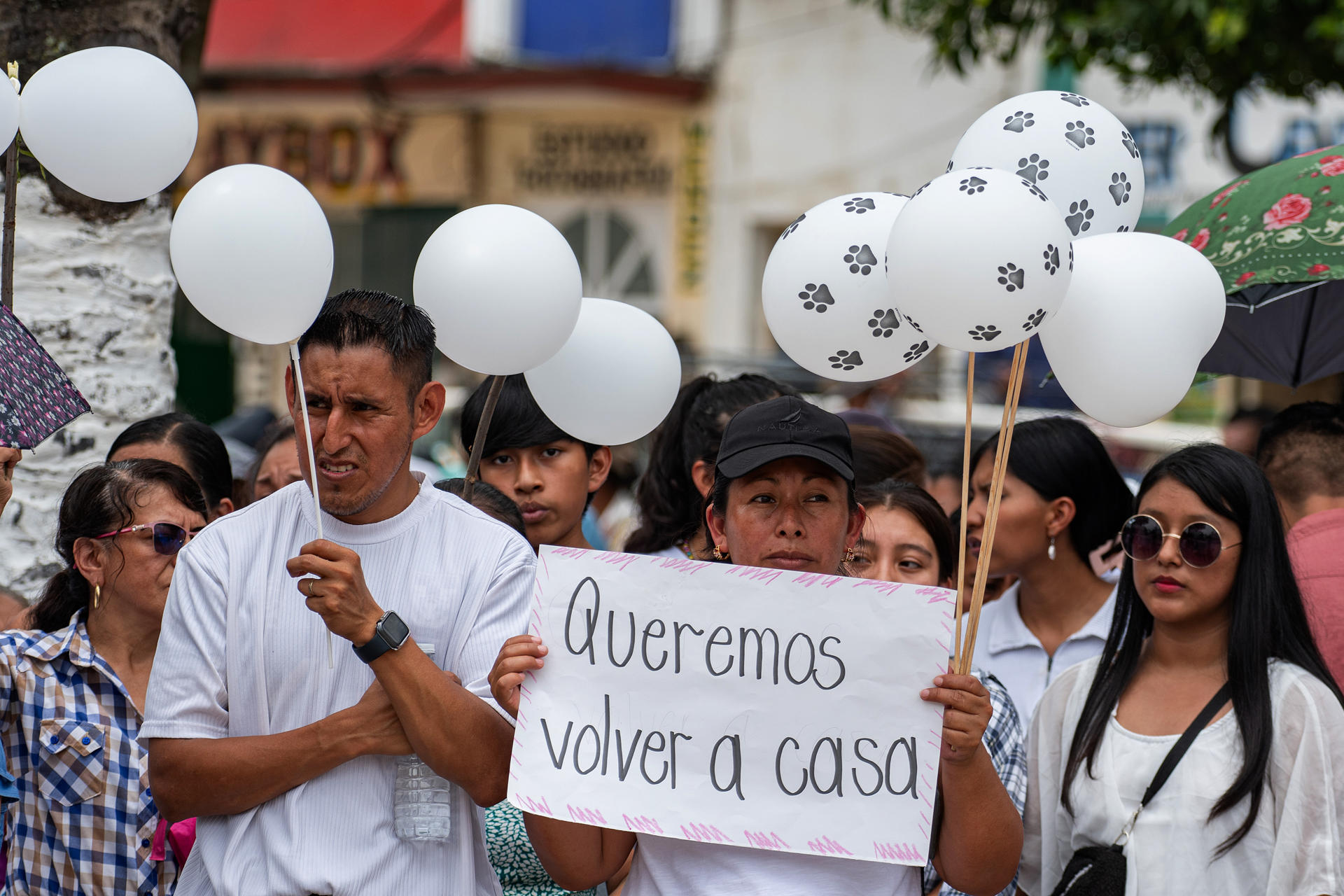
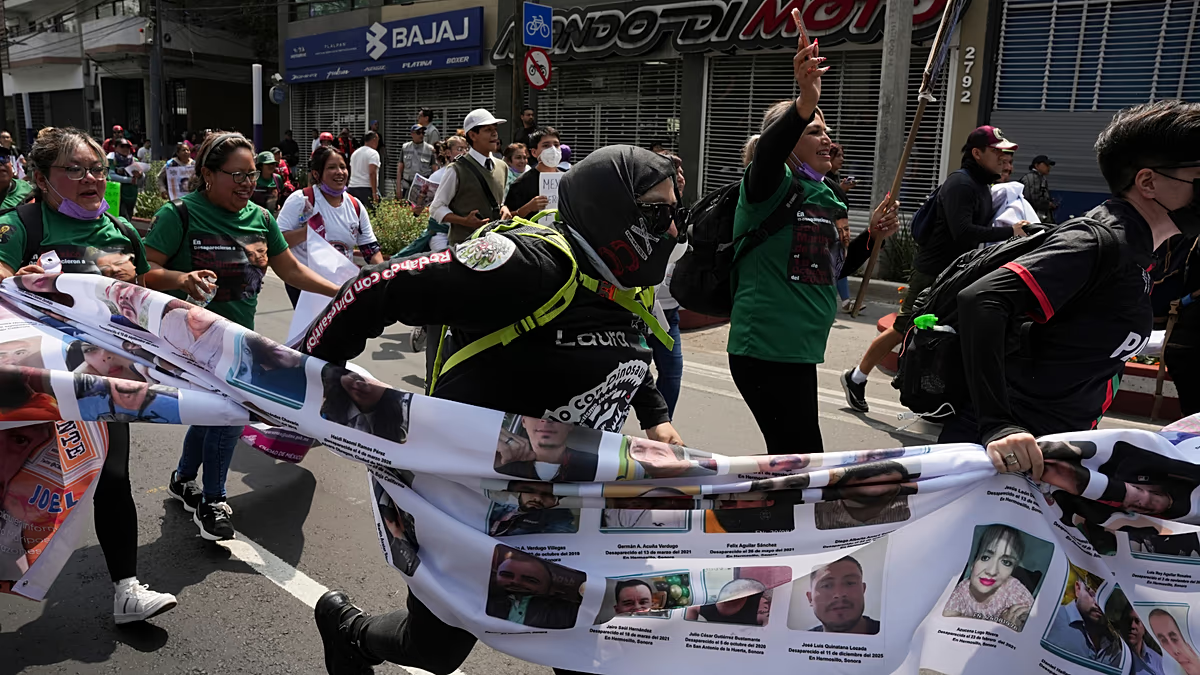
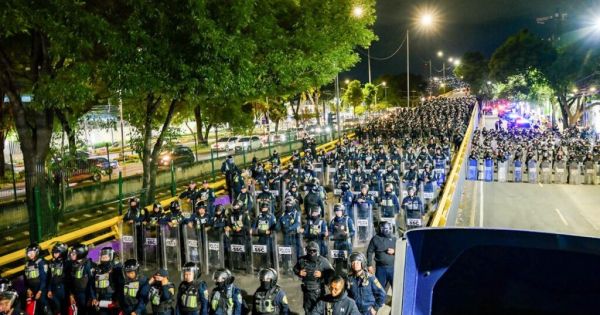
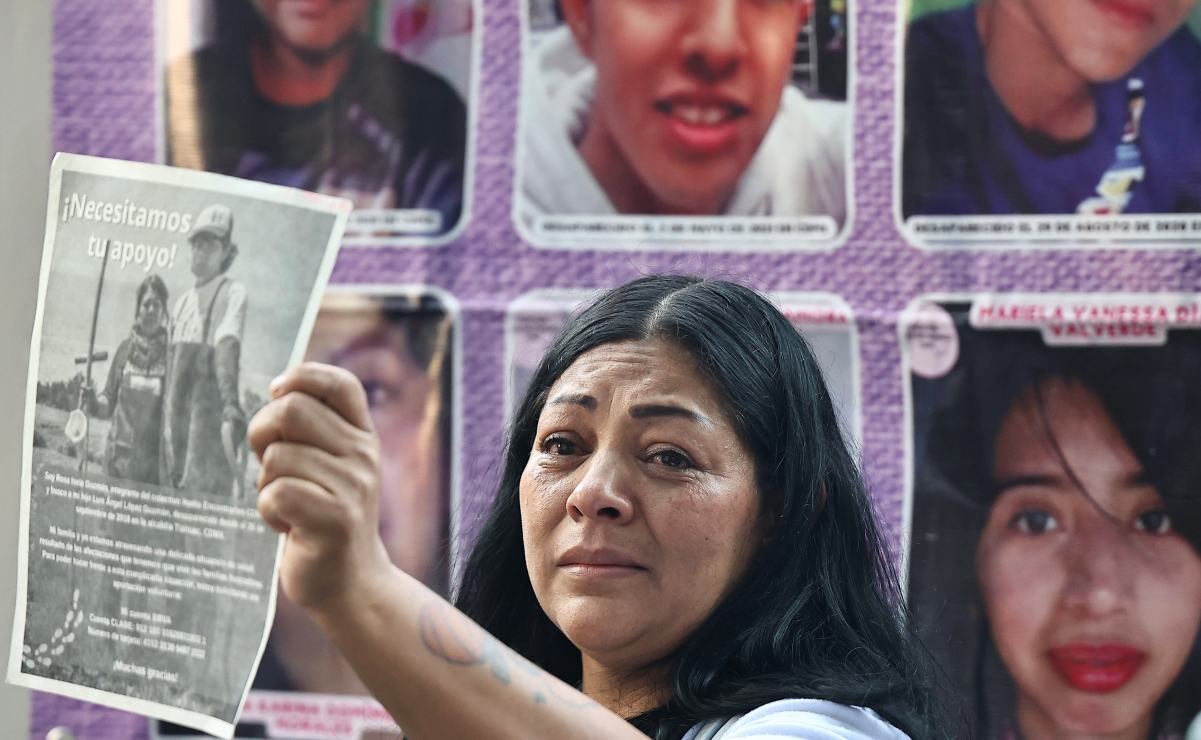
Mexico’s situation carries its own weight. Amnesty International has reported over 134,000 missing persons in the country as of 2026. Families of the disappeared have been staging ongoing protests, and a security deployment involving up to 100,000 personnel for the tournament raises obvious questions about how that force will be directed, and against whom.