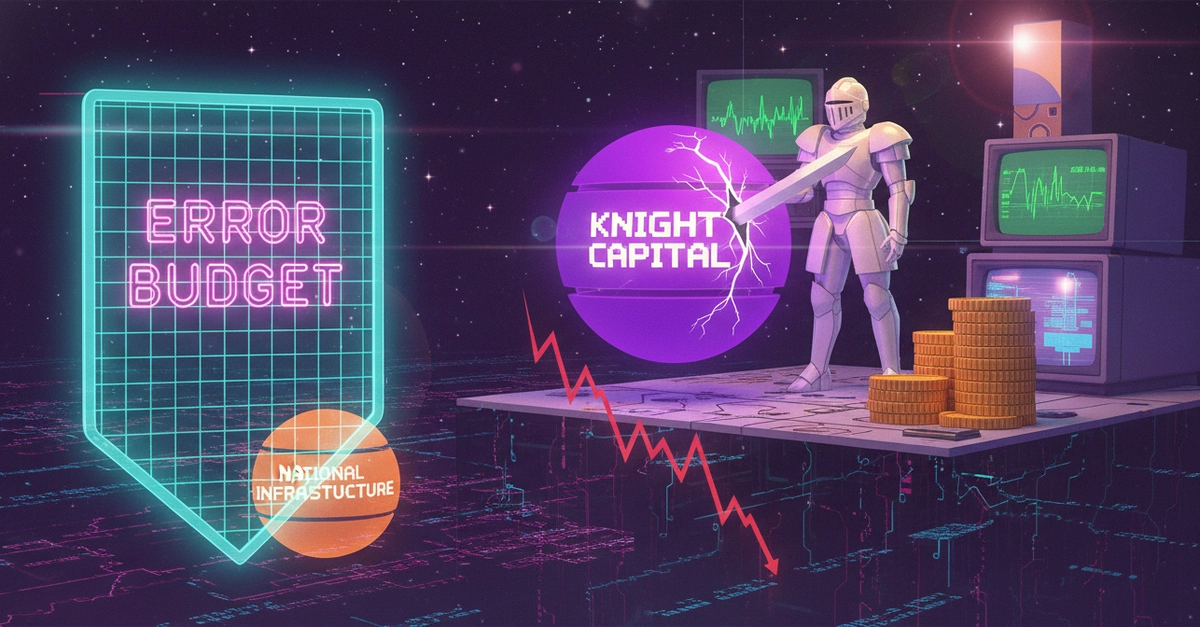
On August 1, 2012, Knight Capital pushed a faulty deployment to production. Within 45 minutes, its router fired more than 4 million unintended orders into the market, and the firm lost over $460 million (U.S. SEC, 2013). One build, one morning, one company nearly gone.
Most money systems don’t fail like that. They fail quietly: a balance drifting by a cent every few thousand operations, a webhook replay that doubles a payout, a reconciliation job that “almost matches” forever.
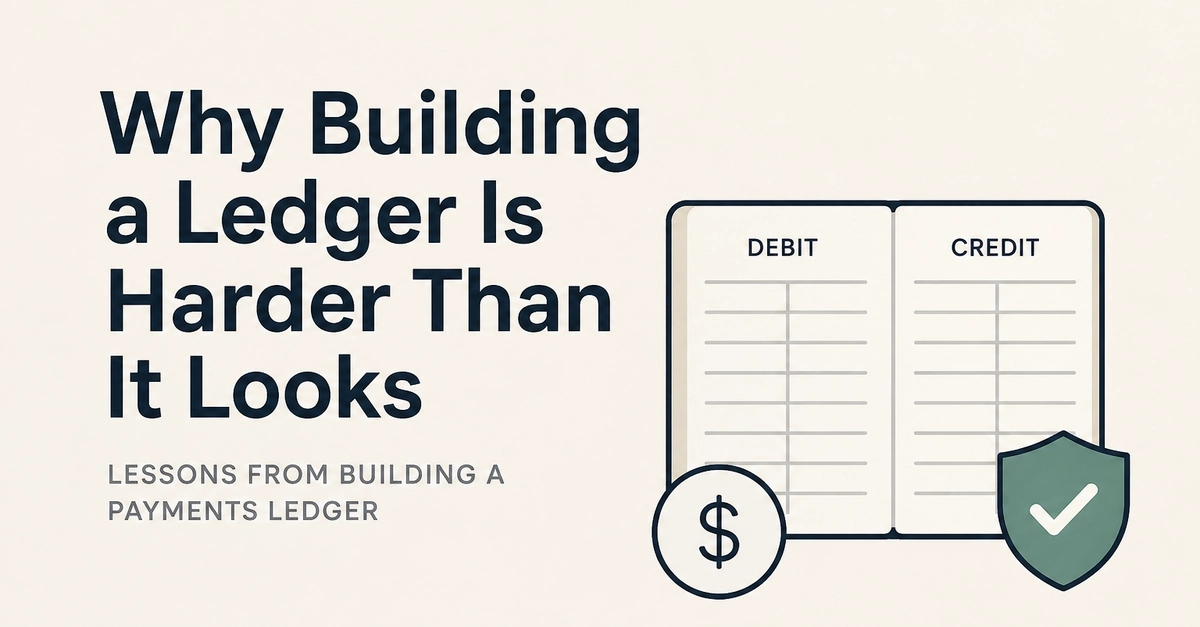
We’ve spent years building a double-entry ledger for a crypto payments system. What follows isn’t theory. It’s the set of constraints we ended up needing once the system started seeing real money, retries, and adversarial failure modes.
Why Floating Point Breaks Finance Systems
Floating point isn’t “slightly imprecise.” It’s structurally incompatible with exact accounting.