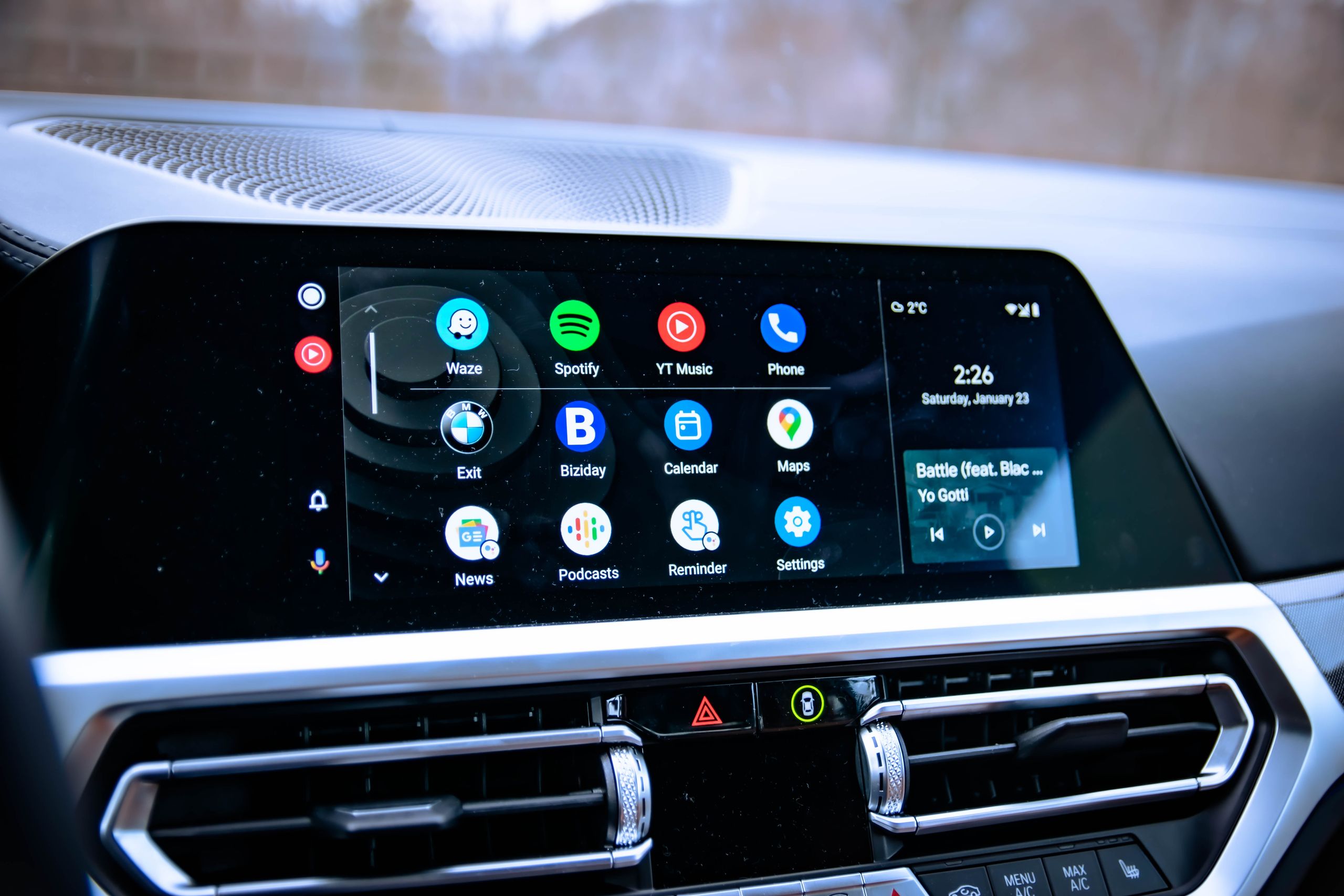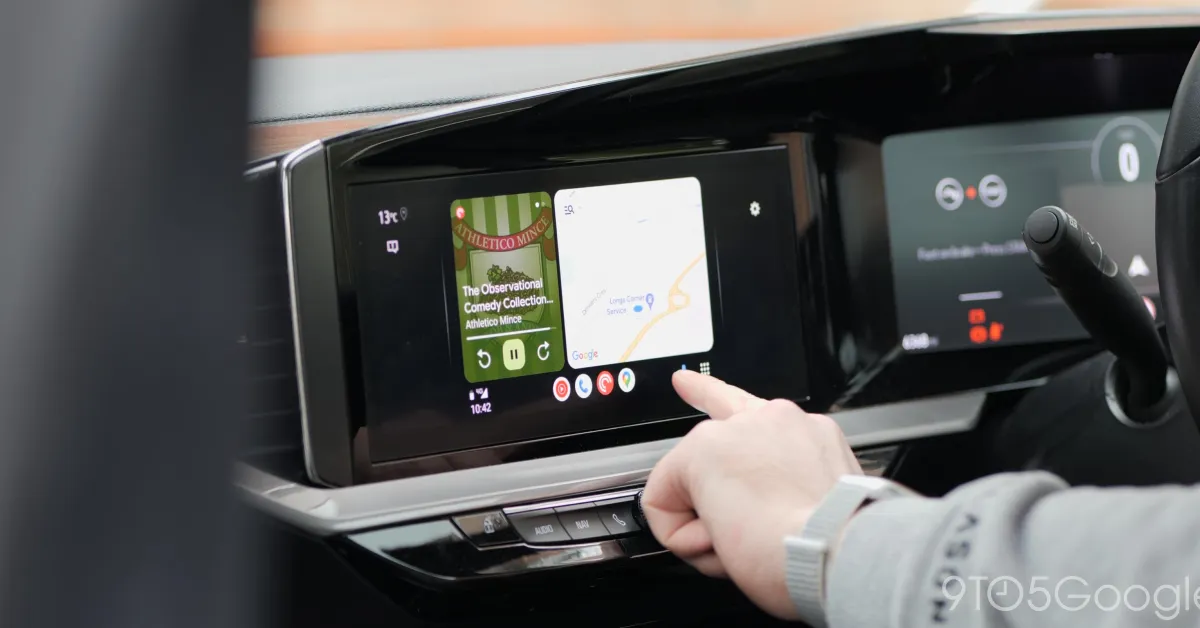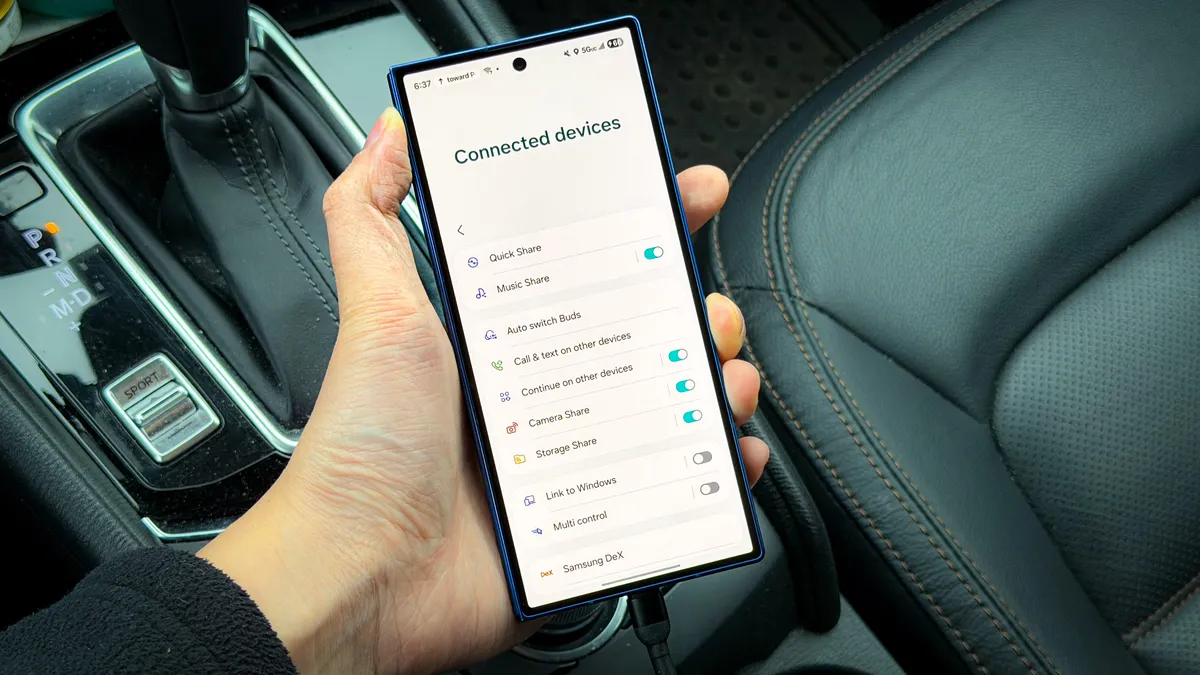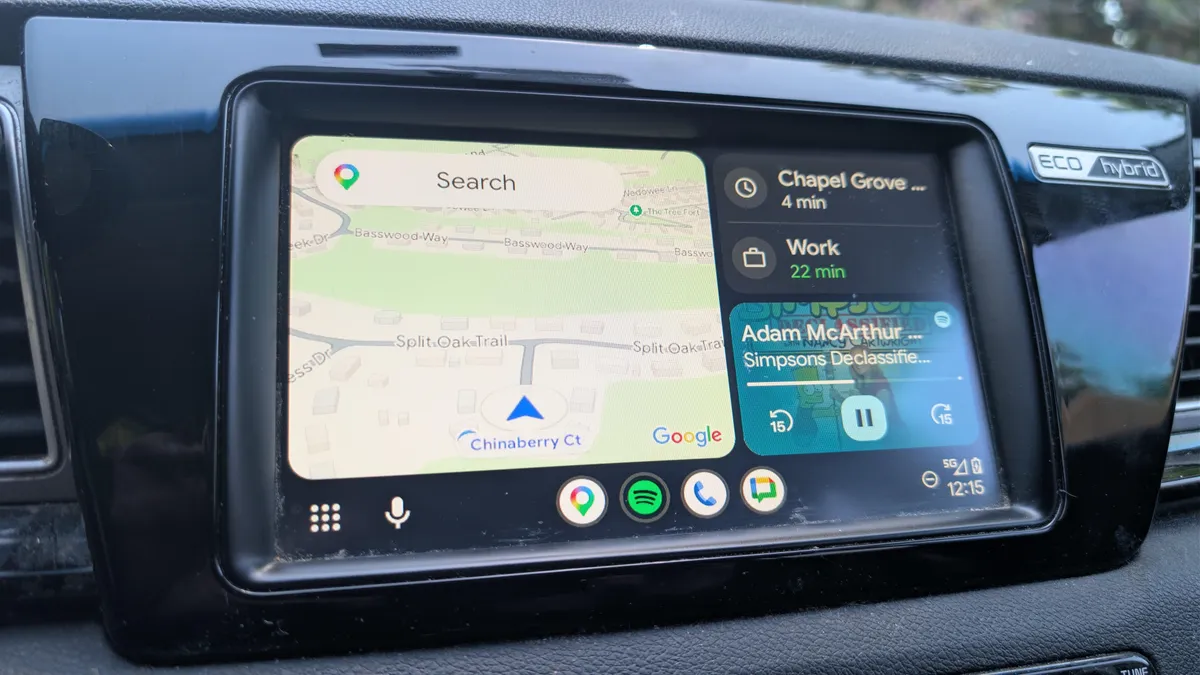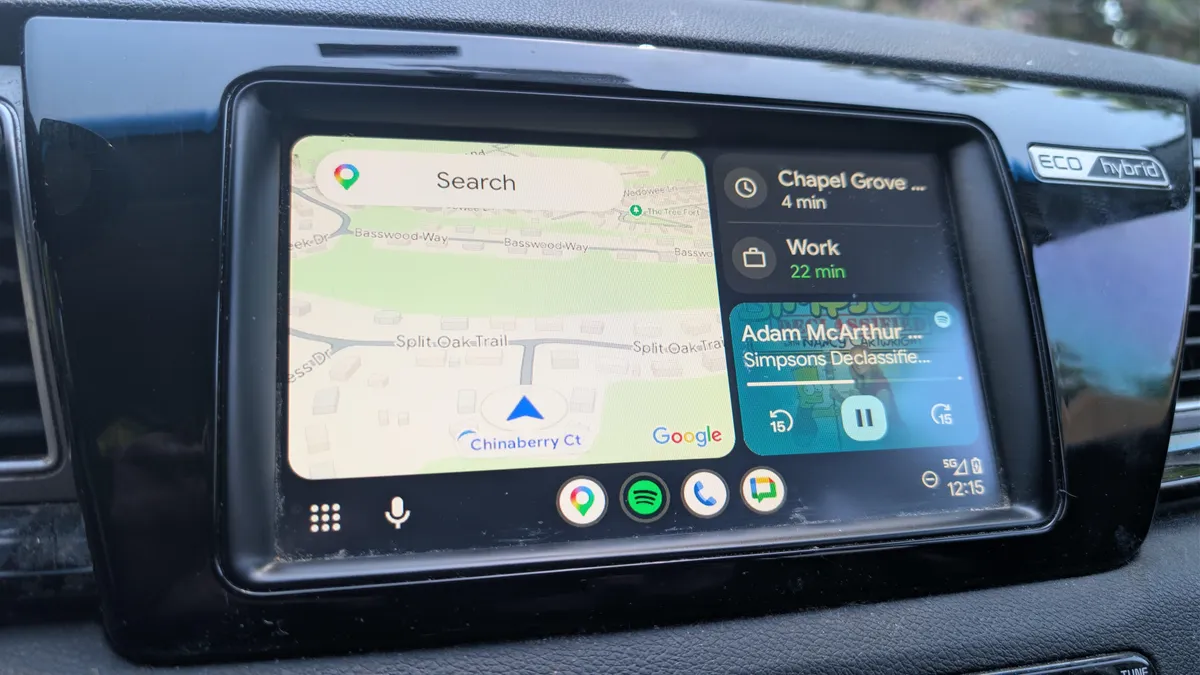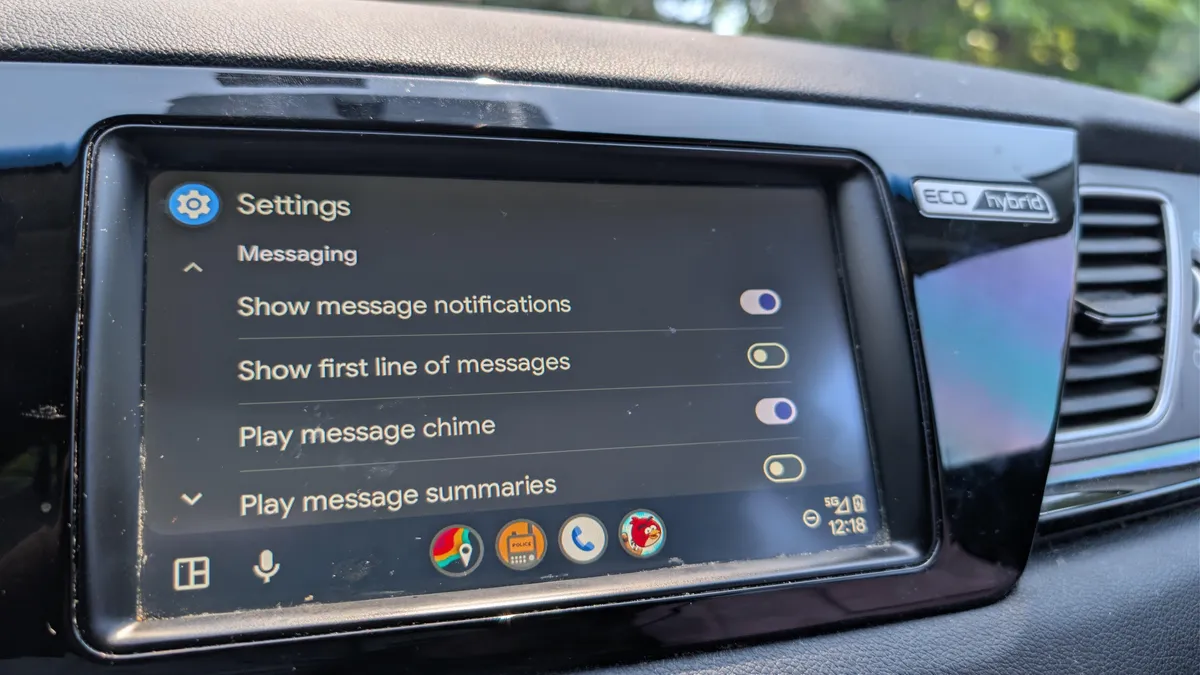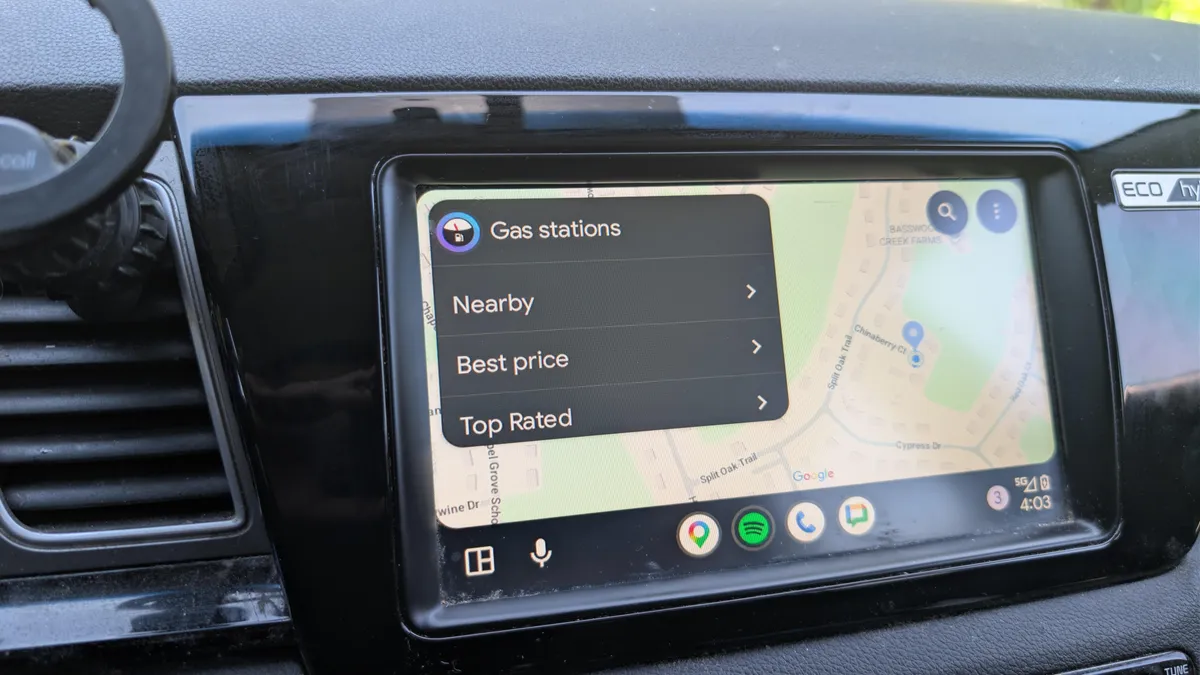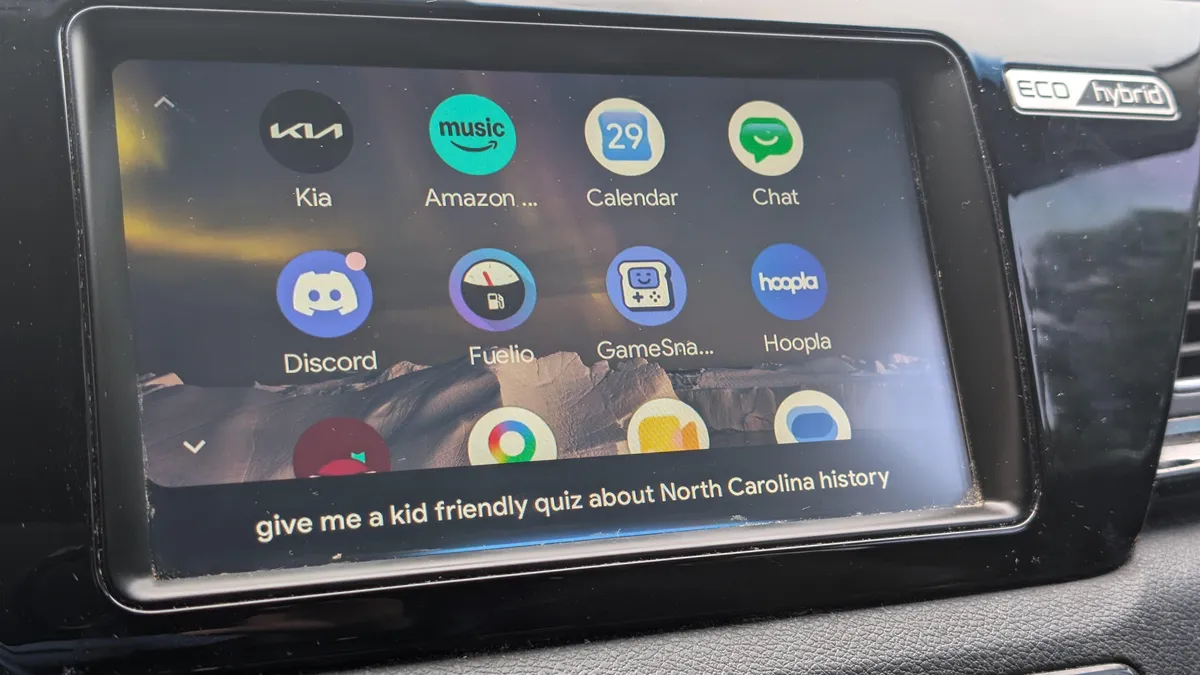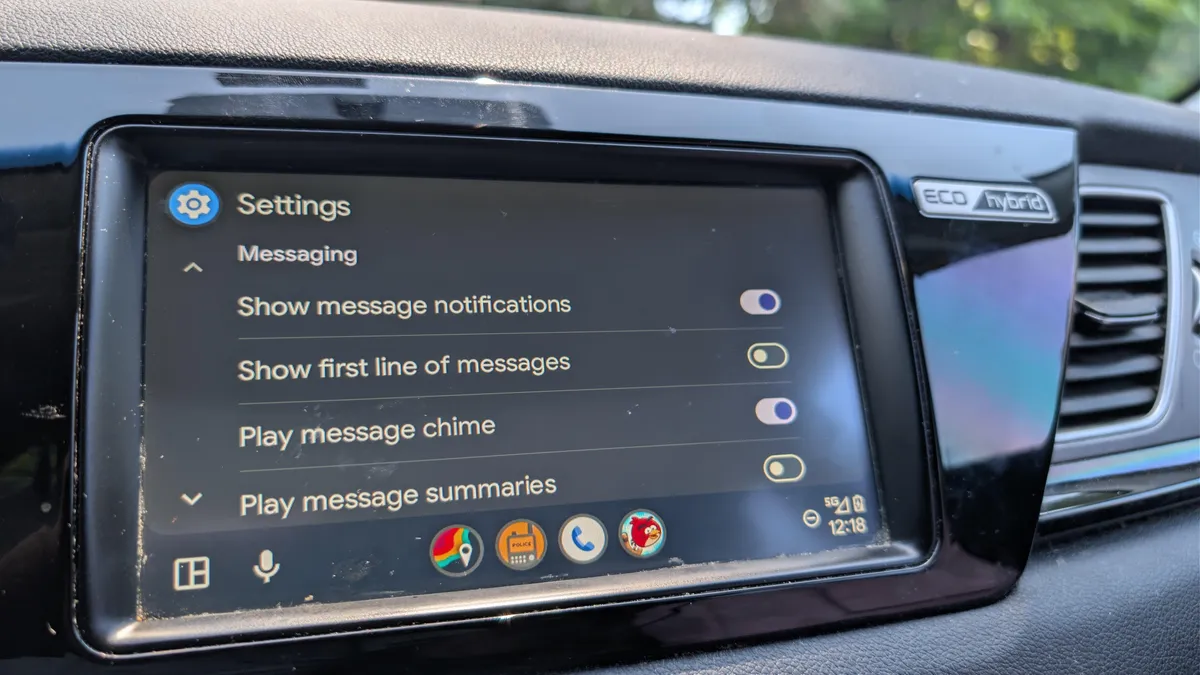
Artie Beaty/ZDNETFollow ZDNET: Add us as a preferred source on Google.ZDNET's key takeawaysYou should change some of Android Auto's default settings.Without changing these settings, your UI is cluttered and busy.Toggling the settings makes Android Auto less distracting.Android Auto is designed to make driving easier, but there's a good chance you're not using it to its full potential. The software is highly customizable, and its developer settings let you tinker and tweak the operation and interface to your liking.Also: I switched to MyRadar as my main Android Auto weather app and don't regret itEven if you're not especially into customizing, there are some settings you should change right away. By default, Android Auto has some settings that don't make for the best driving experience. Here's a look at four of those, and why you should change them now.1. Decline to start music automaticallyThis feature can be convenient, but it can also be annoying. By default, Android Auto resumes where it left off every time you start your car. Also: Overheating from Android Auto? 8 easy fixes that effectively cooled off my phoneThis capability means you'll hear the high-energy playlist or intense podcast you were listening to last night before you even back out of the driveway the next morning. If you're the only one who uses your car, this feature might be fine, but if you switch cars with family members or have kids getting in and out of your vehicle, you probably don't want this capability enabled. The good news is that it's simple to restart your media, so go ahead and turn off automatic start. You can find this option in your phone's main settings app by searching for Android Auto, then toggling "Start music automatically."2. Turn off message notificationsThere are at least two message notification settings you probably want to change. By default, Android Auto shows part of any text message that you get. This feature isn't necessarily a good thing. If you have passengers in your car, you probably don't want your messages showing every time. In addition, incoming messages take up your display, potentially covering up your navigation instructions or other important information. Also: These 4 Android Auto settings made my daily commute less distracting - where to find themYou'll probably want to turn off "Show group conversations" as well. If you've ever been annoyed by a rapid-fire group text, you know it can be distracting enough on its own. But in your car, this situation can be even worse when notifications keep interrupting your music or podcast. If you'd rather mute all message notifications, you can. Turn off "Play message chime." You'll still see the notification, but your media will play uninterrupted. 3. Remove apps you won't useThere's a good chance you don't use some Android Auto apps. Whether it's the ones built in from the start or just compatible apps on your phone, such as messaging apps that you rarely use or a music service you tried once, your display will show every potential app on the launcher by default. If you'd prefer to see only the apps you use, you can customize your launcher. Also: I saw the future of Android Auto, and now Google has me dreading my own carYour Android Auto should be as simple as possible, and decluttering the screen is a big part of that approach. Note that this strategy doesn't delete the apps from your phone; it just removes them from your car screen. You can put the apps back any time you want. From Android Auto settings, tap "Customize launcher." You'll be able to go through and choose the apps you want to appear. 4. Turn on taskbar widgets By default, Android Auto has icons at the bottom of your screen for your most recently used apps. It's a convenient way to switch between apps, but I've found that it's not the best use of these icons. Turn on taskbar widgets, and these icons become dynamic quick controls that change depending on which app you're using. These options may include media controls to play or pause, navigation shortcuts to show your next turn or route info, or context-based shortcuts, such as calling a recent contact.
4 Android Auto default settings you should change right away - here's why
Take a moment to toggle these settings, and your driving experience will improve immediately. You're welcome.
698 words~3 min read