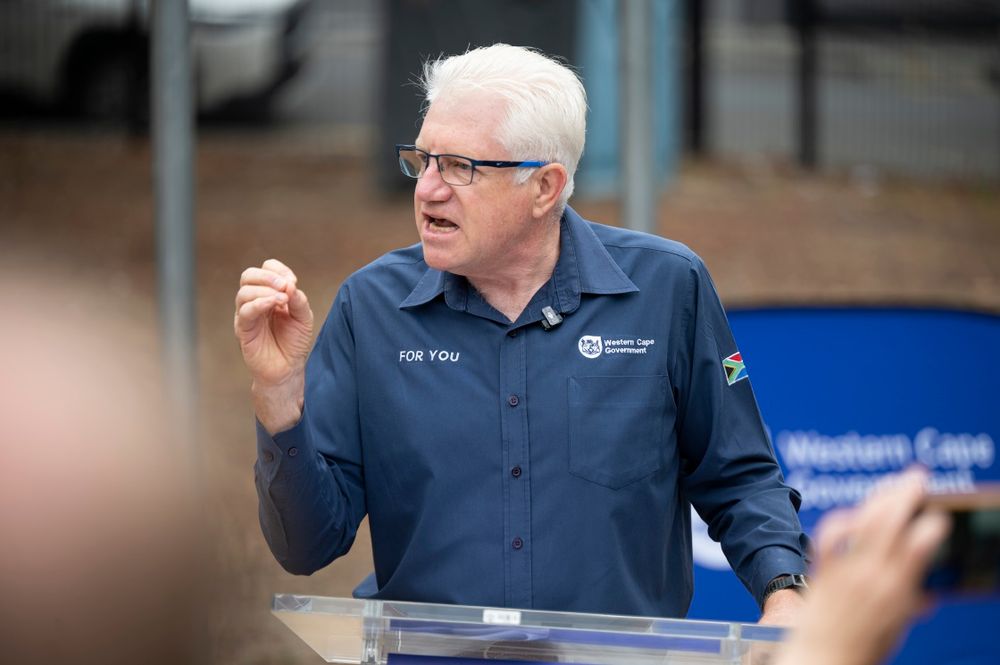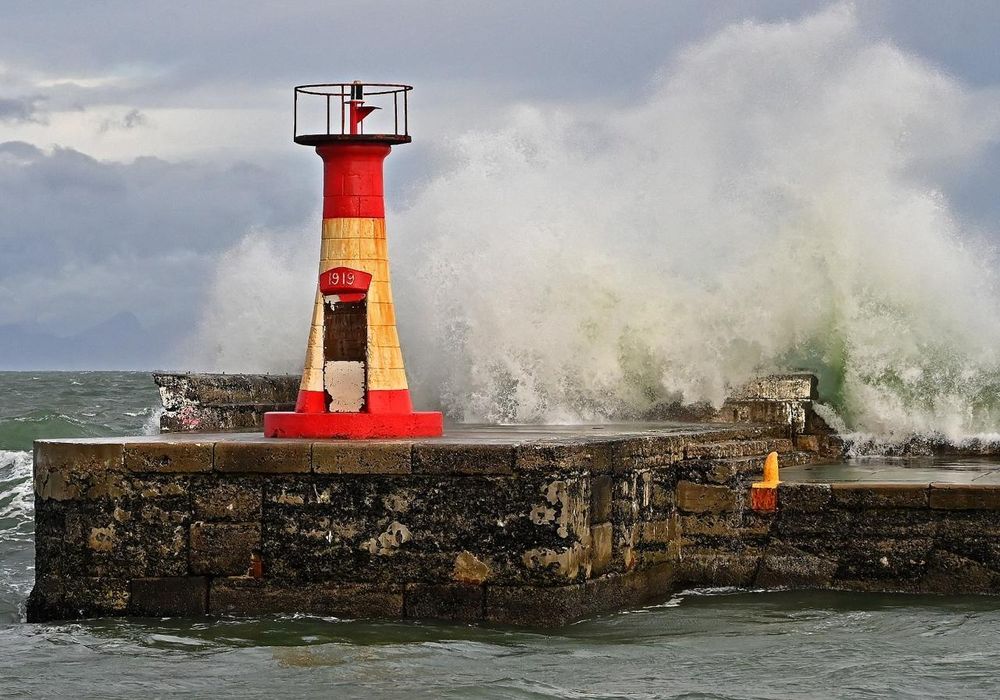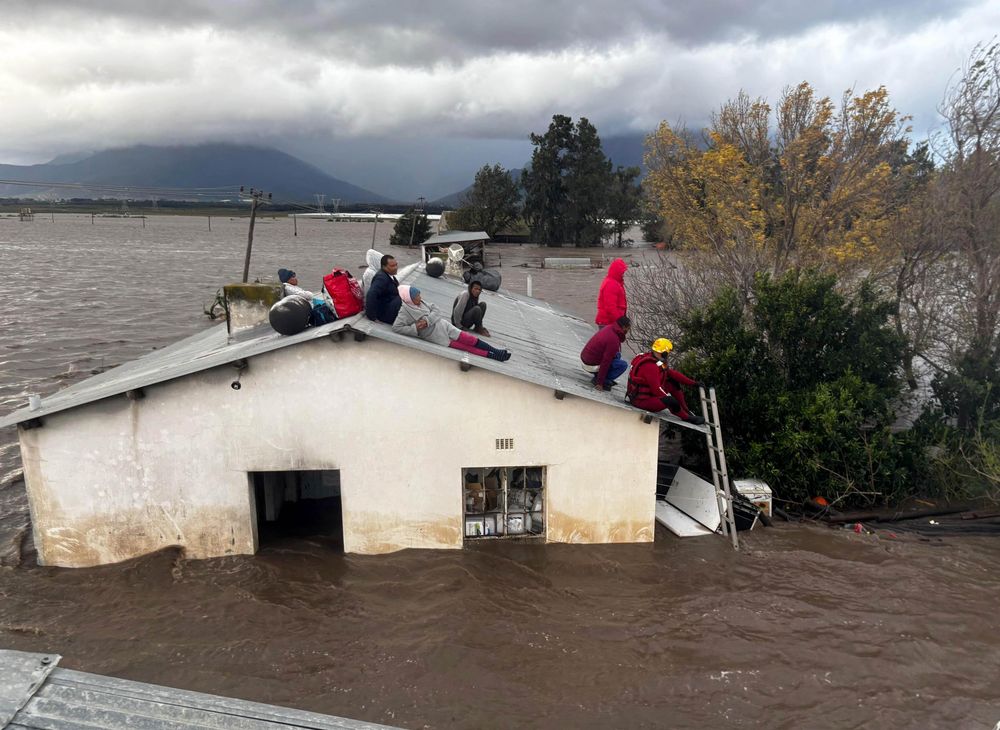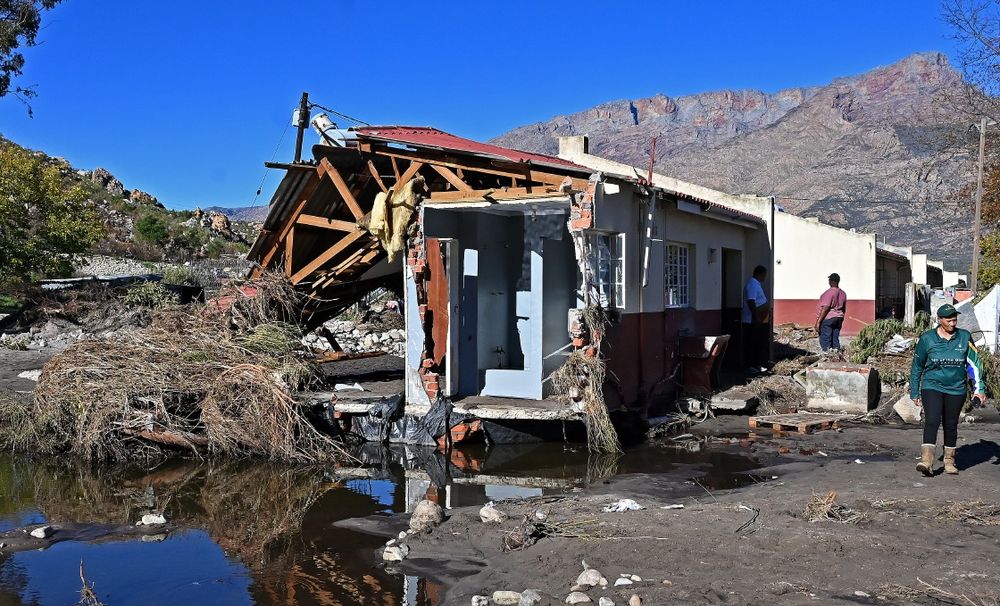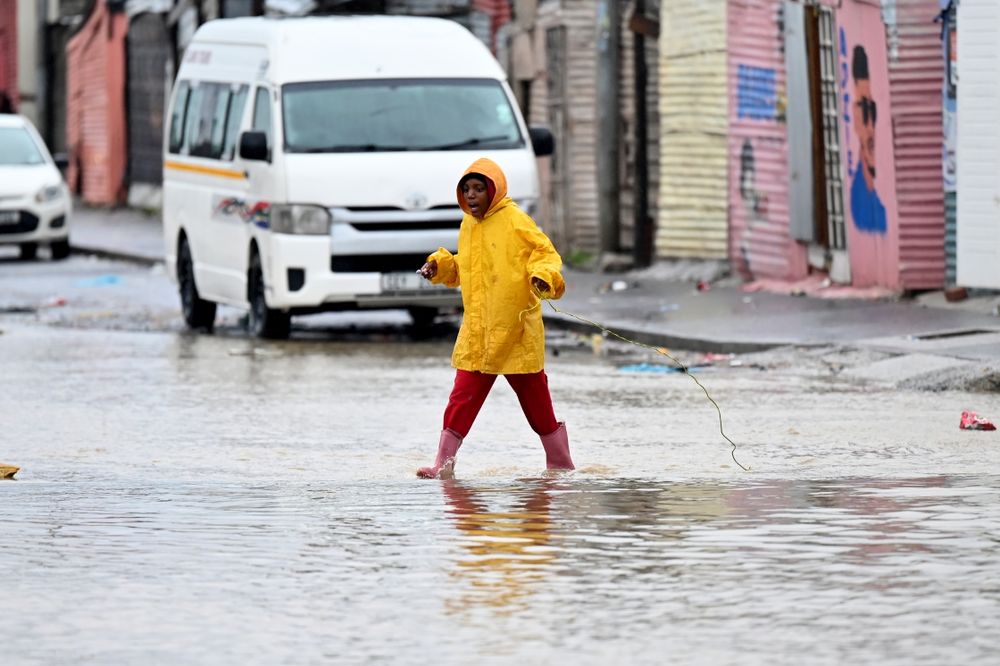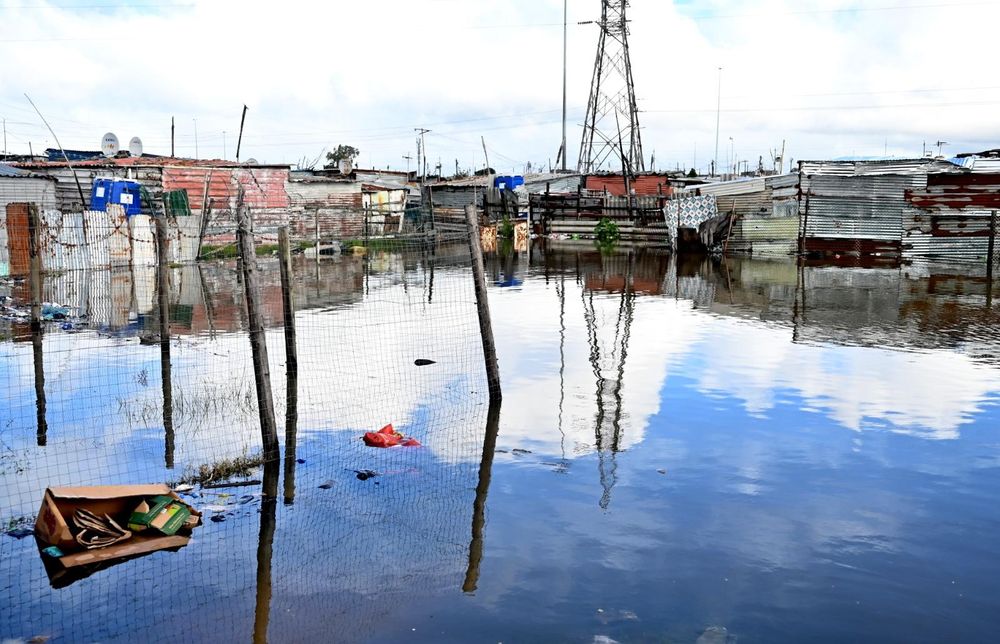
The Western Cape government has estimated the cost of the damage caused by the severe weather that lashed the province in May at R9bn. The province’s agriculture sector suffered estimated damage of more than R5.2bn — with wine and fruit farms flooded, and crops and livestock lost — and damage to infrastructure at just under R2bn. A national disaster was declared after the torrential rains, intense cold, gale-force winds and flooding, which devastated communities. The provincial government is seeking financial assistance from the national government as the scale of the damage has exceeded provincial departments’ budgets and delivery capacity. Western Cape premier Alan Winde plans to write to President Cyril Ramaphosa, and local government MEC Anton Bredell is corresponding with co-operative governance & traditional affairs (Cogta) minister Velenkosini Hlabisa about this.In addition, the Western Cape department of local government is co-ordinating a consolidated submission to the national Cogta department and the National Disaster Management Centre. Provincial departments that have been affected are corresponding with their national counterparts. The Western Cape cabinet noted in a media statement that the damage sustained as a result of the severe weather will have “a significant impact on the provincial and broader economy”. National government will not be able to provide us with all the necessary funding. The Western Cape government’s budget will have to be reprioritised to fund damage repairs— Alan Winde, Western Cape premierWinde chaired a special cabinet meeting on Thursday to deliberate on the effects of the severe weather on the entire province. He said at the meeting that “incredibly difficult decisions will have to be made going forward. National government will not be able to provide us with all the necessary funding. The Western Cape government’s budget will have to be reprioritised to fund damage repairs.” He warned that there will be future climate-related disasters, which will cost even more. “We must, therefore, impress upon national government and other entities the need to budget differently to adequately respond to the impact of such disasters.” Winde said the Western Cape has endured many disasters “but the last two weather events were the worst in recent memory. While our government and other stakeholders have been working incredibly hard in responding to this disaster, we have a lot of hard work still ahead of us.” Major weather events occurred in a short space of time, causing loss of life, severely damaging infrastructure and significantly disrupting the lives of communities. The severe weather affected 231,029 people and damaged 22,890 houses. Many roads and other infrastructure sustained significant damage, requiring repairs and reconstruction. Eleven deaths were reported, with one person still missing. Eskom has reconnected 95% of the affected areas, but many residents in the hardest-hit regions are still without power. Agriculture minister John Steenhuisen has called for a blended state-private insurance scheme to help farmers hit by disasters. Business Day
Western Cape appeals for financial relief after R9bn storm damage
Premier Alan Winde says budget will be rejigged to repair damage estimated at R9bn
475 words~2 min read