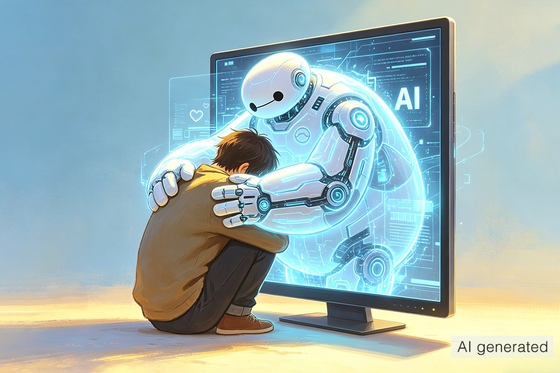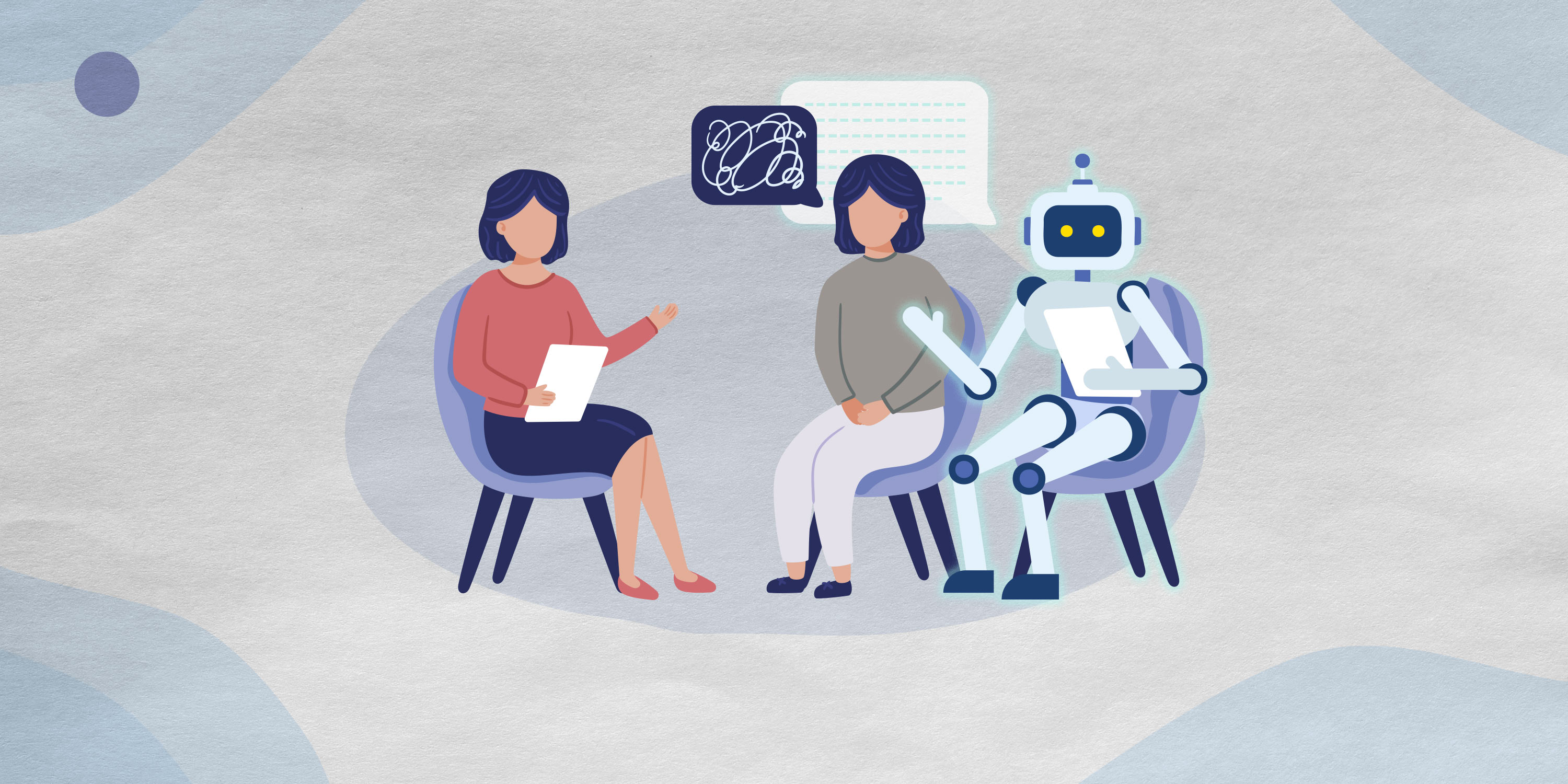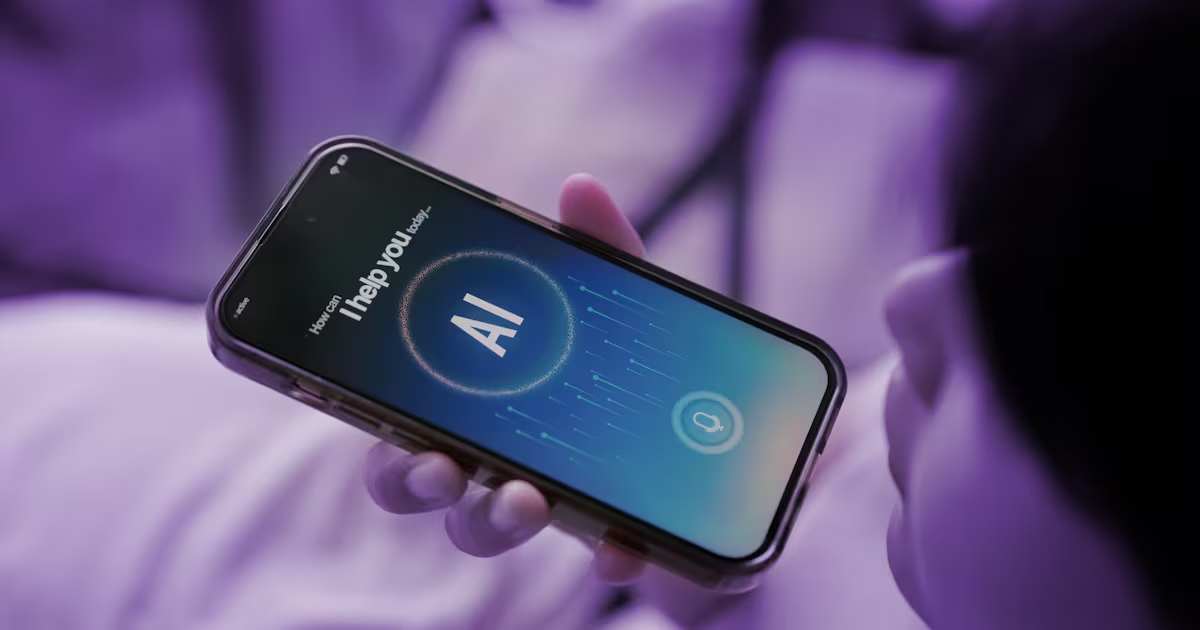
Jiying Zhang, a nutritionist and health coach, saw a therapist for four years before she decided to try DeepSeek. She was immediately impressed. The artificial intelligence model provided support instantly, offered a wide range of insights, and could be customized to sound like her favorite inspirational speakers, psychologist Carl Rogers and author Cheryl Strayed.
Zhang shared her experience on Xiaohongshu, the Chinese social media app, and urged others to try DeepSeek: “Imagine having a therapist available 24/7, who never judges you and is completely free.”
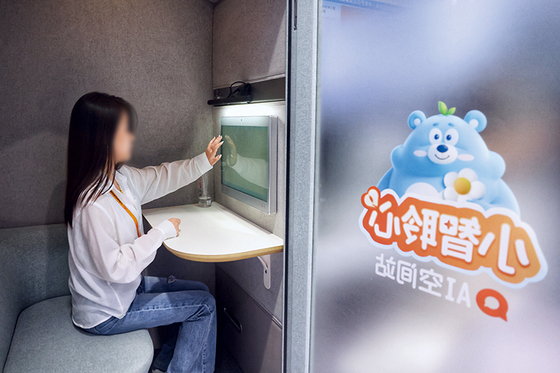
Young people and urbanites, many of whom have tried online therapy, are now turning to AI chatbots instead of professional therapists in China. On social media, users avidly chronicle their heart-to-heart conversations with chatbots, attempting to address anxiety, depression, and relationship issues.
On Xiaohongshu, searches for “crying after chatting with AI” are linked to over 1 million posts. In one viral post, a user recounted a night when she vented her feelings to DeepSeek and wept, moved by the model’s advice and affirmation. “DeepSeek, I declare you my best electronic friend,” she wrote.
Mental health assistance is one of the leading reasons for chatbot use globally, a study published recently by Harvard Business Review showed. An earlier survey of young Chinese people, conducted by Chinese social platform Soul and the Shanghai Mental Health Center, found that nearly half had used an AI chatbot to discuss their mental health.