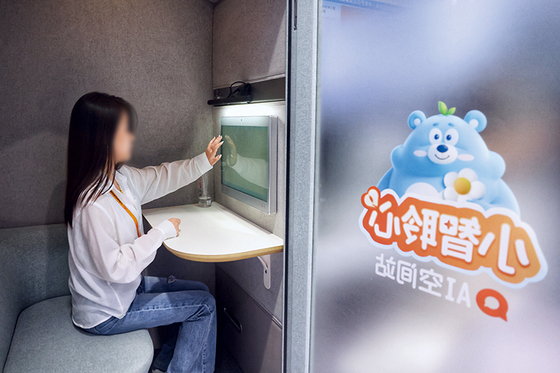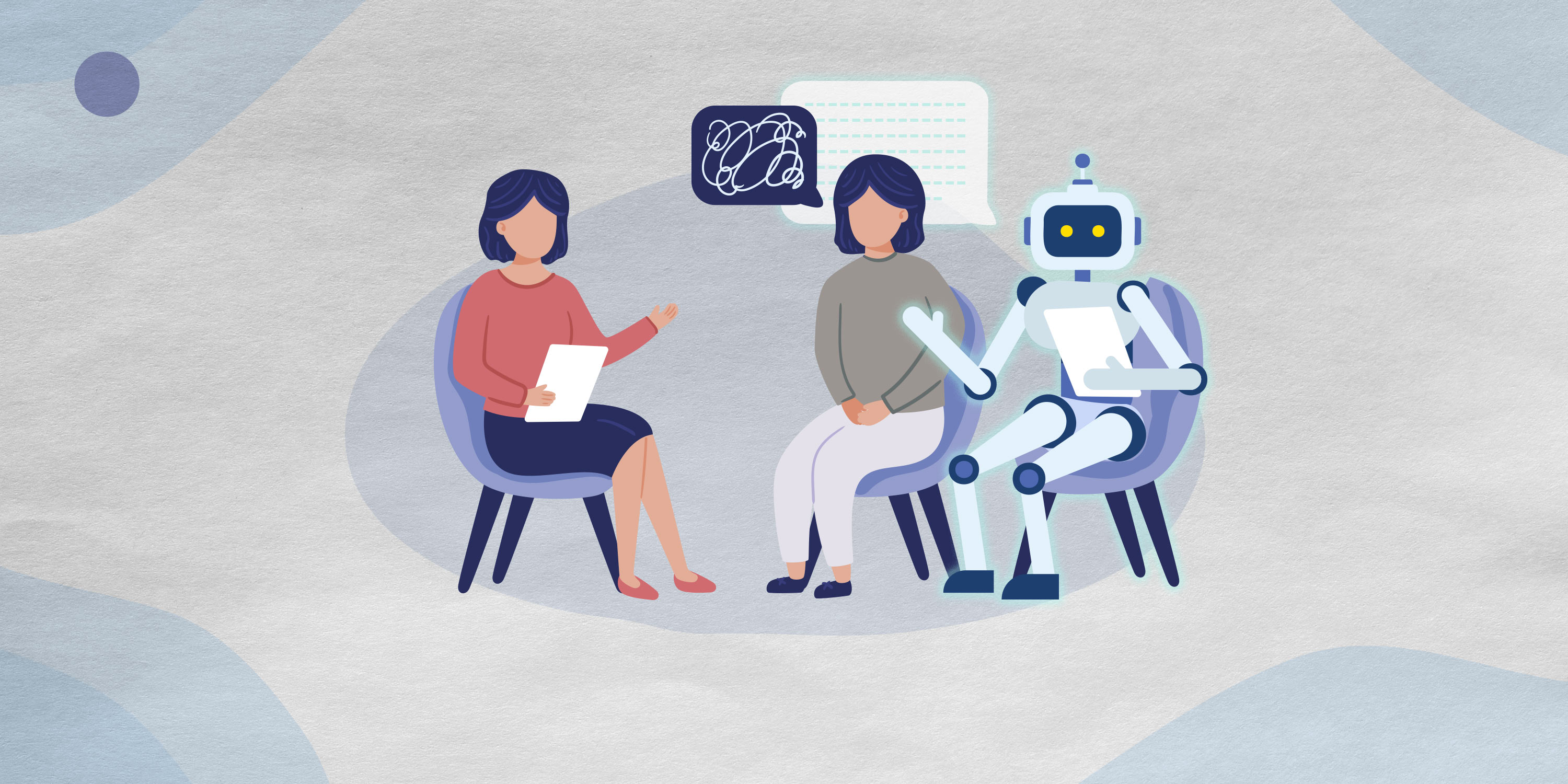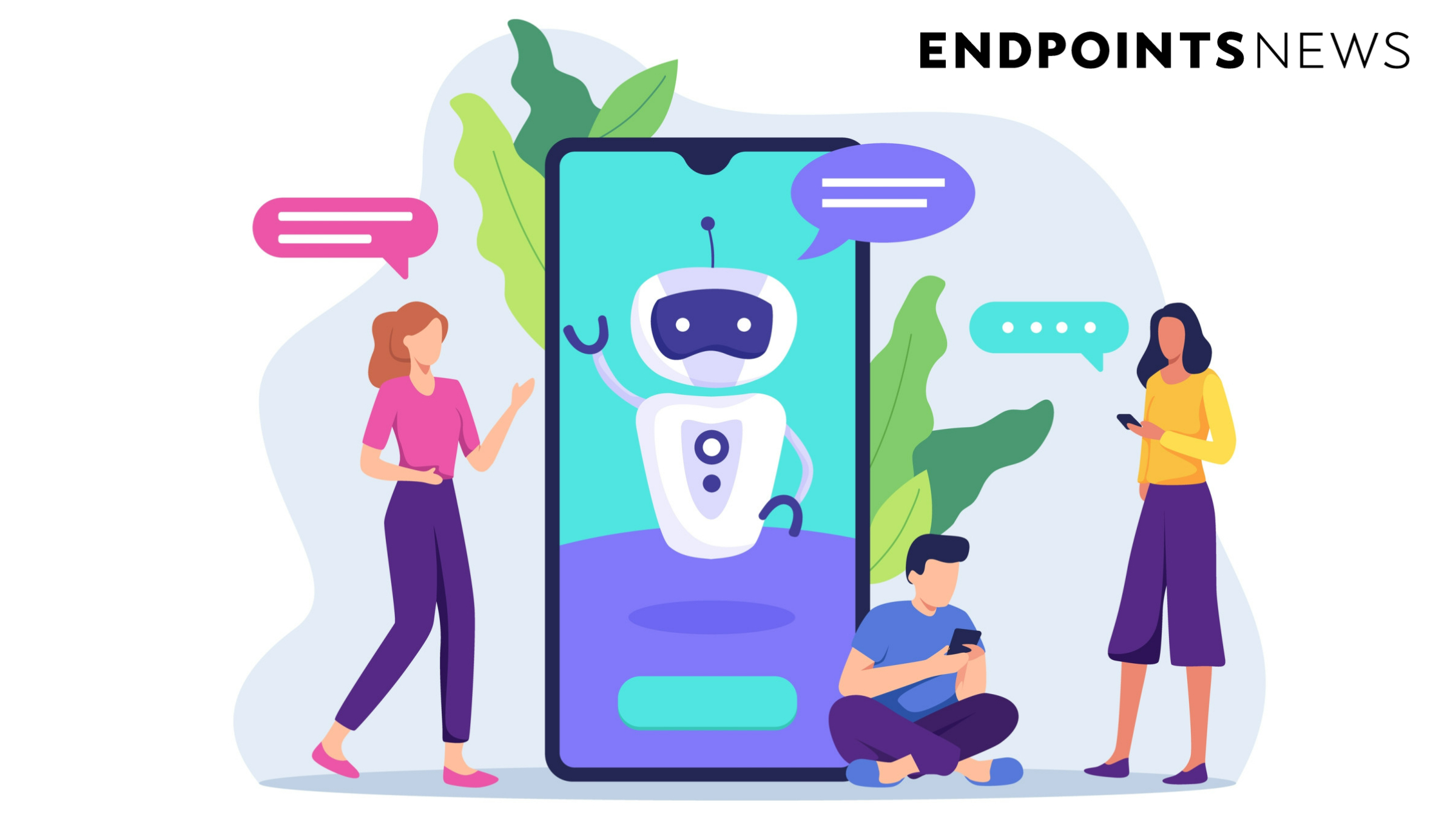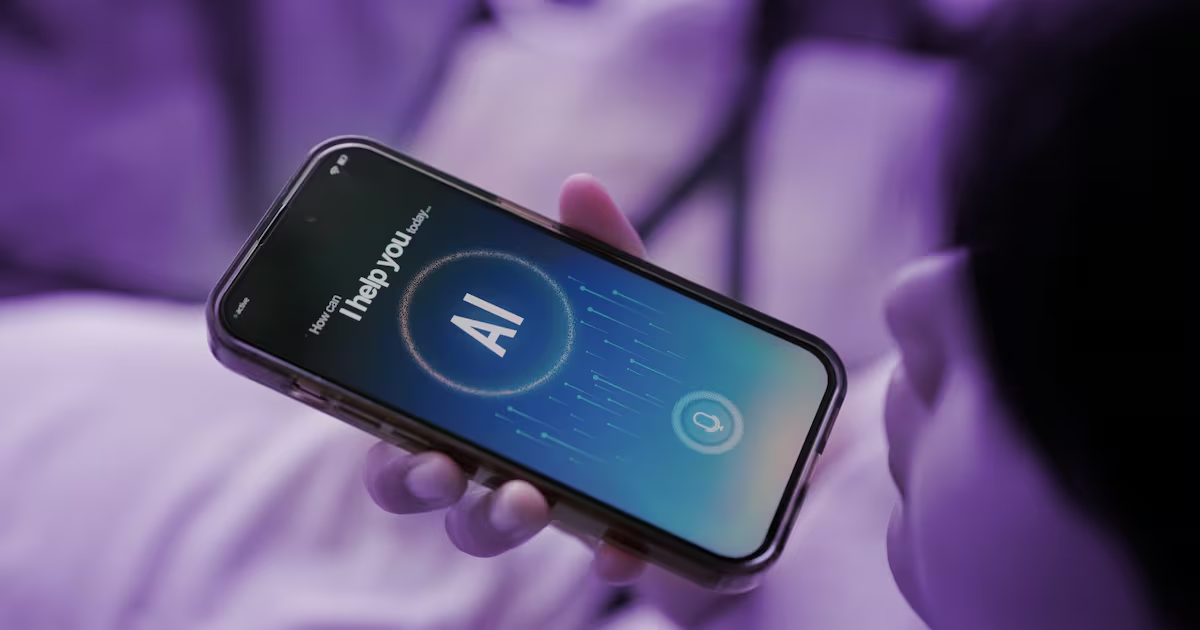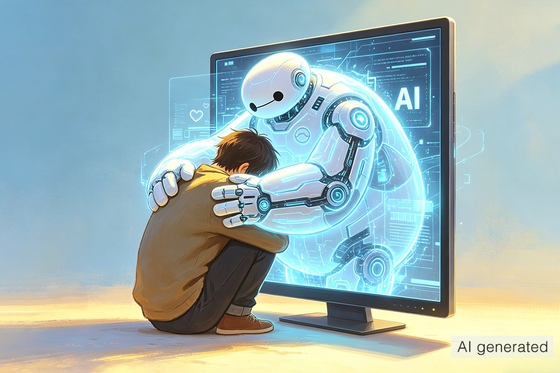
1. AI mental health services are becoming widely accessible in China through smartphone apps that offer free or low-cost therapy from AI models, eliminating the need for expensive in-person visits [para. 1][para. 2]. Products include JD Health’s Liaoyu Xiaoyuzhou, Cylingo’s Cece, iFlytek’s Xiao Xing, and Lingxin Intelligence’s AI Space Station, all relying on Transformer-based models with long-context understanding and multi-turn memory, pre-trained on massive data and fine-tuned with professional psychological corpora [para. 3][para. 4][para. 5].2. The rise of AI mental health in China stems from a stark supply-demand gap: the Healthy China Action reports depression at 2.1% and anxiety disorders at 4.98%, while professional psychotherapists number only 8.6 per 100,000 people—far below Japan’s 111.92 and Germany’s 223.76 [para. 8][para. 9]. A national plan aims to build a comprehensive psychological service system by 2030, increasing pressure on service supply [para. 10].3. Despite technical advances—such as the PsychFound model matching attending physicians in clinical reasoning tasks [para. 13][para. 14]—AI fundamentally cannot replace human therapists. Experts note AI operates on “computational thinking” and cannot grasp the existential depth of conscious human psychology [para. 16]. The industry consensus positions AI as an auxiliary tool, not an independent healer [para. 17]. AI excels at high-frequency emotional capture and daily psychological reinforcement, but cannot create the therapeutic friction or dynamic tension essential in counseling [para. 18][para. 19].4. Lacking recognized evaluation frameworks, data collection standards are fragmented, and training corpora lack quality grading, undermining user trust [para. 20][para. 21]. Real technical barriers include enabling AI to reason from behavior to deeper cognitive paradigms, not just extract keywords [para. 22].5. Consumer AI products deliberately avoid the “psychological counseling” label, positioning themselves as emotional companions for mild distress. JD Health’s Liaoyu Xiaoyuzhou strictly limits service boundaries, offers self-guided emotional relief, and automatically refers moderate-to-severe cases to human professionals [para. 24][para. 25][para. 26]. This lighter touch matches demand: most users seek self-improvement, not crisis intervention [para. 27].6. Monetization remains challenging, with companies pivoting to institutional deployment, especially in schools. Lingxin Intelligence’s AI Space Station provides 24/7 monitoring with crisis-alert systems in universities, screening 150,000 students in four days [para. 29][para. 30]. The Ministry of Education endorses AI for student mental wellness as traditional questionnaires become insufficient [para. 31].7. For severe psychiatric conditions, digital therapeutics are advancing. Wonder Lab’s WL-iCBT secured China’s first Class III medical device certificate for digital depression treatment, achieving 63.77% effectiveness over eight weeks [para. 33][para. 34]. The AI-driven cognitive behavioral therapy is prescribed by psychiatrists as an auxiliary treatment following national guidelines [para. 35][para. 36].8. Regulatory scrutiny is intensifying. Consumer AI bypasses medical device rules but faces ethical landmines, especially crisis intervention failures. A 2025 case where a teen died by suicide after ChatGPT engaged in exploring suicide methods highlights risks [para. 38][para. 39]. China’s April 2026 AI Interactive Services regulations mandate detection of extreme emotional volatility, psychological comfort, and escalation to emergency contacts [para. 11][para. 42]. Liability remains complex, requiring verification of direct causal links between AI and tragic outcomes [para. 43][para. 44].AI generated, for reference only
In Depth: Can AI Therapists Read Your Mind?
China’s companies, hospitals and schools are testing chatbots for emotional support, screening and treatment — while regulators race to define the limits
502 words~2 min read