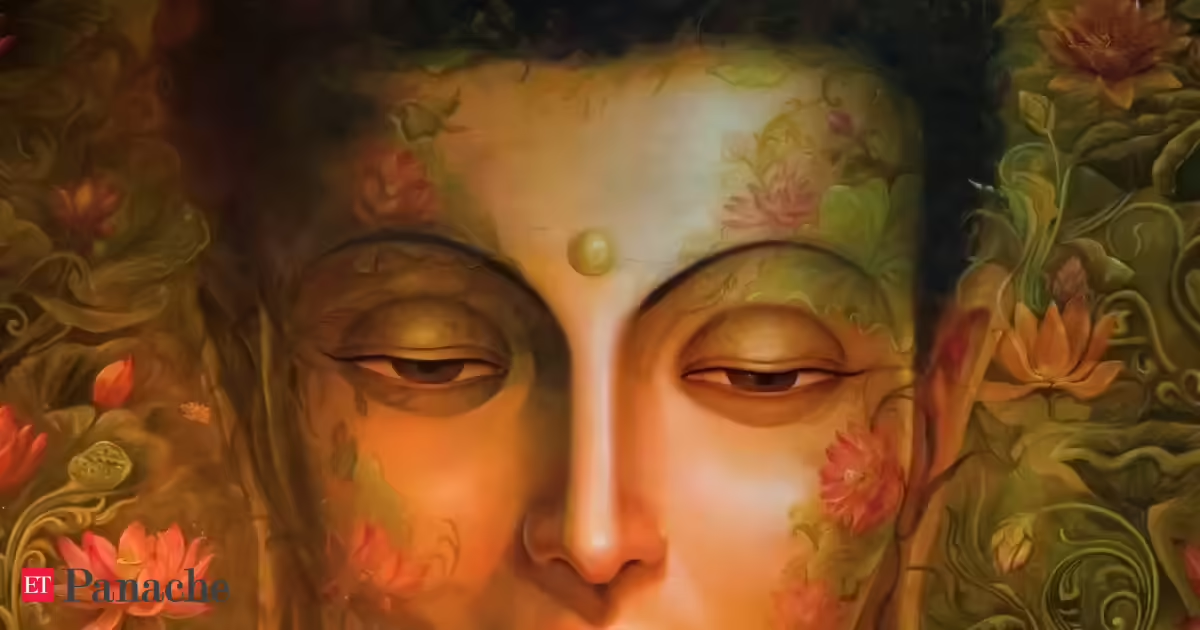
Anger is one of the most common human emotions. It can arise from betrayal, disappointment, unfair treatment, or conflict. Yet many philosophical and spiritual traditions have long warned about the damage caused by holding onto resentment. One saying that continues to resonate with people across cultures is the Buddhist proverb, “Holding onto anger is like drinking poison and expecting the other person to die.”The quote has become widely known in modern self-help literature, recovery communities, and discussions about emotional well-being. While the exact wording is not found in early Buddhist scriptures, it closely reflects core Buddhist teachings about suffering, attachment, and the destructive effects of anger. Over the years, the proverb has remained relevant because it captures a simple but powerful truth: unresolved anger often hurts the person carrying it more than the person it is directed toward.“Holding onto anger is like drinking poison and expecting the other person to die.”The proverb uses a vivid image to explain the nature of resentment. Drinking poison is an act that harms the person consuming it. In the same way, holding onto anger may feel justified, but it often causes emotional distress, stress, and suffering for the individual who refuses to let go.The saying suggests that people sometimes believe their anger somehow punishes the person who wronged them. In reality, the burden is usually carried by the one who remains trapped in resentment. While the other person may move on with their life, the angry individual continues to relive the hurt, keeping the wound open.At its heart, the proverb is not about excusing harmful behavior or forgetting painful experiences. Instead, it highlights the importance of freeing oneself from emotions that create further suffering. It points toward the idea that healing often begins when a person stops allowing past grievances to control their present state of mind.How the Saying Connects to Buddhist TeachingsAlthough the quote itself is considered a modern expression, its message closely matches Buddhist philosophy.Buddhism, which emerged from the teachings of the Buddha in ancient India more than 2,500 years ago, focuses on understanding and overcoming suffering. Central to Buddhist thought is the belief that attachment, craving, and aversion can lead to dissatisfaction and emotional pain.The Buddha often spoke about the dangers of anger and hatred. In various teachings, he compared resentment to carrying a burden that ultimately harms the person holding it. One well-known Buddhist analogy describes a person grasping a hot coal with the intention of throwing it at someone else. Before it can hurt another person, it first burns the hand of the one holding it.This idea aligns closely with the proverb's message. Anger may begin as a reaction to someone else's actions, but when it is nurtured and prolonged, it becomes a source of personal suffering.Why Letting Go Can Be DifficultLetting go of anger is often easier said than done. Hurt feelings, broken trust, and painful memories can remain for years. Many people fear that releasing resentment means accepting what happened or allowing someone to escape responsibility.However, the proverb suggests a different perspective. It reminds people that forgiveness or emotional release is often more about personal freedom than about the other person. Holding onto bitterness can keep someone emotionally tied to a negative experience long after the event itself has passed.This is why many Buddhist practices place emphasis on mindfulness, self-awareness, and compassion. These approaches encourage individuals to observe their emotions without becoming consumed by them.Life Lessons from the ProverbAnger often hurts the holder mostResentment may feel directed outward, but its emotional impact is usually experienced internally by the person carrying it.Emotional freedom requires letting goMoving forward does not always mean forgetting. It means refusing to allow past hurts to continue shaping the present.Awareness mattersRecognizing anger before it becomes deeply rooted can help prevent unnecessary suffering and emotional exhaustion.Healing is a personal choicePeople cannot always control what happens to them, but they can choose how long they allow painful experiences to dominate their thoughts.Why This Proverb Still MattersIn today's world, disagreements, online arguments, workplace conflicts, and personal disputes can easily fuel long-lasting resentment. Social media has also created environments where anger can be reinforced and amplified rather than resolved.The Buddhist proverb remains relevant because it speaks to a universal human experience. Most people have faced situations where they struggled to let go of a grudge or move beyond a painful event. The saying serves as a reminder that while anger may feel powerful in the moment, carrying it indefinitely often comes at a personal cost.Its message is not about ignoring injustice or suppressing emotions. Instead, it encourages people to examine whether their anger is helping them or simply prolonging their suffering. By choosing awareness, compassion, and emotional balance, individuals may find a healthier path forward.
Buddhist proverb of the day: 'Holding onto anger is like drinking poison and expecting the other person to die...' A powerful lesson on how inner peace often starts after releasing old grudges
The Buddhist proverb of the day, “Holding onto anger is like drinking poison and expecting the other person to die,” highlights the harm that resentment causes to the person carrying it. While the quote is a modern expression rather than a direct saying of the Buddha, it closely reflects Buddhist teachings on suffering, attachment, and emotional well-being. The proverb encourages people to let go of anger, recognize the personal cost of holding grudges, and embrace awareness and compassion as paths toward inner peace.
787 words~4 min read