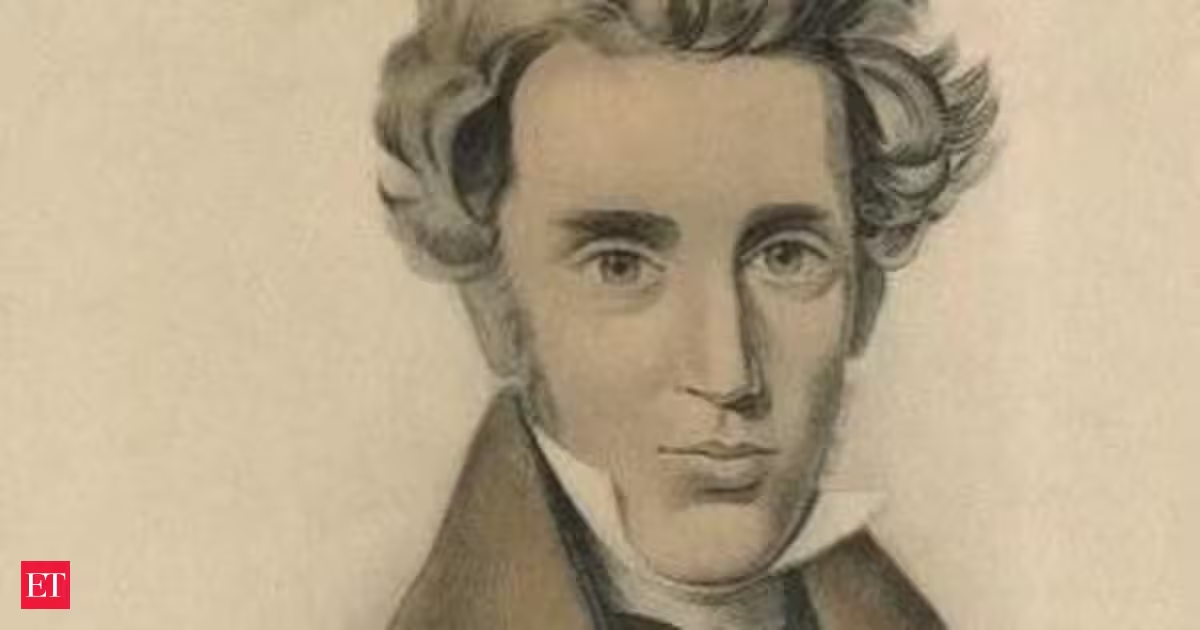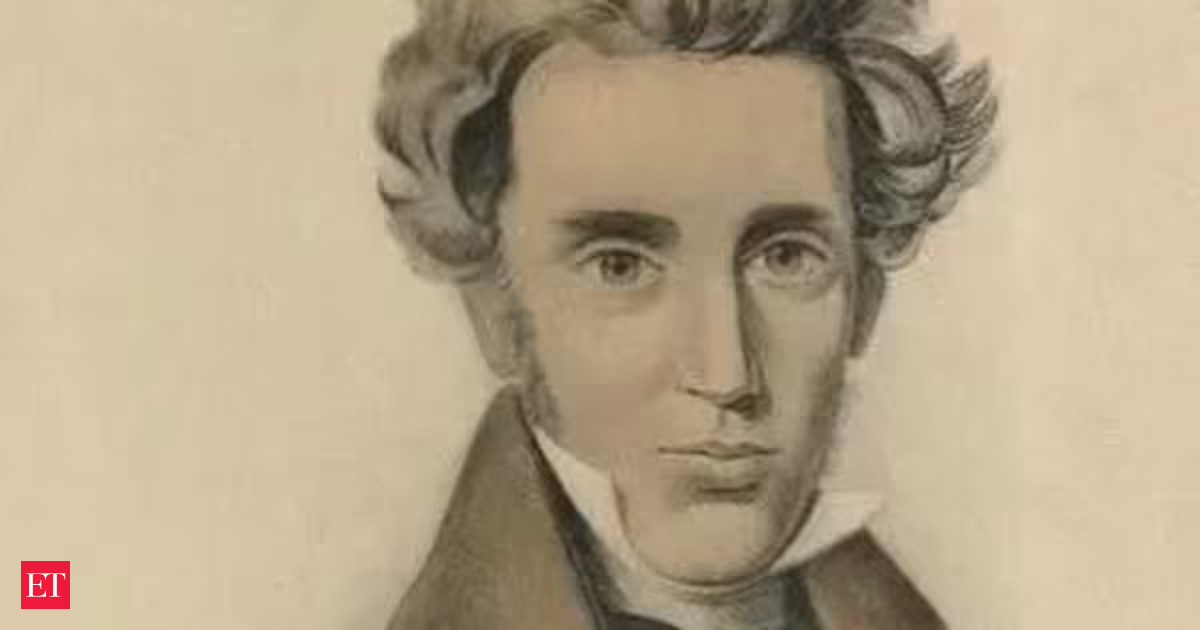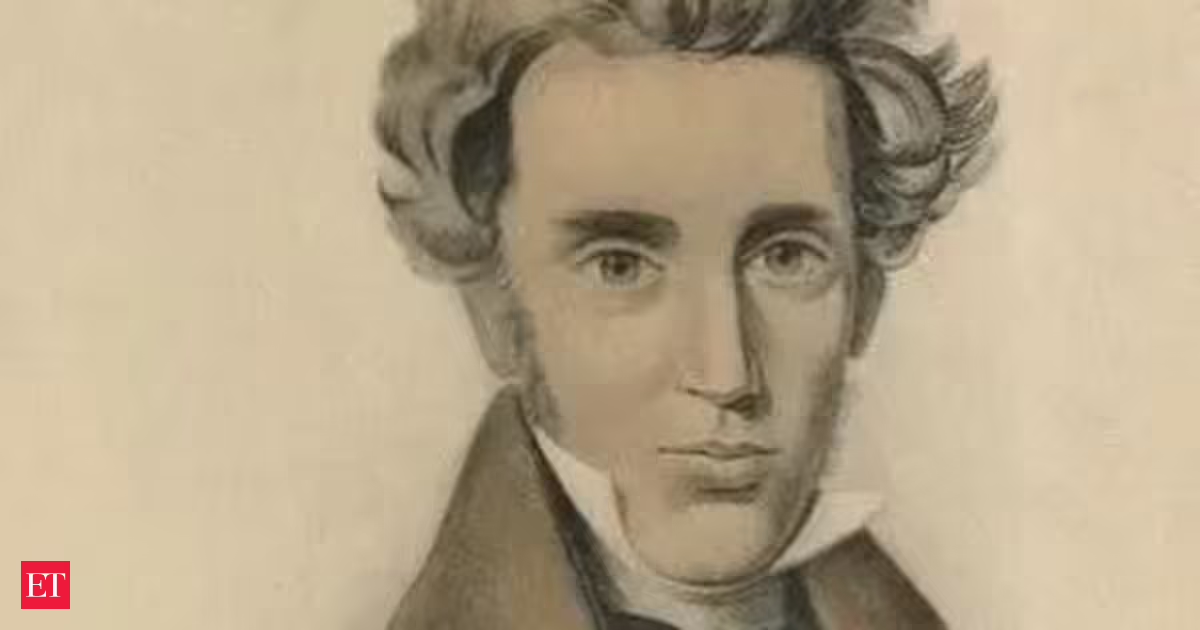
Quote of the Day by Søren Kierkegaard: Love is one of the deepest human experiences, shaping how individuals understand themselves, their emotions, and their place in the world. It carries the power to bring meaning, connection, and emotional fulfillment, but it also requires courage, honesty, and vulnerability to fully embrace it.His profound quote, “To cheat oneself out of love is the most terrible deception; it is an eternal loss for which there is no reparation, either in time or in eternity,” highlights the danger of avoiding love out of fear, pride, or insecurity. In today’s world of emotional uncertainty and guarded relationships, this message remains highly relevant. It reminds us that rejecting love as a form of self-protection can lead to deeper emptiness than the pain love might bring. Kierkegaard’s words continue to emphasize the importance of emotional honesty, courage in relationships, and the idea that true fulfillment often requires embracing love despite its risks.Quote of the Day Today: Soren Kierkegaard on emotional courage, inner truth and vulnerabilityQuote of the Day by Soren Kierkegaard: “To cheat oneself out of love is the most terrible deception; it is an eternal loss for which there is no reparation, either in time or in eternity”Meaning of Søren Kierkegaard’s Quote About Love Søren Kierkegaard’s quote, “To cheat oneself out of love is the most terrible deception; it is an eternal loss for which there is no reparation, either in time or in eternity,” explores the deep importance of emotional honesty, vulnerability, and the human need for love. The phrase “cheat oneself out of love” symbolizes the act of avoiding love out of fear, pride, insecurity, or emotional self-protection. Kierkegaard suggests that love is not something trivial or optional, but a fundamental part of human existence that gives life meaning and depth.However, the deeper meaning of the quote emphasizes that avoiding love can become a form of self-deception. When people refuse love to protect themselves from pain or rejection, they may also be rejecting growth, connection, and emotional fulfillment. True emotional living requires openness, even when it feels risky. In this sense, love is not only about joy, but also about courage, honesty, and acceptance of vulnerability. Love, according to Kierkegaard’s idea, becomes something essential to human experience. Losing the chance to love or be loved is not just a temporary regret but a lasting emotional absence that cannot easily be replaced or recovered.Why Human Life Feels Empty Without Love and ConnectionHuman life often feels empty without love and connection because emotional bonds are essential to a sense of belonging and purpose. Love provides warmth, meaning, and stability, while connection helps individuals feel understood and valued by others. Without these, life can become emotionally isolated, even when external success or material comfort is present. Human beings are naturally social, and relationships play a key role in shaping identity, happiness, and mental well-being. Love and connection also offer support during difficult times, making challenges easier to face and overcome. In their absence, people may experience loneliness, detachment, and a lack of direction. Emotional fulfillment is deeply tied to meaningful relationships, whether with family, friends, or partners. Ultimately, life feels incomplete without love because it is through connection that people experience true emotional richness, shared understanding, and a sense of purpose that goes beyond individual existence.Early Life of Søren KierkegaardSøren Kierkegaard was born on May 5, 1813, in Copenhagen, Denmark, into a strict and deeply religious family. His father, Michael Pedersen Kierkegaard, was a wealthy merchant with a strong philosophical and religious influence on Søren’s upbringing. His childhood was marked by a serious and reflective environment, which shaped his early interest in faith, morality, and human existence. Kierkegaard often struggled with anxiety and introspection, experiences that later influenced his philosophical writings.Education and Academic DevelopmentKierkegaard studied theology at the University of Copenhagen, where he also explored philosophy, literature, and classical thought. He was deeply influenced by Socratic philosophy and the idea of subjective truth. During his academic years, he became increasingly focused on questions about existence, faith, and individuality. His education laid the foundation for his later philosophical work, which often challenged conventional religious and social thinking.Rise as a Philosopher and Literary InfluenceKierkegaard began writing extensively in the 1840s, producing works that combined philosophy, theology, and literature. His major works include Either/Or, Fear and Trembling, and The Sickness Unto Death. He is often regarded as the father of existentialism. His writing style was reflective, personal, and deeply analytical, focusing on individual choice, faith, and emotional truth rather than universal systems.Struggles, Isolation, and Personal ReflectionThroughout his life, Kierkegaard lived much of his later years in relative isolation. He experienced emotional struggles, broken engagements, and inner conflict regarding faith and duty. These personal experiences deeply influenced his philosophical outlook. Despite being misunderstood during his lifetime, he continued to write about the importance of authenticity, love, and individual existence.Legacy and Lasting InfluenceSøren Kierkegaard passed away on November 11, 1855, in Copenhagen. Today, he is regarded as one of the most important philosophers of modern thought and the founder of existential philosophy. His works continue to influence philosophy, psychology, theology, and literature. Kierkegaard’s ideas about love, fear, choice, and individuality remain deeply relevant, reminding us of the importance of living authentically and embracing emotional truth despite uncertainty.Life Lessons from Søren Kierkegaard’s Famous QuoteSøren Kierkegaard’s quote teaches that love is one of the most meaningful and irreplaceable experiences in human life, and avoiding it out of fear, pride, or insecurity can lead to deep emotional loss. True emotional living requires courage, honesty, and the willingness to be vulnerable, even when there is a risk of pain or rejection. The quote highlights that love is not just an emotion but a fundamental part of human existence that brings growth, connection, and purpose. In modern life, this message is especially important because people often protect themselves emotionally by avoiding attachment or deep relationships. Kierkegaard’s words continue to remind us that real emotional strength comes from embracing love fully rather than escaping it, and that self-deception in matters of the heart can lead to long-lasting emptiness.Why This Quote Still Matters TodaySøren Kierkegaard’s quote remains highly relevant today because many people struggle with emotional fear, trust issues, and the pressure to protect themselves from heartbreak. In a world where relationships are often influenced by past trauma, social expectations, and emotional detachment, people may choose to avoid love altogether. This quote reminds us that while avoiding love may feel safe, it can also lead to deeper emotional loss and regret. Modern emotional life requires balance—being open to connection while still aware of risks. Kierkegaard’s message highlights that true fulfillment often comes from emotional courage, and that meaningful relationships are built when people choose honesty and vulnerability over fear and self-protection.Relationship WisdomSøren Kierkegaard’s quote, “To cheat oneself out of love is the most terrible deception,” reflects a timeless truth about emotional honesty and human connection. Love is not something that should be avoided or delayed out of fear, because it is central to emotional growth and personal meaning. Real emotional wisdom lies in accepting vulnerability and understanding that love carries both joy and risk. This wisdom remains relevant because it emphasizes that emotional avoidance can be more damaging than emotional pain. True human connection requires openness, courage, and the willingness to experience love fully rather than denying it for safety.
Quote of the Day by Søren Kierkegaard: “To cheat oneself out of love is… — Inspiring lessons on fear, self-deception, human nature and why love is essential for a meaningful life by the father of existentialism and deep insight into existence, faith, and individuality
Quote of the Day by Søren Kierkegaard: Søren Kierkegaards quote, “To cheat oneself out of love is the most terrible deception; it is an eternal loss for which there is no reparation, either in time or in eternity,” explores the importance of emotional honesty, vulnerability, and the courage to embrace love in human life.
1,221 words~6 min read