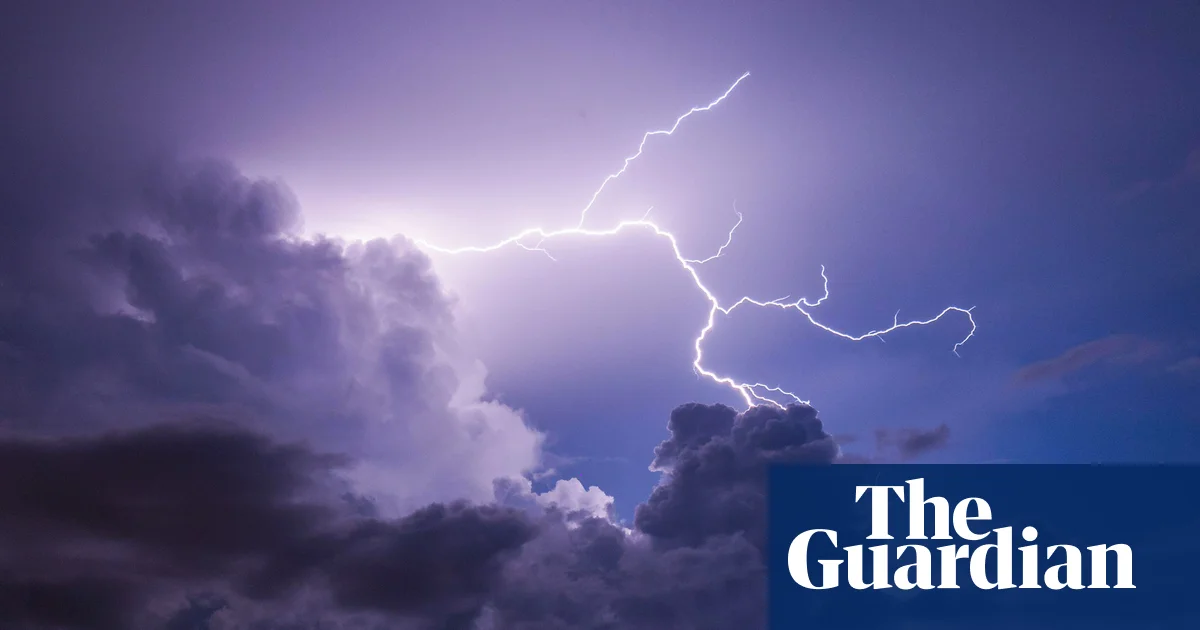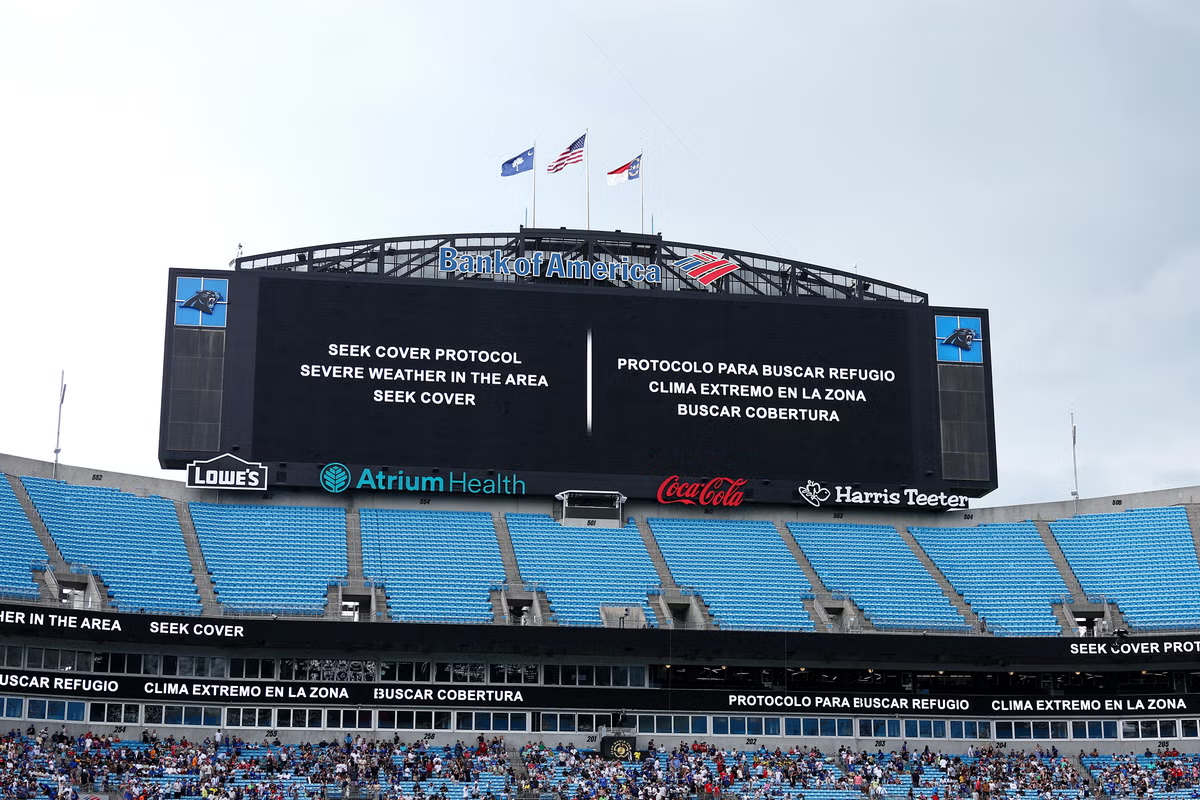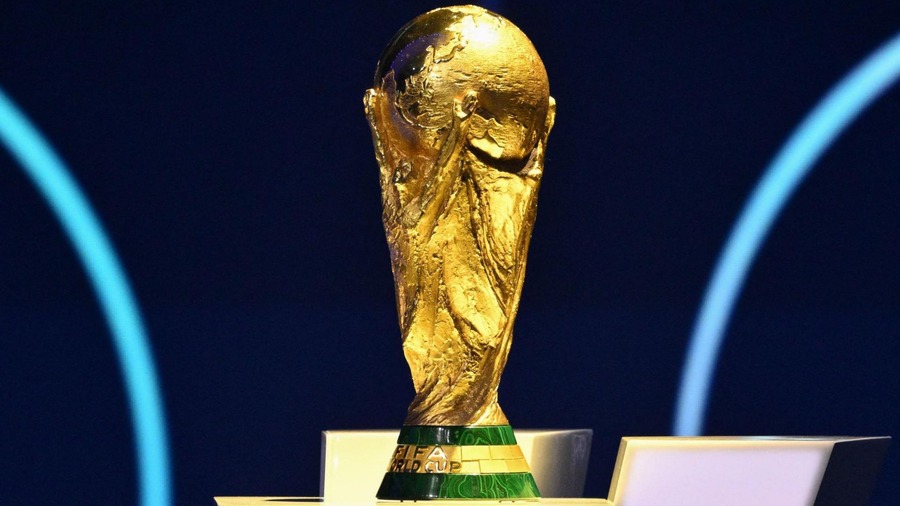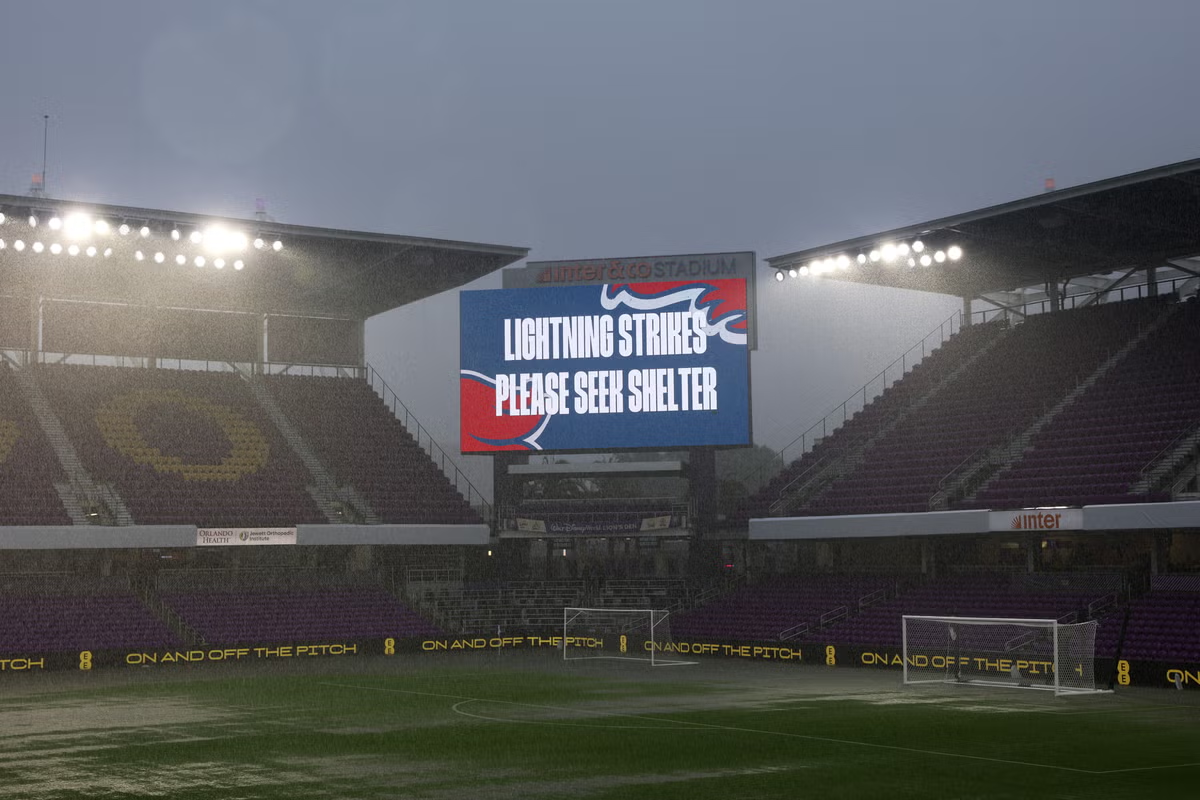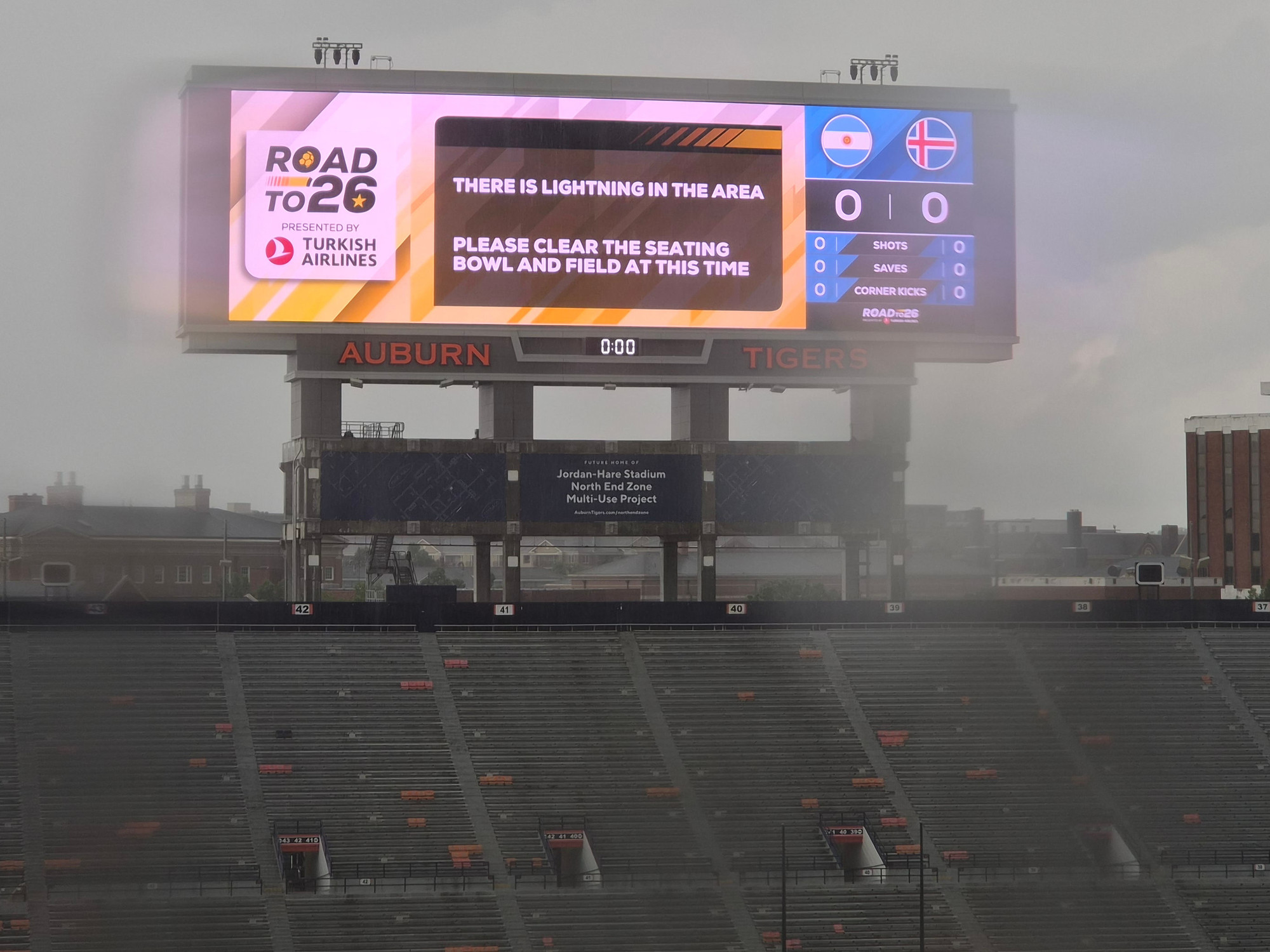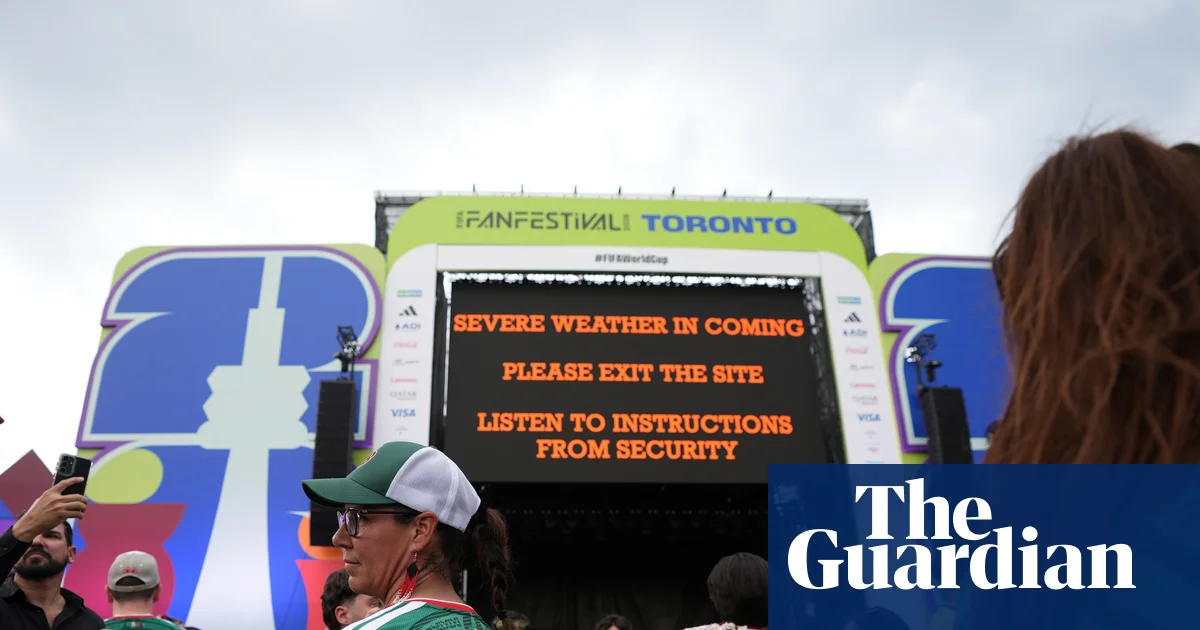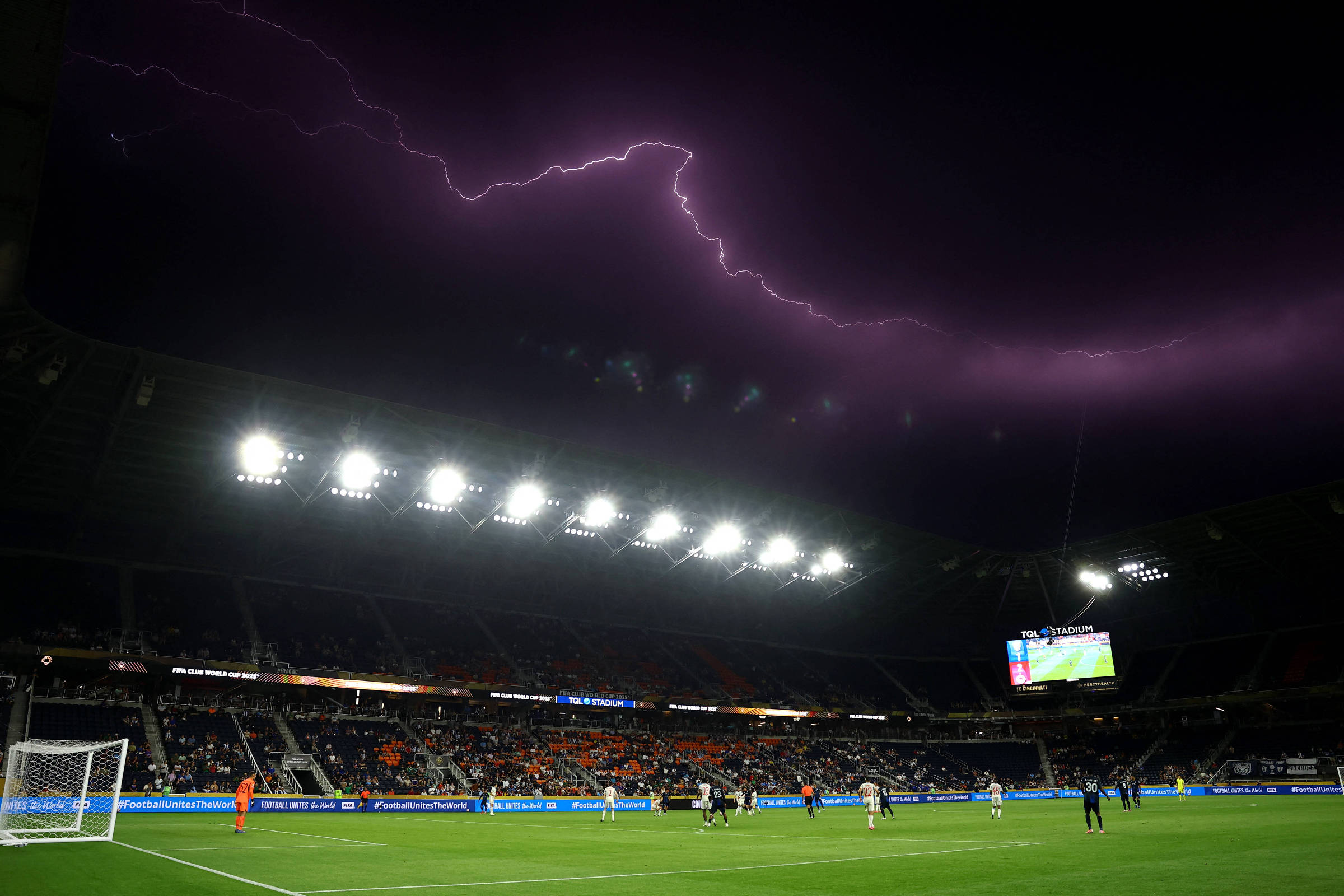
Imagine Lionel Messi lining up a free kick in the 89th minute of a World Cup match, only for the referee to stop play and send everyone off the pitch because of a thunderstorm miles away.That scenario is a very real possibility at the 2026 FIFA World Cup.While fans usually worry about injuries, tactics and controversial refereeing decisions, weather could become an unexpected headline throughout the tournament. FIFA will be required to follow United States lightning safety protocols, meaning matches can be suspended whenever lightning is detected within eight miles of a stadium.The weather rule FIFA cannot ignoreUnder the guidelines used by the National Oceanic and Atmospheric Administration (NOAA), play cannot resume until 30 minutes have passed since the last lightning strike. If another strike is detected during that period, the countdown starts again.In simple terms, a World Cup match could be delayed for hours if a thunderstorm refuses to move away.FIFA has confirmed that there is no fixed maximum delay time. Instead, every situation will be assessed individually, leaving open the possibility of lengthy interruptions during the tournament.The concern is particularly relevant in Florida, widely regarded as the lightning capital of the United States. Miami's Hard Rock Stadium will host seven World Cup matches, including Brazil's group stage clash against Scotland, a quarter final and the third place playoff.Other venues that could be vulnerable to thunderstorms include Boston, New Jersey, Atlanta, Dallas, Houston and Kansas City, while Mexico City and Monterrey may also face weather related disruptions.Club World Cup offered an early warningThe issue is not merely theoretical. During the 2025 FIFA Club World Cup, six matches were halted because of lightning. Chelsea's last 16 clash against Benfica became the most famous example, with the match eventually ending four hours and 38 minutes after kick off following a lengthy weather suspension.Then Chelsea manager Enzo Maresca did not hide his frustration afterwards"It's a joke. This is not football."The incident sparked widespread debate about whether major tournaments should be scheduled in regions prone to severe summer thunderstorms.With the World Cup expanding to 48 teams and 104 matches, weather delays could become one of the tournament's biggest talking points, especially in cities such as Miami, Boston and New Jersey where summer thunderstorms are common.
Why a thunderstorm could make a World Cup match last for hours in US
How US lightning rules could turn 2026 World Cup matches into hours-long marathons, with storms forcing repeated delays in cities like Miami and New Jersey.
TL;DRAI
FIFA's 2026 World Cup adopts NOAA lightning protocols—30+ minute suspensions whenever lightning is within 8 miles, a rule that delayed the 2025 Club World Cup's Chelsea-Benfica match 4h38m. With 104 matches across weather-prone venues, unprecedented scheduling delays threaten broadcast rights and tournament logistics.
372 words~2 min read