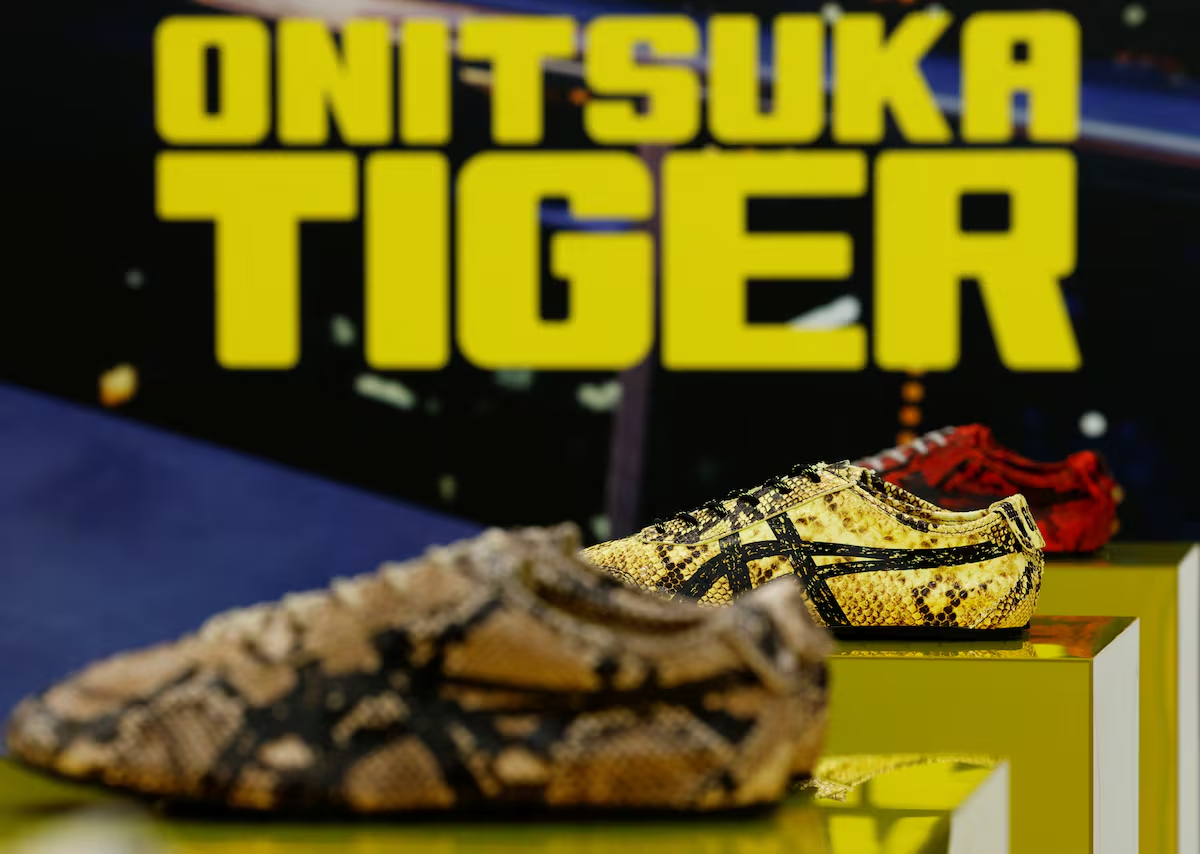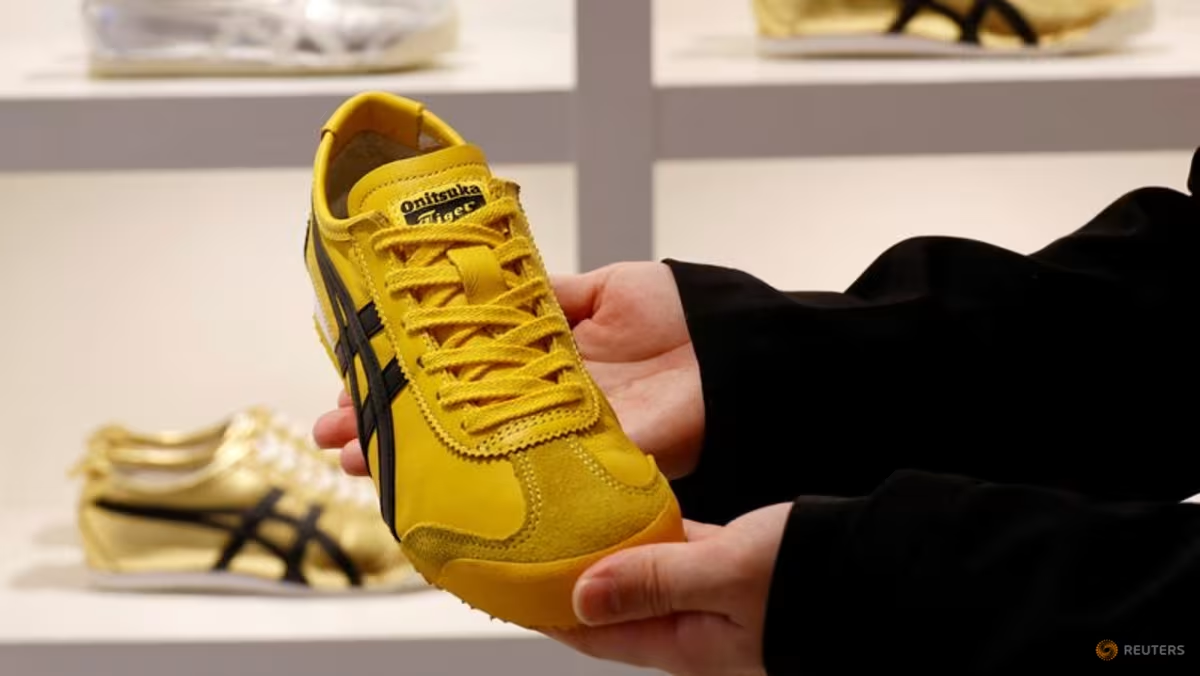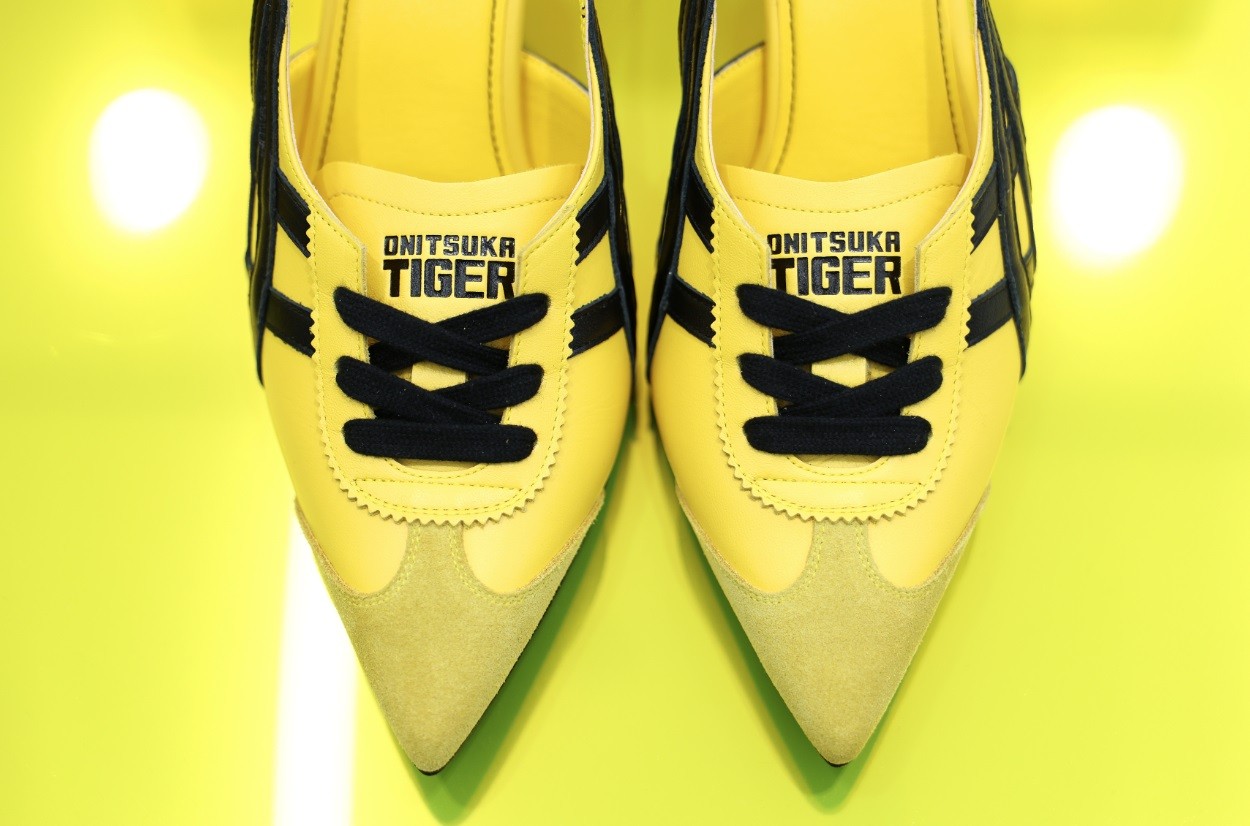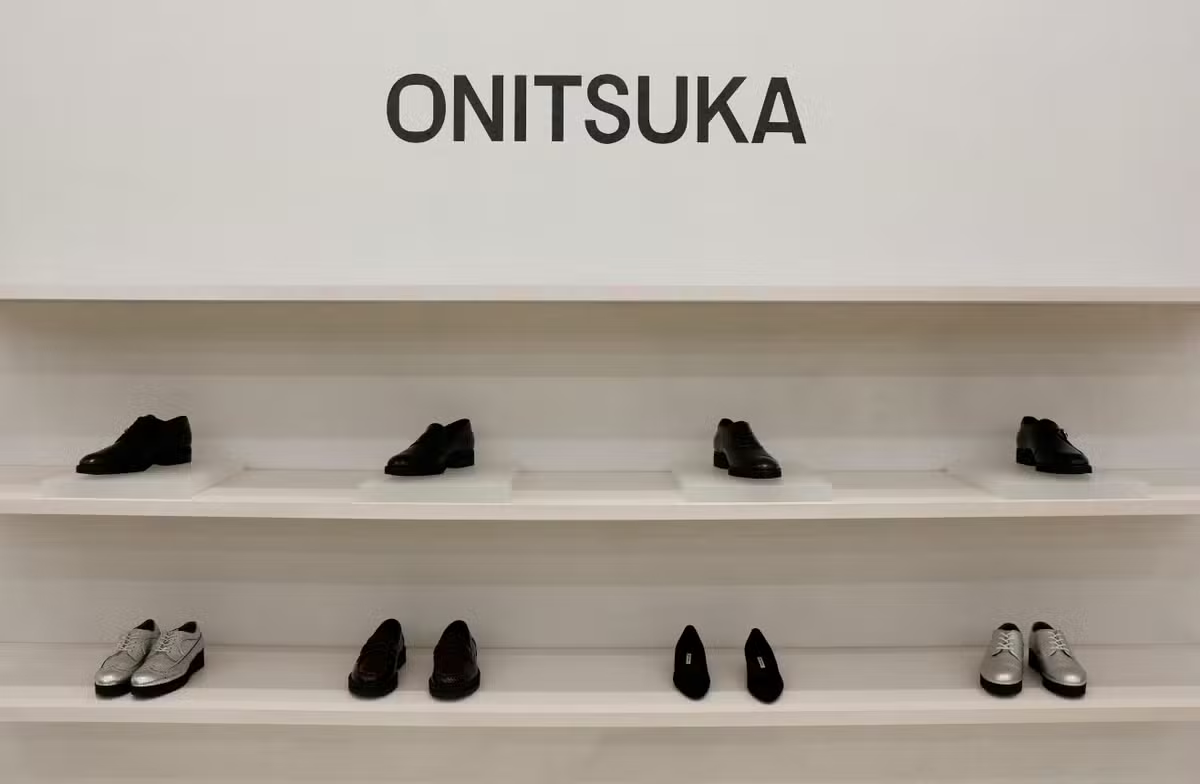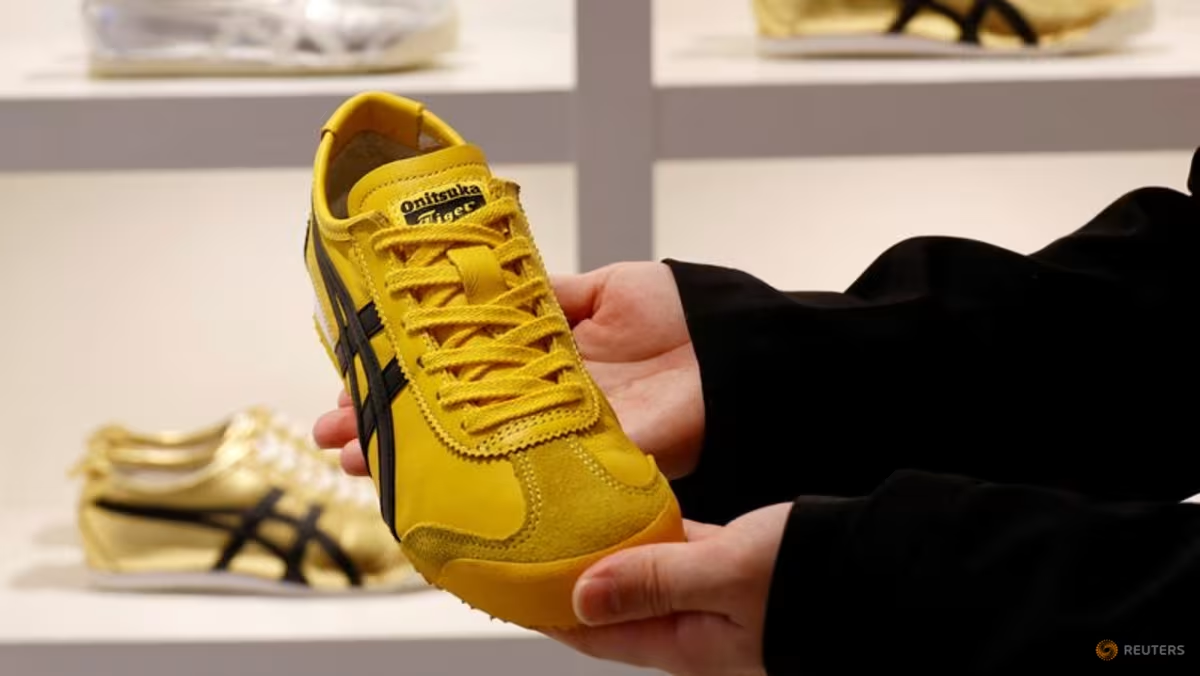
TOKYO – Asics’ Onitsuka Tiger, famed for its yellow and black sneakers, is embarking on a global expansion to capitalise on booming demand for its retro fashion shoes, but analysts warn that the ambition could put its impressive margins at risk.Onitsuka Tiger, symbolised by sneakers flaunted by actress Uma Thurman in the hit 2003 hit movie Kill Bill, as well as a Bruce Lee-associated version tied to the martial arts idol, is opening flagship stores in Europe and the United States.It has already cashed in on tourists drawn to Japan by the weakened yen currency that fuels shopping sprees. Sales grew by a third in the quarter from January to March, for a profit margin of around 40 per cent, the highest among Asics’ businesses.Such margins are at “a level far closer to luxury brands than traditional sporting goods companies”, said Mark Chadwick, an analyst who publishes on Smartkarma, warning that the brand’s new structure could endanger its fat margins.The “exceptional margins” may be more difficult to sustain, as becoming a standalone business incurs costs, and the business also faces execution risk with its “capital-intensive” strategy of opening flagship stores, he said.The nearly 80-year-old Onitsuka Tiger traces its origins to a shoe business founded in the city of Kobe in 1949 by Kihachiro Onitsuka, but the Mexico line featuring its iconic stripes was launched only in 1966, following products such as basketball shoes.During that decade, Nike co-founder Phil Knight met officials at Onitsuka, and began importing and distributing the company’s running shoes in the US.After a hiatus, Asics relaunched Onitsuka Tiger in 2002 in Europe, reviving its classic design as a fashion brand.“Onitsuka Tiger was able to benefit from consumers switching their preference from maximalist shoes, which have a lot of cushioning, to minimalist shoes,” said Ivan Su, an analyst at Morningstar.The popularity of Onitsuka Tiger, which appointed Momo from K-pop idol group TWICE as its brand ambassador in 2022, has surged in recent years, aided by a revival of retro-inspired trainers.On June 10, Asics, which has a market value of around US$20 billion (S$26 billion), said Onitsuka Tiger would be transferred to OT Group, a wholly-owned subsidiary, via a company split.The company said there were no plans for a listing. Still, some analysts think the spin-off makes it easier for Asics to change the ownership structure if required.“The move does not unlock value immediately, but it lays the groundwork for the market to recognise OT as a fundamentally different business with fundamentally different economics,” Chadwick said.With almost 200 stores worldwide, Onitsuka Tiger plans to open more in 2026, in countries such as China, Italy and South Korea. It aims to re-enter the US next February with a store in Los Angeles, three years after closing one in New York.Japanese culture exerts a global fascination, said Glenn McMahon, a fashion and retail brand consultant in Los Angeles.“The brand benefits from growing consumer interest in alternative sneaker brands and increasing fatigue with the dominance of Nike and Adidas,” McMahon said.Designs such as pink cherry blossoms emphasise the Japanese roots of the company, which sells a premium “Nippon Made” line handmade in a small town in western Japan.Onitsuka Tiger sneakers have “the vintage feel with the novelty to the US market and the exotic vibe”, said American college student Kaito Hikino.He bought a pair of Mexico 66 TGRS for his girlfriend during a family visit to Japan in 2026 and said most of his women friends in the US own a pair of Onitsuka Tiger sneakers.The brand sells clothes and bags at existing stores in swanky locations such as London’s Regent Street and the Champs-Elysees in Paris.“We think some level of prior investment will be needed, including for opening directly managed stores in major US cities and strengthening advertising,” Nomura Securities analyst Shintaro Umeda said in a note.“When looking online for must-dos in Japan, getting Onitsuka Tigers is always talked about as a must-do,” said Brazilian Ana Lebl, who is visiting Japan after graduating from high school in the US.“I had found them online about a year ago through resellers but they’re always much more expensive,” said Lebl, who bought a pair of Mexico 66 SD trainers in Tokyo last week.“We would expect steeper sales growth if the firm accelerated store openings compared with its currently cautious approach,” SMBC Nikko analyst Kenya Matsuo said in a note.But global heavyweights such as Nike, Adidas and Puma have their own minimalist sneaker lines in a field of burgeoning competition among lines based on classic designs.Yet, fashion is fickle, and Onitsuka Tiger could lose its footing, one analyst said.“We have seen a lot of companies doing something like what Onitsuka Tiger has done with the Mexico 66 model and fashion trends are outside their control,” said Su of Morningstar. “The Onitsuka Tiger brand has been popular for a while, but we think that might fade in the coming years, affecting margins.” REUTERS
Asics’ ‘Kill Bill’ sneaker brand Onitsuka Tiger laces up for global expansion
Retro sneaker darling bets on global growth, but expansion could squeeze luxury-like profits. Read more at straitstimes.com. Read more at straitstimes.com.
TL;DRAI
Asics separates Onitsuka Tiger into OT Group subsidiary, expanding globally via capital-intensive flagship stores with 40% profit margins. Spinoff enables M&A optionality; heritage brand faces margin erosion from fashion volatility and competitive pressure.
817 words~4 min read