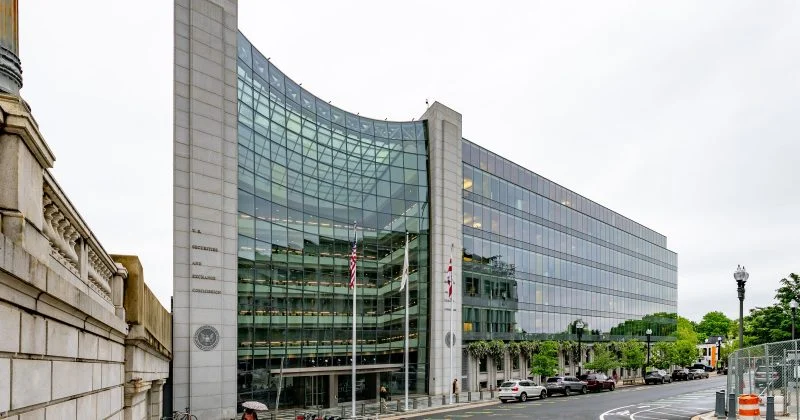
The Supreme Court just told shareholders that if they have a problem with how their investment fund is governed, they should take it up with the SEC, not a courtroom.
In a 6-3 decision handed down on June 11, the Court ruled in FS Credit Opportunities Corp. v. Saba Capital Master Fund, Ltd. that Section 47(b) of the Investment Company Act of 1940 does not grant shareholders an implied private right to sue registered investment companies over alleged governance violations.
What happened and why it matters
The case traces back to activist investor Saba Capital, which challenged bylaw provisions adopted by closed-end funds affiliated with FS Credit Opportunities. Those bylaws restricted voting rights for major shareholders, which Saba argued violated Section 18(i) of the Investment Company Act, a provision requiring equal voting rights.
Saba wasn’t alone in this fight. Similar challenges had been mounted against comparable funds run by BlackRock, creating a pattern of activist investors using litigation as a governance lever.