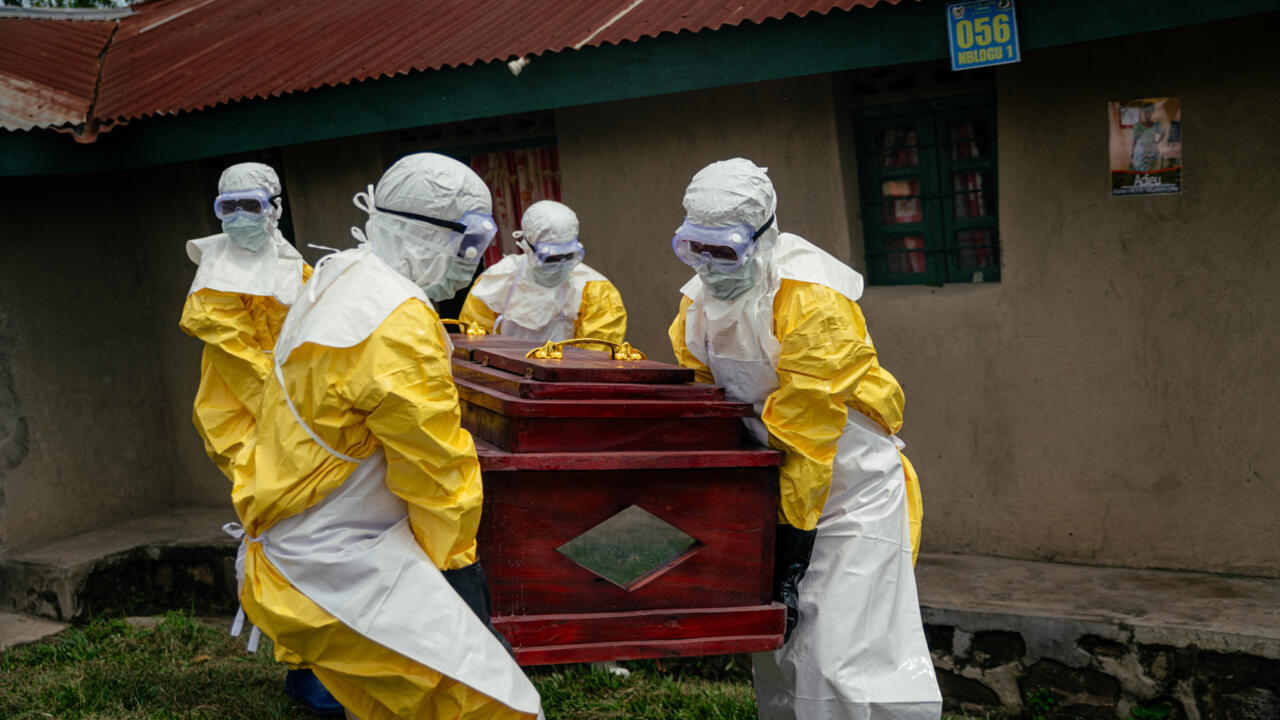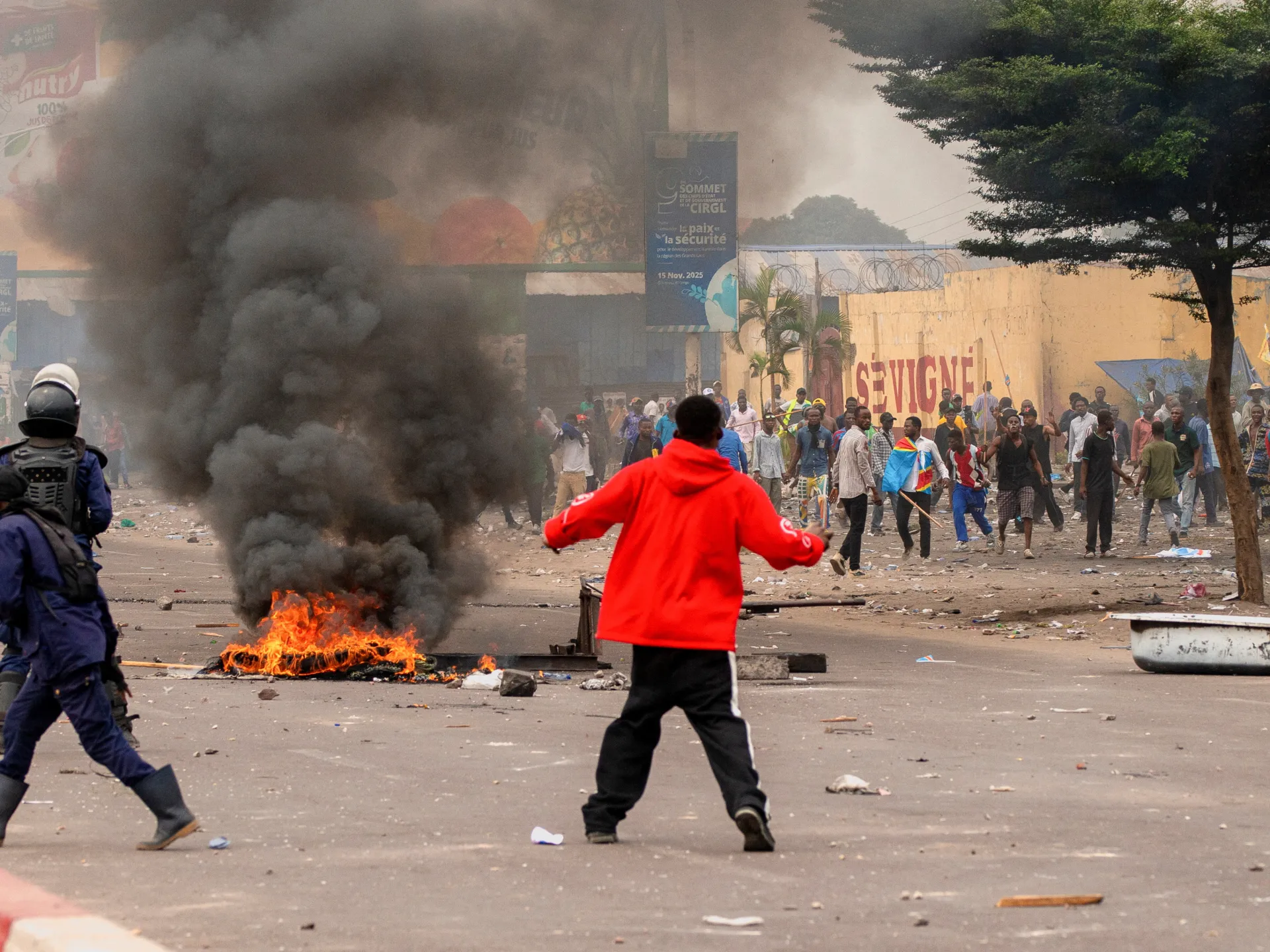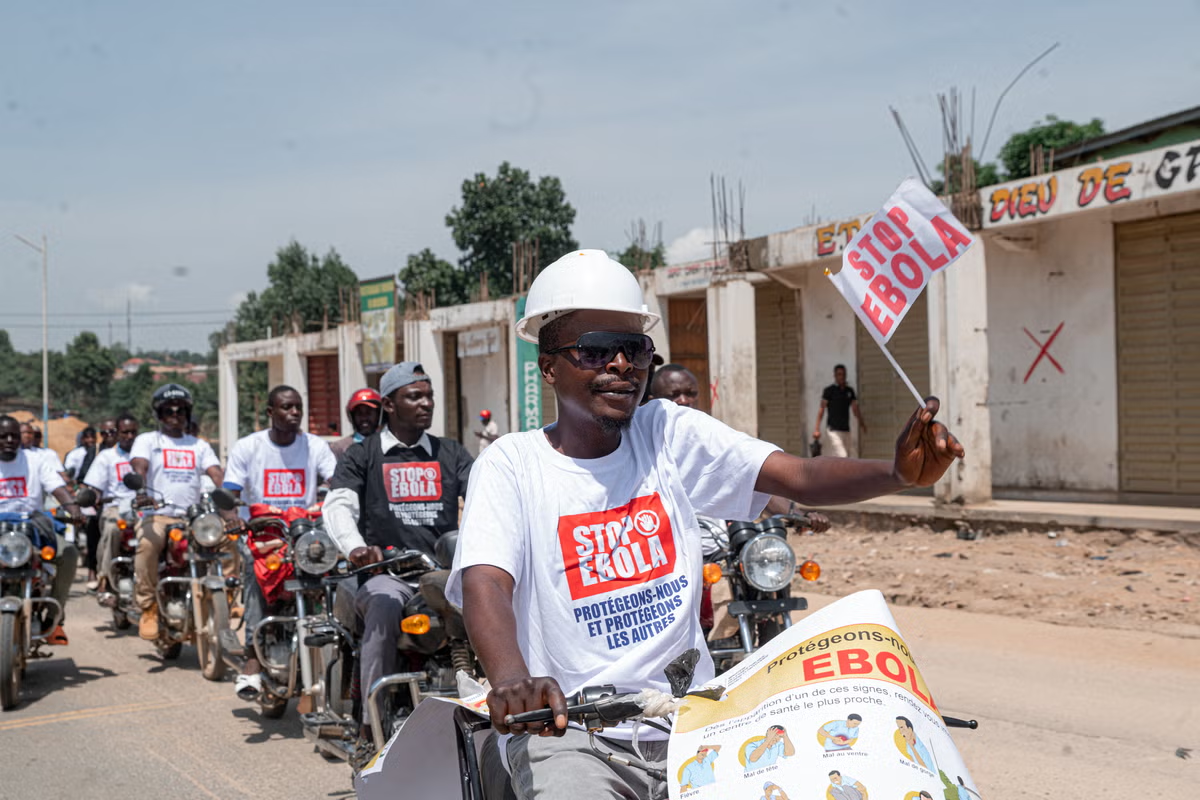
Despite an ongoing Ebola epidemic and persistent insecurity in the eastern Democratic Republic of Congo (DRC), the political elite is increasingly focused on a possible constitutional overhaul, with the ruling majority now openly pursuing amendments.
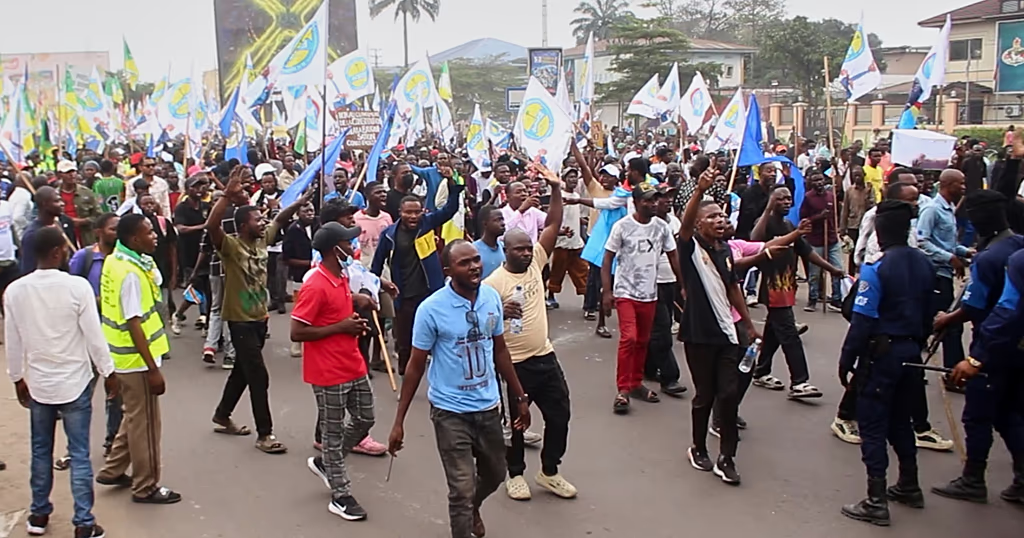
On June 9, the National Assembly passed a bill to organize referendums — legislation that would be pivotal to any constitutional revision as President Felix Tshisekedi's second and final term expires in 2028. The vote took place without opposition lawmakers, who have boycotted parliament for weeks in protest against the initiative.
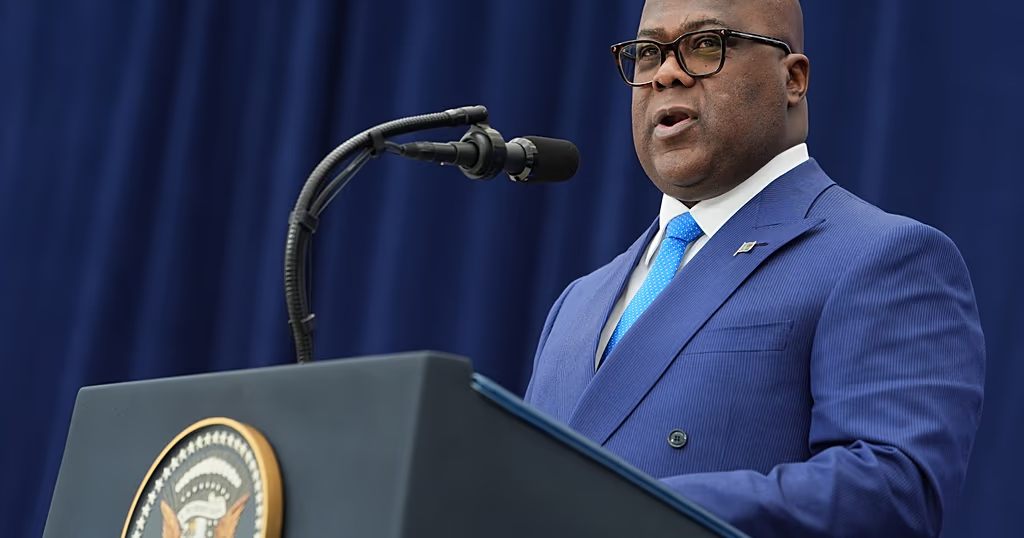
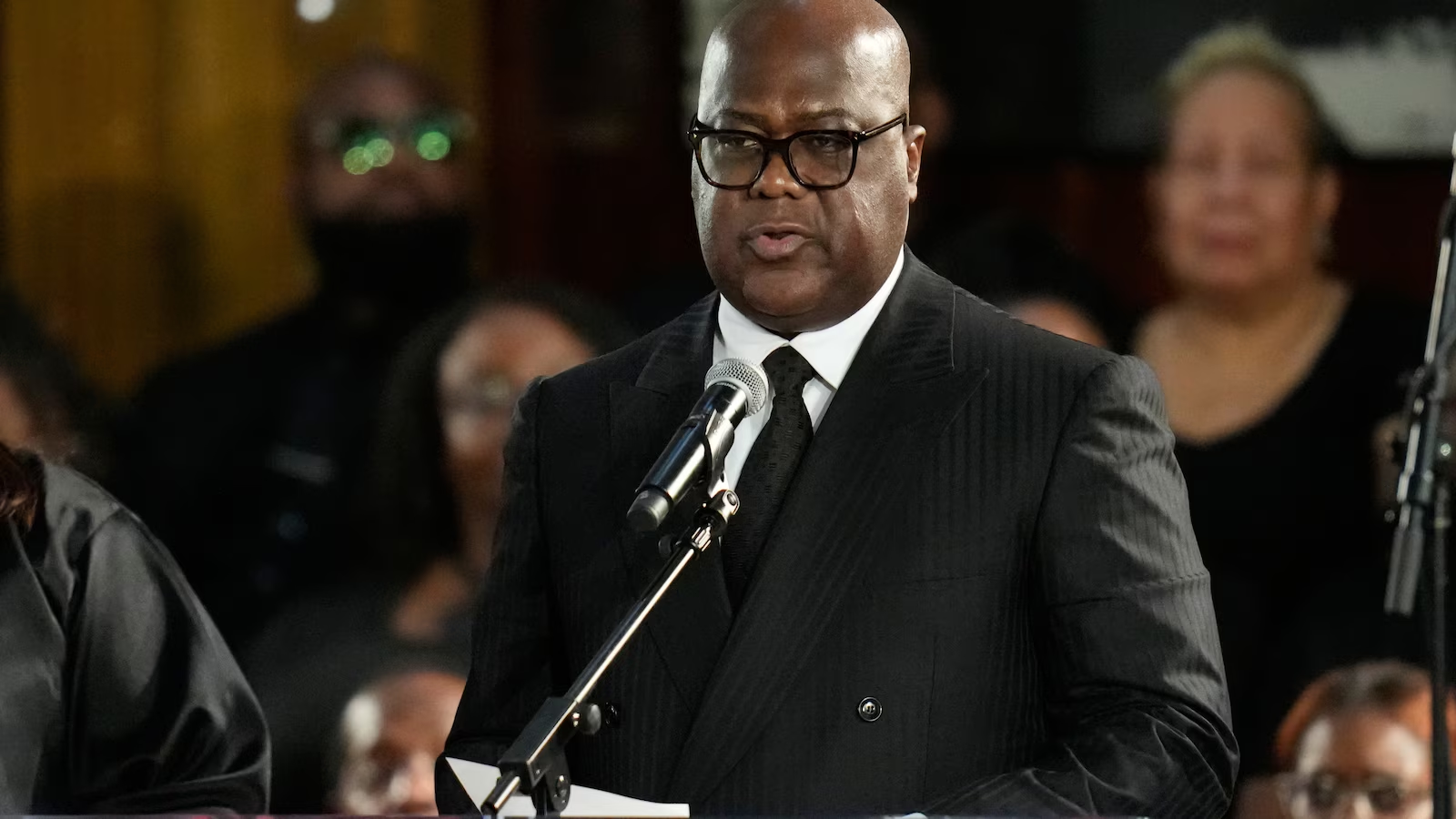
Tshisekedi has signaled openness to a scenario that could lead to a third term through constitutional revision and even a potential postponement of elections. "I have not asked for a third term, but I tell you this: If the people want me to have a third term, I will accept," he said in early May during a press conference in Kinshasa.
His Union for Democracy and Social Progress (UDPS) has already launched a public campaign promoting constitutional reform. In power since 2019, Tshisekedi, 62, is constitutionally limited to two terms under the charter adopted 20 years ago.
This is not his first push for change. In 2024, Tshisekedi described the Constitution as a "foreigners' constitution," without offering evidence, and announced plans for a national commission of experts to review it. Those remarks came shortly before the AFC/M23 rebels — backed by Rwanda, according to UN experts — seized key eastern cities including Goma, Bukavu and Uvira.