Welcome to Foreign Policy’s Africa Brief.
The highlights this week: The Congolese opposition pushes back against a new bill that could extend President Felix Tshisekedi’s time in office, a South Sudanese whistleblower is abducted in Nairobi, and Washington cuts funding for HIV and AIDS treatment in South Africa.
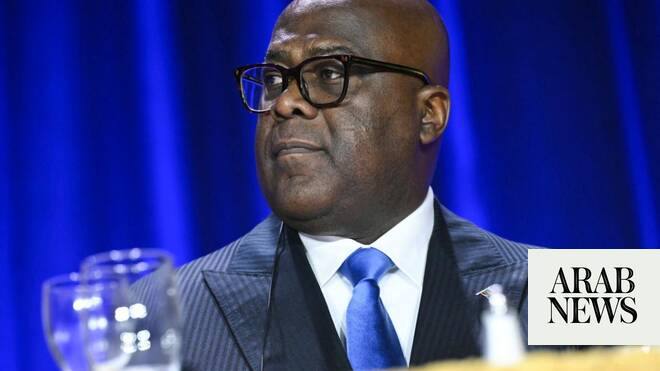
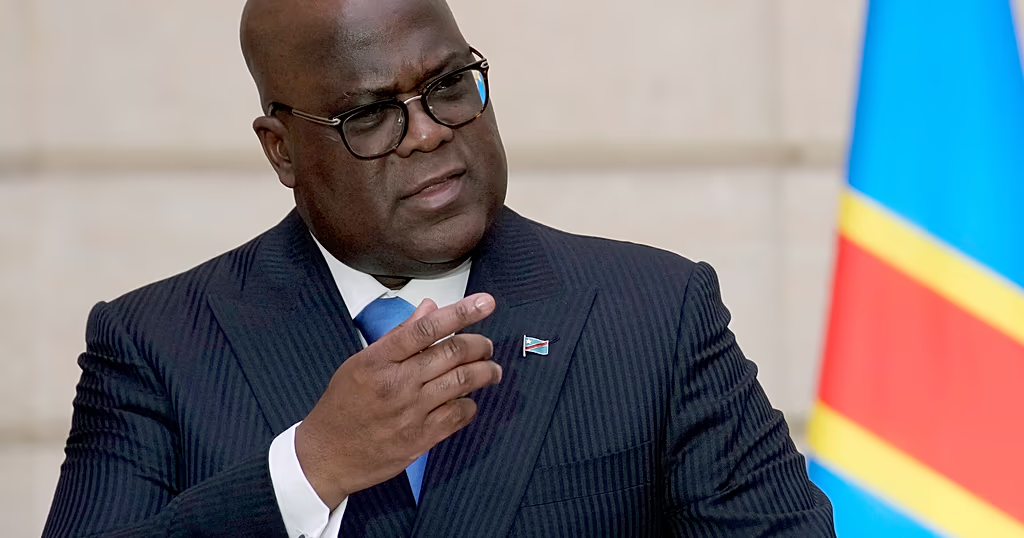
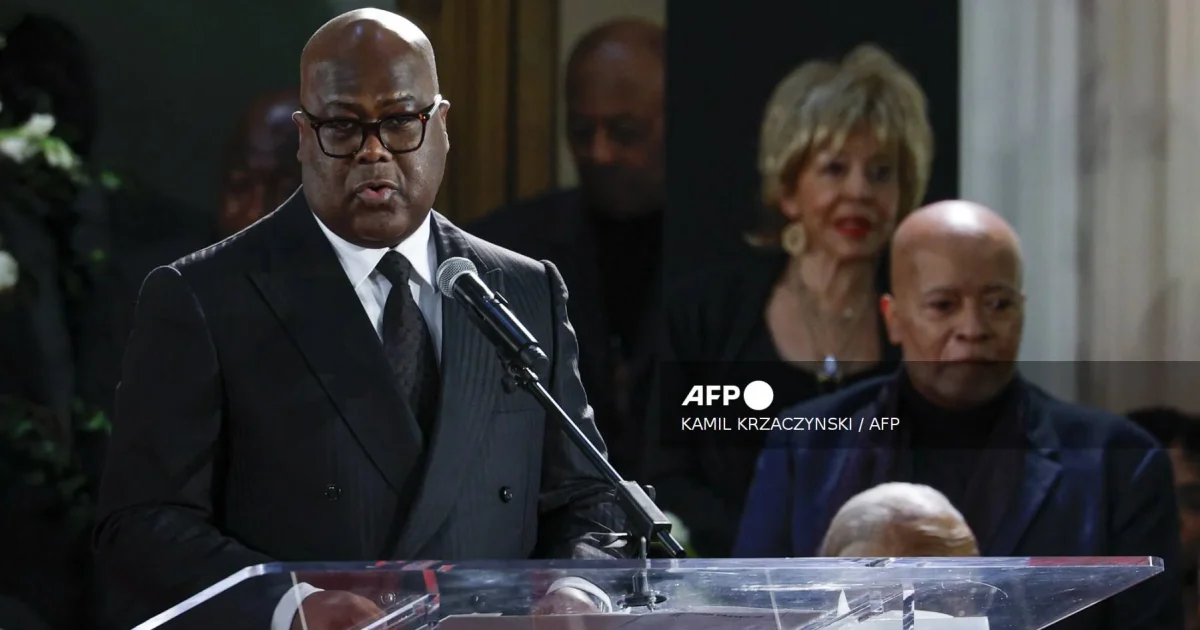
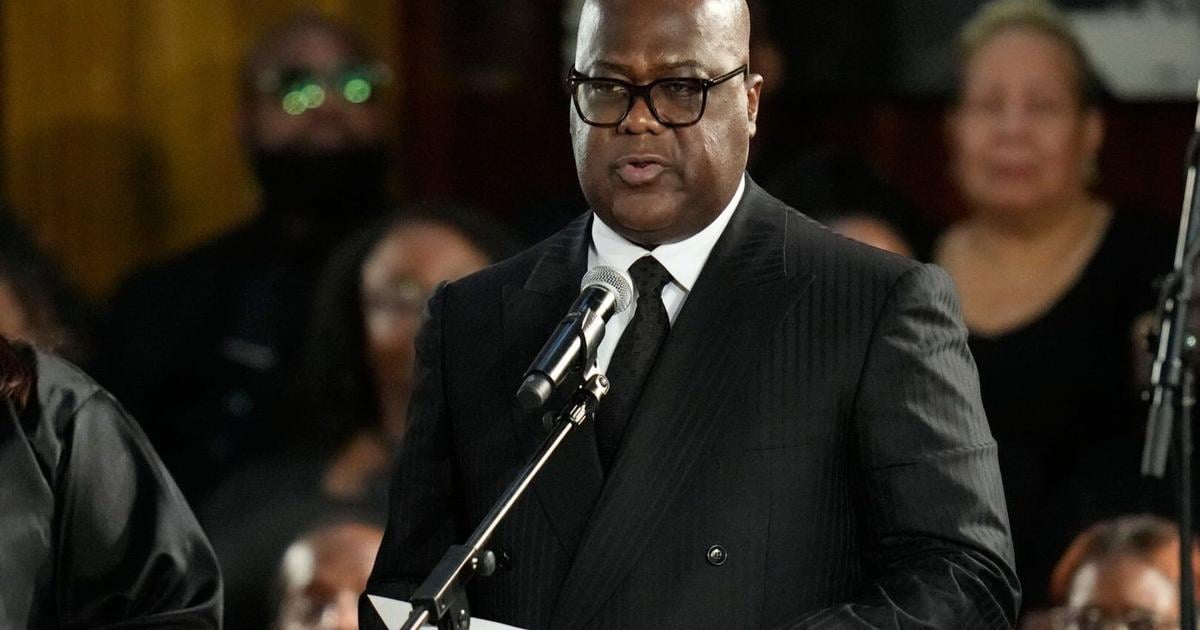
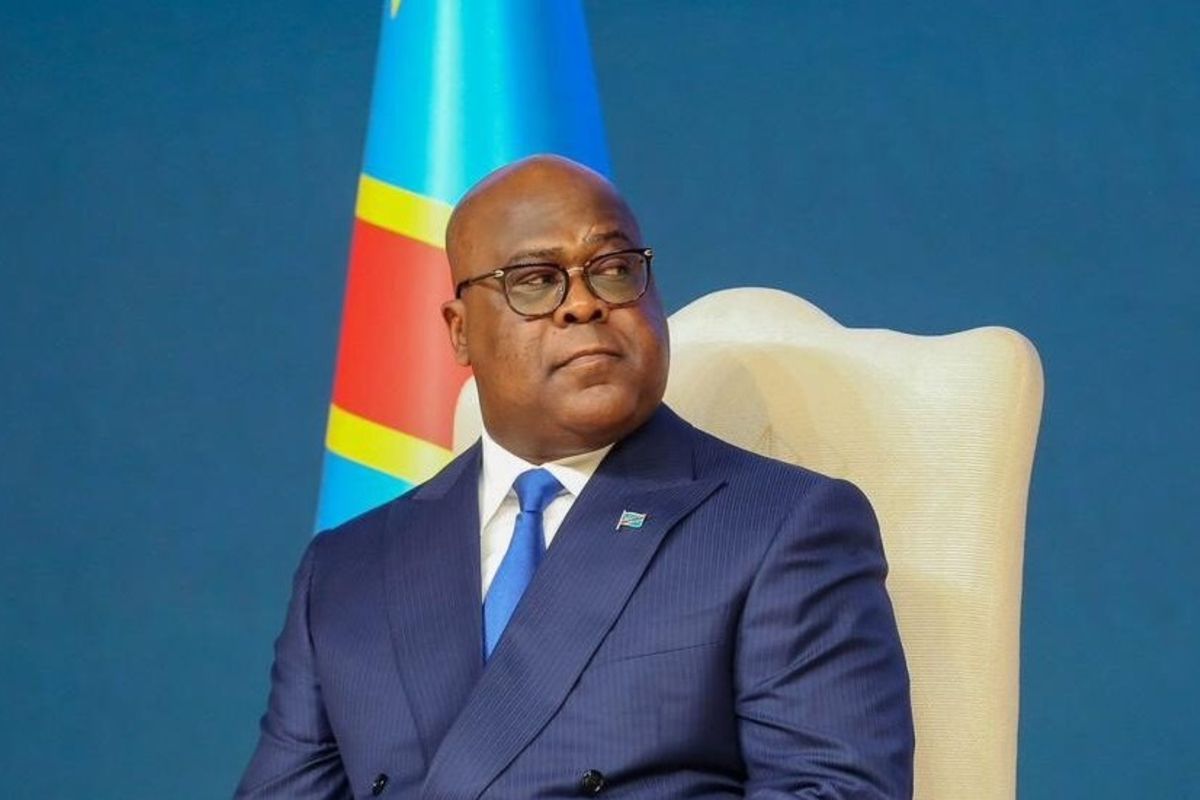
Violent clashes erupted between protesters and state security forces earlier this month in the Democratic Republic of the Congo’s capital, Kinshasa, over a bill that could create a pathway for a third term for President Felix Tshisekedi. At least one protester was reportedly killed and at least 38 others injured, according to the United Nations Human Rights Office.
A broad alliance of opposition parties, known as the Article 64 Coalition for the Defense of Constitutional Order (C64), organized the June 12 demonstrations and has planned further protests on July 8. It has denounced the bill, which Parliament ended up adopting last week, as an attempt by Tshisekedi to remain in power.
Currently, Congo’s constitution allows presidents to serve a maximum of two five-year terms. The bill, however, permits a constitutional overhaul through a national referendum if state institutions face “major dysfunction.” Any new constitution would also effectively reset Tshisekedi’s time in office, allowing him to serve a third term as if it were his first. The bill still awaits the president’s signature.