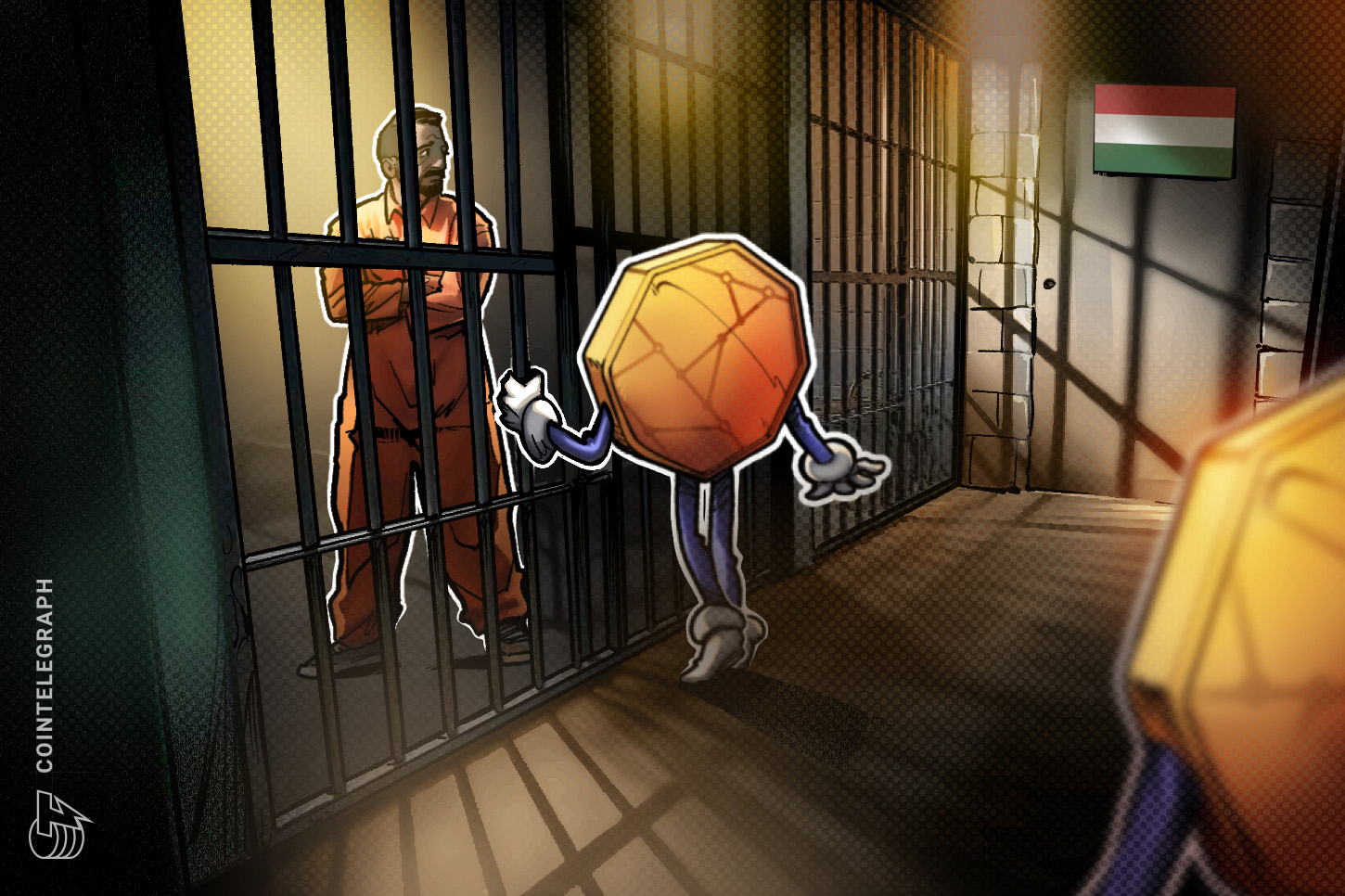
Six months ago, trading crypto in Hungary could land you in prison. Now the government is tearing up those same rules.
Hungary announced on June 11 that it will decriminalize digital asset trading, reversing one of Europe’s harshest crypto crackdowns. The move dismantles a regulatory framework that imposed prison sentences of up to eight years for service providers and up to five years for individual users caught conducting unauthorized crypto transactions.
The about-face didn’t happen out of the goodness of anyone’s heart. The European Union forced Hungary’s hand by launching infringement proceedings against the country, arguing that its homegrown crypto rules conflicted with MiCA, the EU’s Markets in Crypto-Assets regulation that serves as the bloc’s unified framework for digital assets.
What Hungary tried to do, and why it failed
Under former Prime Minister Viktor Orban, Hungary enacted sweeping crypto restrictions that took full effect on December 27, 2025. The rules built on the country’s 2024 Act VII, commonly known as the Crypto Act, by layering on unique national validation requirements and criminal penalties.