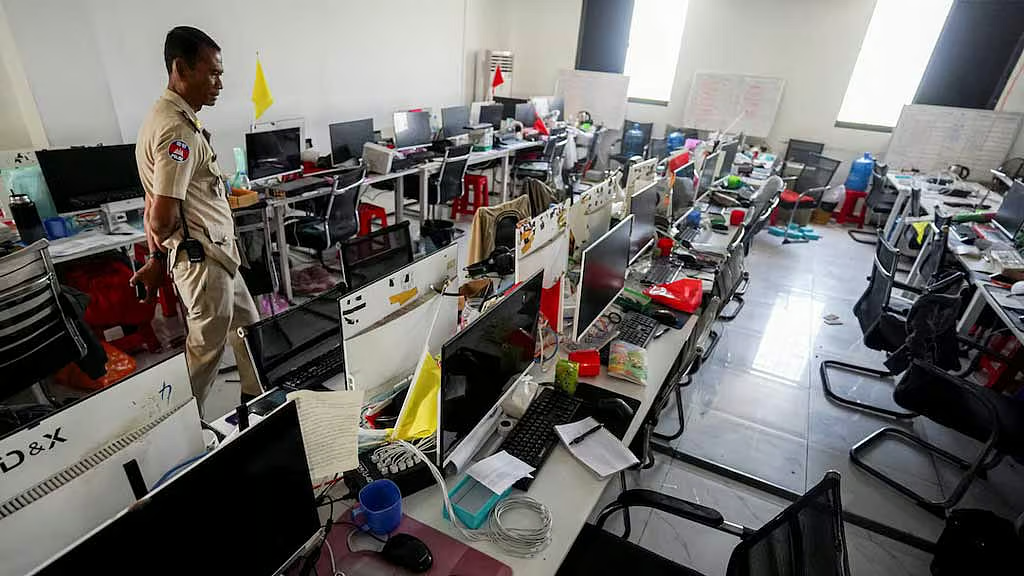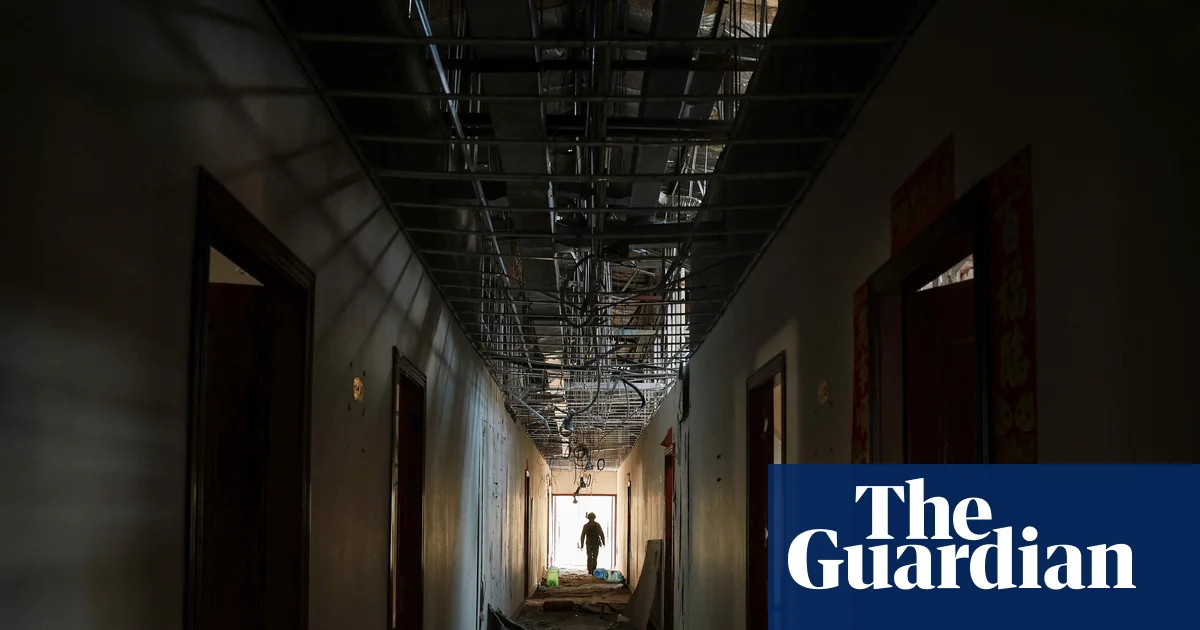
Forced labour in cybercrime might call to mind scam compounds in south-east Asia. A growing body of scholarship, journalism and policy attention has entrenched that stereotype. Images of fortified compounds, armed guards and confiscated passports are shaping how courts worldwide interpret cybercriminal participation.
But new research challenges that template. There are different kinds of coercion.
Physical coercion is visible: locked doors, armed guards, confiscated documents. Spiritual or psychological coercion is invisible: the fear of consequences no one can see, but many believe. One restrains the body. The other restrains the mind. The outcome is the same.
I have studied the sociocultural dimensions of cybercrime for over a decade, with particular expertise in online fraud, digital deception, cybercriminal networks, human trafficking and the experiences of fraud victims.
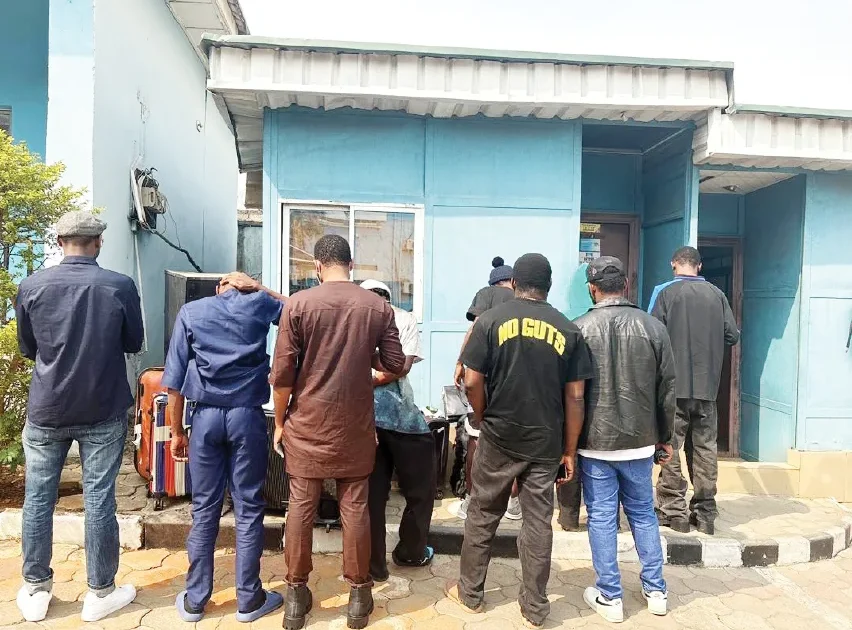
In my most recent work as a cybercrime researcher I looked at a cybercrime training academy in Nigeria, one of the underground schools that recruit and train young men in digital fraud. In a recent study on coercion I show how control, pressure and exploitation can operate within these illicit training spaces.