Read The Diplomat, Know The Asia-Pacific
What happens next will determine whether the island is a temporary refuge for foreign cybercriminals or becomes part of Asia’s cybercrime infrastructure.
Sri Lanka’s beach towns and apartment blocks are not the first places one associates with Southeast Asia’s cyberscam epidemic. But recent arrests of foreign cybercriminals suggest that scam networks, increasingly pushed out of Cambodia and other Southeast Asian hubs, are now testing Sri Lanka as a new base.
This, however, does not mean Sri Lanka has replaced Cambodia as the region’s main haven for cybercriminals. Cambodia’s scam economy grew over several years, drawing strength from casinos, real estate, tycoon networks, weak enforcement, and political protection. Sri Lanka is not there yet, but recent detections show that thousands of foreign cybercriminals have arrived at this Indian Ocean island.
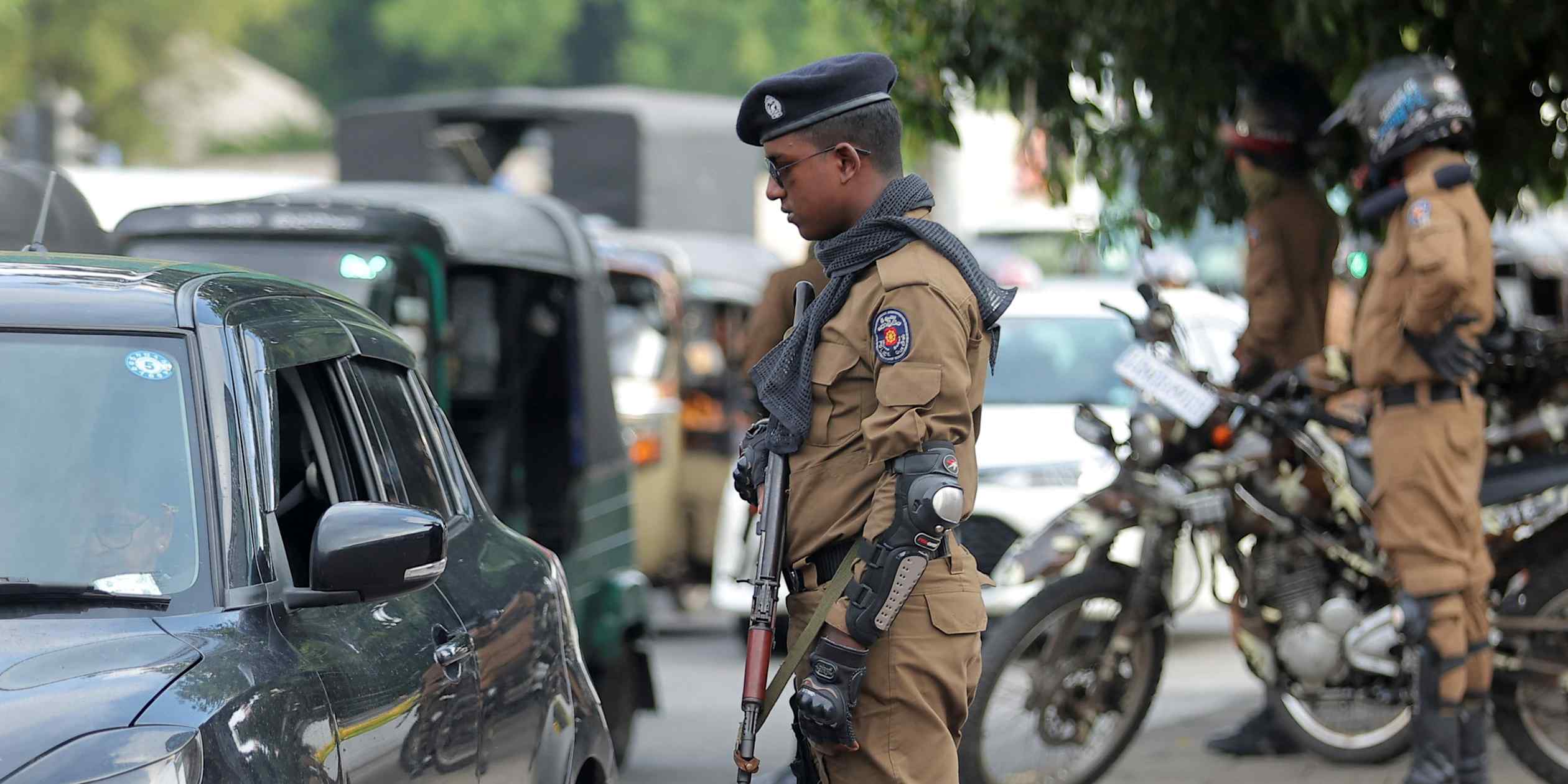
Sri Lankan authorities have arrested more than 1,000 people this year in connection with suspected cyberscam operations, many of them foreign nationals. Some raids have taken place in coastal areas popular with tourists, while others have taken place in apartment buildings and properties near Colombo. In one April raid on the west coast of the island, police found more than 150 foreign nationals allegedly running a cyberscam operation. Days later, another raid near Colombo led to the arrest of about 120 foreign nationals. In May, 221 foreigners were arrested in the Southern Province.