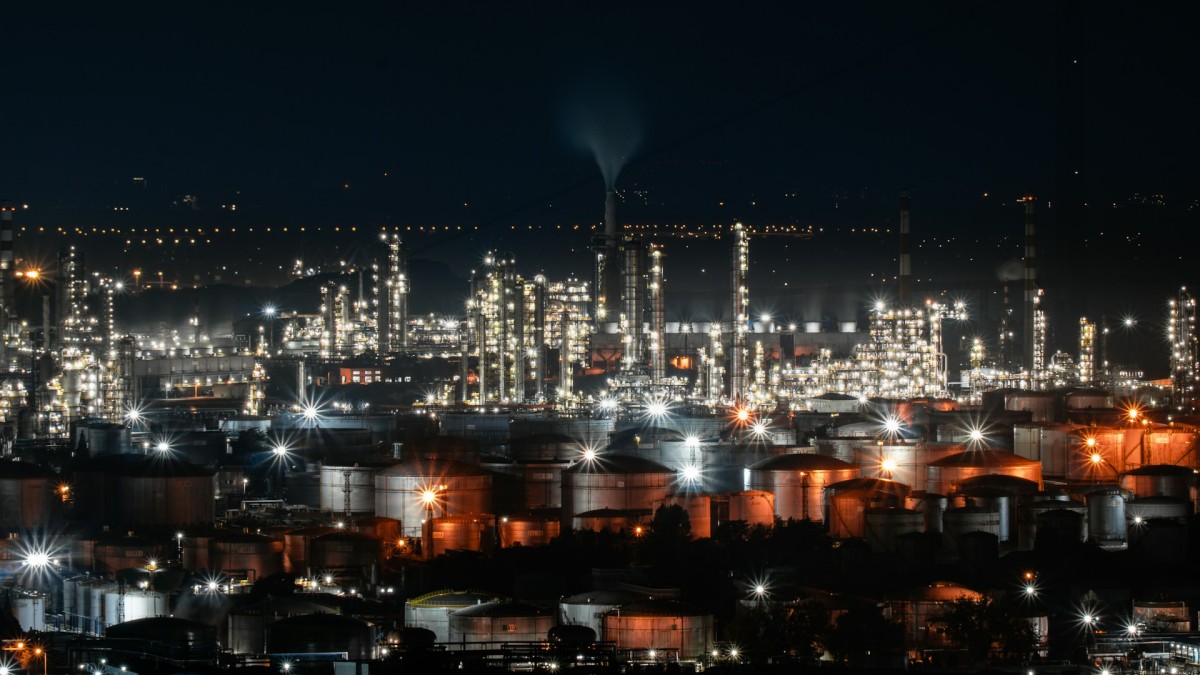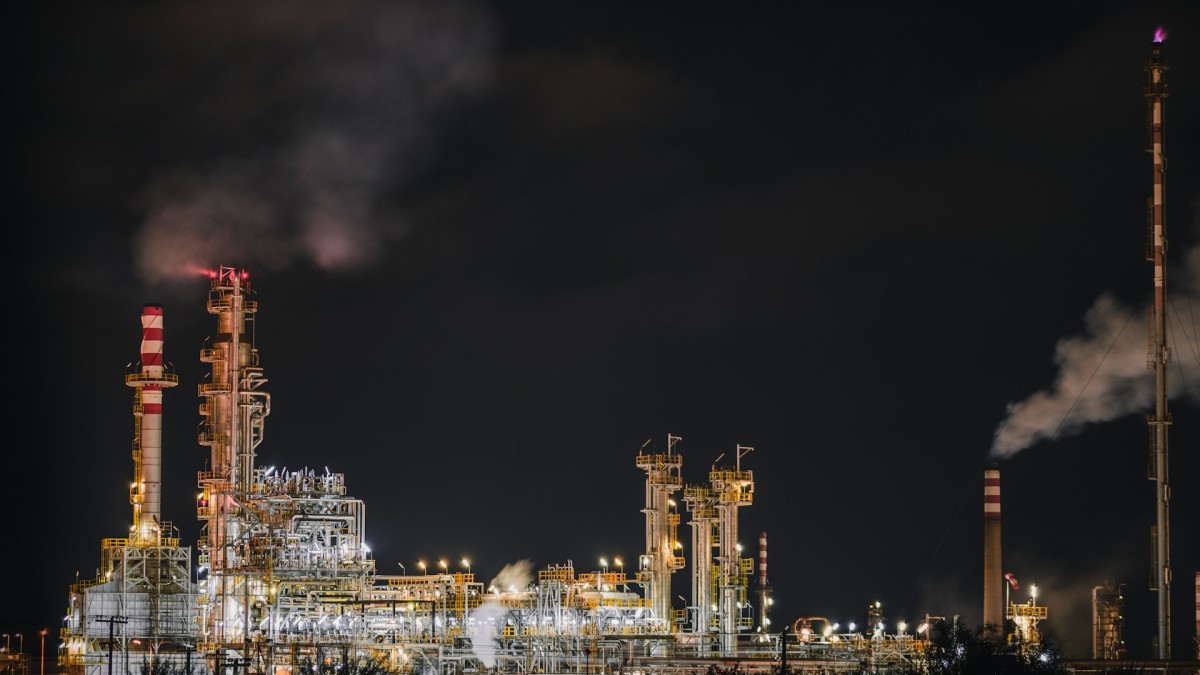
Hengli Petrochemical, a major Chinese independent refinery with a capacity of 400,000 barrels per day, is actively shopping for crude oil from West Africa and non-Iranian Middle Eastern producers. The reason: the US Treasury’s Office of Foreign Assets Control slapped the company with sanctions on April 24 for allegedly purchasing Iranian oil since at least 2023.
The company has already secured at least 2 million barrels of West African crude, with deliveries scheduled for late June or July, according to trade sources cited by Reuters. That’s a notable pivot for a refiner that had become one of Iran’s largest crude customers.
The sanctions fallout
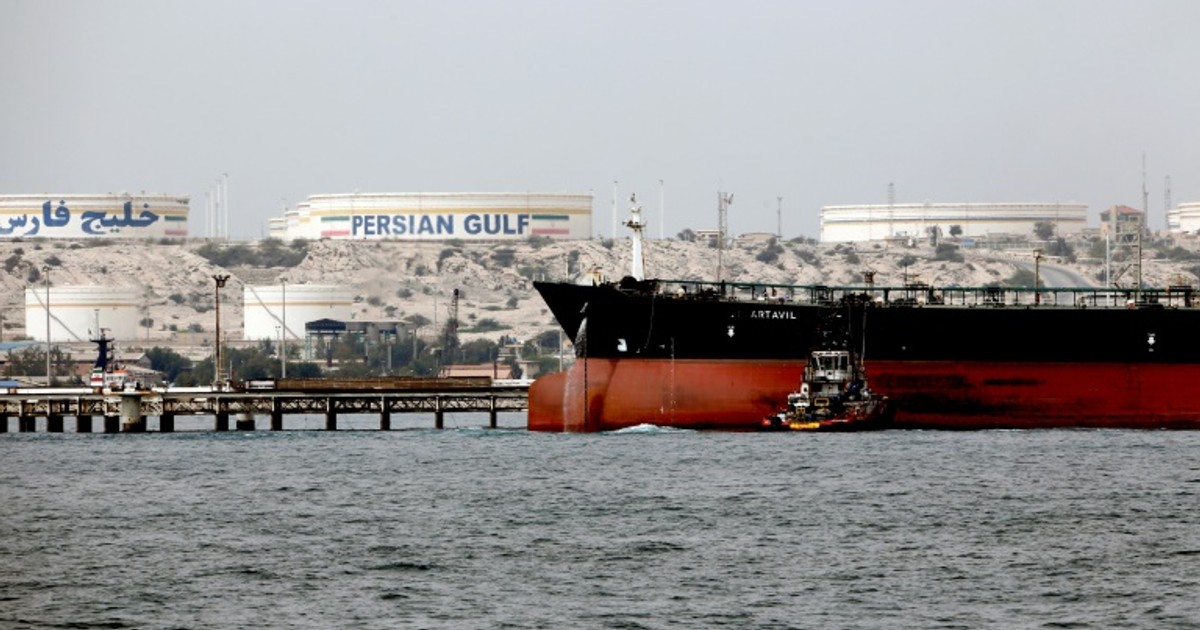
OFAC’s action didn’t just target Hengli itself. Roughly 40 shipping firms and vessels believed to be involved in transporting Iranian oil were also caught in the dragnet. These vessels were allegedly part of Iran’s so-called “shadow fleet,” an informal network of tankers used to circumvent existing sanctions on Tehran’s petroleum exports.
The allegations are significant in scale. Hengli is accused of purchasing over 5 million barrels of Iranian crude, with shipments conducted through this shadow logistics network. The company denies the charges, stating that all its suppliers guaranteed non-sanctioned oil sources.