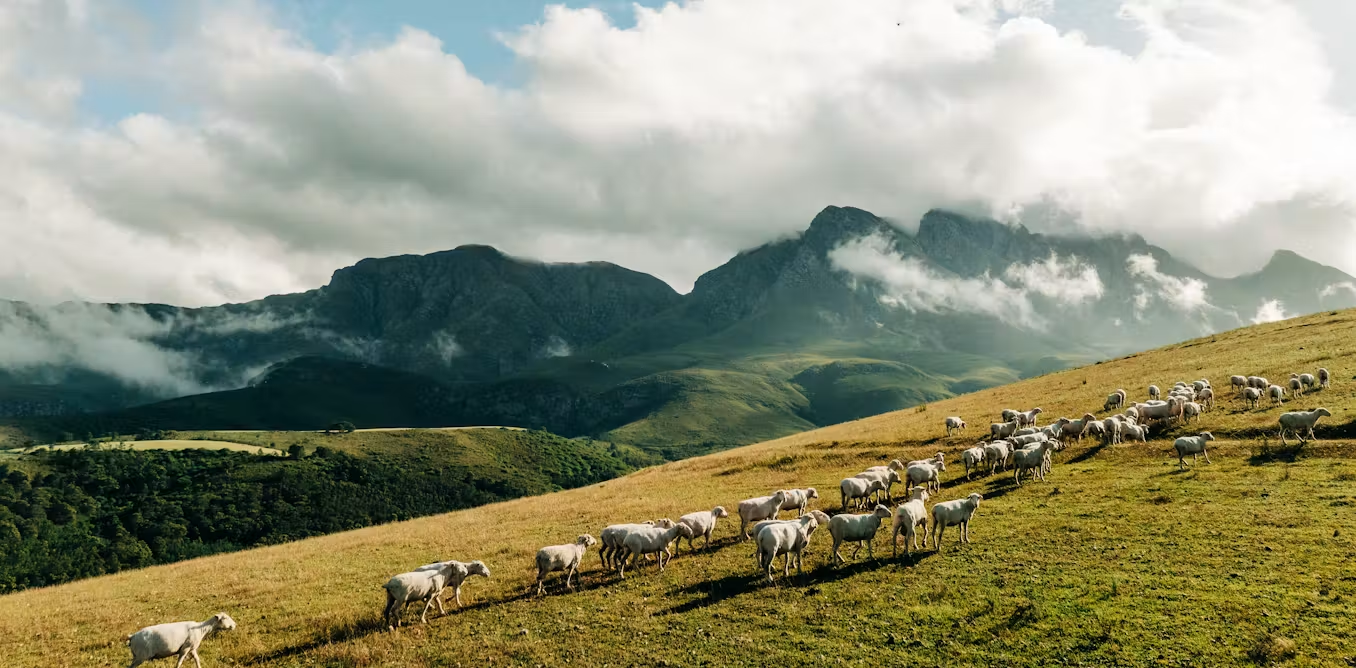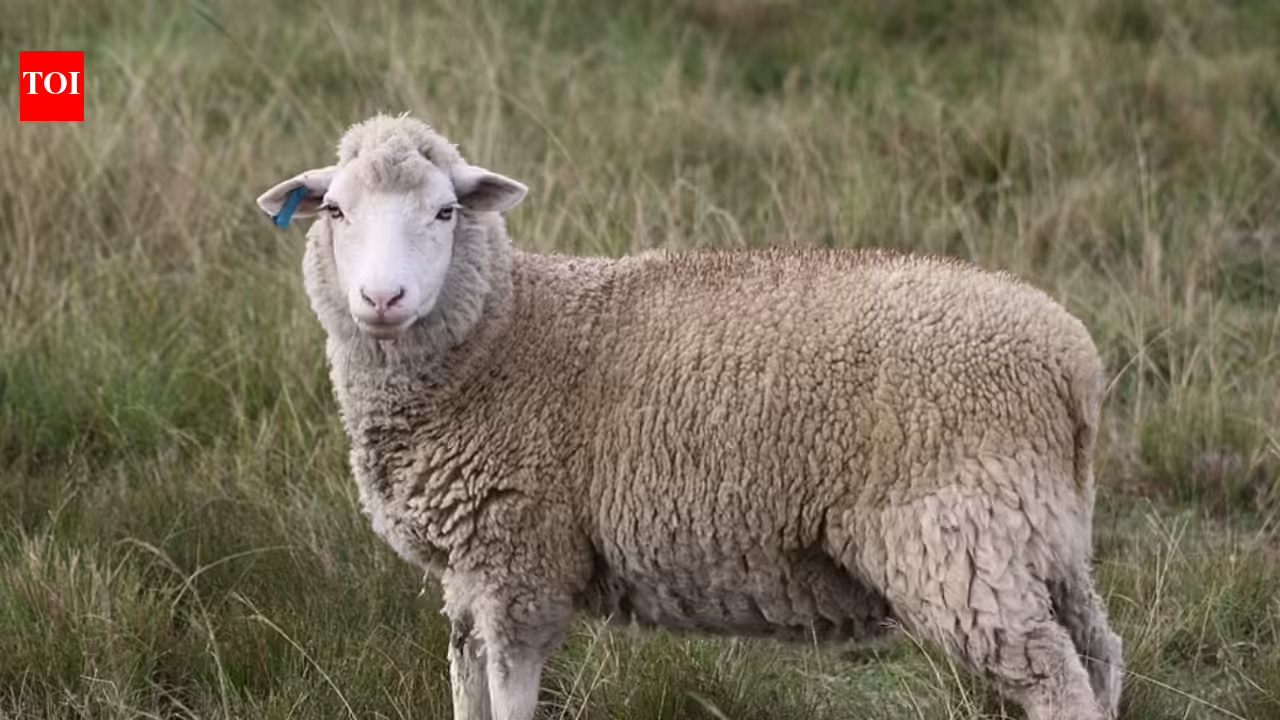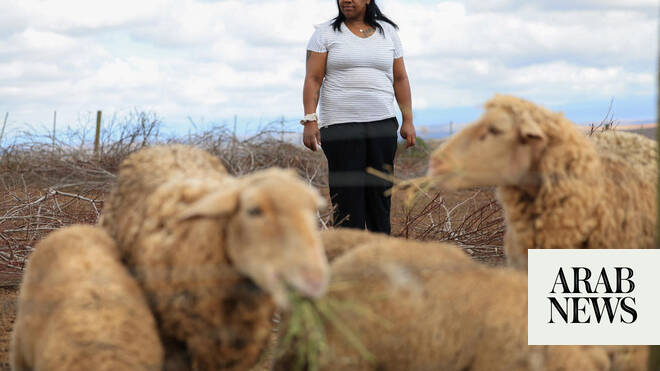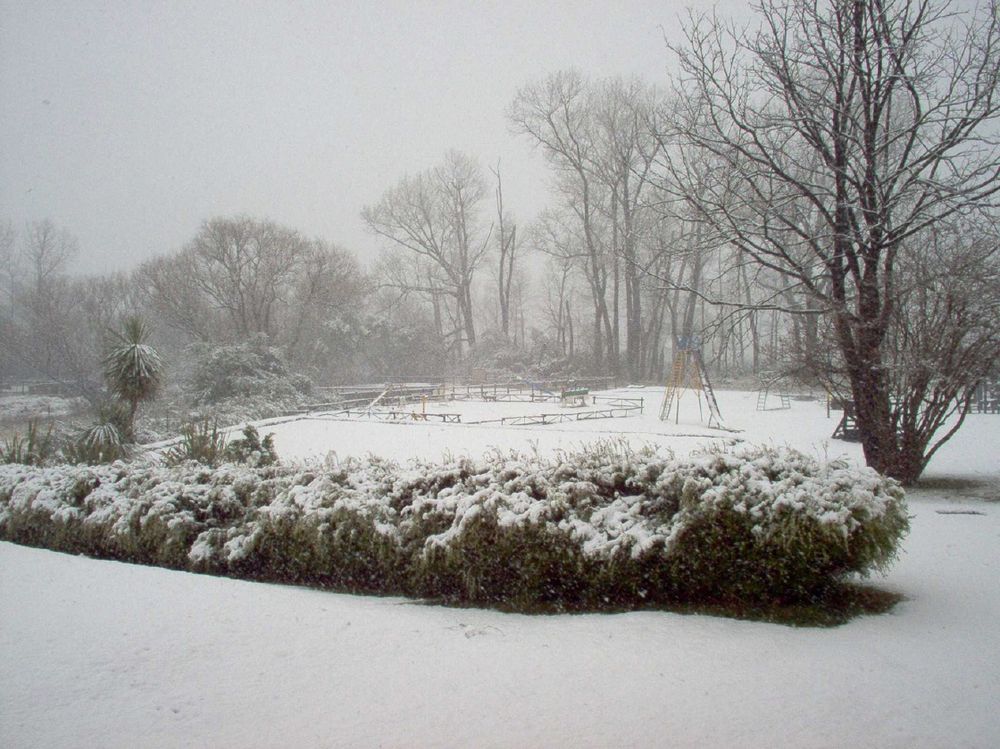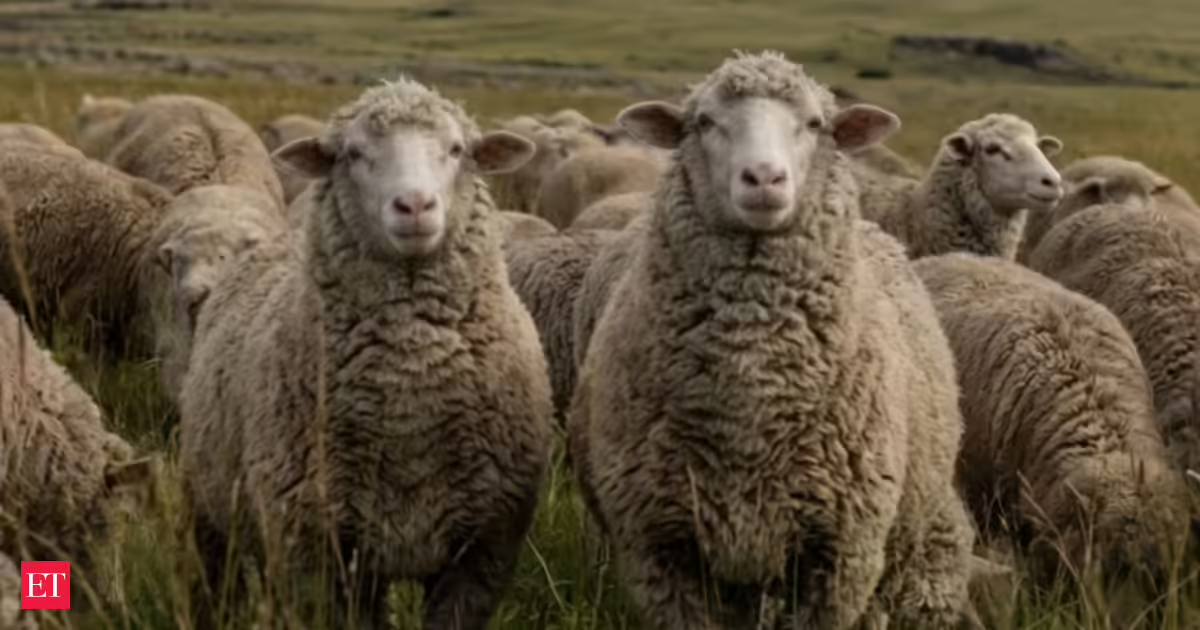
Tucked into the steep, frost-bitten slopes of South Africa's Drakensberg mountains, families in the Eastern Cape have kept sheep for generations, not on sprawling commercial ranches, but in small communal villages, where a household might own 10 to 50 animals. For them, the sheep are everything: food, income, cultural identity, and savings all rolled into one.Every morning the farmers lead their flocks out to shared grasslands. Every evening, the animals are driven into simple enclosures known as kraals near the family home. It's a system built on trust, tradition and, most importantly, rainfall. But the rain has been unpredictable. The grass is getting sparse. And the sheep are dying.A 2026 study published in Frontiers in Climate surveyed 89 smallholder sheep farmers in three communal villages in the Drakensberg Grasslands, all of whom stated drought and heatwaves were the most pressing climate threats they faced. Frost, floods, veld fires, and storms were also reported regularly, and, critically, these hazards do not often occur one at a time.The slow emergency nobody is talking aboutClimate change doesn't always manifest as a hurricane. Sometimes it looks like a field of cracked earth where green pasture once was. And that is what is happening to these farmers.The grasslands are being stripped bare by prolonged droughts. Sheep lose weight and grow sickly when there is no grass. Weak animals cannot reproduce and do not survive a cold spell. One farmer in the study put it bluntly, ‘the drought comes, the grass goes, the sheep get very weak’. Some die before the rains return.But that’s not everything. Outbreaks of disease have also been on the rise due to unpredictable rainfall. Sudden weather changes are leading to increases in parasites, foot rot and respiratory infections. Lamb deaths are rising. Many animals are housed in open roofless enclosures with no protection from storms, frost or extreme heat. And it is the lambs who suffer the most in cold winters.The Drakensberg grasslands, where communal sheep farming has sustained families for generations. Image Credits: Wikimedia CommonsA systematic review published in Heliyon that examined 261 studies on the impacts of climate change on smallholder farmers across South Africa found that the impacts go far beyond a single bad season: livestock loss, reduced crop yields, all snowballing to overwhelm households that already have virtually no financial cushion.These farmers are not waiting to be rescued; they are already adaptingHere’s the thing most climate coverage misses: the people closest to the problem are rarely passive. They watch, they learn, and they adjust in ways that science is only beginning to document.In the Drakensberg villages, farmers have been moving their flocks between grazing areas to give exhausted pastures a chance to recover. Some land is purposely left fallow so that the vegetation can recover after a drought. Farmers have to feed sheep maize stalks and leftover crop waste during dry spells to survive the lean months. In some communities, farmers are now crossbreeding indigenous sheep, already adapted to harsh conditions, with hardier breeds to improve survival chances. Some village youth groups have even taken up rehabilitation of gullies, restoring eroded land by hand to bring back grazing areas.Perhaps the most remarkable adaptation is the one you won’t hear about in any tech startup pitch: reading the land itself. Farmers look for restless cattle, low-flying birds, shifting winds, and cloud build-up in the west to predict incoming weather. This is not guesswork. It's generations of environmental knowledge being applied in real time.Research on indigenous knowledge and climate adaptation in Africa, published in the Journal of Environmental Management, shows that this kind of local environmental literacy is a genuinely valuable resource that formal climate policy has consistently underestimated and underused.Why some villages are doing better than othersThe Frontiers in Climate study looked at the three villages and found something remarkable. Madlangala was much more resilient, with active farmer associations and strong networks amongst the community. They shared resources, planned grazing and helped one another through tough times.Lamb mortality and disease prevalence have climbed as open, roofless kraals leave animals exposed to extreme cold, storms, and heat. Image Credits: Google GeminiBy contrast, Tothaneng had the weakest social networks and the least access to agricultural extension services. Researchers rated it 4.4 out of 5 on the vulnerability index, with the worst-off of the three communities classified as “very high vulnerability.” Same climate, same mountains, very different result.This pattern can be observed repeatedly, such as in a 2026 systematic review in the International Journal of Agricultural Sustainability, examining the effect of climate change on livestock systems in Sub-Saharan Africa. Resource constraints, weak institutional support and limited access to information often determine whether smallholder farming communities are able to absorb climate shocks or succumb to them.What needs to changeThe Drakensberg farmers are resourceful. But resilience can only stretch so far when there are no early warning systems, no veterinary services, no weather-proof shelters on the highland grazing grounds and no reliable access to water in the dry months. Researchers are calling on government agencies, development organizations and agricultural extension services to fill these gaps with real infrastructure: water troughs along grazing paths, shelters at altitude, mobile veterinary support.There is also a sense of urgency around young people. Researchers say these communities are at a generational cliff without stronger incentives to keep young people in agriculture. The knowledge, the land management skills, the livestock networks, they are lost if the next generation walks away from it.And context is key for American readers. The US funds international development initiatives that support these very communities, buys agricultural commodities from climate-stressed areas, and has its own version of this story in drought-prone agricultural states. What is unfolding in the mountains of the Eastern Cape is not a footnote, but a preview.
South Africa's Drakensberg grasslands still look the same, but farmers say droughts, heatwaves, and disease are quietly changing what the land can support
Explore the profound impact of climate change on smallholder farmers in South Africa's Drakensberg grasslands, where unpredictable rainfall is leading to declining sheep populations and rising adaptation efforts.
955 words~4 min read