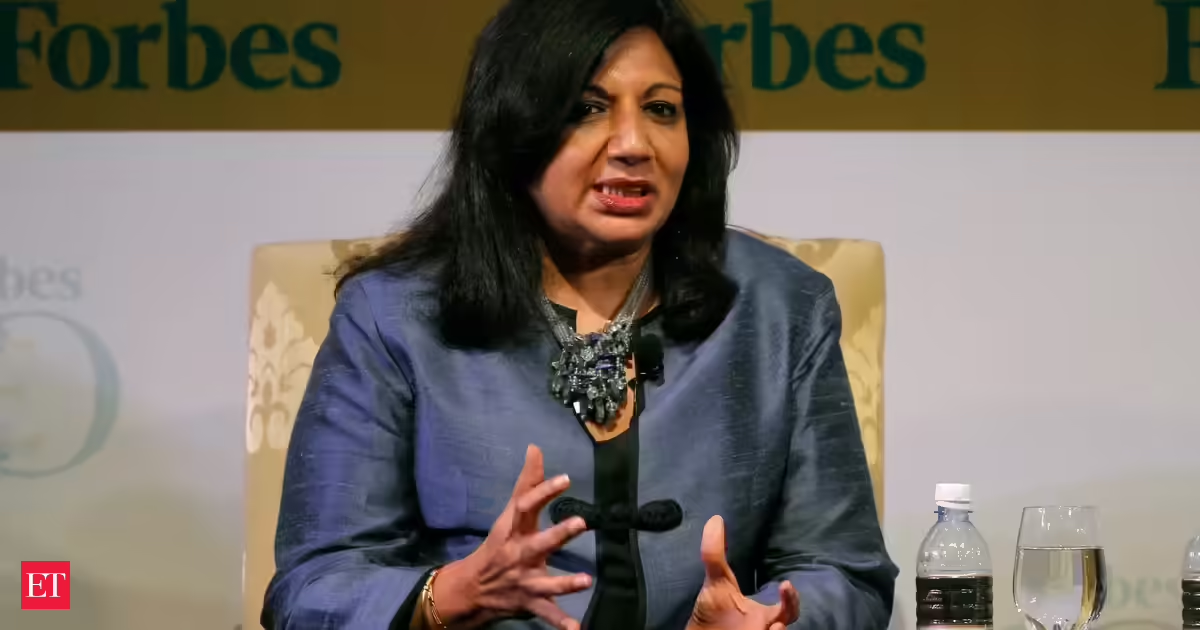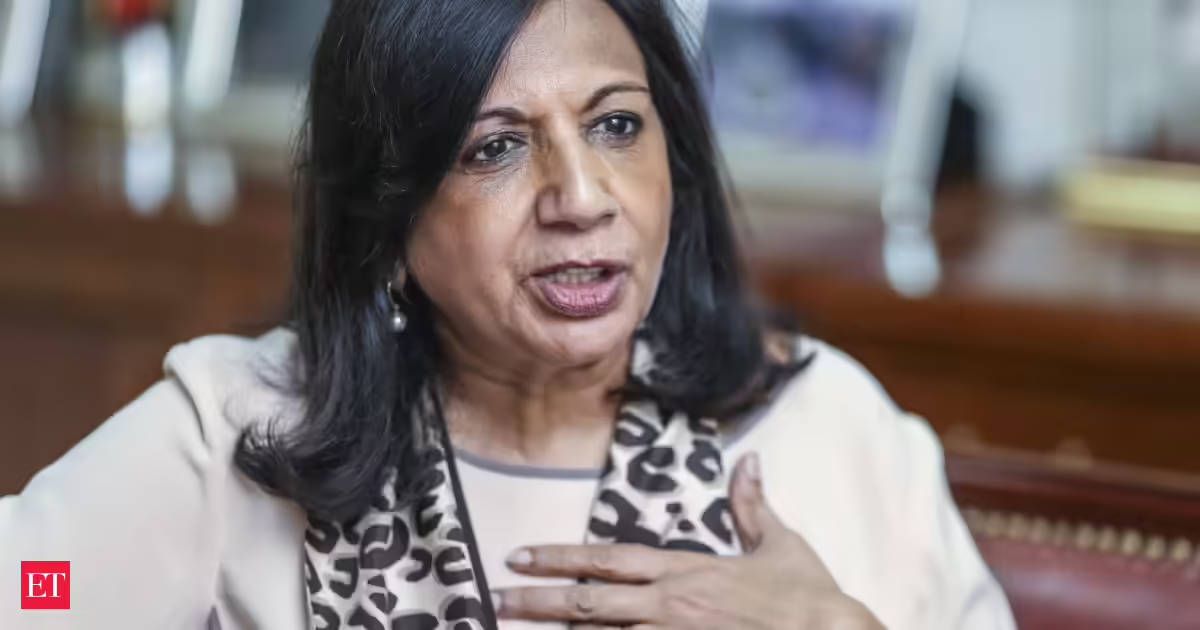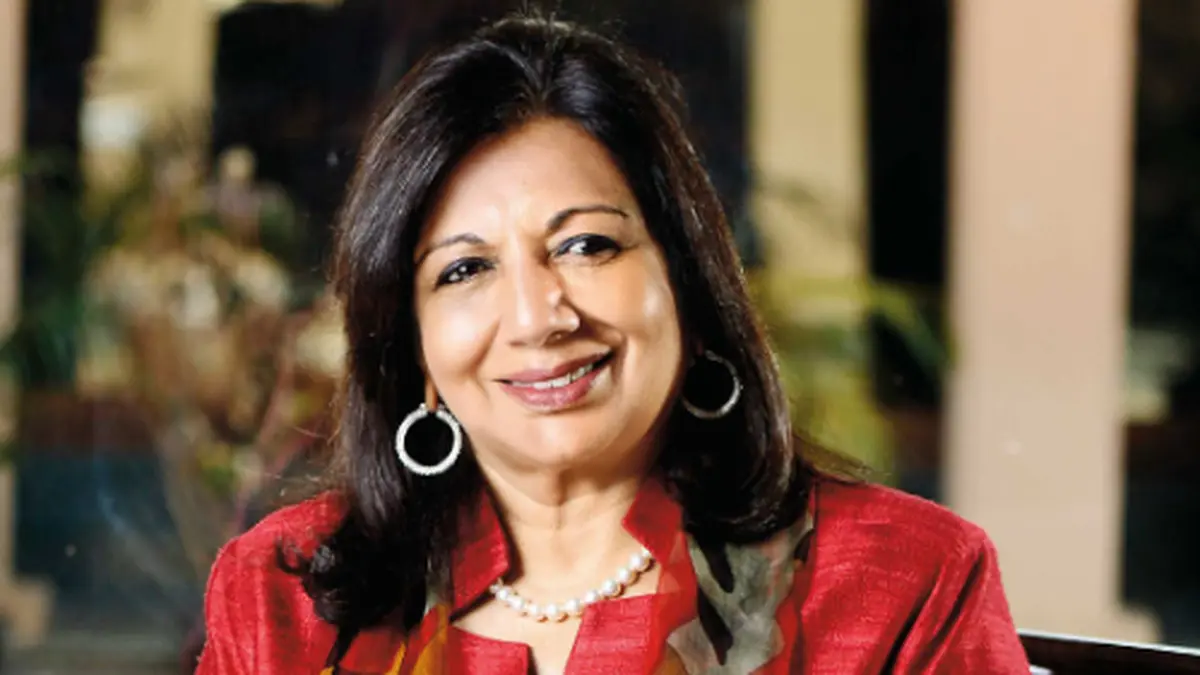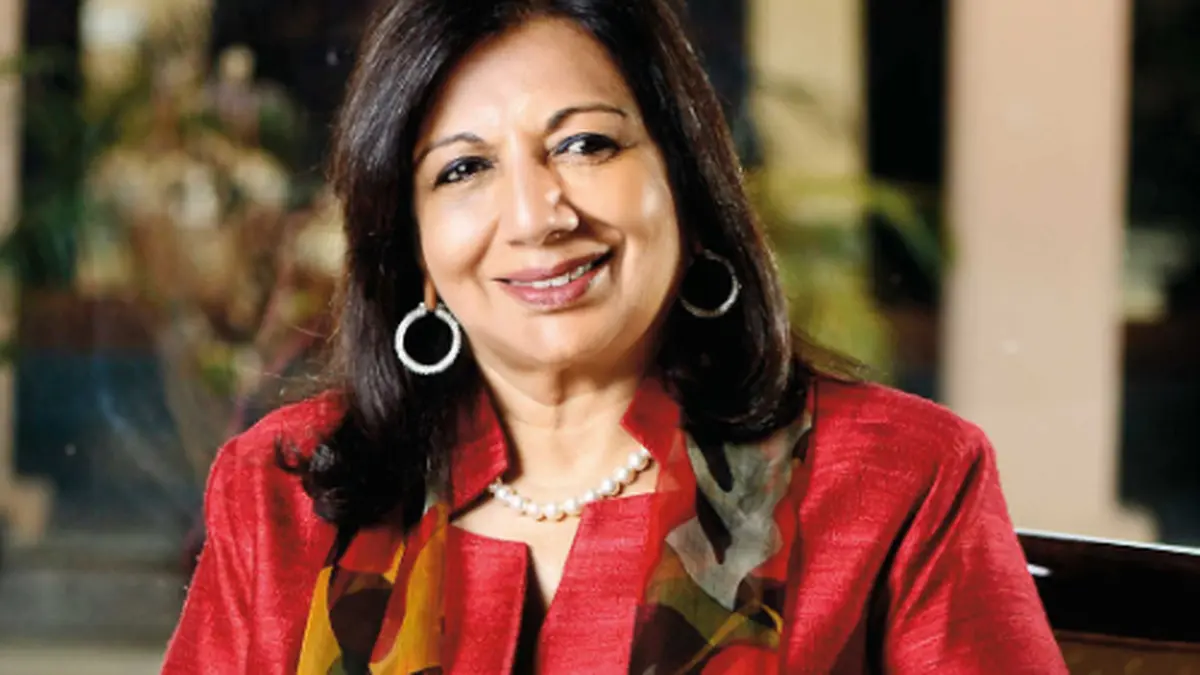
Kiran Mazumdar-Shaw, Executive Chairperson of Biocon Ltd., started the company in a Bengaluru garage in 1978 with ₹10,000, an idea few understood and a banking system that viewed her as a high-risk borrower. Nearly five decades later, Biocon has grown into a global biopharmaceutical company with total income of ₹17,270 crore in FY26. Yet, Mazumdar-Shaw believes building the next Biocon could be even harder.Speaking at the launch of the Rupa Rahul Bajaj Scholarship for Women in Engineering, the Biocon founder argued that India’s biggest challenge in biotechnology is no longer talent or scientific capability but access to patient capital.“We don’t lack the talent. We don’t lack the scientific capabilities. But we do lack the investment,” Mazumdar-Shaw said.She warned that India risks losing ground in the global biotechnology race despite its scientific strengths.“When I started in the first decade of this century, we were way ahead of China. Today, China has almost overtaken the US when it comes to biotechnology.”The problem, she argued, lies in the country’s funding architecture.“Our capital markets don’t allow pre-revenue companies to list, whereas many other stock exchanges allow it,” she said.The Capital GapMazumdar-Shaw’s argument is that India has built the front end of the innovation pipeline — research institutions, scientific talent and start-ups — but not the financial architecture needed to help those ideas scale into globally competitive companies.According to her, the absence of a public-market pathway for pre-revenue science companies breaks the funding chain. Venture capital investors need a credible exit route, making them reluctant to back long-gestation innovation businesses that lack a pathway to public markets.“Venture capitalists are not going to invest in these companies because they need an exit,” she said.The result is a gap between research and commercialisation. While India is producing scientific talent and promising technologies, many companies struggle to attract the long-duration capital needed to scale.“You need to create a virtuous cycle. Unless you do that and complete the circle, we will not be able to get anywhere close to China.”For Mazumdar-Shaw, the issue is not simply about increasing research spending. Technology leadership requires more than research labs and scientific talent. It also demands capital, institutions and an ecosystem capable of translating innovation into commercial scale.The ECIL LessonThe challenge, she argued, extends beyond biotechnology. Mazumdar-Shaw pointed to Electronics Corporation of India Ltd. (ECIL), which existed decades before Taiwan Semiconductor Manufacturing Co. (TSMC), yet failed to create a globally competitive ecosystem around it.“We never thought about building a global-scale opportunity that could have global competitiveness,” she said.
Biocon founder Kiran Mazumdar-Shaw says India needs patient capital for Biotech
Kiran Mazumdar-Shaw emphasizes the need for patient capital in India to harness biotech talent and drive global competitiveness.
650 words~3 min read