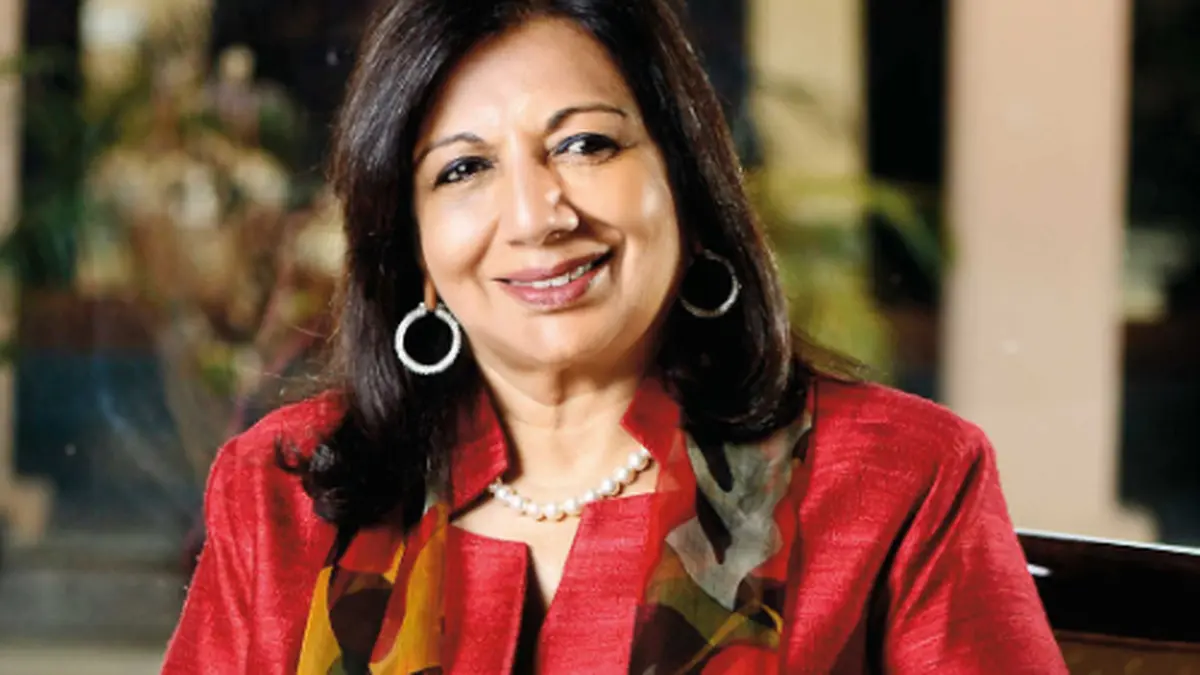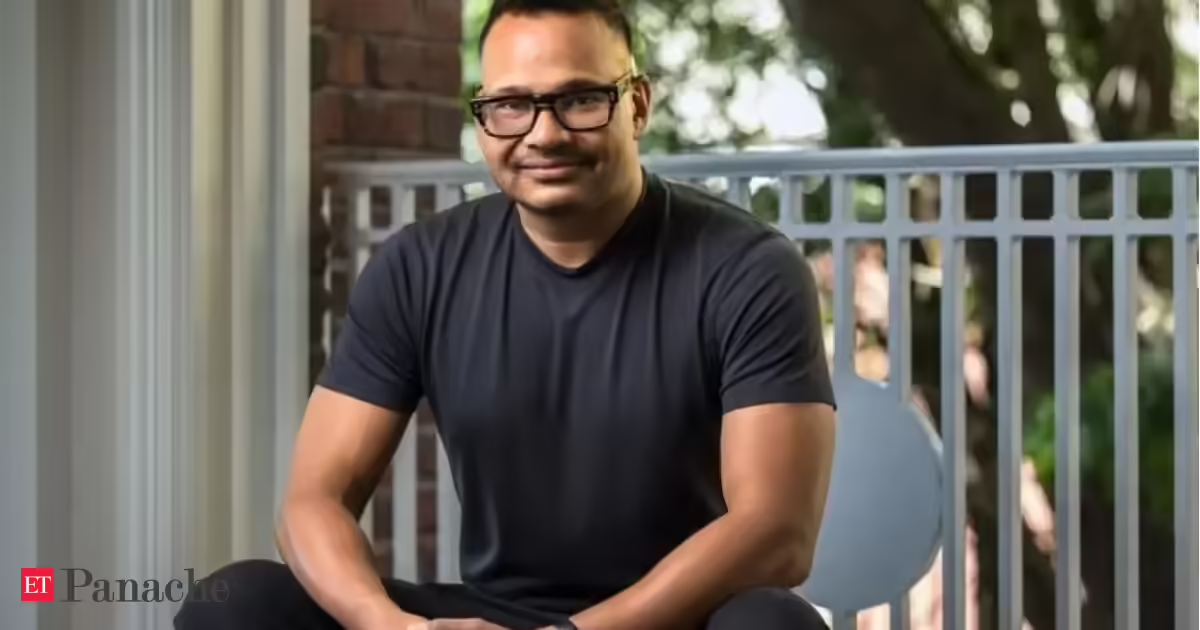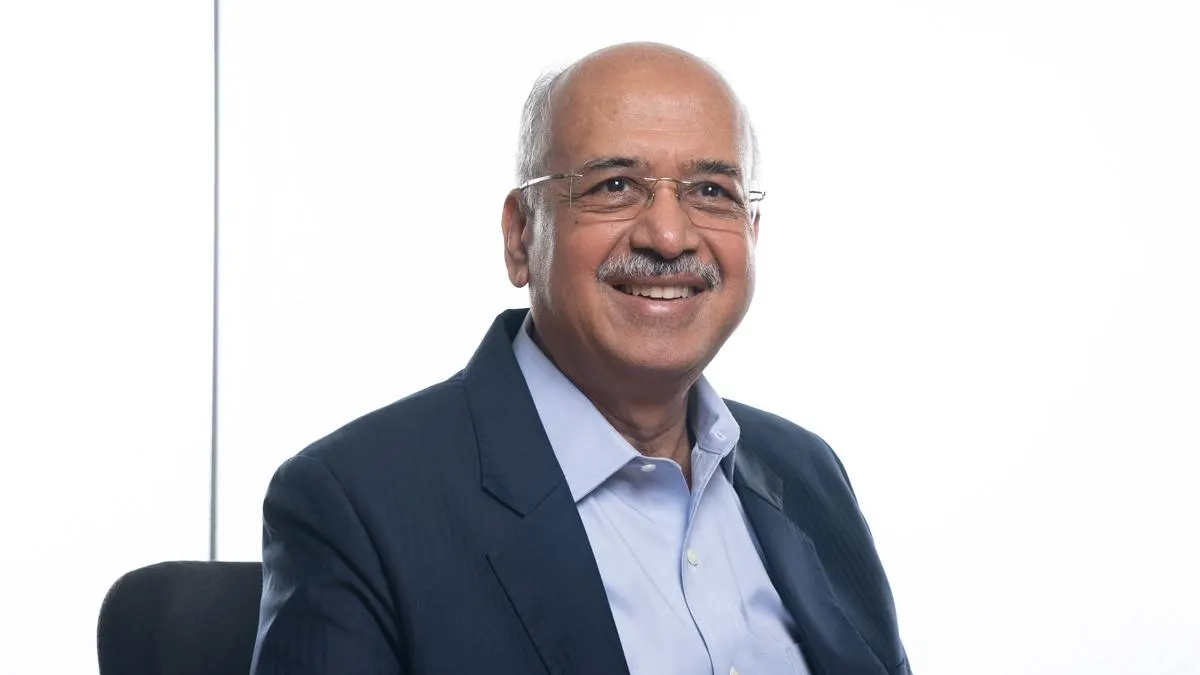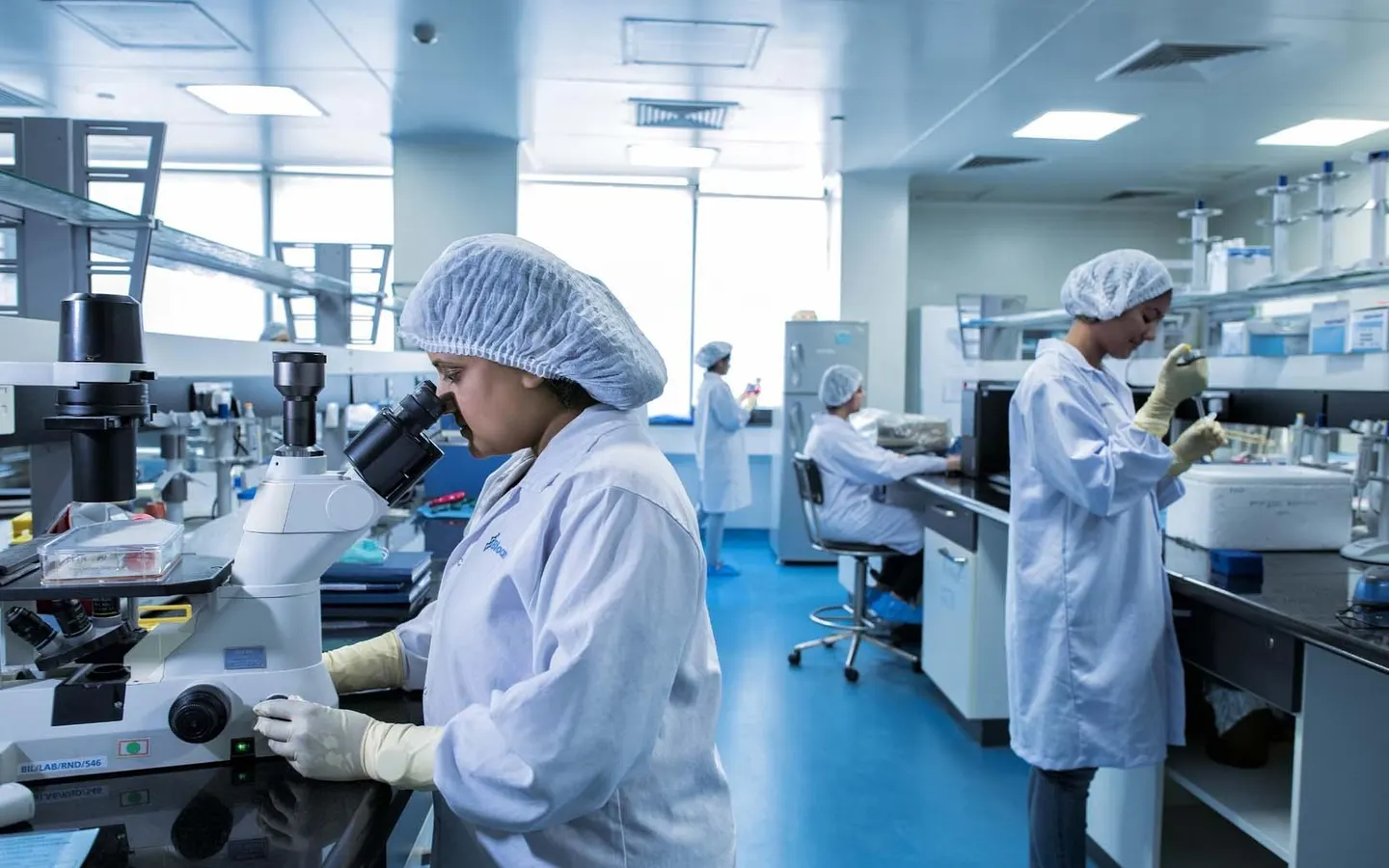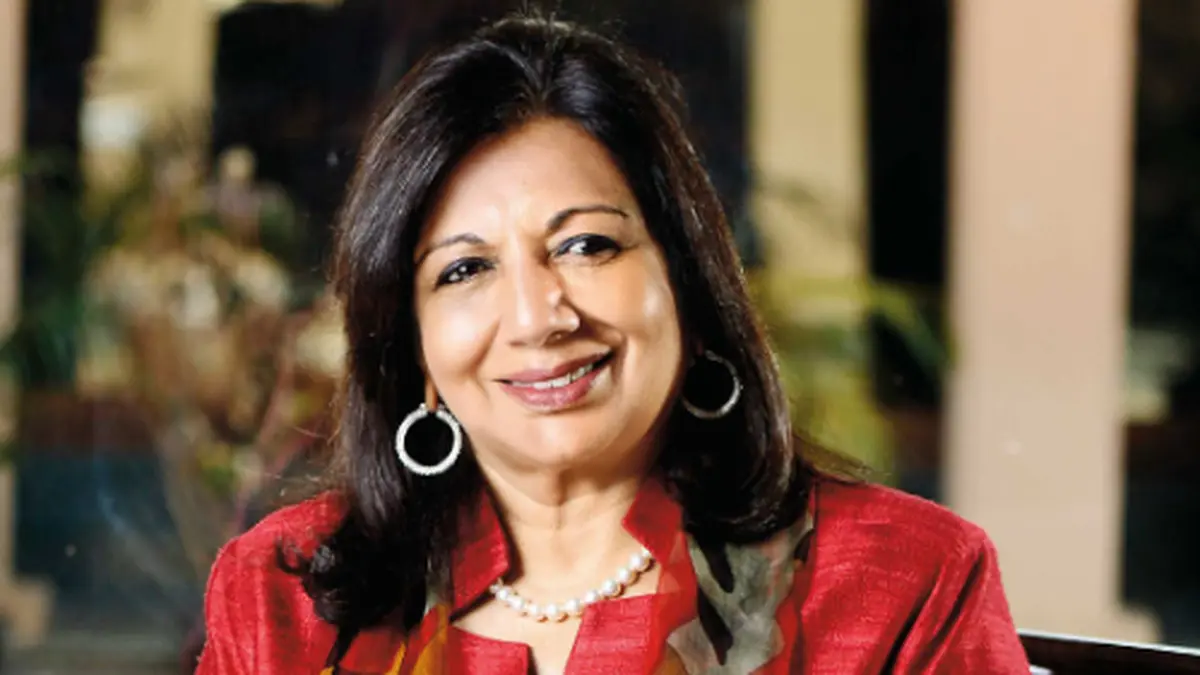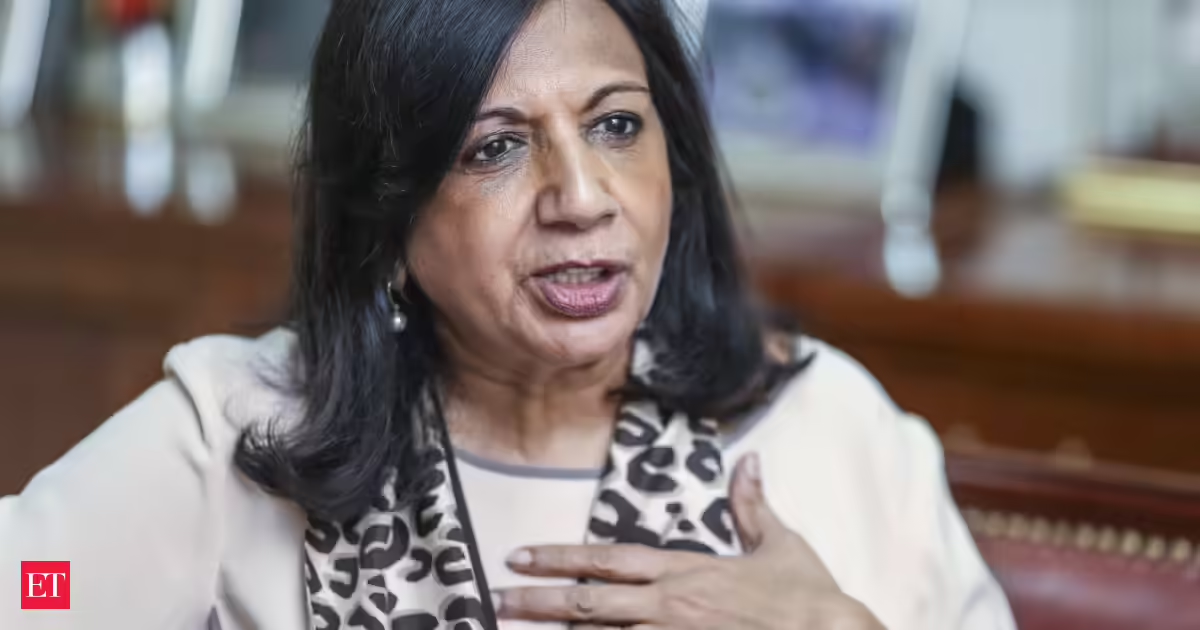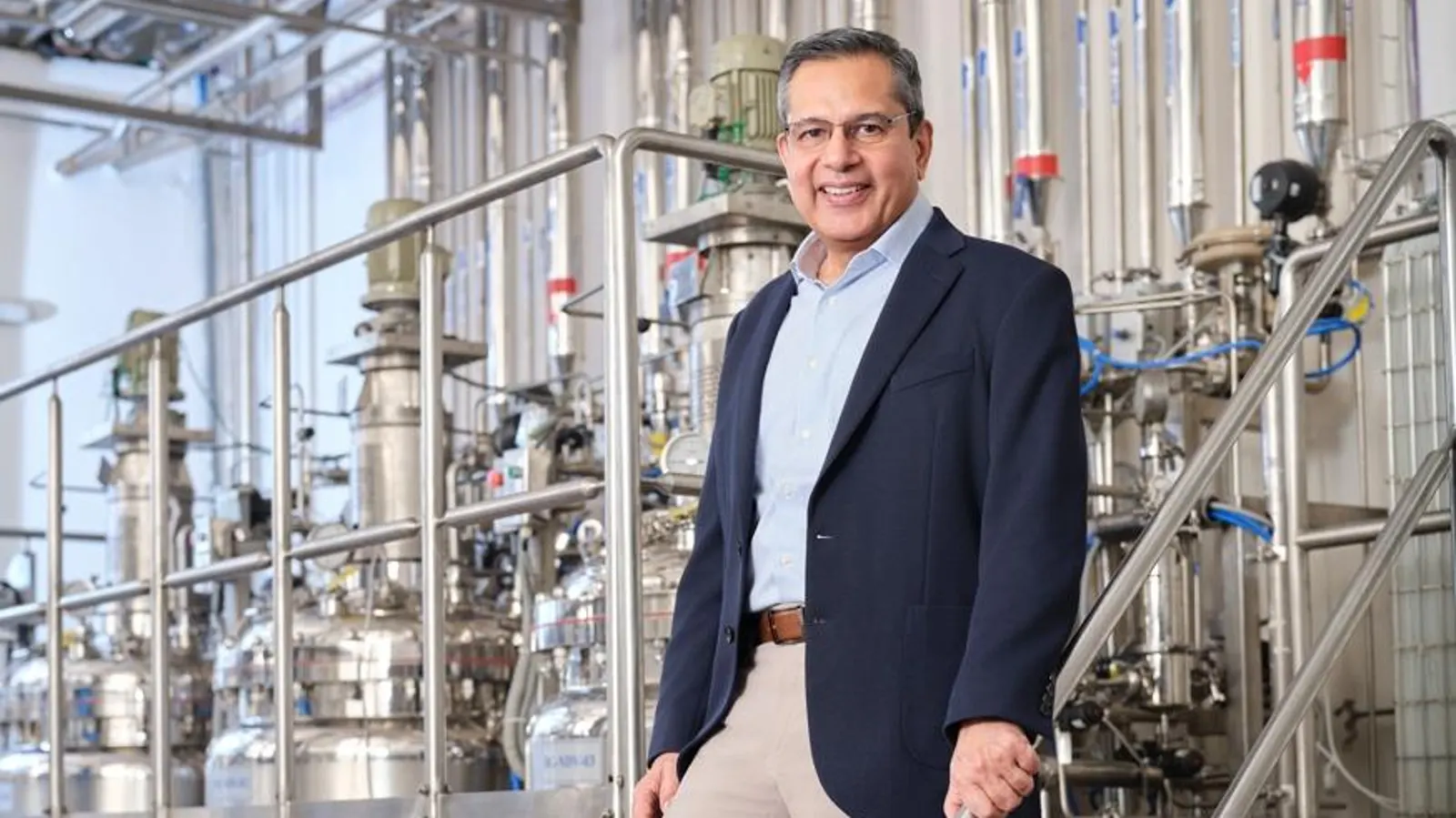
Over a two-decade career at biopharma firm Biocon in Bangalore, Ajay Bhardwaj had climbed the ranks to become a key member of the senior management team, overseeing marketing. His boss was the company’s founder and chairman, Kiran Mazumdar-Shaw, a pioneer in Indian biotech and the country’s first self-made woman billionaire. But when the promotion he was seeking didn’t come through, he quit. At age 46 and with two children to put through university, Bhardwaj rolled the dice. In 2006, he ploughed all his savings into setting up Anthem Biosciences, a provider of outsourcing services to pharma companies, or what in industry speak is called a contract research, development and manufacturing organisation (CRDMO). Anthem’s services cover all stages of drug development, including research, testing, preparatory work for clinical trials and the manufacture of pharmaceutical ingredients.“It’s like these James Bond movies where there’s one last bet, and he takes all his coins and goes all in. That’s what Anthem was to me,” says Bhardwaj in a March interview at company headquarters in an industrial hub near Bangalore’s outskirts. “It was a huge gamble.” But a timely one. Confronted by spiraling costs and the declining success rate of bringing a new drug to market, pharma companies had turned to outsourcing as a cost-effective way to speed up the process. According to an Anthem-commissioned 2024 report from U.S.-based research firm Frost & Sullivan, only one in 10,000 to 15,000 compounds under preclinical trials gets U.S. Food & Drug Administration approval, and the time taken to develop a new drug has more than doubled to over 13 years since the 1970s. For American pharma companies, outsourcing R&D and manufacturing to Indian firms can save nearly 75% and 55% of costs, respectively.Anthem Biosciences listed on the Indian bourses in July 2025.Courtesy of Anthem BiosciencesWhile Bhardwaj had some measure of the sector’s potential through Biocon’s contract research subsidiary, Syngene International, getting two former colleagues on board as cofounders—Ganesh Sambasivam from Syngene as chief scientific officer and K. Ravindra Chandrappa from Biocon to oversee manufacturing—put the new venture on a firm footing. Twenty years on, Bhardwaj’s 400 million rupee (the equivalent of $9 million then) wager, funded by selling his 1% stake in Biocon and securing a bank loan, has paid off several times over. Today, Anthem is one of India’s most valuable listed companies in its sector with a recent market cap of $4.5 billion, more than twice that of Syngene’s $1.9 billion. Though its annual revenue of 21.2 billion rupees for the year to March 31 has still to catch up with its older rival’s 37 billion rupees for the same period, it has been climbing fast, notching up a compound annual growth rate (CAGR) of 22% over the past six years.“We cannot beat China with scale. We can only beat China with innovation.”
Helping Drug Firms Save Time And Money Turned This Indian Entrepreneur Into A Billionaire
After being passed over for a promotion, Ajay Bhardwaj quit to start his own pharma services firm, Anthem Biosciences. Now he’s gunning for China’s dominant market share.
2,653 words~12 min read