The European Central Bank is set to raise its deposit facility rate by 25 basis points on June 11, pushing it from 2.00% to 2.25%. The move comes as surging energy prices and sticky inflation force the ECB’s hand, but it also risks choking off an already anemic recovery across the euro zone.
What’s driving the decision
The proximate cause is inflation. Euro zone inflation accelerated in May 2026, driven largely by energy prices tied to ongoing geopolitical tensions in the Middle East, particularly involving Iran. Both headline and core inflation moved higher, giving the ECB’s hawks the ammunition they needed to push for tighter policy.
The ECB held rates steady at its April 30 meeting, citing what it described as intensified inflation and growth risks. Now, with another month of inflation data confirming the upward trend, the June hike appears locked in. Markets have fully priced in the 25 basis point increase, with speculation building around one or two additional hikes before the end of 2026.
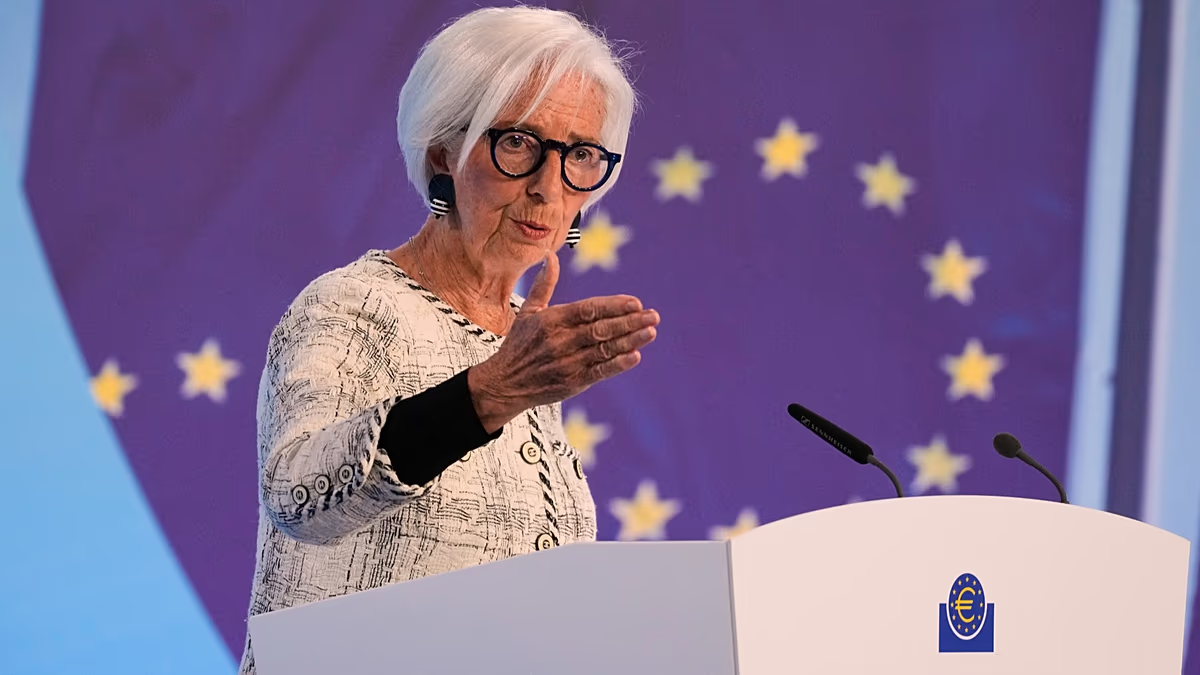
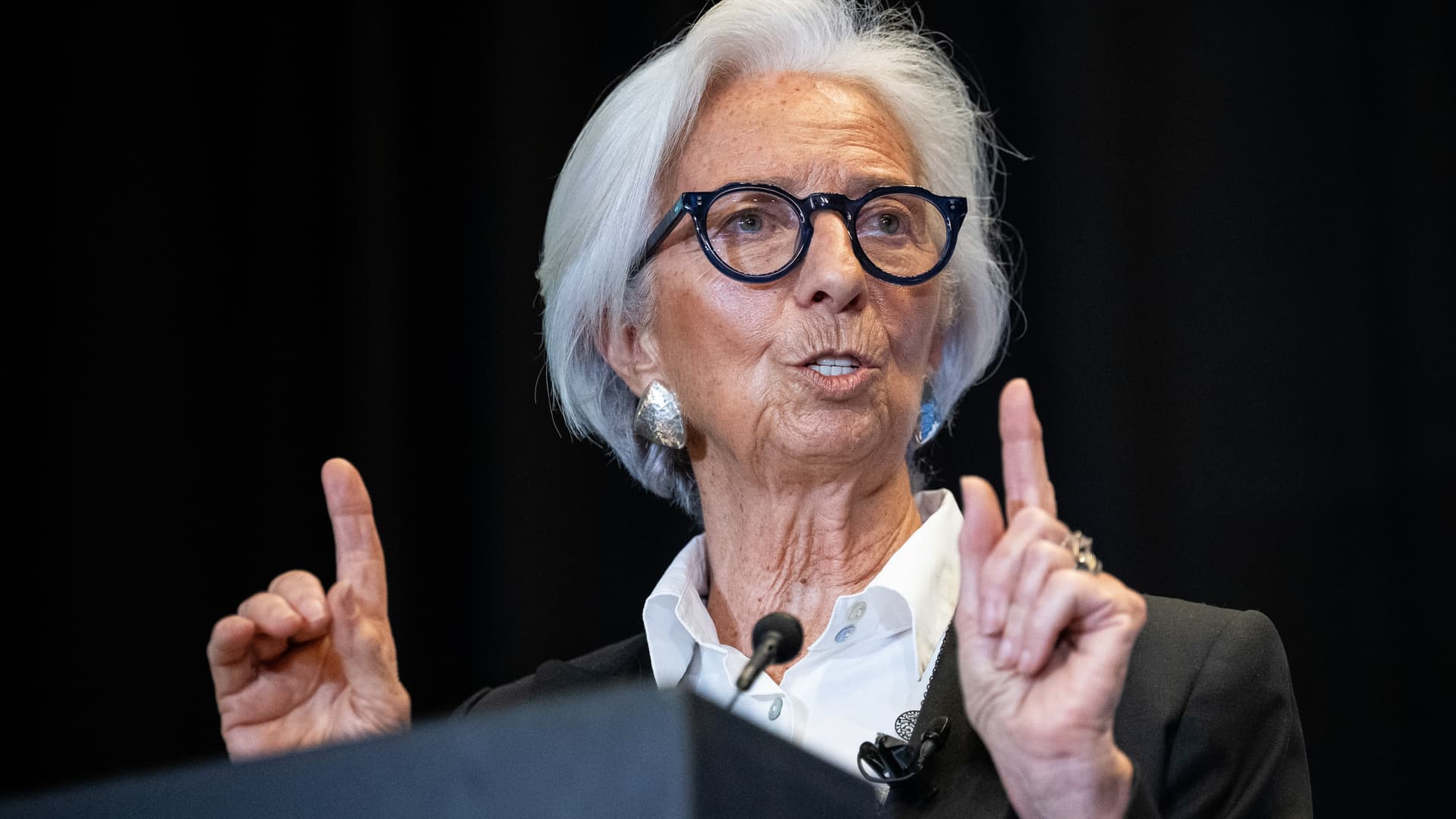
ECB President Christine Lagarde has maintained a data-driven posture, declining to commit to any specific rate path beyond June.