Personal tech
Intelligence-sharing pact tracks kit that comes back online after being nicked
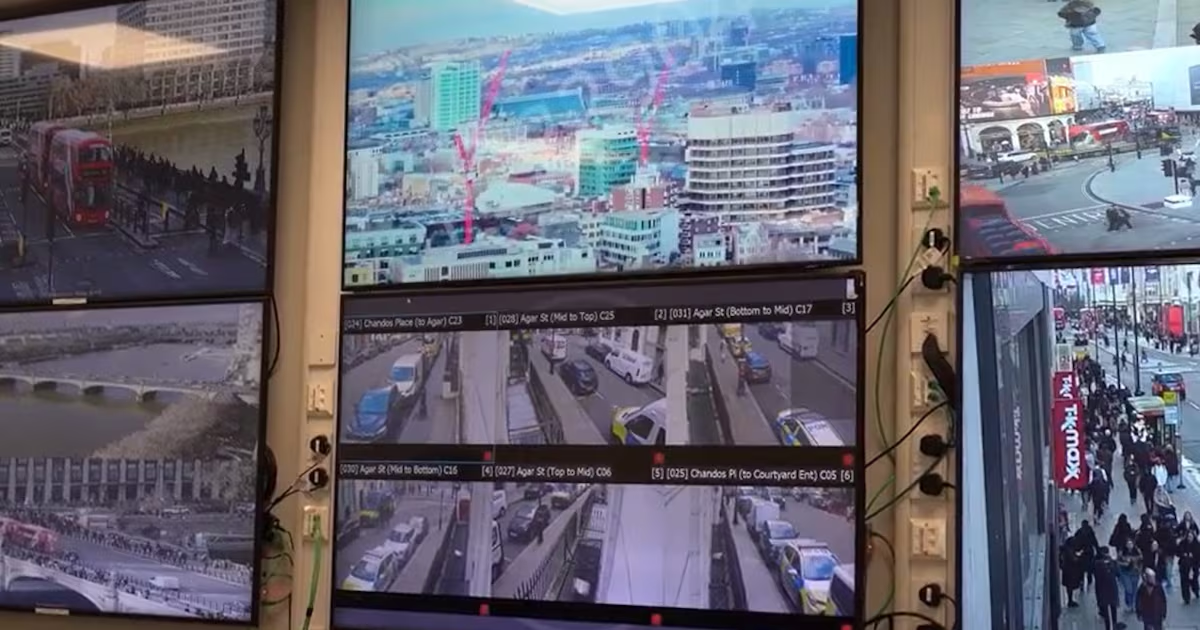
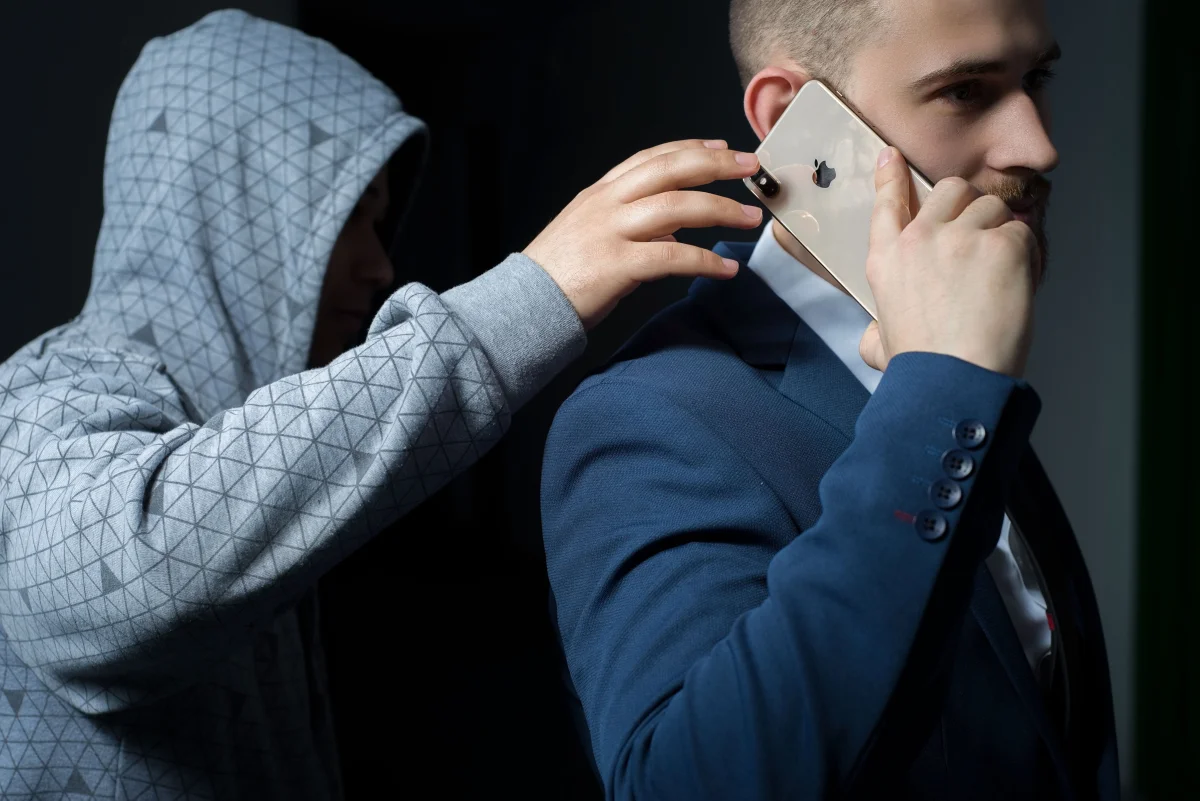
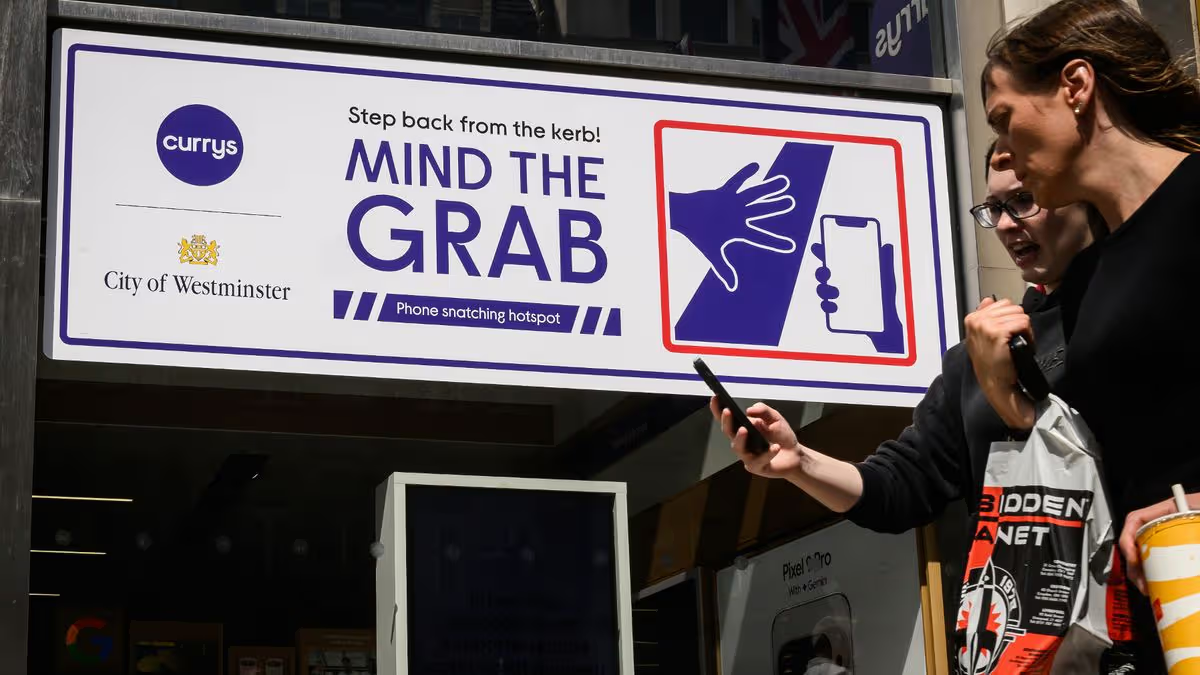
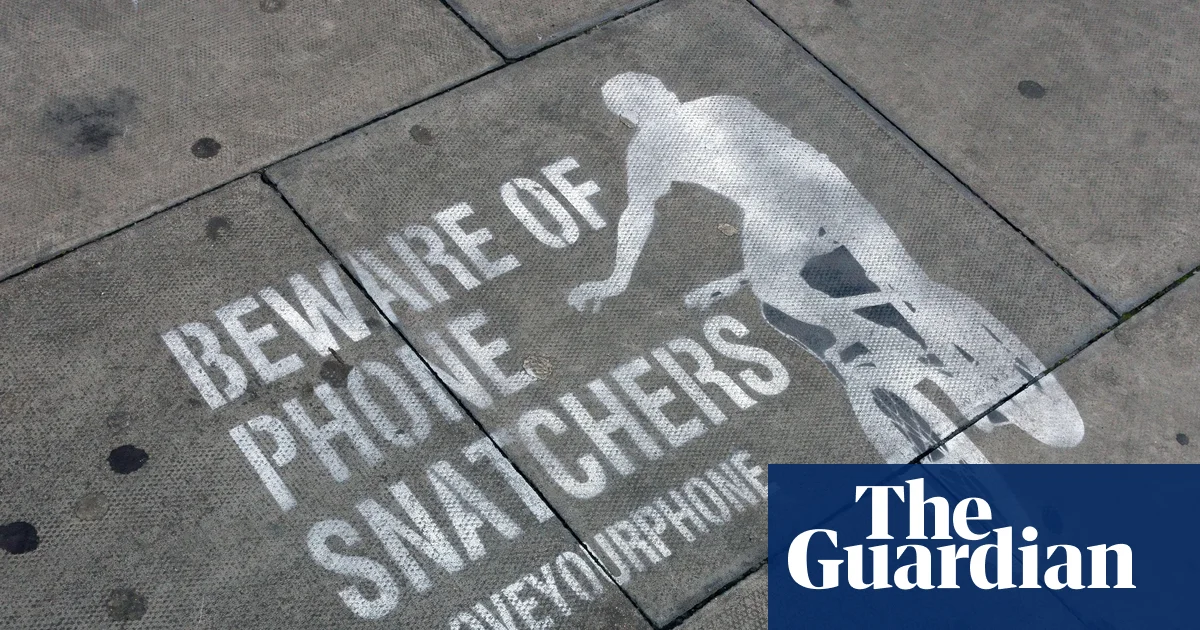
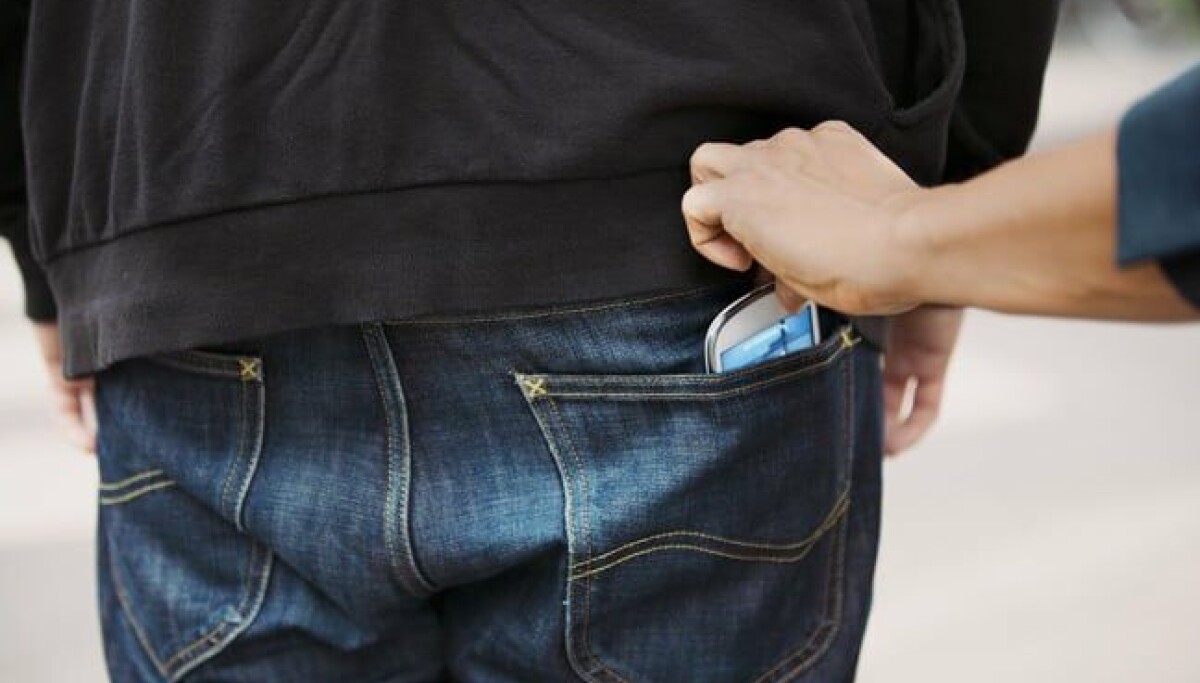
London's Metropolitan Police and Apple have agreed to share stolen device identifiers, building intelligence they hope will curb the capital's phone theft epidemic. These identifiers will help both organizations track which stolen devices reconnect to mobile networks, giving law enforcement better insight into where the criminal networks behind the thefts operate.The Met has access to stolen device information, such as serial numbers, provided by victims. Apple has access to data indicating when a device has been reactivated and where it's being used. Together, the two organizations believe this combined intelligence will help stamp down on the thefts that have ravaged London's streets for years, earning the city the unofficial title of "phone theft capital of Europe."
"If stolen phones cannot be reactivated, their value collapses, and so does the incentive to steal them," said Metropolitan Police commissioner Sir Mark Rowley. "We are driving up the risk for offenders while cutting off the reward.
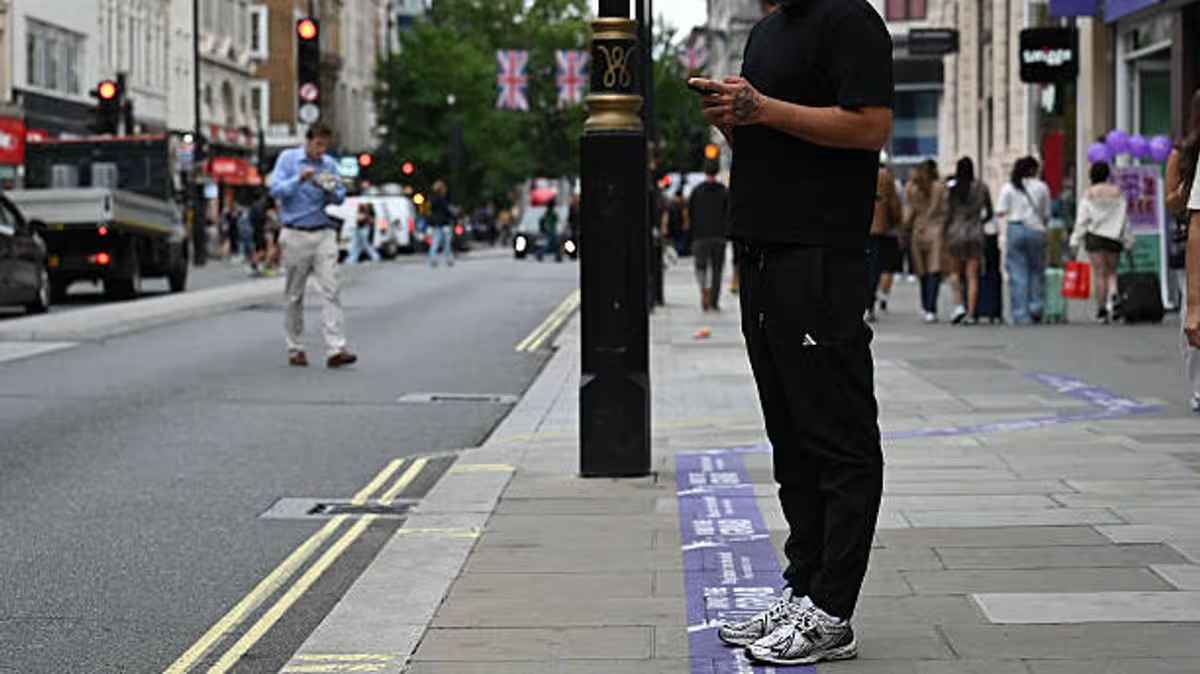
"Policing is playing its part. In the West End, where this crime was most concentrated, phone theft has fallen by 50 percent through relentless, targeted policing. But we have also gone further by working directly with Apple to address the global market that has allowed this crime to thrive."This is an important step, but it must not stop here. If you are stealing phones in London, the reality is changing fast. The opportunities are shrinking, the risks are rising, and we are determined to dismantle this criminal model completely."The intelligence-sharing pact follows months of pressure on both the Met and tech companies to take action. Dame Chi Onwurah, chair of the Science, Innovation and Technology Committee, wrote to Home Secretary Shabana Mahmood in December, asking why companies like Apple had not implemented cloud-based blocking or IMEI-linked device locks.Apple launched Stolen Device Protection in January 2024 and has since expanded default-on protections with the iOS 26.4 update, but there has long been a feeling that not enough was being done to tackle London's phone thefts.Rowley reiterated the ultimatum he issued to tech companies in March, demanding that they implement methods of reducing the value of stolen devices, or the UK will push through legislation. The collaboration with Apple is an extension of that, and the Met said Samsung and Google are also making security changes.Google uses several mitigations, including the need for authentication after a factory reset in order to return devices to working order, and an AI-powered feature that detects when devices are snatched and automatically locks the screen.A spokesperson at Google told The Register: "Android's theft protection features provide added security for billions of people, including Londoners. We have expanded default-on protections for UK devices, such as Remote Lock and Theft Detection, and we assist law enforcement with device recovery. Phone theft causes real distress and harm, and we work closely with the Met to protect all those who use our devices."